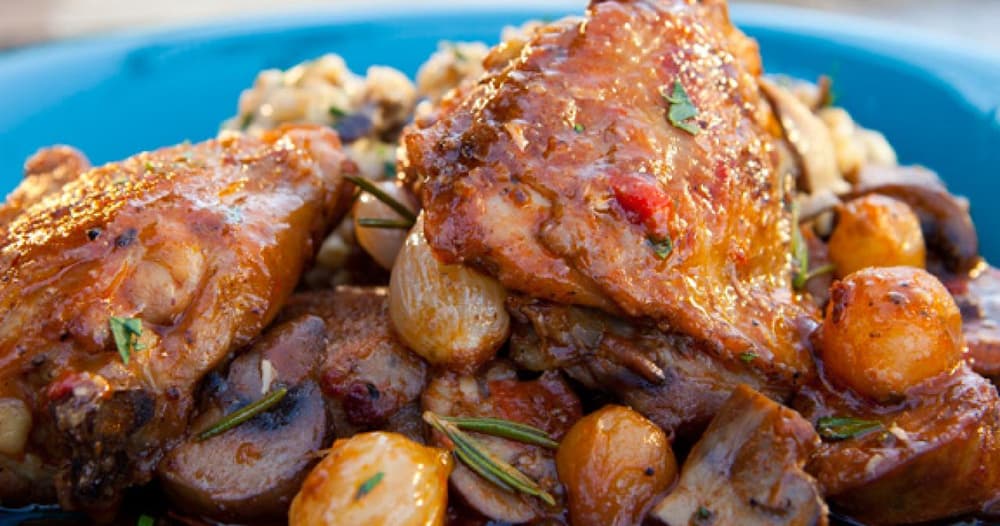
Ever wonder why a single piece of castiron can turn a bland chicken breast into a dinner that feels like a hug on a plate? The secret is that LeCreuset Dutch oven holds heat like a gentle giant, sealing in steam and flavor while you do most of the work. In just a few minutes you can have a perfectly seared breast, tender vegetables, and a silky sauce—all from the same pot. For a health‑conscious twist, try pairing it with diabetic sauces for chicken.
Bottom line: if you want juicy chicken breast without a mess of pans, grab your LeCreuset, follow a simple set of steps, and enjoy a comforting, one‑pot meal that anyone—busy parents, college students, or seasoned home chefs—can pull off.
Why Use Le Creuset
Heat Distribution & Moisture Retention
The enamel‑coated cast iron of a LeCreuset distributes heat evenly across its wide base. That means no hot spots that can burn the bottom of the chicken while the top stays raw. The tight‑fitting lid creates a mini‑oven inside, trapping steam and turning the meat into a natural brine. The result? A bird‑like succulence that’s hard to achieve with a flimsy aluminum skillet.
Quick Comparison
| Cookware | Heat Evenness | Moisture Retention | Typical Use |
|---|---|---|---|
| LeCreuset Dutch Oven | High | Very High | One‑pot braises, roasts, stews |
| Stainless Steel Pan | Medium | Low | Sear, saut |
| Non‑Stick Skillet | Low | Low | Quick fry, low‑fat cooking |
Potential Downsides & How to Avoid Them
LeCreuset isn’t weightless, and the price tag can make you think twice before splurging. The biggest cooking pitfall is overcooking the breast—cast iron retains heat long after you turn off the burner. The fix? Use a digital instant‑read thermometer and let the meat rest for a few minutes before slicing. That short pause lets the juices redistribute, keeping each bite moist.
Pro Tips to Keep Breast Juicy
- Give the chicken a quick brine (30 min in salty water) to boost moisture.
- Sear skin‑side down first; the high heat creates a golden crust.
- Don’t crowd the pot—space lets steam circulate.
- Finish uncovered for the last 5‑10 minutes to caramelize veggies.
Core One‑Pot Recipe
Ingredients
These ingredients hit all the right notes while staying flexible enough for what you have on hand.
- 2 boneless, skinless chicken breasts (about 6–8 oz each)
- 1 tbsp olive oil
- 1 tsp sea salt
- ½ tsp black pepper
- 1 tsp smoked paprika (optional)
- 2 carrots, cut into 1‑inch chunks
- 2 small potatoes, quartered
- 1 leek, sliced (white and light green parts)
- ½ cup low‑sodium chicken broth
- ½ cup dry white wine (or extra broth)
- 2 sprigs fresh thyme
- 1 bay leaf
Step‑by‑Step Instructions
- Preheat the oven. Set your oven to 350 °F (180 °C). While it warms, heat the LeCreuset on the stovetop over medium‑high.
- Season & sear. Pat the chicken dry, sprinkle with salt, pepper, and paprika. Add olive oil to the pot, then place the breasts skin‑side down (or the side that will be the top if skinless). Sear 3‑4 minutes until golden, then flip and sear the other side for another 2 minutes.
- Layer the veggies. Remove the chicken briefly, toss the carrots, potatoes, and leeks into the pot, and give them a quick stir to coat in the fond (the browned bits left from searing).
- Deglaze. Pour in the wine (or broth) and scrape the bottom with a wooden spoon. Let the liquid reduce by half, about 2‑3 minutes.
- Return the chicken & add aromatics. Nestle the breasts back on top of the vegetables, pour in the remaining broth, tuck in thyme and the bay leaf. Cover the pot with its lid.
- Bake. Transfer the Dutch oven to the oven. Cook 25‑30 minutes, then remove the lid and bake an additional 8‑10 minutes to let the edges crisp.
- Rest & serve. Take the pot out, let the chicken rest for 5 minutes, then slice. Spoon the sauce and veggies onto plates and enjoy.
Cook‑Time Table (how long to cook chicken breast in dutch oven)
| Oven Temp | Covered Time | Uncovered Time | Internal Temp |
|---|---|---|---|
| 350 °F (180 °C) | 25‑30 min | 8‑10 min | 165 °F (74 °C) |
| 375 °F (190 °C) | 20‑25 min | 6‑8 min | 165 °F (74 °C) |
Variations & Creative Twists
Feel free to swap the flavor base—LeCreuset loves a good experiment.
Fig & Goat Cheese Stuffed Breast
Slice a pocket into each breast, stuff with crumbled goat cheese, chopped fresh figs, and a drizzle of honey. Follow the same sear‑and‑bake method, adding a splash of balsamic vinegar during the deglaze step for a sweet‑tangy finish.
Slow‑Cooked Dutch Oven Version (slow cooked dutch oven chicken breast)
Set the oven to 275 °F (135 °C) and let the chicken cook for 2‑3 hours, covered. The low heat breaks down collagen in the meat, making it so tender you can shred it with a fork. Ideal for busy weekdays when you can set it and forget it.
Switching to Thighs (le creuset chicken thigh recipes)
If you prefer dark meat, replace the breasts with bone‑in thighs. Add 5‑7 minutes to the covered bake time; the extra fat keeps the meat moist and adds richness to the sauce.
Cooking Methods
Oven Roasting (Core)
Roasting in a covered Dutch oven creates a steam‑rich environment that keeps the breast moist. Remove the lid for the final minutes to develop a caramelized crust on both the meat and the vegetables.
Temperature & Time Chart
| Meat | Temp (°F) | Covered | Uncovered |
|---|---|---|---|
| Boneless Breast | 350 | 25‑30 min | 8‑10 min |
| Bone‑In Breast | 350 | 30‑35 min | 10‑12 min |
| Thighs | 350 | 35‑40 min | 12‑15 min |
Stovetop Braising (le creuset chicken recipes stove top)
When the weather’s too hot for the oven, you can finish the dish entirely on the stovetop. After searing, add broth and aromatics, bring to a gentle simmer, cover, and cook 15‑20 minutes. Finish uncovered for a minute or two to thicken the sauce. This method works especially well for chicken breast dutch oven stovetop meals where you want a quick dinner without heating the whole kitchen.
Slow‑Cook Mode (slow cooked dutch oven chicken breast)
Set your oven to a low 250 °F (120 °C) and let the chicken cook for 4‑5 hours, covered. The low‑and‑slow approach turns even a lean breast into a melt‑in‑your‑mouth masterpiece, and you’ll have plenty of sauce for spooning over rice or crusty bread.
Decision Matrix
| Goal | Method | Time Needed | Best For |
|---|---|---|---|
| Speed (under 45 min) | Oven Roast | 35‑45 min | Weeknight dinner |
| One‑pot stovetop only | Stovetop Braise | 20‑30 min | Small kitchen, hot day |
| Maximum tenderness | Slow‑Cook | 4‑5 hrs | Weekend prep, leftovers |
Expert Tips for Foolproof Results
Brining & Marinating
Even a 15‑minute quick brine—cup water, 1 tbsp salt, a pinch of sugar—can make a dramatic difference. The salt loosens the muscle fibers, letting them hold onto more water during cooking. Add a sprig of rosemary or a smashed garlic clove for extra flavor without extra work.
Temperature Monitoring
According to the U.S. Department of Agriculture, chicken is safe at an internal temperature of 165 °F (74 °C). Use an instant‑read probe; insert it into the thickest part of the breast, avoiding the bone. When the thermometer reads 160 °F, let the residual heat finish the job during the resting period.
Resting the Chicken
Rest isn’t just for steak. After you pull the pot from the oven, give the breasts a 5‑minute rest, loosely tented with foil. This pause lets the juices settle, preventing a watery plate and giving you that just‑right juiciness.
Layering Flavors
Don’t be shy about building layers: start with a basic sear for brown flavor, deglaze with wine for acidity, add herbs for aromatics, and finish with a splash of cream or a pat of butter for richness. Each step adds depth without complicating the process.
Conclusion
LeCreuset chicken breast recipes prove that a single, well‑designed pot can do the work of a dozen pans, delivering meals that are both comforting and impressive. By mastering the basics—proper searing, smart seasoning, and attentive temperature control—you’ll consistently create chicken that’s moist, flavorful, and paired perfectly with vegetables and sauce.
Give the core one‑pot recipe a whirl tonight, then experiment with the variations: a slow‑cook for weekend prep, a stovetop braise for hot evenings, or a succulent thigh makeover for extra richness. And remember, cooking is as much about sharing stories as it is about techniques—so invite a friend, swap tips, and keep the conversation (and the sauce) flowing.
FAQs
What temperature should I set my oven to for le Creuset chicken breast recipes?
For the classic one‑pot method, preheat the oven to 350 °F (180 °C). This moderate heat lets the chicken cook evenly while the lid traps steam for juiciness.
How long do I need to sear the chicken breasts before baking?
Sear each side for about 3–4 minutes on medium‑high heat. You’re looking for a golden‑brown crust that adds flavor and helps lock in moisture.
Can I use bone‑in chicken thighs instead of breasts?
Yes! Swap the breasts for bone‑in thighs and add roughly 5–7 minutes to the covered baking time. The extra fat keeps the meat moist and enriches the sauce.
Do I have to brine the chicken, and if so, how long?
A quick brine of 15–30 minutes in water with 1 Tbsp salt (and a pinch of sugar if desired) is enough to boost moisture and season the meat uniformly.
Is it possible to make this recipe entirely on the stovetop?
Absolutely. After searing, add broth and aromatics, bring to a gentle simmer, cover, and braise for 15–20 minutes. Finish uncovered for a minute or two to thicken the sauce.