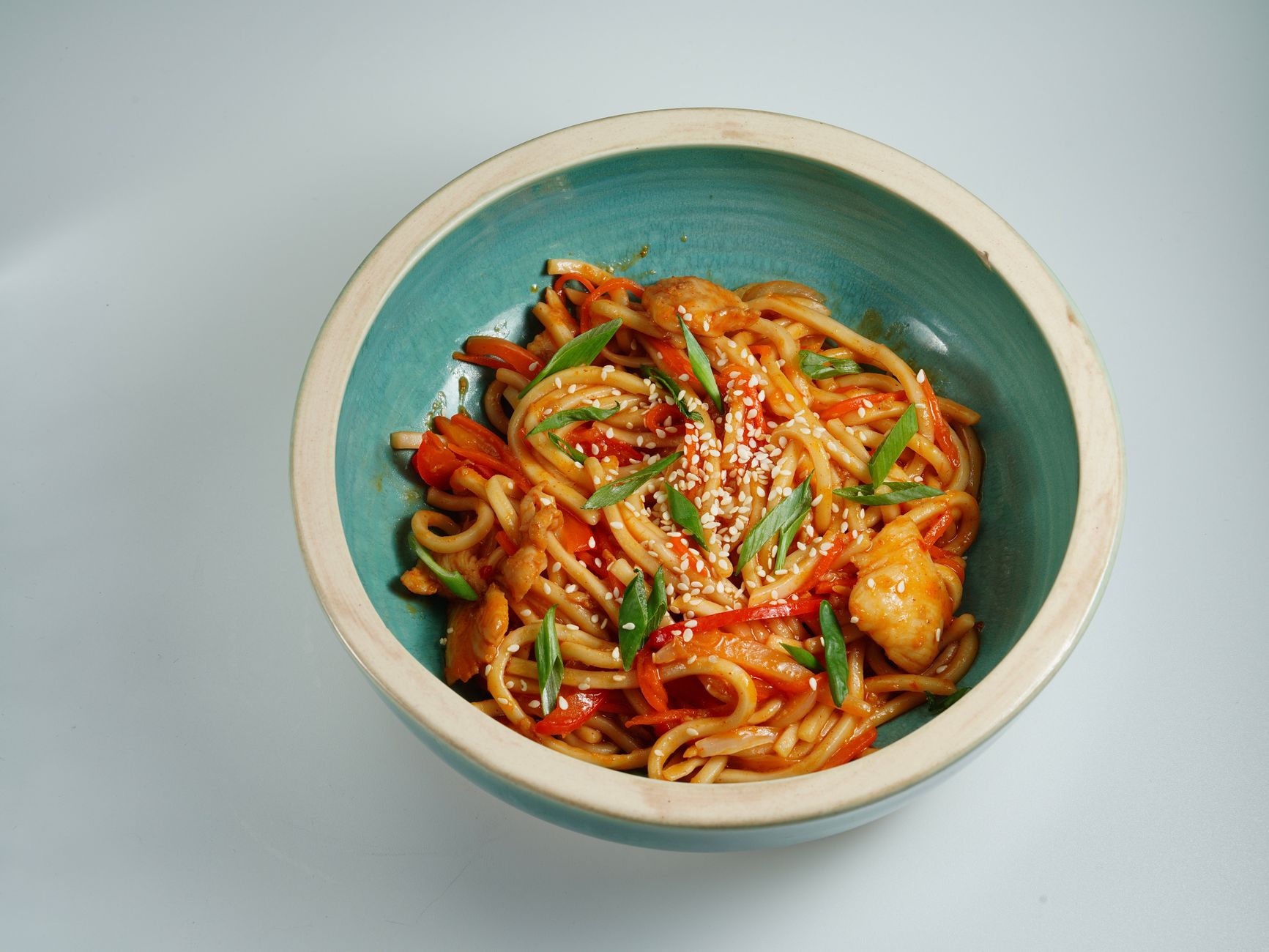
Imagine a steaming bowl of Korean rice noodles soup that you can pull together in under 15 minutes, yet it tastes like the kind of comfort food youd find in a bustling Seoul street market. Whether youre after a light vegetarian broth, a fiery gochujang kick, or even a quick instant version for those lazy evenings, Ive got you covered with everything you need to make it perfect.
Grab a pot, a smile, and lets dive straight into the good stuffno long history lesson, just the practical steps and tips that will get you slurping in no time.
What Is Korean Rice Noodles Soup?
Definition & Basic Components
Korean rice noodles soup, often called somyeon guk, is built around thin rice noodles (somyeon), a clear or lightly seasoned broth, and a handful of toppings that add texture and flavor. The noodles themselves are glutenfree and have a delicate, almost silky mouthfeel that pairs beautifully with both mild and spicy broths.
Quick Comparison
| Soup Type | Base Noodle | Typical Broth | Flavor Profile |
|---|---|---|---|
| Korean Rice Noodles Soup | Rice (somyeon) | Anchovykelp or mushroom | Light, subtle, adaptable |
| Kalguksu (knifecut noodle soup) | Wheat flour | Chicken or beef | Rich, hearty |
| Janchi Guksu (banquet noodles) | Wheat or egg noodles | Sesamesoy | Nutty, slightly sweet |
Understanding these differences helps you decide when to reach for the rice noodle versionespecially when you need something quick, glutenfree, or simply lighter.
Core Ingredients & Where to Find Them
Rice Noodles (Somyeon) Types & Buying Guide
Somyeon comes in a few widths, usually 0.5mm to 1mm. For a classic soup, I prefer the finer strands because they absorb broth without turning mushy. Look for brands like Ottogi or Bibigo in the international aisle; theyre affordable and consistently good quality.
Broth Base Options
The soul of the soup is the broth. Here are three reliable routes:
- Anchovykelp (myeolchi) the traditional goto, delivering umami depth.
- Beef stock for a richer, more indulgent bowl.
- Vegetarian mushroom broth simmer dried shiitake and kelp; perfect for a vegetarian Korean noodle soup version.
Flavor Boosters
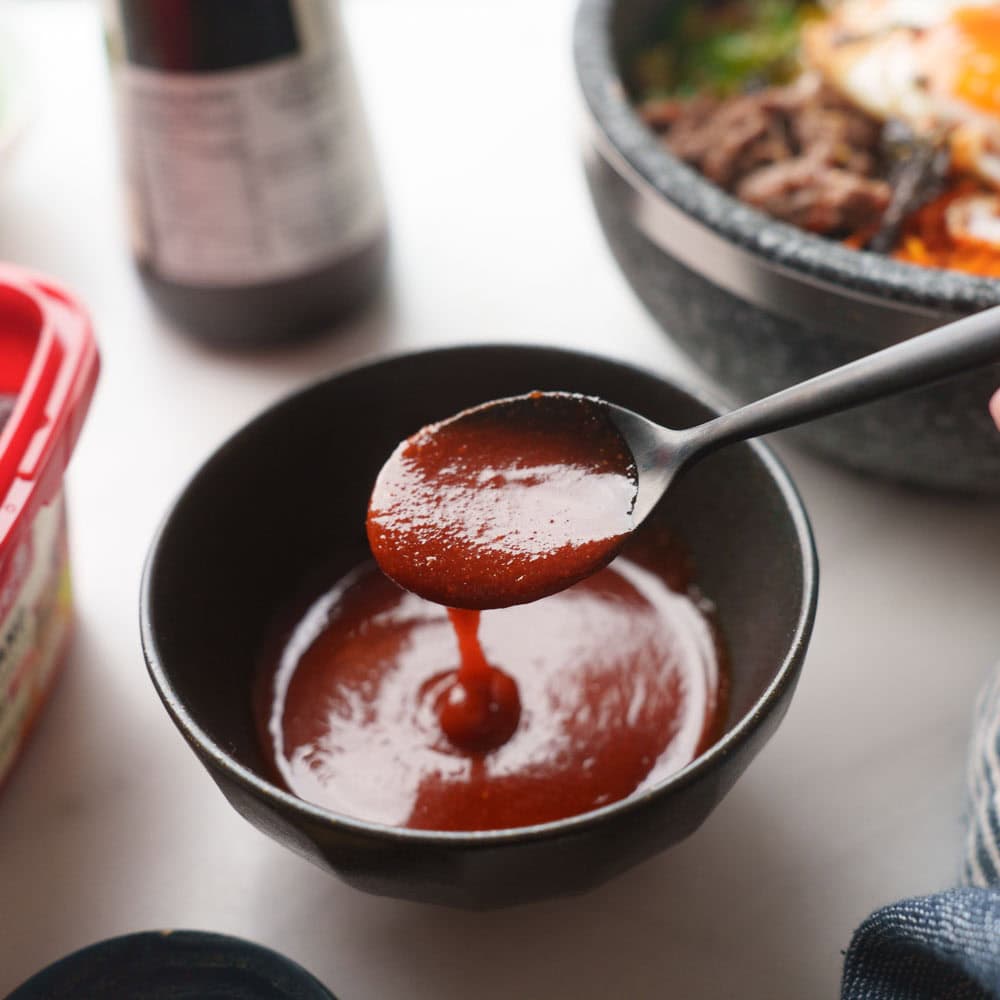
A splash of soy sauce, a drizzle of sesame oil, minced garlic, and a pinch of ground black pepper are the foundation. For that signature Korean heat, keep gochujang (red pepper paste) and crushed chili flakes on hand.
Fresh Toppings
Typical toppings include sliced scallions, kimchi (adds probiotic goodness), a softboiled egg, thinly sliced beef, tofu cubes, or a handful of seaweed strips. Feel free to get creativeshredded carrots or bok choy work wonders, especially in the vegetarian take.
StepbyStep Classic Recipe (15Minute Version)
Preparation Checklist
- 4cups water
- 1cup dried anchovies + 1 piece kelp (if using anchovy broth)
- 100g rice noodles (somyeon)
- 2Tbsp soy sauce
- 1tsp sesame oil
- 1tsp minced garlic
- 1Tbsp gochujang (optional for spicy version)
- Desired toppings (egg, scallions, kimchi, etc.)
Detailed Instructions
- Bring 4cups of water to a gentle boil. Add anchovies and kelp; simmer for 10minutes, then remove the solids.
- While the broth simmers, bring a separate pot of water to a rolling boil. Toss the rice noodles in and cook for 23minutes until just tender. Drain, rinse under cold water, and set aside.
- Season the broth with soy sauce, sesame oil, and minced garlic. If you love heat, stir in gochujang now.
- Return the cooked noodles to the pot, give everything a quick stir, and let the flavors mingle for another minute.
- Serve the soup in bowls, then top with your chosen extrassoftboiled egg, kimchi, scallions, or sliced beef. Enjoy while steaming hot.
Tip: If youre short on time, use a highquality broth cube labeled Korean noodle soup instant and skip the anchovykelp step. The taste is still satisfying, especially when you finish it with fresh toppings.
Quick Variations to Fit Every Lifestyle
| Variation | Main Keyword Used | Key Change |
|---|---|---|
| Vegetarian | korean noodle soup (vegetarian) | Replace anchovy broth with mushroomsoy stock; add tofu & leafy greens. |
| Spicy Gochujang | korean noodle soup with gochujang | Stirin 1Tbsp gochujang and optional chili flakes for extra kick. |
| InstantPack Friendly | korean noodle soup instant | Use preflavored broth cubes & precooked rice noodles; 5minute prep. |
| LowSodium | most popular korean soup | Halve soy sauce, use kelponly broth, and add extra vegetables for flavor. |
How to Adapt the Classic Recipe
Vegetarian: Swap the anchovykelp broth for a simmer of dried shiitake, kelp, and a splash of soy sauce. Add cubed firm tofu, baby spinach, and a drizzle of sesame oil just before serving.
Spicy Gochujang: After the broth is seasoned, blend in gochujang with a spoonful of water to dissolve it evenly. Top with sliced fresh jalapeos if you enjoy an extra punch.
InstantPack Friendly: Dissolve two Korean noodle soup instant cubes (look for kimchi flavor or seafood) in hot water, then add precooked somyeon, a handful of frozen peas, and a softboiled egg. Ready in five minutes!
LowSodium: Use only 1Tbsp soy sauce, increase the amount of kelp for depth, and finish with lemon zest and a few drops of vinegar for brightness without extra salt.
Health Benefits & Possible Risks
Nutritional Profile of Rice Noodles
Rice noodles are naturally glutenfree, low in fat, and provide quickacting carbsgreat for a postworkout refill. One cup of cooked somyeon delivers about 190calories and 0.5g of protein.
Benefits of Broth Ingredients
Anchovykelp broth supplies iodine, calcium, and trace minerals that support thyroid health. If you choose the mushroom broth, you gain Bvitamins and antioxidants that aid digestion.
Risks to Watch
The most common concern is sodium. Traditional Korean soups can easily exceed 800mg of sodium per serving, which might be high for those monitoring blood pressure. Opt for lowsodium soy sauce or homemade broth to keep it in check. Also, be mindful of seafood allergens if youre using anchovies.
Balanced Checklist
- Can you enjoy this soup if you have hypertension? Yesuse the lowsodium variation or a vegetable broth.
- Is gochujang essential for authenticity? It adds classic heat, but a simple soygarlic broth is still authentically Korean.
- What if Im glutenintolerant? Rice noodles are safe, just doublecheck that soy sauce is glutenfree.
Expert Tips & Common Mistakes to Avoid
Timing the Noodles
Overcooking somyeon turns them into mush. The sweet spot is 23minutes in boiling water, then a quick rinse to stop the cooking process.
Layering Flavors
Always add aromatics (garlic, ginger) after the broth reaches a gentle boil. Adding them too early can cause bitterness.
Storage & Reheating
Store leftover broth separately from noodles. When reheating, briefly dip fresh noodles in hot broth for 30seconds to revive the texture.
RealWorld Case Study
My friend Jiwoo once boiled her noodles for six minutes, hoping they'd be extra soft. The result was a gloopy mess that soaked up all the broth. She learned to set a timer and rinse immediatelynow her bowls are consistently silky.
WrapUp & Next Steps
Quick Recap
- Core ingredients: rice noodles, broth (anchovykelp, beef, or mushroom), soy sauce, sesame oil, and optional gochujang.
- Classic 15minute method yields a comforting bowl ready in no time.
- Four easy variations let you go vegetarian, spicy, instant, or lowsodium.
- Health benefits include glutenfree carbs and mineralrich broth; watch sodium if needed.
- Expert tips keep noodles perfect and flavor balanced.
Join the Conversation
Give the recipe a try and let me know which variation you love most. Got a secret topping you swear by? Share it in the comments or tag us on social mediayour tip might help the next reader perfect their bowl.
Explore More Korean Comforts
If youre hungry for more, check out other korean noodle soup recipes that explore different noodle types and broth bases. From the iconic janchi guksu to the hearty kal-guksu, theres a whole world of flavors waiting.
Happy cooking, and may every spoonful bring a warm, spicy hug from Korea right to your kitchen table.
FAQs
What are the main types of broth for Korean rice noodles soup?
You can use anchovy‑kelp broth for traditional umami, beef stock for richness, or a mushroom‑kelp broth for a vegetarian option.
How long should rice noodles (somyeon) be cooked?
Cook somyeon for about 2–3 minutes in boiling water, then rinse with cold water to stop cooking and keep them silky.
Can I make this soup gluten‑free?
Yes—use rice noodles and ensure your soy sauce is gluten‑free; the soup is naturally gluten‑free otherwise.
What’s the easiest way to add spice without gochujang?
Stir in a teaspoon of Korean chili flakes (gochu garu) or a splash of hot sauce; adjust to taste.
How can I keep the sodium level low?
Use low‑sodium soy sauce, skip the instant broth cubes, and flavor the broth with garlic, ginger, and kelp instead.