Why Lavender Gin Goat Cheese Cookies Recipe Works
The first bite is buttery and crisp, followed by floral lavender, a faint juniper note, and creamy goat cheese. It is an unusual cookie, but the flavors settle together beautifully once the edges turn pale golden.
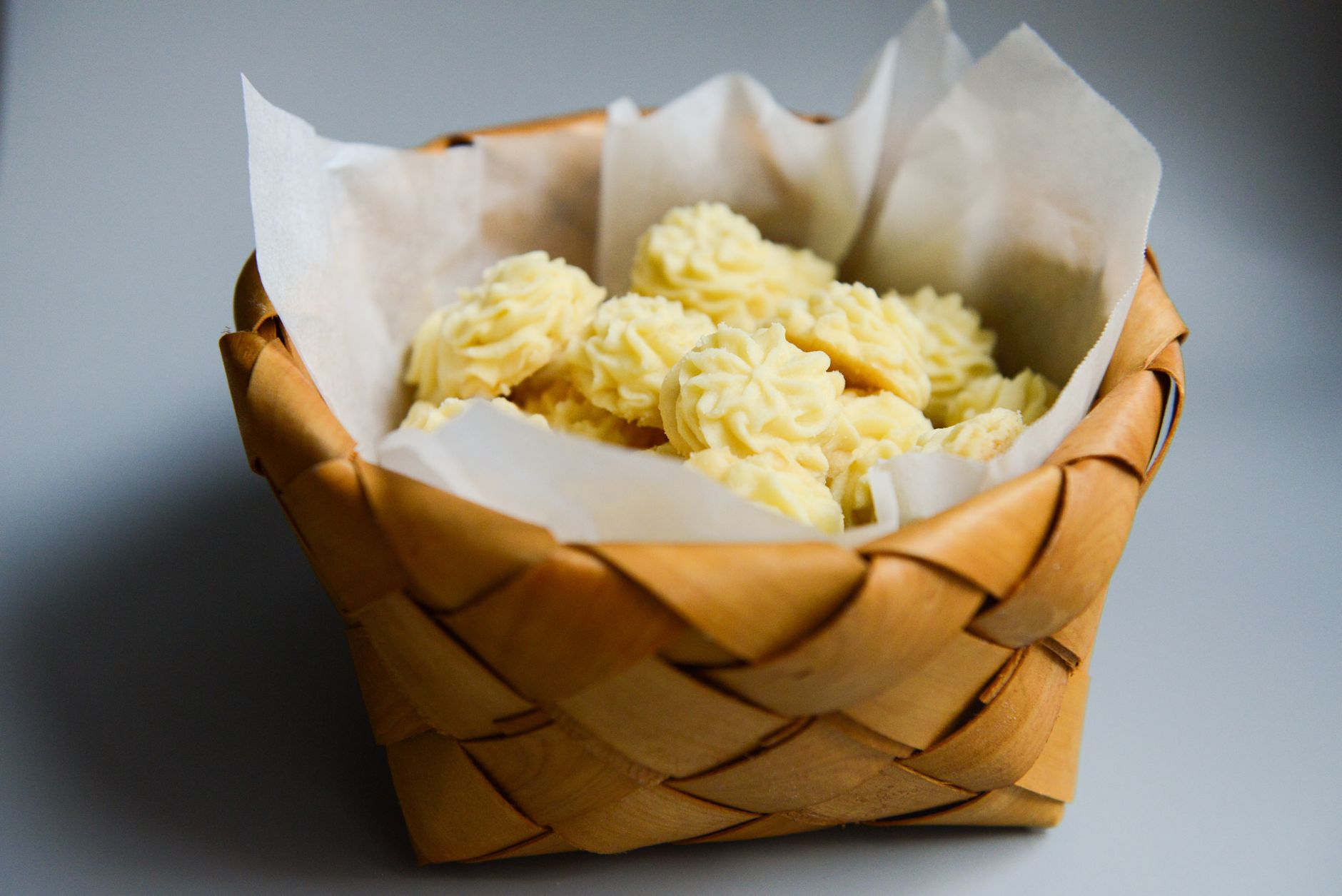
Lavender Gin Goat Cheese Cookies are tender shortbread-style cookies made with butter, sugar, flour, dried lavender, and a small amount of gin. Each cookie is dipped in beaten egg, pressed into a thumbprint shape, filled with goat cheese, and baked until lightly golden. The result is a crisp-edged, rich snack with a tangy center and a delicate botanical aroma.
I keep the lavender restrained because too much can make the cookies taste soapy. The gin is also used sparingly; it adds a gentle herbal sharpness rather than a strong alcohol flavor. These cookies are especially enjoyable with tea, coffee, or a small after-dinner drink.

Health Benefits & Nutrition
These are rich, buttery cookies, so they are best treated as an occasional snack rather than a nutritional staple. The ingredients still offer a few straightforward qualities:
- Goat cheese provides protein and calcium. The small amount in each cookie contributes a little protein along with the cheese’s creamy, tangy flavor.
- Butter supplies fat for tenderness. Fat helps create the delicate, crumbly texture associated with shortbread-style cookies.
- Lavender adds aroma without much sugar. Dried culinary lavender brings floral flavor, allowing the cookies to taste distinctive without extra sweeteners.
- Portion size is easy to manage. The recipe makes about 24 small cookies, so you can serve one or two alongside a drink instead of cutting large portions.
One cookie contains approximately 225 calories, depending on the exact butter, sugar, egg yolk, and goat cheese brands used. It also contains dairy, wheat, egg, and a small amount of gin. People with food allergies, celiac disease, alcohol restrictions, or other dietary concerns should check every package and use personal medical guidance when needed. The gin is not guaranteed to cook away completely.
Ingredients & Preparation
Recipe Card
| Prep time | Cook time | Total time | Servings | Calories (approx.) | Diet tags |
|---|---|---|---|---|---|
| 30 minutes | 10 minutes | 40 minutes | About 24 cookies | 225 per cookie | Vegetarian; contains dairy, egg, wheat, and alcohol |
Full Ingredient List
- 3 sticks unsalted butter, at room temperature
- 1 cup granulated sugar
- 1 teaspoon gin
- 3 1/2 cups all-purpose flour, plus extra for dusting
- 3 teaspoons dried culinary lavender
- 1 to 2 pinches fine salt
- 2 to 3 egg yolks, beaten
- 6 ounces goat cheese
Equipment Needed
- Large mixing bowl
- Electric mixer or sturdy wooden spoon
- Rolling pin
- Sharp knife or bench scraper
- Small bowl for beaten egg yolks
- Baking sheets
- Silicone baking mats or parchment paper
- Wire cooling rack
Tips for Choosing Quality Ingredients
Use culinary lavender rather than lavender sold for decorative purposes. The flower buds should smell sweet and lightly herbal, not dusty or intensely perfumed. If the buds are large, crush them briefly between your fingers before adding them to the dough.
Full-fat, soft goat cheese works best because it holds its shape in the thumbprint while becoming creamy in the oven. A very wet chèvre can spread, so drain it briefly if it looks loose. Unsalted butter gives you better control over the final seasoning.
Choose a gin with clean botanical notes. A juniper-forward London dry gin works well, but there is no reason to use an expensive bottle. Measure the gin carefully. The first time I made these, I added a little extra by eye, and the juniper competed with the lavender instead of quietly supporting it.
Step-by-Step Instructions
1. Heat the oven and prepare the trays
Set the oven to 350°F and allow it to heat for at least 15 minutes. Line two baking sheets with silicone baking mats or parchment paper. Keep the racks in the upper and lower middle positions so the cookies bake evenly.
2. Mix the butter, sugar, and gin
Beat the room-temperature butter, sugar, and gin on medium speed for 2 to 3 minutes, or mix vigorously by hand for about 4 minutes. Stop when the mixture looks smooth and slightly lighter, with no large butter streaks. Do not whip it until fluffy, or the cookies may spread more than expected.
3. Form and chill the lavender dough
Add the flour, dried lavender, and salt. Mix on low speed for 60 to 90 seconds, just until the dough comes together and no dry flour remains. Roll it on a lightly floured surface to a thickness of 1/2 inch, then freeze the rolled dough for 10 minutes. The dough should feel firm but still bend slightly without cracking.
4. Shape the cookies and add the goat cheese
Cut or divide the chilled dough into about 24 pieces and roll each piece into a ball. Dip each ball lightly in the beaten egg yolk, then place it on the prepared tray with at least 2 inches of space between cookies. Press a thumb into the center of each ball to make a crater, then place about 1/4 ounce of goat cheese in each indentation. The first time I made these, I made the wells too shallow, and the cheese slid toward the edges, so press firmly enough to create a clear pocket.
5. Bake, cool, and serve
Bake at 350°F for 10 minutes, rotating the trays from top to bottom halfway through. The cookies are ready when the edges are lightly golden, the centers look set, and the kitchen smells buttery and floral. Cool them on the baking sheets for 5 minutes, then transfer them to a wire rack for at least 10 more minutes.
Variations & Substitutions
- Use orange instead of gin: Replace the 1 teaspoon gin with 1 teaspoon finely grated orange zest and 1 teaspoon fresh orange juice. The cookies will taste brighter and more citrusy.
- Try cream cheese: Replace the 6 ounces goat cheese with 6 ounces full-fat cream cheese. Chill the cream cheese for 15 minutes before filling the cookies so it stays in the thumbprints.
- Add honey to the filling: Mix 6 ounces goat cheese with 1 tablespoon honey before filling. This softens the tang and works well with the lavender, though the filling will be slightly looser.
- Make a lemon version: Replace 1 teaspoon of the gin with 1 teaspoon lemon zest. Keep the lavender at 3 teaspoons so the citrus does not overpower the floral note.
- Use dried rosemary carefully: Replace 1 teaspoon of the lavender with 1/2 teaspoon finely minced dried rosemary. Do not substitute rosemary one-for-one because its flavor is much sharper.
- Reduce the sweetness: Use 3/4 cup sugar instead of 1 cup. The cookies will be less sweet and will let the goat cheese taste more prominently, but their texture will be slightly less crisp.
For a wheat-free experiment, use a tested cup-for-cup gluten-free flour blend that contains a binder. The texture can vary between brands, so avoid replacing only part of the all-purpose flour on your first attempt.
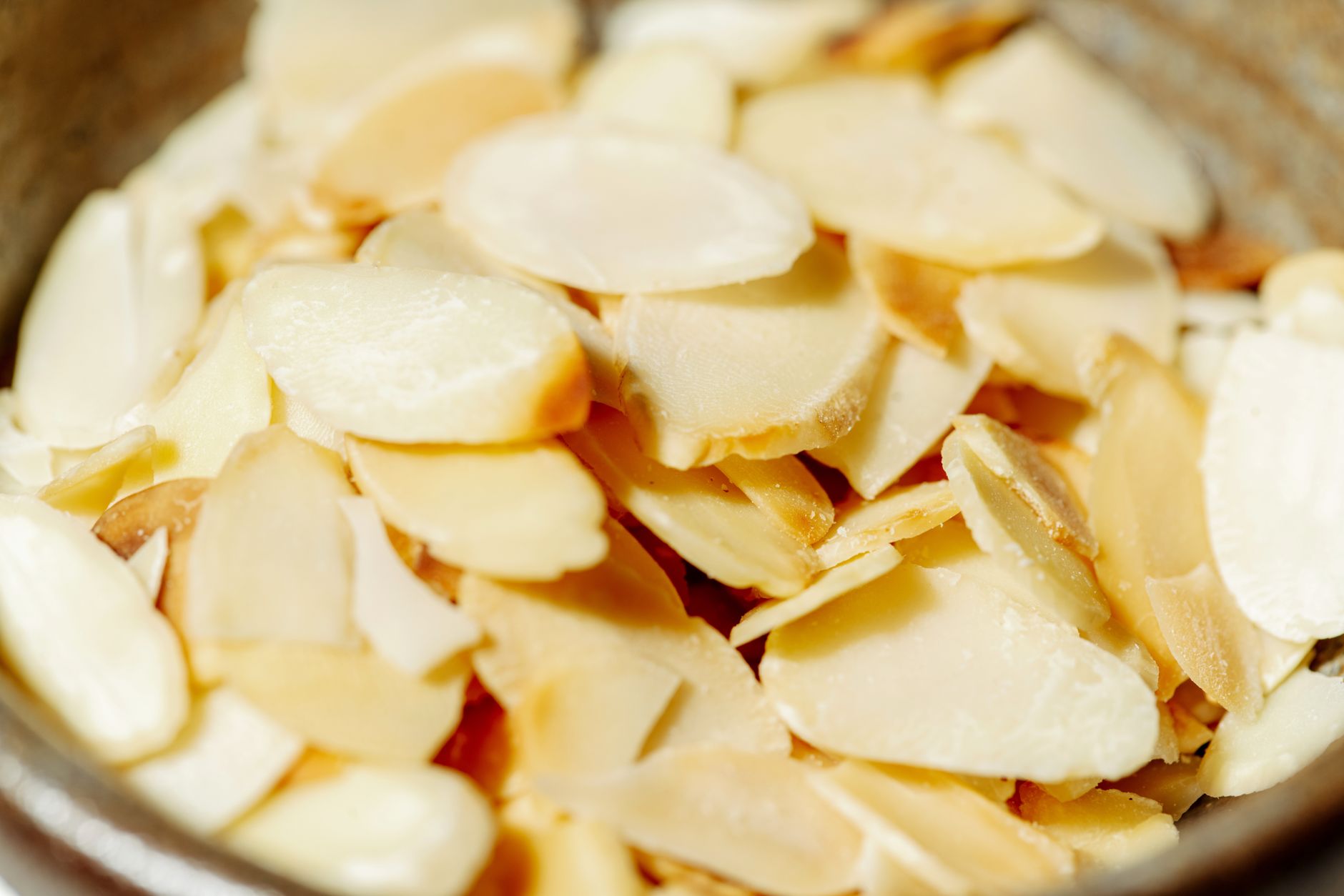
If you enjoy thin, crisp cookies, you may also like this Jules destrooper almond thins recipe. For another lighter almond option, try this Healthy almond thins recipe.
Storage & Shelf Life
Store cooled cookies in a tightly sealed container in the refrigerator for up to 4 days because the centers contain goat cheese. Place parchment between layers to prevent the cheese-filled tops from sticking. Let them sit at room temperature for 15 to 20 minutes before serving, or enjoy them chilled for a firmer texture.
To freeze them, arrange fully baked and cooled cookies on a tray in a single layer. Freeze for 1 hour, then transfer them to a freezer-safe container with parchment between layers. They keep for up to 1 month. Thaw them in the refrigerator overnight, then bring them to room temperature for about 20 minutes.
Discard the cookies if the goat cheese develops a sour or unpleasant smell, a slimy surface, unusual discoloration, or visible mold. Do not taste food to decide whether it has spoiled.
Pro Tips for Better Texture and Flavor
Use room-temperature butter, not melted butter. Soft butter blends smoothly with the sugar while retaining enough structure to support the cookies. Melted butter creates a greasy dough that is harder to roll and more likely to spread.
Do not crush the lavender into dust. A light rub between your fingers releases its aroma while leaving small flecks throughout the cookie. Powdered lavender can make the flavor intense and uneven.
Keep the dough cold after shaping. If your kitchen is warm, place the filled trays in the refrigerator for 10 minutes before baking. This extra chill helps the thumbprints remain defined and reduces spreading.
Use a small measuring spoon for the filling. About 1/4 ounce of goat cheese per cookie is enough. Overfilling makes the center bubble over the rim and can hide the delicate lavender aroma.
Prevent lavender staining. Lavender can leave purple-gray marks on pale dough if it is bruised heavily. Mix it in gently and use clean, dry utensils. A silicone mat also makes it easier to lift the cookies without dragging the colored flecks across the surface.
Watch the final minute closely. These cookies can move from pale to overbrowned quickly. The edges should show a light golden line, while the tops remain mostly cream-colored. If the bottoms darken before the centers set, move the tray to a higher rack for the remaining bake time.
Questions & Answers
When is the best time to eat Lavender Gin Goat Cheese Cookies Recipe?
The best time to eat these cookies is after they have cooled for at least 10 minutes. The crust firms as it cools, while the goat cheese center remains creamy. They are especially suited to afternoon tea, a dessert platter, or a small savory-sweet snack after dinner.
Can I use fresh lavender instead of dried lavender?
Use dried culinary lavender for the most reliable result. Fresh lavender contains more moisture and can make the dough uneven, while its flavor varies considerably by variety. If you only have fresh culinary lavender, use about 1 tablespoon finely chopped, then chill the dough well before rolling.
Does the gin flavor remain strong after baking?
The gin flavor is subtle after baking. One teaspoon adds a light juniper and botanical note, but it should not taste like a cocktail. Use a clean, dry gin and measure exactly. Adding more gin can loosen the dough and make the lavender taste harsher.
Why did my cookies spread in the oven?
Cookies usually spread because the dough or butter was too warm. Chill the rolled dough for the full 10 minutes, and refrigerate the shaped cookies for another 10 minutes if your kitchen is warm. Also check that the butter was softened rather than melted and that the flour was measured accurately.
Can I make these cookies without dipping them in egg yolk?
Yes, you can omit the egg yolk, but the surface will be less glossy and the dough may crack slightly during shaping. The egg also helps the goat cheese adhere to the thumbprint. If you avoid egg, brush the shaped cookies lightly with milk before adding the filling.
What can I serve with these cookies?
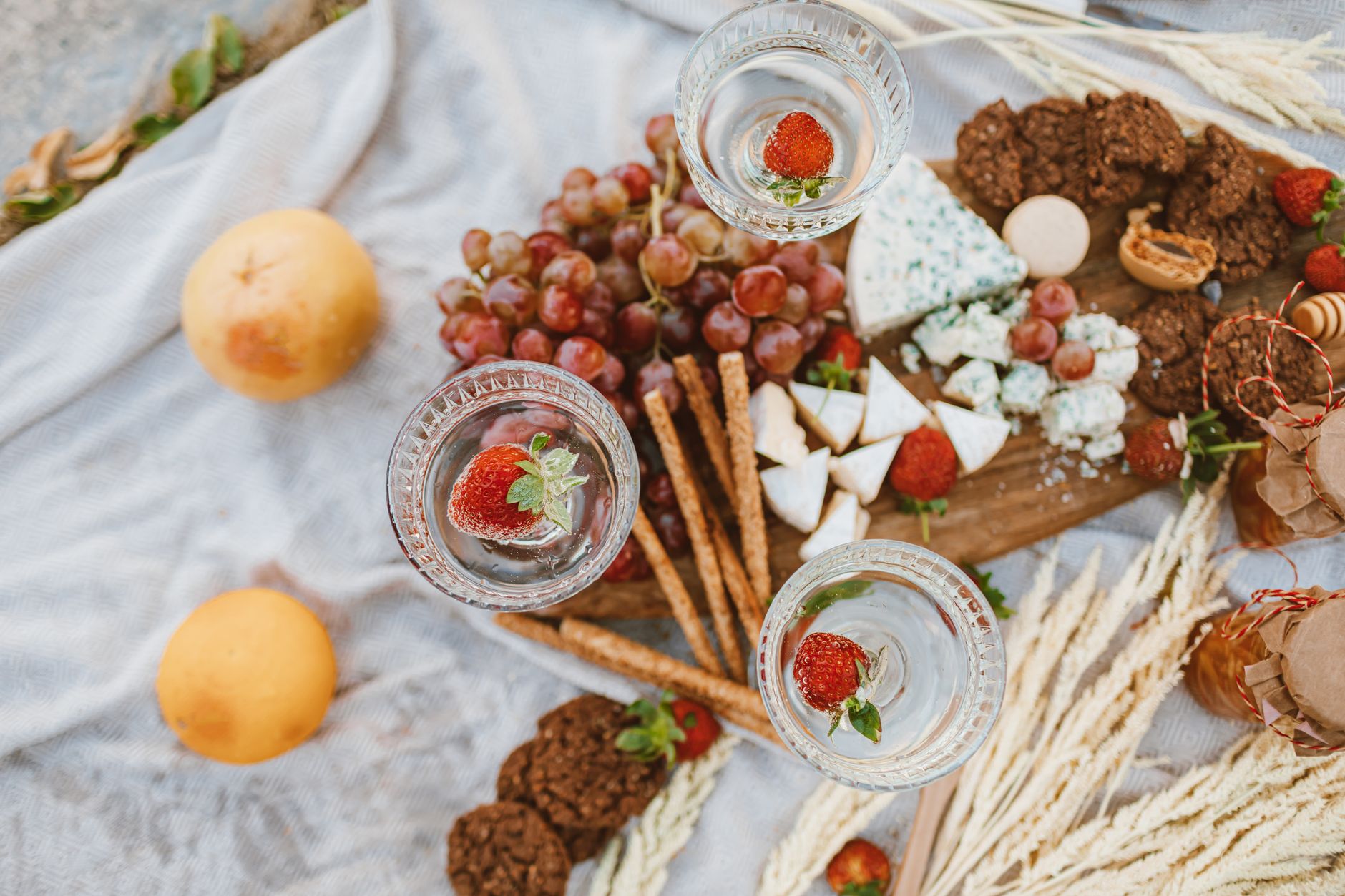
Serve them with black tea, Earl Grey, chamomile tea, coffee, or sparkling water with lemon. A mild fruit preserve, fresh pear, or a small handful of toasted almonds also complements the goat cheese. Avoid very sweet drinks because they can mask the lavender and make the cookies taste heavy.
Can I prepare the dough ahead of time?
Yes, prepare the dough up to 24 hours ahead and refrigerate it tightly wrapped. Let it stand at room temperature for 10 to 15 minutes before rolling so it is firm but workable. You can also freeze the rolled dough for up to 1 week, then thaw it in the refrigerator before shaping.
More Recipes You Will Love
If you enjoy cookies with delicate floral or herbal notes, pair these with thin almond biscuits on a dessert tray. Their crisp, toasted flavor provides a pleasant contrast to the soft goat cheese centers.
For a simpler everyday snack, almond thins are an excellent choice because they bake quickly and store well. The Healthy almond thins recipe is especially useful when you want a lighter cookie with a clean nutty flavor.
For celebrations, serve several small cookies rather than one large dessert. These lavender cookies bring a savory edge, while classic almond thins add familiar sweetness and crunch.
A Fragrant Cookie for Small Gatherings
Lavender Gin Goat Cheese Cookies Recipe is a thoughtful choice when you want something beyond an ordinary sweet biscuit. The dough is simple, but chilling it properly and keeping the goat cheese portions modest makes a noticeable difference. Bake until the edges are lightly golden, then allow the cookies to cool before serving. If you make a batch, leave a comment with the gin or filling variation you tried, and consider rating or sharing the recipe.
FAQs
When is the best time to eat Lavender Gin Goat Cheese Cookies Recipe?
The best time to eat Lavender Gin Goat Cheese Cookies Recipe is with an afternoon tea or coffee, or alongside a small after-dinner drink. Their crisp shortbread texture and tangy goat cheese center suit a small snack better than a large dessert. Serve one or two at a time, since each cookie is rich and contains about 225 calories.
Can I leave out the gin in Lavender Gin Goat Cheese Cookies Recipe?
Yes, you can leave out the gin in Lavender Gin Goat Cheese Cookies Recipe without ruining the batch. The gin adds only a faint herbal sharpness, so replacing it with a teaspoon of cold water or lemon juice keeps the dough workable. The cookies will taste slightly less botanical, but the lavender and goat cheese still carry the flavor. Anyone avoiding alcohol should choose this swap.
How should I store Lavender Gin Goat Cheese Cookies Recipe?
Store cooled Lavender Gin Goat Cheese Cookies Recipe in an airtight container at room temperature, with parchment between layers to protect the thumbprint filling. Keep them in a cool spot away from heat and humidity, and eat them within a few days. If your kitchen is warm, refrigerate them in a sealed container and let them come to room temperature before serving.
Why do Lavender Gin Goat Cheese Cookies spread or crumble?
Cookies that spread usually have dough that is too warm or too soft, while crumbly cookies often have too much flour or overmixed dough. Chill the dough until firm before shaping the thumbprints, and measure flour by spooning it into the cup rather than scooping. Baking on cool sheets also helps keep the edges neat.
Can too much lavender make Lavender Gin Goat Cheese Cookies taste soapy?
Yes, too much dried lavender can make Lavender Gin Goat Cheese Cookies taste soapy. The recipe uses about 3 teaspoons of dried culinary lavender for a full batch, so measure it carefully and crush large buds lightly before mixing. Choose culinary lavender rather than decorative blooms, since culinary lavender is grown and labeled for eating.