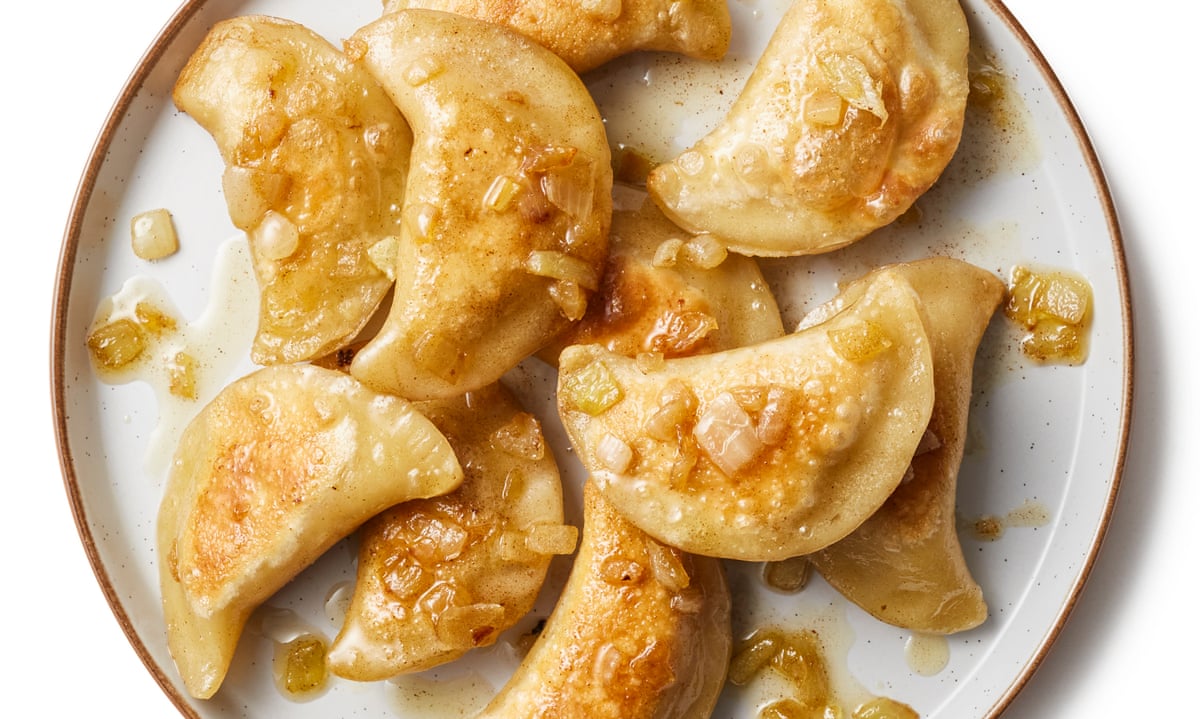
Looking for the fastest way to know what pierogi are, how to say the word, and get a foolproof recipe you can actually cook tonight? Youre in the right spot well give you the definition, the proper pronunciation, the classic Polish filling, and a stepbystep guide that even a beginner can follow.
Plus, well compare Polish vs. Russian styles, share where to find the best pierogi near you, and warn you about the health sideeffects of overindulging. No fluff, just the answers you came for.
What Are Pierogi
In the simplest terms, pierogi are stuffed dumplings made by wrapping unleavened dough around a filling and cooking them in boiling water. Think of them as the EasternEuropean answer to ravioli, but with a heartier dough and a wider range of fillings.
Typical pierogi are about the size of a golf ball, slightly thicker than a potato chip, and they can be boiled, panfried, or baked. The dough is usually a mix of flour, water, a touch of salt, and sometimes an egg for extra elasticity.
| Feature | Typical Size | Common Cooking Methods | Most Popular Fillings |
|---|---|---|---|
| Dough | 23 inches (57cm) diameter | Boiling, panfrying, baking | Potatocheese, sauerkraut, meat, fruit |
| Texture | Plump, slightly chewy | Boiled soft; Fried crisp edges | Varies by region |
Pierogi Pronunciation
Getting the pronunciation right shows respect for the dishs Polish heritage. The correct Englishfriendly way to say it is pyeh-ROHgee. In IPA thats /pri/.
Many people mistakenly say peeerohgee or pierowgee. A quick tip: emphasize the ROH syllable, not the ROHgee part. If you want an audio example, check out a short clip on YouTube just type pierogi pronunciation and youll hear native speakers.
Pierogi Origins
Pierogi have been a staple of Central and Eastern European cuisine since at least the 13th century. While the exact origin is debated, most historians agree that the dish spread from the PolishLithuanian Commonwealth into neighboring lands, evolving into local variants.
In Poland, theyre known simply as pierogi, while in Russia and Ukraine the similar dumpling is called varenyky. Both share the same core ideafilled doughyet their fillings and serving traditions differ.
| Country | Local Name | Typical Fillings | Key Difference |
|---|---|---|---|
| Poland | Pierogi | Potatocheese, sauerkraut, meat, fruit | Often served with fried onions and sour cream |
| Russia/Ukraine | Varenyky | Potato, cheese, berries, cabbage | Frequently boiled and topped with butter |
According to the historical overview, the dish reflects centuries of cultural exchange across the Carpathians, making it a true culinary bridge.
Popular Pierogi Fillings
When you think of a classic pierogi Polish experience, the Ruskie (potatocheese) filling probably tops your mind. Heres a quick rundown of the most beloved fillings and a few adventurous twists you might want to try.
Traditional Fillings
- Ruskie (potatocheese): Boiled potatoes mashed with farmers cheese, caramelized onions, and a pinch of black pepper.
- Sauerkraut: Lightly simmered cabbage with bits of smoked bacon for a tangysavory combo.
- Meat: Ground pork or beef cooked with onions, garlic, and marjoram.
- Fruit: Sweet berries (blueberries, strawberries) or stone fruit, often served with a drizzle of honey.
Modern Twists
- Spinachfeta: Wilted spinach mixed with crumbled feta and a hint of nutmeg.
- Mushroomcaramelized onion: Earthy mushrooms paired with sweet onions, perfect for a vegan version.
- Nacho style: Cheddar cheese, jalapeos, and a dollop of salsayes, weve seen it on TikTok!
Each filling brings its own nutritional profile. For example, a potatocheese pierogi delivers about 150kcal, 5g protein, and 4g fiber, while a fruitfilled version adds natural sugars and antioxidants.
Classic Pierogi Recipe
Ready to roll up your sleeves? Below is a triedandtrue pierogi recipe that has been passed down in my family for generations. Its simple, forgiving, and yields perfectly tender dumplings every time.
Ingredients
- 2cups allpurpose flour
- teaspoon salt
- cup warm water (adjust as needed)
- 1large egg (optional, for richer dough)
- For the Ruskie filling:
- 2large potatoes, peeled and cubed
- 1cup farmers cheese (or ricotta)
- 1 medium onion, finely chopped
- 2tablespoons butter
- Salt and black pepper to taste
Preparing the Dough
- In a bowl, whisk flour and salt together.
- If using an egg, beat it lightly and add to the flour.
- Gradually pour in warm water, mixing until a soft, nonsticky dough forms.
- Knead on a lightly floured surface for about 5minutes, then let the dough rest under a damp cloth for 30minutes.
Making the Filling
- Boil the potatoes until forktender, then mash them while still warm.
- In a skillet, melt butter and saut onions until golden brown.
- Mix the onions into the mashed potatoes, stir in the cheese, and season with salt and pepper.
Assembling the Pierogi
- Roll the rested dough to about 2mm thickness.
- Use a round cutter (about 3inches) to cut circles.
- Place a heaping teaspoon of filling in the center of each circle.
- Fold the dough over, press edges firmly, and crimp with a fork.
Cooking Methods
- Boiling: Drop pierogi into a large pot of salted boiling water. When they rise to the surface (about 34minutes), let them cook another minute.
- Panfrying: After boiling, melt butter in a skillet and fry each side until golden brown (2minutes per side).
- Baking: Preheat oven to 200C, arrange boiled pierogi on a sheet, drizzle with butter, and bake for 1012minutes for a crisp top.
Pro tip: Save the cooking wateradd a splash to your sauce for extra flavor.
Cooking Methods & Serving Ideas
Boiling gives a soft, pillowy texture, while panfrying adds a delightful crunch on the outside. If youre in a rush, you can skip the boil and go straight to a shallow fry; just be sure the dough is thin enough to cook through.
Sweet Pierogi
For dessert, fill the dough with fresh berries, a spoonful of sweetened ricotta, or even chocolate hazelnut spread. Finish with a dusting of powdered sugar and a drizzle of melted butter.
Sauce Pairings
- Mushroomonion butter: Saut mushrooms and onions in butter, add a splash of cream.
- Garlicherb cream: Mix sour cream with minced garlic, dill, and chives.
- Sweet caramel: Warm butter, brown sugar, and a pinch of sea salt for fruitfilled pierogi.
Drink Pairings
Traditional Polish pierogi go beautifully with a crisp rye beer or a chilled glass of dry white wine. If you prefer nonalcoholic options, try a chilled cucumbermint water or a tart apple cider.
Find Pierogi Near You
Craving authentic pierogi but dont want to make them from scratch? A quick pierogi near me search on Google Maps will reveal bakeries, Polish delis, and food trucks in most major cities.
Data from the U.S. Census shows that cities like Chicago, New York, and Detroit have the highest concentration of Polishheritage eateries. In Chicago alone, you can find over 30 dedicated pierogi houses within a 10mile radius.
For visual learners, there are plenty of how-to video guides that walk you through recipes stepbystep. I personally love the channel Polish Kitchen for its clear instructions and inviting vibe.
Health Benefits & Risks
Like any comfort food, pierogi can be both nourishing and indulgent. A standard boiled pierogi provides a balanced mix of carbohydrates, protein, and a modest amount of fat. The potatocheese version delivers vitaminC, calcium, and potassium.
However, there are a few things to watch out for:
- Calories: Fried pierogi can quickly add up to 300kcal per piece.
- Sodium: Salted dough and processed fillings may boost sodium intake. Opt for lowsalt cheese and fresh vegetables when possible.
- Gluten: Traditional dough contains wheat. For a glutenfree version, substitute with a blend of rice flour and tapioca starch.
Want a healthier spin? Try wholewheat flour for the dough, swap butter for olive oil when frying, and load the filling with greens like kale or Swiss chard. According to the nutrition database, wholegrain pierogi can increase fiber by up to 40%.
Putting It All Together
Now that you know what pierogi are, how to pronounce them, where they came from, and how to make a mouthwatering batch, the next step is simple: try them! Whether youre cooking a cozy dinner for two, impressing friends at a potluck, or hunting down the best pierogi restaurant in town, youve got the tools to enjoy this beloved dumpling with confidence.
Remember, the joy of pierogi isnt just in the tasteits in the shared experience of rolling dough, laughing over a few misshapen pieces, and savoring the warm, comforting bite that feels like a hug from an old friend.
What filling are you most excited to try? If you have a favorite pierogi memory or a secret ingredient you swear by, feel free to share it with us. Lets keep the conversation rollingjust like a perfect pierogi dough!
FAQs
How do you pronounce “pierogi” correctly?
The English‑friendly pronunciation is pyeh‑ROH‑gee (IPA: /pʲɛˈrɔɡi/). Emphasize the “ROH” syllable.
What is the traditional Polish filling for pierogi?
The classic “Ruskie” filling combines boiled potatoes, farmer’s cheese (or ricotta), caramelized onions, salt and pepper.
Can pierogi be made gluten‑free?
Yes. Substitute the wheat flour with a blend of rice flour and tapioca starch (or use a commercial gluten‑free flour mix) for the dough.
What are the best cooking methods for pierogi?
Boil them until they float, then optionally pan‑fry in butter for a golden crust, or bake for a crisp top.
Where can I find the best pierogi near me?
Search “pierogi near me” on Google Maps; major Polish‑heritage cities like Chicago, New York and Detroit have dozens of dedicated pierogi shops.