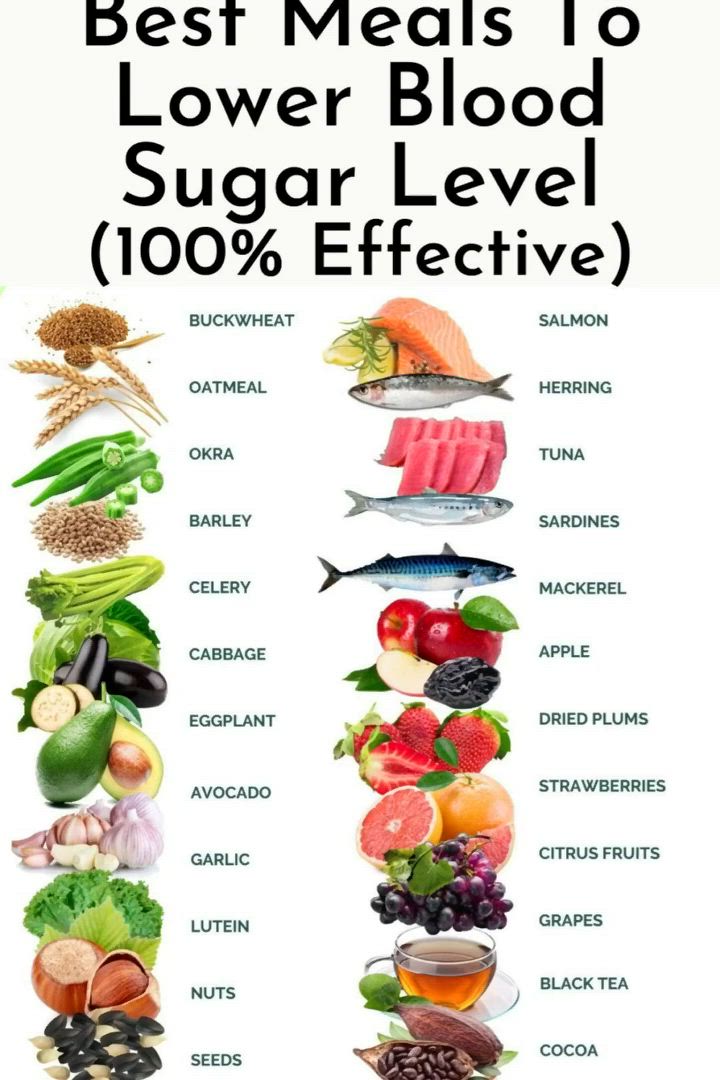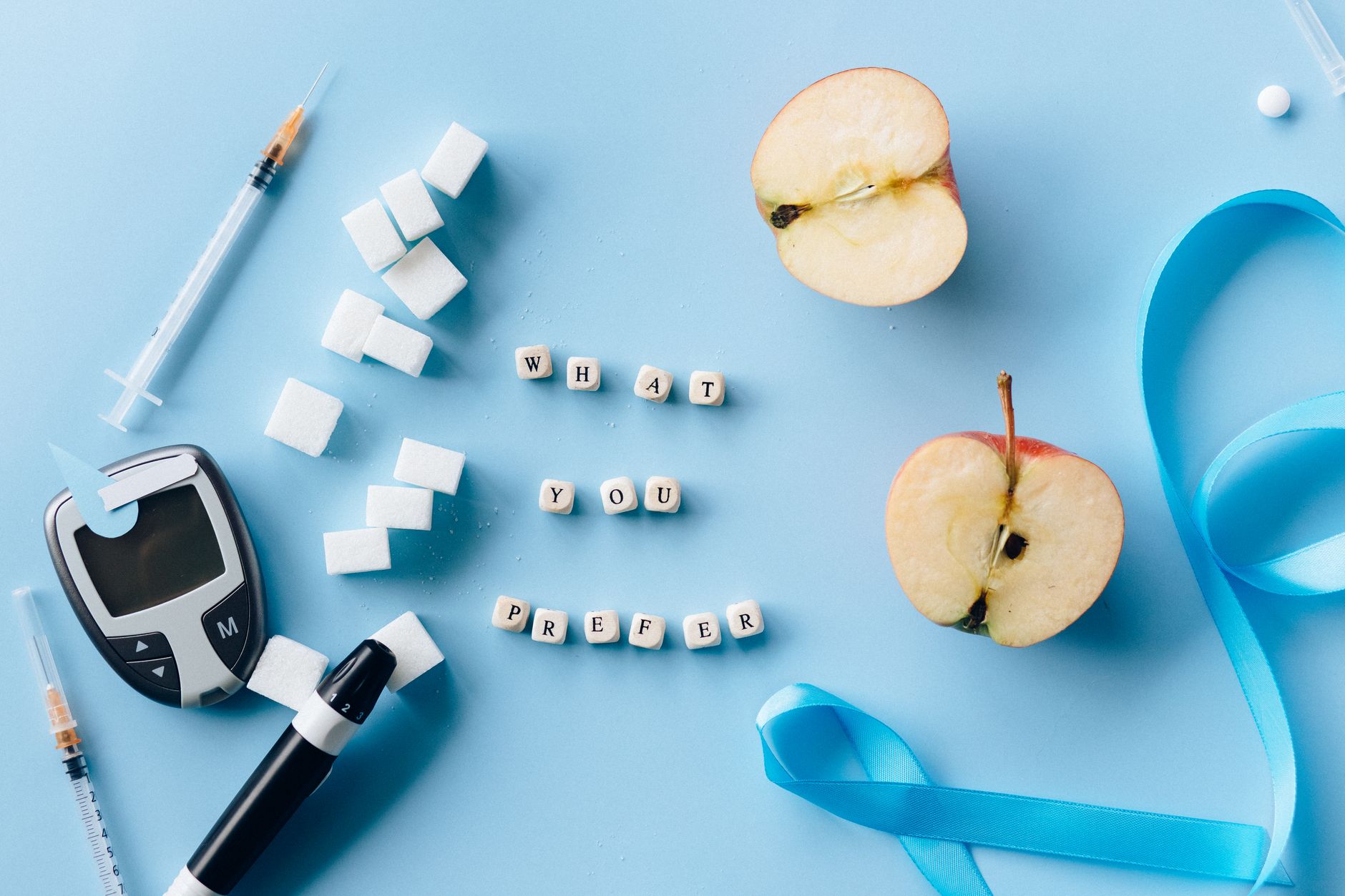
Gaining weight as a diabetic can be tricky. Your body needs extra calories, but not at the cost of spiking blood sugar. So, what foods can help a diabetic gain weight that wont throw your glucose levels out of balance? The key lies in choosing nutrient-dense, balanced options packed with healthy fats, quality protein, and slow-digesting carbohydrates. This guide will share practical, tasty ideas you can use daily.
Key Foods for Weight Gain
| Prep time | Total time | Servings | Calories | Diet tags |
|---|---|---|---|---|
| 10 minutes | 30 minutes | 4 | 400-600 per serving | Diabetic-friendly, High Protein, Low GI |
Which High-Protein Foods Support Muscle and Weight Gain in Diabetes?
Protein builds muscle and repairs tissues essential when gaining weight healthily. For diabetics, choosing lean yet calorie-dense protein sources helps add weight without excess fat or sugar. Good options include:
- Chicken breast and thighs (thighs have more fat for calories)
- Salmon and fatty fish (rich in omega-3s)
- Eggs whole eggs for a creamy, nutrient-dense option
- Legumes like lentils and chickpeas that combine protein with fiber
- Greek yogurt or full-fat cottage cheese, which offer protein and fat together
- Nuts and seeds, great for snacking or adding crunch
Combining these in your meals ensures steady muscle gain without blood sugar spikes. For example, a midday snack of Greek yogurt mixed with crushed almonds can be creamy, crunchy, and filling.
What Healthy Fats Increase Calories Safely?
Incorporating healthy fats is one of the best ways to boost calories without affecting blood sugar adversely. Try these in your daily diet:
- Avocados creamy and rich in monounsaturated fats
- Olive oil drizzle on salads or cooked veggies
- Nut butters like almond or peanut butter (unsweetened)
- Full-cream dairy like cheese and cream, which offer both fat and protein
- Chia and flaxseeds for omega-3s and fiber
Adding 12 tablespoons of olive oil to roasted vegetables or spreading nut butter on whole grain toast sneaks in extra calories and flavor, balancing blood sugar control with energy needs.
How to Include Energy-Dense Carbs Safely?
Carbohydrates often get a bad rap in diabetes, but smart choices with portion control can provide energy and help weight gain. Focus on low glycemic index (GI) carbs that digest slowly:
- Whole grains such as quinoa, barley, and steel-cut oats
- Legumes like black beans and lentils, which also add protein
- Fruits rich in fiber, especially berries and green apples
- Sweet potatoes and squash, offering vitamins and complex carbs
Remember, portion size is vital. Smaller servings spaced throughout the day prevent blood sugar spikes, making these carbohydrates excellent options for adding bulk and calories.
Meals and Preparation Tips
Simple, Effective Meal Ideas
Combining protein, fats, and controlled carbs is the foundation of each meal. Here are a few easy recipes to try:
- Breakfast: Scrambled eggs cooked with olive oil, a slice of whole grain toast spread with natural almond butter, and fresh berries.
- Lunch: Grilled salmon with quinoa and roasted avocado-tossed salad drizzled with olive oil.
- Snack: Full-fat Greek yogurt mixed with walnuts and a sprinkle of cinnamon.
- Dinner: Chicken thigh curry with lentils served with steamed greens and a small portion of brown rice.
These meals are balanced, with creamy, crunchy, and savory elements, supporting steady calorie intake and blood sugar control.
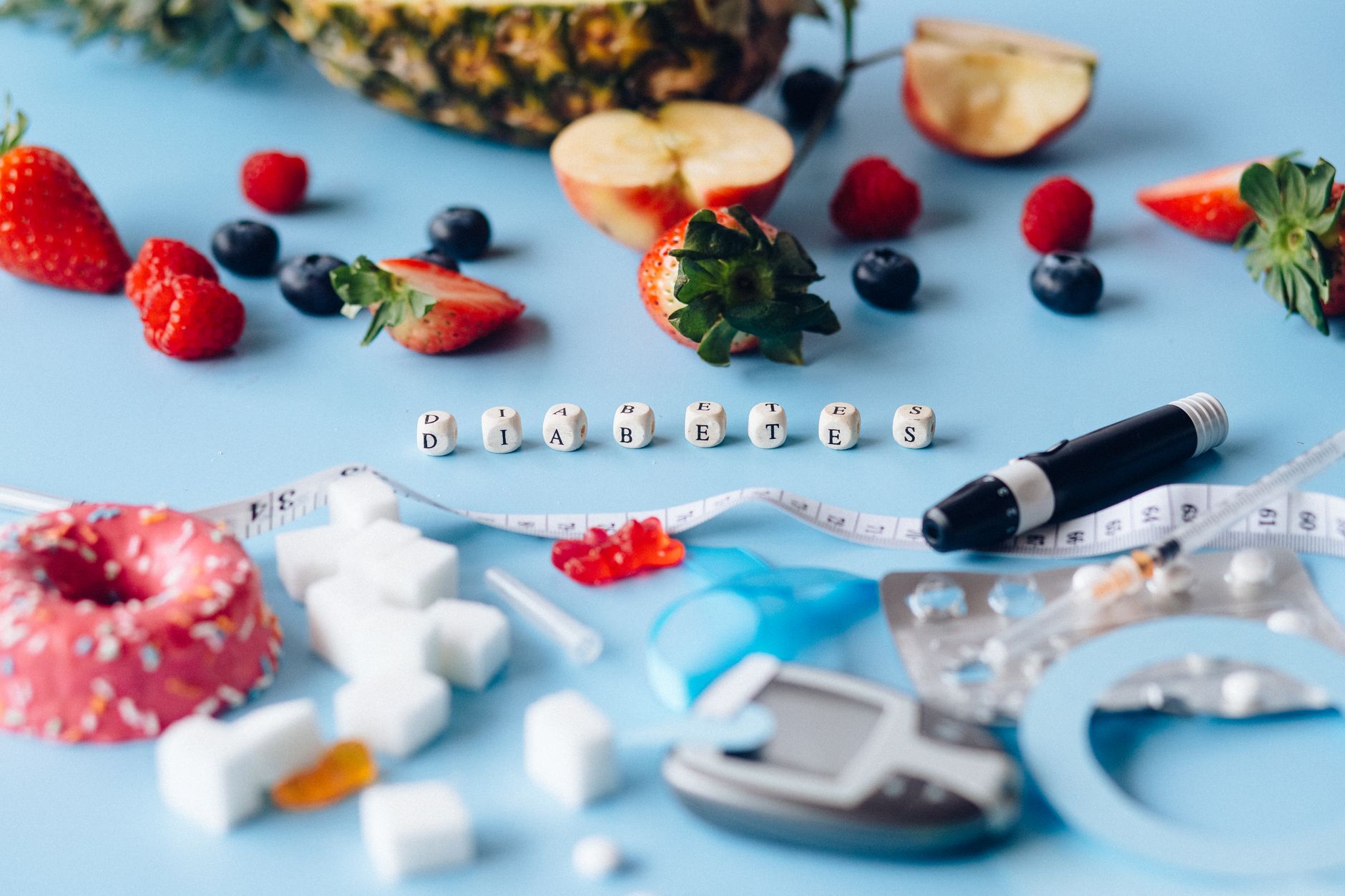
Adding Calories Without Spike
You can easily boost your calories by incorporating extras like:
- Adding 1 tablespoon of olive oil or melted butter when cooking vegetables
- Sprinkling grated cheese over your meals, such as the Hot potato chips with blue cheese sauce recipe 1945851 style cheese pairings
- Mixing nut butters into smoothies or on celery sticks
- Using full-fat dairy creams in soups or sauces
This approach packs energy into your meals without relying on sugar-heavy foods.
Common Diabetic Weight Gain Mistakes
Many try to consume sugary or processed snacks to gain weight, but these spike blood sugar and cause fat gain, not muscle. Other slip-ups include:
- Neglecting protein, which slows muscle repair and healthy weight gain
- Ignoring portion control, causing erratic glucose levels
- Skipping healthy fats, which offer essential calories and hormone support
Adjusting for Diabetes Type and Diet
Safe Weight Gain for Type 1 Diabetes
Type 1 diabetics must balance insulin doses carefully. Focus on nutrient-dense, moderate portions of protein, fats, and low-GI carbs. Monitoring blood sugar frequently will help you adjust meals effectively.
Type 2 Diabetes Muscle Building
For type 2, weight gain focuses on adding lean muscle over fat. Incorporate strength training alongside high-protein meals and healthy fats. Consult with a healthcare provider on carb portions; legumes and whole grains are your allies.
Vegan and Vegetarian Options
Plant-based diabetics can gain weight by combining protein-rich foods such as lentils, chickpeas, tofu, and quinoa with nuts and avocado. Careful planning ensures enough calories while keeping blood sugar steady.
Low-Carb Weight Gain Strategy
Following low-carb diets means focusing on fats and proteins. Include avocado, olive oil, fatty fish, and nuts with small amounts of legumes or berries. This minimizes glucose spikes and supports calorie surplus.

Serving and Pairing Tips
Combining Foods for Better Absorption
Pair healthy fats with veggies to boost vitamin absorption. For example, drizzle olive oil over roasted carrots or spinach. Combining protein with fiber-rich carbs also slows glucose release.
Minimizing Blood Sugar Spikes
Eat smaller, balanced meals every 34 hours. Combine fat, protein, and fiber to stabilize blood sugar. Avoid sugary sauces and opt for herb- or spice-based flavors instead.
Healthy Snack Ideas
- Celery sticks with natural peanut butter
- Cheese slices with raw nuts
- Full-fat Greek yogurt with a handful of berries
- Homemade trail mix with pumpkin seeds, almonds, and unsweetened coconut
Storage and Meal Prep Tips
Storing High-Protein Foods
Cooked chicken, fish, and legumes can refrigerate safely for 34 days in airtight containers. Freeze portions for up to 2 months to avoid waste.
Reheating Dairy and Fats
Reheat creamy dishes gently over low heat to prevent separation. Avoid microwaving cheese-heavy meals rapidly; slow reheating helps preserve texture and flavor.
Meal Prepping for the Week
Batch cook quinoa, legumes, and roast meats on Sunday. Store in individual portions for easy assembly. Add fresh veggies and fats like avocado just before eating to maintain brightness and nutrients.
Pro Tips for Weight Gain Success
- Boost flavor and calories: Toast nuts before adding to meals; the natural oils release a nutty aroma that encourages eating.
- Control glycemic load: Pair fruits with nuts or cheese to lower the insulin response and enjoy creamy, sweet-salty combos.
- Protein timing: Spread protein intake throughout the day in moderate portions for better muscle protein synthesis.
- Upgrade meals: Use spices like turmeric with black pepper; a 2023 study in the Journal of Nutritional Biochemistry shows it improves curcumin absorption, offering anti-inflammatory benefits.
- Balance fats: Combine monounsaturated fats (olive oil) with omega-3s (salmon) to support heart health while gaining weight.

When is the best time to eat what foods can help a diabetic gain weight?
The best time is evenly spaced throughout the dayevery 34 hours. Prioritize protein and healthy fats in the morning and evening meals. Snacks with balanced macros help maintain calories without blood sugar spikes.
Can diabetics eat nuts and nut butters daily to gain weight?
Yes, in moderation. Nuts provide healthy fats and protein for calorie-dense snacks. Choose unsweetened nut butters and limit servings to about 12 tablespoons per day to avoid excess calories from fat.
What is the fastest safe way for a diabetic to gain weight?
Focus on nutrient-dense, balanced meals with adequate protein and healthy fats. Avoid sugary processed foods. Combine weight training to build muscle which increases healthy weight gain rates.
How to gain weight without raising blood sugar and cholesterol?
Choose low glycemic carbs and healthy fats from plant and fish sources. Monitor portion sizes and avoid trans fats. Regular physical activity supports heart health while allowing safe weight gain.
Are protein shakes or supplements recommended for diabetics wanting to gain weight?
Whey or plant-based protein shakes without added sugars can help fill calorie gaps. Always check labels for carbohydrates. Consult your dietitian to ensure it fits your meal plan and glucose targets.
How can a skinny diabetic gain weight without gaining fat?
Concentrate on lean proteins and strength training to build muscle mass. Keep processed carbs at bay and add healthy fats gradually. Regular blood sugar management will help avoid fat storage.
Is it okay to use full-cream dairy products when gaining weight with diabetes?
Yes, full-cream dairy can be part of a healthy weight gain diet for diabetics. Its natural fats and proteins support calorie intake without rapidly affecting blood sugar. Choose unsweetened options for best effects.
For tailored high-calorie options, consider trying our sugar free weight gainer for diabetics that balances macros nicely.
More Recipes to Try
If you love rich, creamy flavors, try the Philly cheese steak recipe 2012068 packed with protein and satisfying fats.
For a crunchy, savory snack option that fits diabetic-friendly guidelines, the Hot potato chips with blue cheese sauce recipe 1945851 offers a perfect balance of indulgence and control.
Conclusion
Knowing what foods can help a diabetic gain weight safely transforms your approach to meals. Focus on combining healthy fats, quality protein, and low-GI carbs with portion control. Experiment with these tasty ideas, then share your results or questions below. Your journey to balanced weight gain can be flavorful and satisfying.
FAQs
When is the best time to eat what foods can help a diabetic gain weight?
The best time is to space meals evenly every 3 to 4 hours throughout the day. Prioritize protein and healthy fats in morning and evening meals, with balanced snacks in between to maintain calories without blood sugar spikes.
Can diabetics eat nuts and nut butters daily to gain weight?
Yes, nuts and unsweetened nut butters can be eaten daily in moderation. They provide healthy fats and protein, great for calorie-dense snacks. Limit intake to about 1-2 tablespoons of nut butter daily to avoid excessive fat calories.
What is the fastest safe way for a diabetic to gain weight?
Focus on nutrient-dense meals rich in protein and healthy fats, avoid sugary processed foods, and combine this with strength training to build muscle for healthy and safe weight gain.
How to gain weight without raising blood sugar and cholesterol?
Choose low glycemic index carbs and healthy fats from plant or fish sources, control portion sizes, avoid trans fats, and maintain regular physical activity to support heart health and steady weight gain.
Are protein shakes or supplements recommended for diabetics wanting to gain weight?
Yes, whey or plant-based protein shakes without added sugars can help fill calorie gaps. Always check for carb content and consult a dietitian to ensure they fit your meal plan and blood sugar goals.