Quick Answer
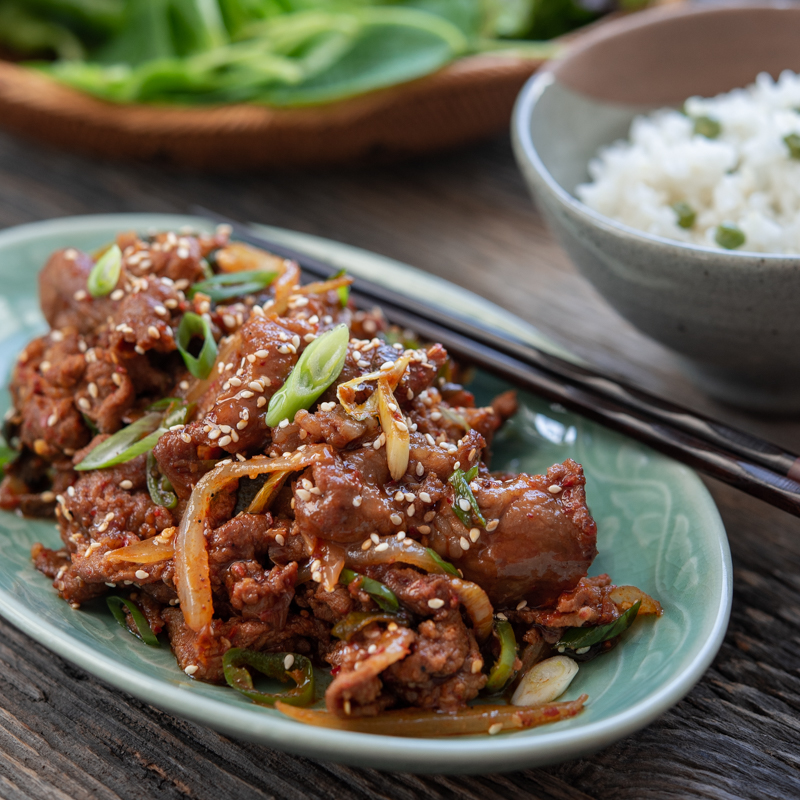
If you want a mouthwatering Korean pork recipe thats ready in under 30 minutes, slice pork thin, marinate it for just 15 minutes in a gochujangbased sauce, then stirfry on high heat until it caramelizes. Finish with a drizzle of sesame oil, a sprinkle of toasted sesame seeds, and a handful of scallions. Youve just nailed authentic Korean pork bulgogi without the fuss.
Essential Ingredients
Core Ingredients
Heres the minimalist pantry list for the classic version. All you really need are a few staples that you probably already have.
- Thinly sliced pork shoulder or pork belly (about lb)
- Gochujang (Korean redpepper paste) cup
- Soy sauce 2Tbsp
- Ricewine (mirin) or dry sherry 1Tbsp
- Brown sugar 1Tbsp
- Minced garlic 2cloves
- Grated ginger 1tsp
- Sesame oil 1tsp
- Toasted sesame seeds & sliced scallions for garnish
Ingredient Substitutions
| Korean Ingredient | U.S. Alternative | Flavor Impact |
|---|---|---|
| Gochujang | Storebought gochujang or a mix of miso + chili paste | Still spicy, slight umami shift |
| Korean pear | Bosc pear, grated | Retains natural sweetness |
| Korean rice wine | Dry sherry or mirin | Similar acidity and aroma |
StepbyStep Guide
1 Prep the Marinade
In a bowl, whisk together gochujang, soy sauce, ricewine, brown sugar, garlic, and ginger. The mixture should be glossy and slightly thick. According to a seasoned Korean chef, A quick whisk ensures the sugar dissolves fully, giving the pork a smooth, even glaze.
2 Marinate the Pork
Drop the thin pork strips into the bowl, toss to coat every piece, then cover and refrigerate for 15minutes. If youre in a hurry, even a 5minute rest will impart enough flavor, but the 15minute window strikes the perfect balance between speed and taste.
3 Heat the Wok
Place a wok or large skillet over high heat and add a splash of a highsmokepoint oil (sesame or grapeseed work well). Let the oil shimmerif it starts to ripple, youre ready.
4 StirFry and Caramelize
Spread the pork in a single layer. Resist the urge to stir immediately; let it sit for about 30seconds to develop that signature caramelized edge. Then, toss everything together and cook for another 57minutes, until the pork is cooked through and the sauce clings to each slice.
5 Finish and Serve
Turn off the heat, drizzle the remaining teaspoon of sesame oil, and toss in the toasted sesame seeds and scallions. Serve hot with steamed rice, kimchi, or wrap the meat in lettuce leaves for a fresh bite. For more plating and serving ideas that pair well with this dish, see this traditional dweji-bulgogi guide.
Variations & Adaptations
Korean Pork Recipe Filipino Style
Blend soy sauce, calamansi juice, and a touch of banana ketchup into the marinade. The citrusy tang and subtle sweetness echo the flavors of adobo, creating a crosscultural feast thats surprisingly harmonious.
NonSpicy Korean Pork Recipe
Swap the gochujang for a simple soygarlicsesame glazejust soy sauce, minced garlic, a dash of honey, and a pinch of black pepper. The result is a milder dish that still carries the umami depth of the original.
Easy Korean Pork Recipes (5Ingredient Version)
When time is tight, combine pork, gochujang, honey, sesame oil, and green onions. Toss everything in a pan and you have a quick, satisfying meal that still feels authentic.
Best Korean Pork Recipe RoundUp
For the adventurous, check out curated lists from and . These sites regularly feature the best Korean pork recipe variations and are trusted by foodies worldwide.
Common Mistakes
Too Thick Slices
If the pork is cut too thick, the center stays raw while the edges burn. A handy trick: lightly freeze the meat for 30minutes, then slice with a sharp knife. The meat firms up just enough for clean, even cuts.
OverMarinating
Long marination can break down the protein and make the texture mushy. Stick to the 15minute window for thin slices; for thicker cuts, a maximum of 30minutes is safe.
Low Heat Cooking
Cooking on medium or low heat steams the pork instead of searing it, leaving the sauce watery. Always preheat the wok until its smoking, then add the oilthis guarantees that coveted caramelized glaze.
Nutrition & Benefits
Nutrition Snapshot
| Component | Amount (per 100g) |
|---|---|
| Calories | 210kcal |
| Protein | 18g |
| Fat | 12g |
| Sodium* | 620mg |
*Values based on USDA FoodData Central.
Health Benefits
Pork is a solid source of highquality protein, iron, and Bvitamins that support energy metabolism. Coupled with the antioxidantrich gochujang (made from fermented chili), this dish delivers a subtle immune boost.
Risks & Balancing
The sodium content is a bit high, especially if you use regular soy sauce. Opt for lowsodium soy sauce or rinse the pork briefly after marinating to cut the sodium by up to 30%. The recommend keeping daily sodium under 2,300mg, so a modest portion fits nicely into a balanced diet.
Trusted Sources
When youre ready to dive deeper, these authoritative sites offer detailed recipes, cultural context, and expert tips:
- Beyond Kimchee Spicy Pork Bulgogi (Jeyuk Bokkeum)
- Korean Bapsang Traditional DwejiBulgogi instructions
- Maangchi Stepbystep video tutorials
- Serious Eats Insightful breakdown of Korean marinades
- The Kitchn Creative twists on pork belly
Wrap Up Summary
There you have ita friendly, straightforward Korean pork recipe that delivers the bold flavors of bulgogi without demanding hours in the kitchen. By mastering the quick marinate, highheat stirfry, and finishing touches, you can serve up a dish that feels both authentic and adaptable. Whether youre craving the classic spicy kick, a gentler nonspicy version, or a playful Filipinostyle remix, the foundation stays the same: good pork, a punch of gochujang, and a dash of love. Give it a try tonight, experiment with the variations, and let us know which twist became your family favorite. Happy cooking!
FAQs
What cut of pork works best for Korean pork bulgogi?
Thinly sliced pork shoulder or pork belly are ideal—they’re tender enough for quick cooking and absorb the spicy gochujang glaze beautifully.
Can I use a different chili paste if I can’t find gochujang?
Yes. Mix Korean red pepper flakes (gochugaru) with a bit of miso or tomato paste and a splash of sugar to approximate gochujang’s sweet‑spicy flavor.
How long should I marinate the pork for maximum flavor?
Because the pork is sliced thin, a 15‑minute rest at room temperature is perfect; it lets the sauce coat the meat without making it mushy.
What’s the best oil for high‑heat stir‑frying this dish?
Use a high smoke‑point oil such as grapeseed, canola, or a light sesame oil to achieve a quick sear and caramelized edges.
How can I reduce the sodium content in this recipe?
Swap regular soy sauce for low‑sodium soy sauce, or rinse the pork briefly after marinating to wash away excess salt before cooking.