Most people dont realize you can whip up restaurantlevel Korean chicken noodles spicy in under 20minutes with just a handful of pantry staples. Below is the fastest, most flavorpacked gochujangchicken noodle guideno fuss, pure heat and comfort.
Quick Overview
What is Korean chicken noodles spicy?
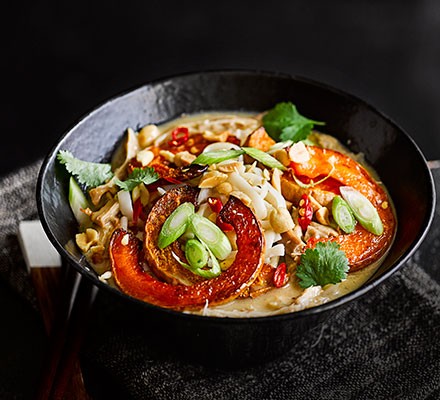
Its a hearty bowl where tender chicken meets chewy noodles, all drenched in a glossy, mildly fermented chili paste called gochujang. The dish balances sweet, salty, and umami notes while delivering a satisfying kick that makes your taste buds do a little dance.
Why gochujang is the secret sauce star
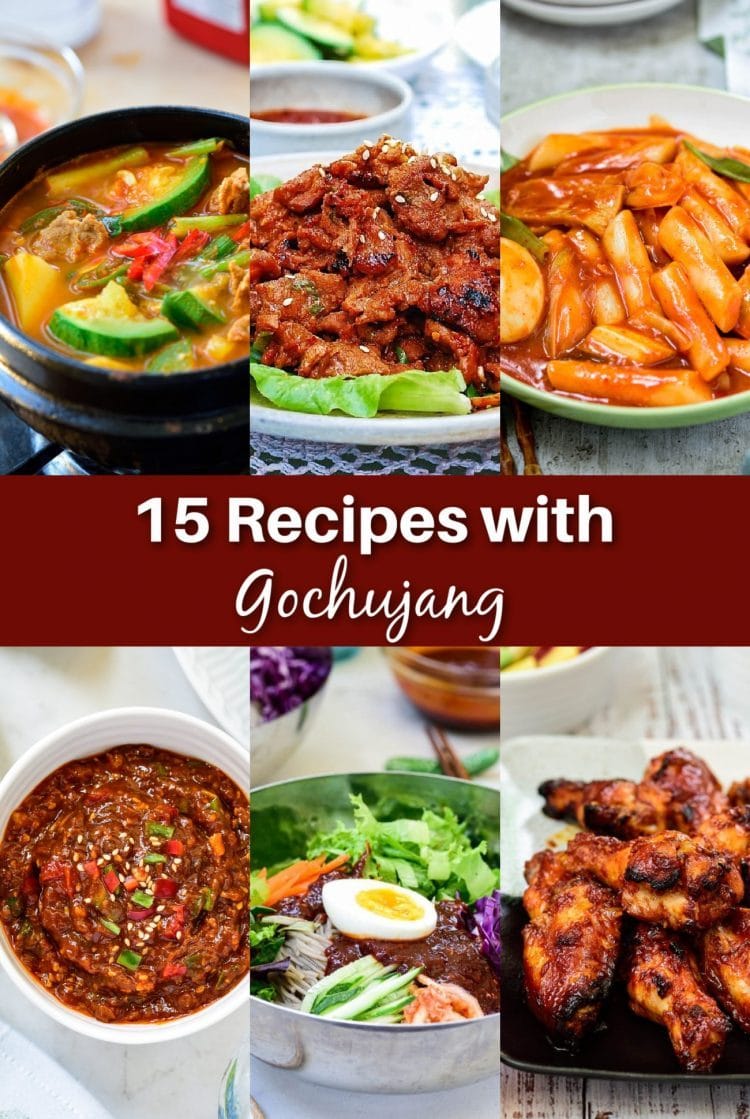
Gochujang isnt just another hot sauce; its a fermented blend of red chili, glutinous rice, soybeans, and salt. The fermentation adds depth, a faint sweetness, and a lingering heat that ordinary chili flakes cant match. This is the backbone of any authentic korean chicken noodles recipe.
Quick fact box
| Prep Time | Cook Time | Servings |
|---|---|---|
| 5minutes | 15minutes | 24 people |
Ingredient List
Main pantry items
- 2boneless chicken thighs or breasts, cut into bitesize pieces
- 200g wheat or egg noodles (spaghetti works in a pinch)
- 2Tbsp gochujang (look for premium for richer flavor)
- 1Tbsp soy sauce
- 1Tbsp sesame oil
- 1tsp honey or brown sugar
- 2cloves garlic, minced
- 1tsp fresh ginger, grated
- cup roasted peanuts, roughly chopped
- 2spring onions, sliced thin
Optional upgrades
If youre feeling adventurous, add sliced bell peppers, shredded carrots, or a handful of kimchi for extra crunch. For a lighter version, swap wheat noodles for rice noodles or shirataki.
Instant vs. Homemade Comparison
| Aspect | Spicy Chicken Noodles Instant | MadefromScratch |
|---|---|---|
| Price (per serving) | $1.20 | $3.50 |
| Prep Time | 2min | 5min |
| Flavor Depth | Basic | Complex & customizable |
| Nutrition | High sodium, low protein | Balanced protein, lower sodium |
StepbyStep Recipe
1 Marinate the chicken
In a bowl, whisk together gochujang, soy sauce, honey, sesame oil, garlic, and ginger. Toss the chicken pieces, let them soak for 5minutes while you bring a pot of water to a boil. This short marination infuses the meat with that signature Korean heat.
2 Cook the noodles
Drop the noodles into the boiling water, stir occasionally, and cook until aldenteusually 78minutes. Drain, rinse briefly under cold water, and set aside. Keeping the noodles slightly firm prevents them from turning mushy once they meet the sauce.
3 Build the sauce
In the same pan youll cook the chicken, add a splash of chicken broth (or water) and the remaining gochujangmarinade. Let it simmer for 2minutes, then stir in a spoonful of peanut butter for a velvety finish. If the sauce feels too thick, thin it with a little reserved noodle water.
4 Assemble the bowl
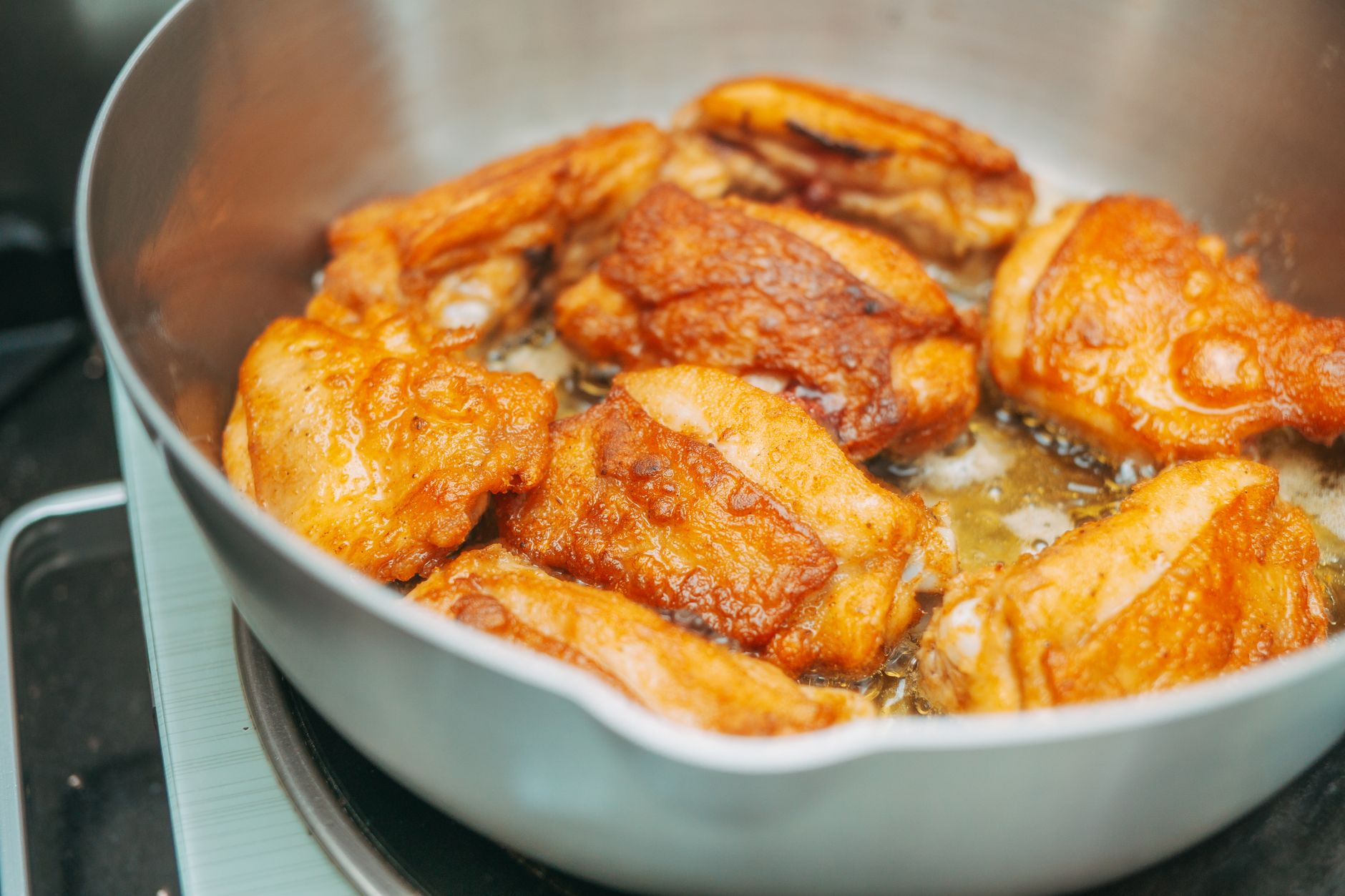
Heat a drizzle of sesame oil over mediumhigh heat, add the marinated chicken, and sear until golden and cooked through, about 68minutes. Toss the cooked noodles into the pan, coat them with the sauce, then sprinkle peanuts and spring onions on top. A final drizzle of sesame oil adds shine and aroma.
Pro tip from a Korean chef
Finish every noodle dish with a whisper of toasted sesame oil, says Chef Minsoo Lee, a veteran of Seouls street food scene. It adds a subtle nuttiness that elevates the whole bowl.
Variations & Swaps
Vegan/vegetarian swap
Replace chicken with firm tofu cubes and use vegetable broth instead of chicken broth. Add mushroom ink (the liquid from sauted shiitake) for an earthy umami boost.
Glutenfree noodles
Rice noodles or shirataki work perfectly; just give them a quick rinse after cooking to remove excess starch.
Heat level control
For a mild kick, halve the gochujang and add a splash of ricevinegar. Crank it up to firebreather by doubling the paste and tossing in a pinch of gochugaru (Korean red pepper flakes). According to a study published in the Nutrition Journal, capsaicin (the compound behind the heat) can boost metabolism for up to 2hours after a spicy meal.
Health Benefits & Risks
Metabolism boost
Capsaicin is known to increase thermogenesis, helping the body burn a few extra calories after a spicy meal. Gochujang also contributes probiotics from fermentation, which support gut health.
Sodium and sugar watch
Traditional gochujang can be salty, and the honey or sugar in the sauce adds quick carbs. If youre watching blood pressure, opt for lowsodium soy sauce and reduce the sweetener. The dish still delivers flavor without the overload.
Risk box
People with sensitive stomachs, GERD, or high blood pressure should moderate the spice and sodium. Simple swapsusing lowsodium broth and a milder chili pastemake the dish safer while keeping most of its character.
Troubleshooting Tips
Noodles stick together?
Rinse them with cold water right after draining and toss with a teaspoon of oil. This creates a thin barrier that prevents clumping.
Sauce too thick?
Add a splash of the reserved noodle water or extra broth, a tablespoon at a time, until it reaches a glossy, pourable consistency.
Not spicy enough?
Stir in a dash of extra gochujang, a pinch of gochugaru, or a few drops of sriracha. Taste as you gospice is personal!
Where to Buy
Grocery list
Most Asian supermarkets carry gochujang, kimchi, and Korean noodles. If youre in a city without a dedicated Asian market, large chains like Walmart or Target often stock Korean Chili Paste in the international aisle.
Online options
Amazon offers a variety of gochujang brands; look for Sempio or Chung Jung One for authentic flavor. For a quick fix, you can also buy Samyangs Buldak (spicy chicken noodles instant) online, though it lacks the fresh chicken component of a homemade bowl.
Storage & Leftovers
Refrigerator life
Store the noodles, sauce, and chicken in separate airtight containers. Together they keep well for 34days. Reheat gently in a skillet with a splash of broth to revive the sauces silkiness.
Freezing tips
Freeze the cooked chicken and sauce together; keep noodles separate to avoid sogginess. When ready to eat, thaw in the fridge overnight, then toss everything in a hot pan for a freshasday experience.
Leftover makeover
Turn any leftover chickennoodle mix into a comforting korean chicken noodles soup. Add broth, a handful of bok choy, and a softboiled egg for a quick, warming meal.
Conclusion
In just 20minutes you can transform basic pantry staples into the bold, comforting bowl of Korean chicken noodles spicy that restaurants charge for. Whether you crank up the heat with extra gochujang or keep it gentle for a weekday dinner, the recipe is adaptable, nutritious, and deeply satisfying. Remember the key tricksmarinate the chicken, keep the noodles aldente, and finish with toasted peanuts for crunch. Give it a try, tweak the spice to your taste, and let us know how you made it your own. Happy cooking!
FAQs
What ingredients do I need for Korean chicken noodles spicy?
You’ll need chicken thighs or breasts, wheat or egg noodles, gochujang, soy sauce, sesame oil, honey or brown sugar, garlic, ginger, peanuts, and spring onions.
How long does it take to prepare and cook this dish?
The recipe is designed for speed: about 5 minutes to prep and 15 minutes to cook, so you can have a hot bowl in roughly 20 minutes.
Can I make Korean chicken noodles spicy gluten‑free or vegan?
Yes—swap wheat noodles for rice or shirataki noodles for a gluten‑free version, and replace the chicken with firm tofu and use vegetable broth for a vegan alternative.
How can I adjust the heat level to my taste?
Reduce the gochujang by half for mild heat, or double it and add a pinch of gochugaru (Korean red‑pepper flakes) for an extra‑spicy kick.
What’s the best way to store leftovers?
Keep the noodles, sauce, and chicken in separate airtight containers in the fridge for up to 3‑4 days. Reheat gently in a skillet with a splash of broth.