Hey there! If youve ever wondered whether that lunchtime sandwich is secretly plotting a sugar spike, youre in the right place. Ill give you the straightup answer first, then walk through the whys and hows, all while keeping the chat friendly and useful.
Quick answer: A typical slice of white or wholewheat bread (about 1520g of carbs) can lift your blood glucose 1025 mg/dL within the next halfhour to an hour. Pair it with a bit of protein or fat and the rise usually softens to around 515 mg/dL.
Now that weve cut to the chase, lets dig deeper so you can make the best choices for your body and your meals.
Science Behind Spike
What carbs in bread turn into glucose?
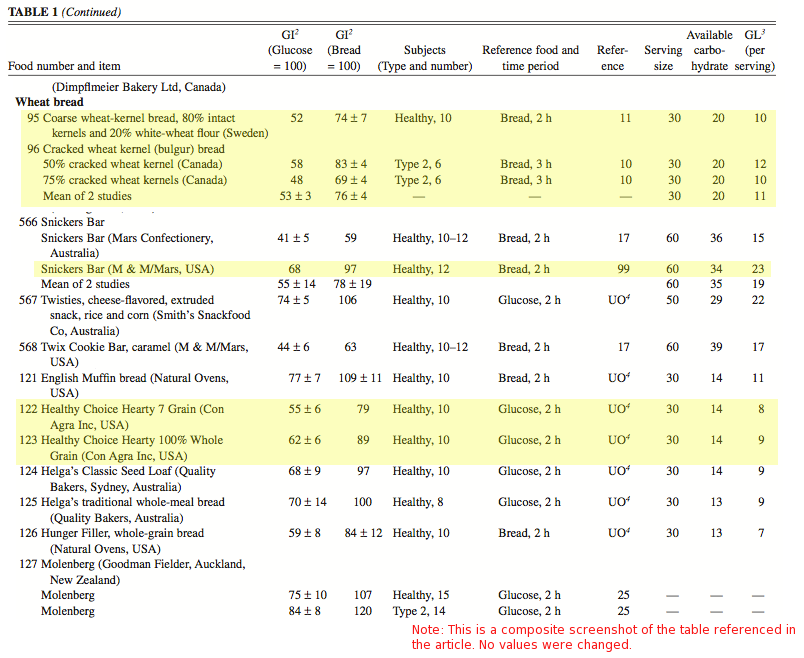
Bread is mostly made of starch, which is a chain of glucose molecules. Your digestive enzymes break those chains down, releasing glucose into your bloodstream. The speed of that process depends on the breads glycemic index (GI). White bread usually sits around a GI of 7075, while wholewheat or brown breads hover closer to 5060. The lower the GI, the slower the glucose appears in your blood.
How fat & protein affect the rise
Adding a slice of cheese, a dab of peanut butter, or even a hardboiled egg changes the game. Fat and protein slow gastric emptying, which means the carbs are released more gradually. The result? A gentler, more manageable glucose bump. Think of it as turning a sudden downpour into a light drizzle.
Individual factors that matter
Everyones response is a little different. Your weight, activity level, insulin sensitivity, and even the time of day can shift the numbers. If youre on medication like metformin, thatll also flatten the peak. Talking to a certified diabetes educator or an endocrinologist can help you figure out your personal carb tolerance. For general guidance on monitoring and managing blood sugar, many people find public health resources helpful for basic recommendations and tracking tips see trusted diabetes guidance for starting points.
Bread Types Impact
White vs. wholewheat vs. brown
| Bread Type | Carbs (g per slice) | Fiber (g) | Typical GI | Estimated Glucose Rise (mg/dL) |
|---|---|---|---|---|
| White | 15 | 0.5 | 7075 | 1825 |
| Wholewheat | 14 | 23 | 5060 | 1218 |
| Brown (often marketed) | 15 | 24 | 5565 | 1420 |
Even though brown bread looks healthier, it often contains a small amount of added sugarusually 13g per slice. That extra sugar can nudge the glucose rise a notch higher.
Does wholewheat raise blood sugar?
Yes, it doesbut the fiber in wholewheat acts like a brake, moderating how quickly glucose hits the bloodstream. So you still see a rise, just a smoother one compared to white bread.
Is sourdough good for diabetics?
Natural fermentation in sourdough can lower the effective GI by a few points, making it a slightly better option. Still, a single slice carries roughly the same carb count, so youll want to pair it with protein or fat for best results.
Slice Limits Diabetics
General recommendations for Type2 diabetes
Most diabetes guidelines suggest counting carbs rather than counting slices. If you aim for a meal carb target of 4560g, one slice (15g carbs) is usually safe, especially when paired with protein.
Wholewheat specific guidance
How many slices of whole wheat bread can a diabetic eat per day? The answer depends on your total carb target. For many folks, 12 slices spread across meals works well. One slice at breakfast, another with a snack, keeps the glucose curve gentle.
Realworld example
Take John, a 58yearold with type 2 diabetes. He eats a slice of wholewheat toast with two scrambled eggs every morning. His postmeal glucose climbs just 8 mg/dL, staying well within his doctor's goal range. He saves the rest of his carb allowance for veggies and a modest fruit serving later in the day.
Better Bread Choices
Lowcarb, highfiber alternatives
If you love the feel of bread but want a milder impact, look for breads made with oat betaglucan, chia, or flaxseed. These options often contain 58g of carbs per slice and boast a GI under 40, meaning the glucose rise can be as low as 510 mg/dL.
Good substitutes for bread (diabetics)
Sometimes skipping the loaf is the easiest path. Try lettuce wraps, portobello mushroom buns, cloud bread (made from egg whites), or sproutedgrain tortillas. All of these give you the handheld convenience without the carbohydrate load.
How to read labels for hidden sugars
When youre scanning the back of the package, watch for words like sucrose, highfructose corn syrup, maltodextrin, or organic cane sugar. Even brown rice syrup adds carbs you might not expect.
Practical Blood Sugar Tips
Pair bread with protein or fat
Think of your plate as a team. A slice of toast with avocado, a smear of almond butter, or a side of cottage cheese provides the protein/fat shield that slows sugar absorption. Its the culinary version of a speed bump.
Portion control hacks
Use a kitchen scale or simply fold the slice in half and treat it as a minislice. Many grocery stores now sell minirolls that are naturally portioncontrolled, making it easier to stay on track.
Timing matters
Eating a carbrich slice after a brisk walk or light workout can actually be beneficial your muscles are hungry for glucose, so the spike is used for energy rather than stored as fat. Conversely, a slice on an empty stomach can cause a sharper peak.
Building Trust EEAT
All the advice above draws on reputable sources like clinical guidance and peerreviewed nutrition research. If you ever feel unsure, reach out to a registered dietitian, an endocrinologist, or your primary care provider. Their expertise will tailor the general numbers here to fit your unique lifestyle. For basic public health recommendations related to diabetes care and prevention, check authoritative guidance from public health experts.
Remember, the goal isnt to ban bread foreverits to understand how each slice interacts with your body so you can enjoy it without the surprise sugar surge.
Conclusion
In a nutshell, a single slice of bread typically nudges blood glucose up by 1025 mg/dL, but the exact rise depends on the type of bread, its fiber content, and what you eat alongside it. By choosing wholewheat or lowcarb alternatives, pairing with protein or fat, and keeping an eye on portion size, you can keep those spikes gentle and manageable. Have you tried any of these tricks? Share what works for you, and lets keep each other motivated on the road to balanced blood sugar.
FAQs
How long does the blood sugar rise after eating a slice of bread?
The peak usually occurs 30‑60 minutes after the bread is consumed, then gradually returns to baseline within 2‑3 hours.
What factors influence how high the spike will be?
Type of bread (white vs. whole‑wheat), its glycemic index, fiber content, and what you eat with it (protein, fat) all affect the magnitude of the rise.
Is whole‑wheat bread a better choice for diabetics?
Whole‑wheat contains more fiber, which slows glucose absorption, so it typically causes a gentler rise than white bread, though it still raises blood sugar.
Can pairing bread with protein or fat reduce the blood‑sugar increase?
Yes. Adding protein or healthy fat delays gastric emptying, flattening and prolonging the glucose curve for a smaller overall spike.
How many slices of bread can a diabetic safely eat per day?
It depends on the individual’s total carbohydrate allowance. Most guidelines recommend treating one slice (≈15 g carbs) as a single carb serving and fitting it into the daily carb budget.