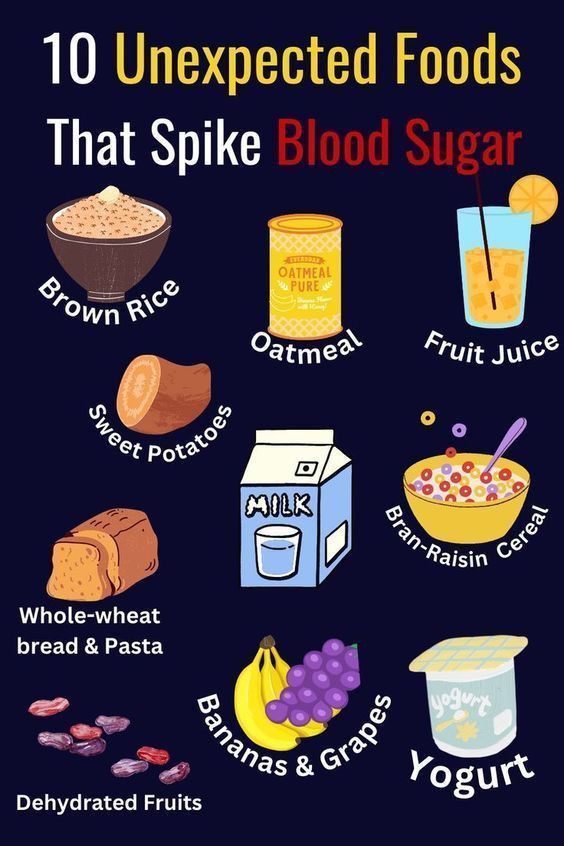
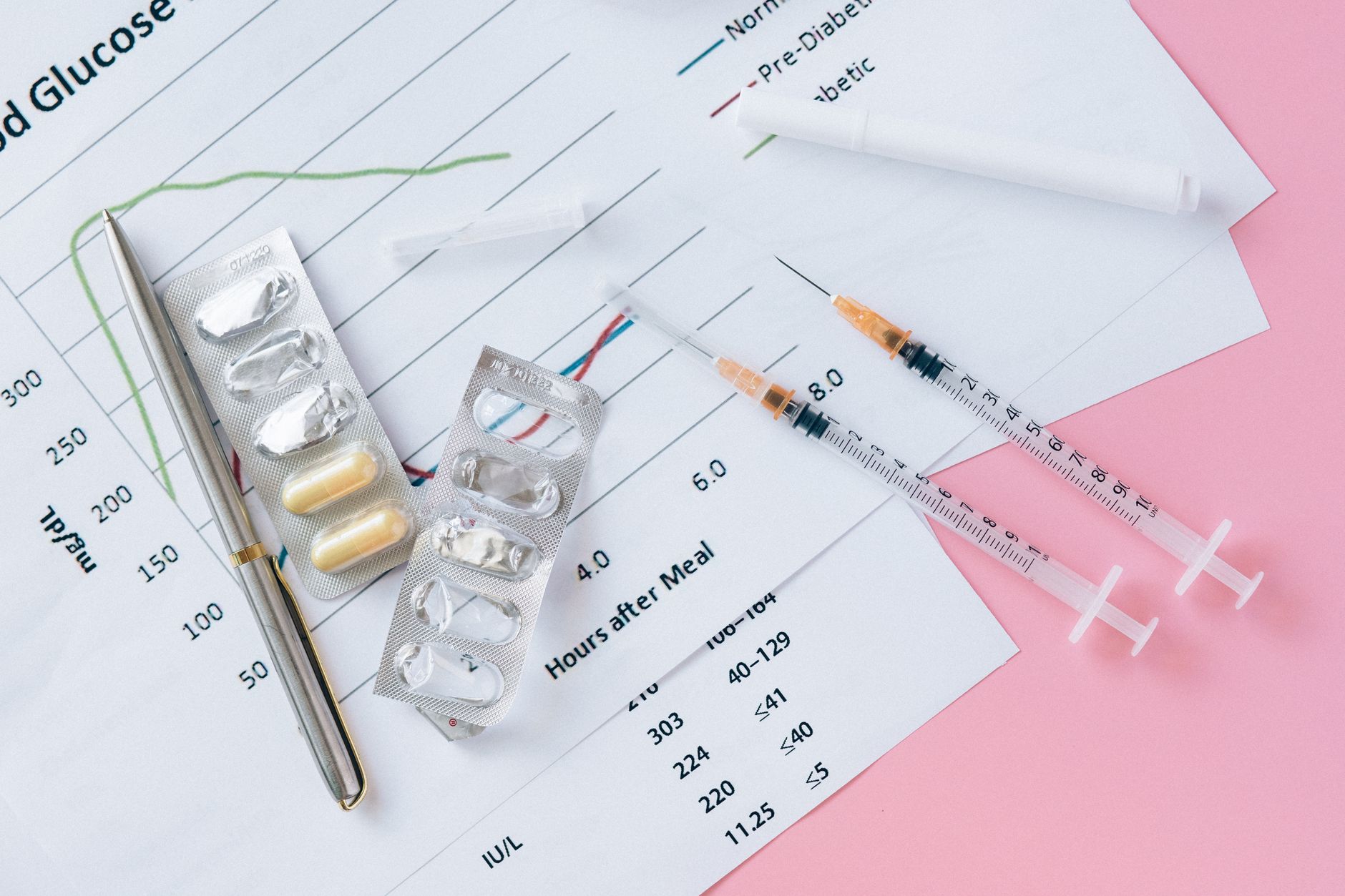
Most people dont realize that a highprotein eating plan can be a gamechanger for managing type2 diabetes. The short answer? When you pick the right protein sources, balance carbs and fats, and keep an eye on portions, you can stabilize blood sugar, curb cravings, and protect muscleall without adding extra risk.
Bottom line: A welldesigned highprotein diet can improve your glycemic control and help you feel fuller longer. The key is choosing the best protein for diabetics, pairing it with fiberrich carbs, and staying mindful of kidney health.
Why Choose Protein
What are the main benefits for type2 diabetes?
Protein slows the absorption of glucose, which means fewer spikes after meals. Studies show that replacing refined carbs with protein can lower A1C by 0.30.5% and reduce overall calorie intake because protein is more satiating. You also preserve lean muscle while losing weighta crucial factor since muscle tissue burns more glucose than fat.
What are the potential risks?
Too much animal protein, especially processed red meat, can raise LDL cholesterol and put extra demand on the kidneys. If you already have kidney disease, youll need to moderate total protein and focus on plantbased options.
How does protein compare to carbs and fat for blood sugar?
Carbs provide quick energy but also cause the fastest rise in blood glucose. Fat has a minimal immediate effect but can slow digestion, making meals feel heavier. Protein offers a middle ground: it provides steady energy, keeps you full, and has a modest impact on glucose when paired with fiber.
Is a highprotein diet right for everyone?
Not necessarily. People with advanced kidney disease, certain metabolic disorders, or those on specific medications should consult a dietitian first. Otherwise, most adults can safely aim for 0.81.0g of protein per kilogram of body weight.
Best Protein Sources
Below is a quick cheatsheet of the most diabetesfriendly proteins. Feel free to swap in your favoritesjust keep the portion sizes in check.
| Source | Protein (g) | Carbs (g) | Fat (g) | Glycemic Impact | DiabetesFriendly Rating |
|---|---|---|---|---|---|
| Skinless chicken breast | 31 | 0 | 3 | Very low | Excellent |
| Salmon (wild) | 25 | 0 | 13 | Very low | Excellent |
| Greek yogurt (plain, lowfat) | 10 | 4 | 0 | Low | Great |
| Lentils (cooked) | 9 | 20 | 0.4 | Lowmoderate | Good |
| Tofu (firm) | 8 | 2 | 5 | Very low | Great |
| Pea protein powder | 20 | 1 | 1 | Very low | Excellent |
Plantbased proteins like tofu, tempeh, and beans bring extra fiber, which further blunts glucose spikes. Fish and seafood add omega3 fatty acids that improve triglyceride levels, a common concern for people with diabetes.
Best meat protein for diabetics
Lean cuts such as turkey breast, pork tenderloin, or grassfed beef sirloin are top picks. Limit processed meats (like bacon or sausages) to no more than once a week and choose versions without added sugars.
Protein shakes for diabetics type2
If you need a quick snack, look for an unsweetened whey isolate or plantbased powder that lists 5g carbs per serving and no artificial sweeteners. Mix with water or unsweetened almond milk, and toss in a handful of berries for flavor.
Building a Meal Plan
Calculate your protein goal
Take your weight in kilograms and multiply by 0.81.0. For a 150lb (68kg) adult, thats roughly 5568g of protein per day. Adjust upward if youre very active or doing resistance training.
Distribute protein across meals
Aim for 2030g of protein at each main meal and 1015g in a snack. This steady dosing helps keep blood sugar stable throughout the day.
Pair protein with fiberrich carbs
Combine chicken with a side of roasted Brussels sprouts, or blend Greek yogurt with fresh berries and a sprinkle of chia seeds. The fiber slows carbohydrate absorption, giving you a smoother glucose curve.
Choose healthy fats
Avocado, olive oil, nuts, and seeds add flavor and keep you satisfied. Keep total fat around 30% of your daily calories to avoid excess calories.
Hydration and kidney health
Drink at least 23L of water daily. If you have any signs of kidney strain (e.g., swelling, fatigue), check your creatinine levels with your doctor.
Monitoring and adjustments
Track your postmeal glucose for 2hours after each new meal pattern. If you see a consistent rise, tweak the carb portion or add more nonstarchy veggies.
Sample 3Day Menu
Day1
- Breakfast: Scrambled eggs (2) with spinach, a slice of wholegrain toast, and a small orange.
- Snack: Greek yogurt (plain) mixed with cup berries.
- Lunch: Grilled salmon salad with mixed greens, cucumber, avocado, and oliveoil vinaigrette.
- Dinner: Turkey meatballs (lean) over zucchini noodles, topped with a lowsugar marinara.
Day2
- Breakfast: Protein shake (pea protein) blended with unsweetened almond milk and a tablespoon of almond butter.
- Snack: A handful of roasted chickpeas.
- Lunch: Chicken breast, quinoa (cup cooked), and roasted broccoli.
- Dinner: Baked cod, sauted kale, and a small sweet potato.
Day3
- Breakfast: Cottage cheese (cup) with sliced peach and a sprinkle of cinnamon.
- Snack: A hardboiled egg and a few baby carrots.
- Lunch: Lentil soup with a side salad dressed in lemonolive oil.
- Dinner: Lean beef stirfry with bell peppers, snap peas, and brown rice (cup).
RealWorld Stories & Expert Insight
Mike, 62, T2D Success Mike was on medication and battling a steady weight gain. After 16weeks of a 30%protein meal plan, his A1C dropped from 8.4% to 6.9%. He credits proteinpacked breakfasts and weekly fish nights for keeping his cravings at bay.
Expert voice Dr. Elena Ruiz, RD, says, Protein should be viewed as a toolnot a silver bullet. Pair it with fiber, keep an eye on kidney function, and customize portions for each person.
| Study | Sample Size | Protein % | Outcome |
|---|---|---|---|
| PMCID6628842 | 120 adults | 30% | A1C 0.4%, weight 3% |
| PubMed31466731 | 85 adults | 25% | Improved HOMAIR, LDL 5% |
| Frontiers2024 | 200 adults | 28% | Satiety 30%, no renal decline |
Practical Tips to Stay on Track
Mealprep hacks
Cook a batch of grilled chicken and quinoa on Sunday, portion into containers with roasted veggies, and youll have lunch ready for the whole week.
Label reading
When buying protein powders, look for 0g added sugar and 5g carbs per serving. Brands that use stevia or monk fruit are generally safer choices for blood sugar.
Dining out
Ask for grilled instead of fried, replace fries with a side salad, and request extra veggies. Most restaurants are happy to accommodate a highprotein request.
Tracking tools
Apps like MyFitnessPal or Sugar Sense let you set a daily protein target and send reminders when youre falling short.
Mindful eating
Put your fork down between bites, chew slowly, and notice when you feel satisfied. This simple habit can prevent overeating and keep your blood sugar smoother.
Bottom Line & Next Steps
Adopting a highprotein diet can be a powerful ally for type2 diabetes when you focus on lean, plantbased, and omega3rich proteins, balance carbs and fats, and monitor kidney health. Use the food lists, mealplanning steps, and monitoring tips above to tailor the approach to your lifestyle. According to the American Diabetes Association, pairing protein with fiberrich carbs is one of the most effective ways to tame postmeal bloodsugar spikes.
Take action today: calculate your protein goal, pick two new protein sources from the table, and log your meals for a week. Notice how your energy, hunger, and glucose numbers respond, then adjust as needed. If youve tried a highprotein plan before, feel free to share what worked (or didnt) in the commentsyour experience could help someone else on the same path.
FAQs
What amount of protein should a person with type 2 diabetes aim for each day?
Most adults with type 2 diabetes benefit from 0.8–1.0 g of protein per kilogram of body weight. For a 70 kg (154 lb) individual, that’s roughly 56–70 g of protein daily, adjusted upward if you’re very active or doing resistance training.
Will a high‑protein diet hurt my kidneys?
In people with normal kidney function, a moderate increase in protein (up to 30 % of calories) is safe. If you have chronic kidney disease, limit total protein and focus on plant‑based sources while monitoring kidney markers with your healthcare provider.
Which protein sources are most diabetes‑friendly?
Lean animal options like skinless chicken, turkey, and wild‑caught fish, plus plant‑based choices such as tofu, tempeh, lentils, and pea protein powders. These foods are low in carbs, high in satiety, and many add beneficial fiber or omega‑3 fats.
How should I spread protein across my meals?
Aim for 20–30 g of protein at each main meal and 10–15 g in a snack. This steady dosing helps blunt post‑meal glucose spikes and keeps you feeling full throughout the day.
Are protein shakes safe for people with type 2 diabetes?
Yes, provided you choose an unsweetened whey isolate or plant‑based powder that contains ≤5 g of carbs per serving and no artificial sweeteners. Mix with water or unsweetened almond milk and add a handful of berries for flavor.