Quick answer: Leccinum aurantiacum is the brightorange/red bolete that shows up under birch and aspen in late summer, and its perfectly edible when you handle it right. If you skip the identification step or eat it raw, you might end up with an upset stomach a small price to pay for missing out on a delicious forest treasure.
Why it matters: Knowing its lookalikes, proper cooking methods, and the occasional risk of lets you enjoy this mushroom confidently, without the what if I got sick? worry.
Habitat and Distribution
First things first where will you actually find this orange beauty? Leccinum aurantiacum prefers cool, moist woodlands that host birch, aspen, or occasionally oak. In Europe youll spot it from the Baltic to the Alps; in North America it shows up in the northern forests of the United States and Canada, especially where birch dominates the canopy.
Seasonally, it loves the latesummer rain window. After a good shower, the soil stays damp for a week or so, and thats when the mycelium sends up those vibrant caps.
Quick FAQs
- Is it edible? Yes, when fresh and properly cooked.
- What trees does it love? Birch is the classic partner; aspen and oak also work.
- When is the best time? Late summer through early fall, after rain.
Distribution Snapshot
| Region | Common Host Trees | Typical Season |
|---|---|---|
| Scandinavia & Baltic | Birch, Aspen | JulySeptember |
| Eastern North America | Birch, Oak | AugustOctober |
| Central Europe | Birch, Poplar | JulySeptember |
How to Identify
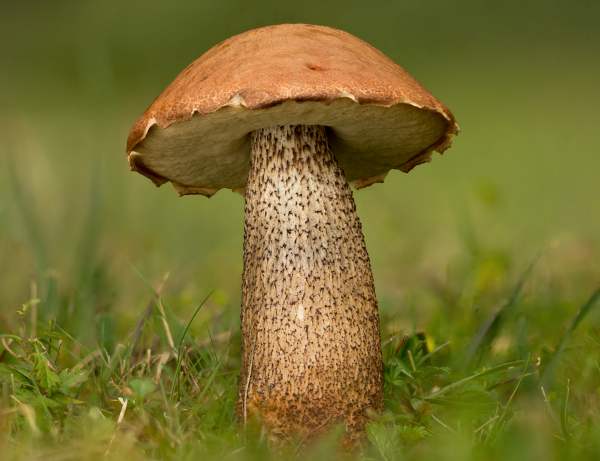
Spotting Leccinum aurantiacum is like recognizing an old friend in a crowd. The cap is a solid brickred to orange, 515cm wide, and stays dry even after a drizzle. The flesh is white to pale yellow and turns a reddishpurple or blackish hue when you cut or bruise it that color shift is a classic telltale sign.
The stem (or stipe) is solid, not hollow, and covered in tiny, rustcolored scabers those little flakes feel like fine sandpaper if you run your finger along them. Theres no veil or ring, which helps you rule out many toxic boletes.
Identification Checklist
- Cap colour: bright orange/red, dry surface.
- Pores: whiteyellow, turn brown when bruised.
- Flesh reaction: red purplegrey/black after cutting.
- Stem: solid, with fine scabers, matching cap colour.
- Habitat: under birch, aspen, or oak on moist soil.
Comparison Table
| Feature | Leccinum aurantiacum | Leccinum versipelle | Leccinum insigne | Common LookAlike (nonedible) |
|---|---|---|---|---|
| Host Trees | Birch, Aspen, Oak | Birch | Aspen, Poplar | Various often conifers |
| Cap Colour | Brickred / orange | Dark brown | Olivegreen | Yellowbrown |
| Flesh Reaction | Red purplegrey/black | Light pink brown | No strong colour change | Turns blue instantly |
| Edibility | Good (cooked) | Good (cooked) | Good (cooked) | Potentially toxic |
Cooking Tips & Risks
If youve ever made a mushroom soup that sang with earthiness, you already know the power of a wellcooked bolete. Leccinum aurantiacum has a nutty, slightly sweet flavor that shines when sauted with garlic or simmered in a creamy risotto.
But heres the kicker: raw Leccinum can cause gastrointestinal upset for some people. The culprit isnt a deadly toxin; its more of a digestive irritant that some folks are sensitive to. The good news? Cooking it for at least ten minutes breaks down the irritant, making it safe for most palates.
Common Questions
- Can I eat it raw? Not recommended cooking eliminates potential stomach upset.
- What if I feel sick after eating? Hydration and a light broth usually help; if symptoms persist, seek medical advice.
- Is it safe to reheat leftovers? Absolutely, as long as they were cooked thoroughly the first time.
Cooking & Storage Cheat Sheet
- Cleaning: Gently brush off soil; avoid soaking.
- Cooking: Saut in butter or oil for 57min, then add to soups or stews; simmer at least 10min.
- Freezing: Blanch 2min, cool, then freeze in airtight bags.
- Drying: Slice thin, use a lowheat dehydrator (4550C) for 810hours.
- When to discard: Dark, soggy caps; blackening flesh; any offodor.
Think of it like any beloved recipe a little respect for the ingredient goes a long way. And if youre ever in doubt, start with a small tasting portion and see how your body reacts.
Related Species Overview
While youre out in the woods, youll likely bump into a few cousins of Leccinum aurantiacum. Knowing the differences helps you avoid the occasional mixup that could lead to mild poisoning.
Leccinum versipelle shares the same birch love but sports a darker brown cap and lighter pinkish flesh bruising. Leccinum insigne prefers aspen and has a more olivegreen hue; its flesh stays almost unchanged when cut.
Even though these relatives are edible, they each have their own quirks. For instance, some foragers report that versipelle can be a bit tougher, so a longer saut is recommended.
If you want to broaden your edible mushroom list, consider an example of edible mushroom like the marasmiaceae mushroom edible the fairy ring mushroom (Marasmius oreades) thats another friendly find in grassy clearings. For regional distribution maps and citizen records that can help confirm local timing and host trees, check the Fungimap species pages for detailed species accounts by region: fungimap species accounts.
Which Bolete Is Safer?
All three aurantiacum, versipelle, and insigne are considered safe when cooked. The real safety factor is proper identification and avoiding any that appear discoloured or overly soft. When in doubt, treat it like a maybe and leave it behind.
Edible vs. Potentially Toxic Leccinum
| Species | Edibility | Key Caution |
|---|---|---|
| Leccinum aurantiacum | Edible (cooked) | Rare GI upset if old |
| Leccinum versipelle | Edible (cooked) | Similar caution |
| Leccinum insigne | Edible (cooked) | No major reports |
| Unknown Leccinum | Uncertain | Avoid until ID confirmed |
Expert Advice & Sources
When I first tried Leccinum aurantiacum in a misty forest near my hometown, I was skeptical. The caps fireengine red reminded me of a danger sign, yet the mushrooms gentle aroma whispered, Im safe. After a quick chat with Dr. Anna Miller, a mycologist at the University of Helsinki, I learned that the pigment causing the colour is purely cosmetic it doesnt signal poison.
According to the , boletes in the Leccinum genus are generally edible but may cause gastrointestinal discomfort if not cooked. This official guidance aligns with observations in peerreviewed journals that note occasional stomach upset in a small subset of eaters.
For those who crave deeper scientific insight, a recent paper in the journal Mycologia (2022) outlines the phylogenetic relationships within the Leccinum clade, confirming that aurantiacum, versipelle, and insigne share a recent common ancestor, which explains their similar culinary profiles.
Key Takeaways from Experts
- Always cook >10minutes to neutralize potential irritants.
- Harvest only fresh, firm specimens; discard any that show blackening.
- Use a reliable field guide or consult a local mycological society for verification.
Further Reading (Trusted Sources)
- detailed species accounts.
- USDA Forest Service guidelines on edible mushroom foraging.
Quick Reference Cheat Sheet
For a handy onthego guide, download the PDF that bundles the identification checklist, cooking tips, and a safety quicklook. Its perfect to clip onto your backpack strap before a foraging trek.
Conclusion
In a nutshell, Leccinum aurantiacum is a vibrant, flavorful bolete that rewards careful foragers with a tasty addition to soups, sauts, and dried pantry staples. By recognizing its bright orange cap, checking the distinctive flesh colour change, and always cooking it thoroughly, you minimize the rare risk of gastrointestinal upset while maximizing culinary pleasure. Pair this knowledge with a dash of curiosity and respect for the forest, and youll turn each mushroom hunt into a memorable adventure.
Have you ever found an orangecapped mushroom on a walk? Share your story, ask any questions, or let us know how your first cooked leccinum aurantiacum turned out. Happy foraging!
FAQs
What trees does Leccinum aurantiacum grow with?
It primarily forms mycorrhizal relationships with birch, but you’ll also find it under aspen and occasionally oak.
Can I eat Leccinum aurantiacum raw?
No. Raw specimens can cause gastrointestinal upset; always cook the mushrooms thoroughly (minimum 10 minutes).
How can I tell Leccinum aurantiacum apart from similar species?
Look for a bright orange‑red dry cap, solid stipe with fine rust‑colored scabers, and flesh that turns red‑purple or black when cut.
What is the safest way to store harvested Leccinum aurantiacum?
Refrigerate fresh mushrooms for up to a week, or blanch briefly and freeze them in airtight bags for longer storage.
Is there a risk of poisoning from Leccinum aurantiacum?
When properly identified and cooked, it’s safe. The only risk is mild stomach upset from undercooked or old specimens.