Short answer: yesyou can enjoy pasta once a week as long as you keep an eye on portion size, pick a fiberrich variety, and pair it with protein, healthy fats, and plenty of veggies.
Why it matters: Pasta is a carbohydrateheavy food, so the way you prepare it and what you eat with it decides whether your blood sugar will surge or stay steady. With a few smart tweaks, you wont have to give up that comforting bowl of spaghetti.
Pasta and Blood Sugar
What happens to glucose when you eat regular pasta?
When you bite into a forkful of traditional wheat pasta, your digestive system breaks the starch down into glucose. That glucose rushes into your bloodstream, prompting your pancreas to release insulin. If you have diabetes, the insulin response may be slower or weaker, which is why carbs get a bad rap.
How long does pasta affect blood sugar?
Most people see a noticeable rise within 30‑45 minutes, and the spike can linger for 2‑3 hours. The exact duration depends on the pastas fiber content and whats on the plate with it. A 2023 study in the Journal of Nutrition found that wholegrain pasta kept postprandial glucose levels about 15% lower than refined pasta over a threehour window.
Can wholegrain or fortified pasta change the timeline?
Absolutely. Wholegrain spaghetti, lentil pasta, or the newer resistantstarch blends have a lower glycemic index (GI) and more fiber, which slows digestion. The result? A gentler rise that often flattens out after the first hour.
| Pasta Type | Carbs (g per cup cooked) | Fiber (g) | GI | Typical Glucose Rise* |
|---|---|---|---|---|
| Refined wheat | 31 | 1.8 | 45‑55 | High, peaks at ~30‑45 min |
| Wholewheat | 29 | 3.5 | 36‑42 | Moderate, peaks later |
| Lentil (red) | 22 | 6.3 | 30‑35 | Low, flatter curve |
| Chickpea | 24 | 5.2 | 32‑38 | Low‑moderate |
*Based on typical postmeal glucose response for adults without medication adjustments.
Portion and Frequency
Whats a safe weekly pasta allowance?
Most diabetes nutrition guidelines suggest a carb budget of 45‑60 grams per main meal. One cup of cooked pasta (about a baseball‑sized serving) falls right in that range, delivering roughly 30‑35 grams of carbs. Pair it with a protein source and a generous side of nonstarchy vegetables, and youre comfortably within the budget.
How to calculate your personal pasta allowance
Everyones insulintocarb ratio differs. If you use a continuous glucose monitor (CGM) or test your blood sugar after meals, youll quickly learn how many carbs your body can handle before it spikes. Write down the amount of pasta you ate, the accompanying sauce, and the resulting glucose reading. Over a week, youll spot a pattern that tells you if once a week is realistic for you.
Realworld example: spaghetti with meat sauce
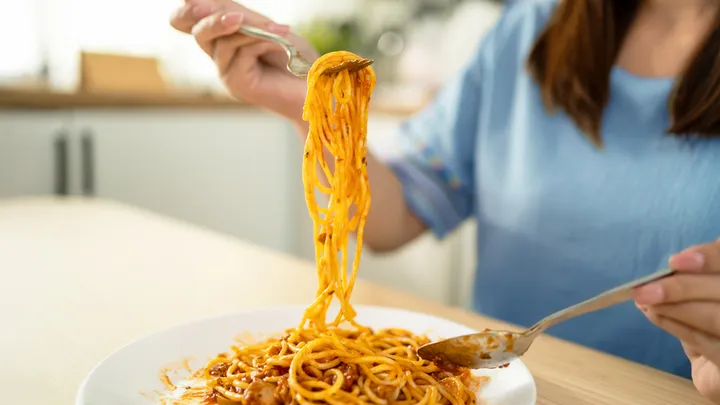
Imagine a classic plate: 1 cup cooked spaghetti (31g carbs), cup of homemade tomato sauce (8g carbs), and 3ounces of lean ground turkey (0g carbs). Total carbs 39gwell inside the 45‑60g target. Add a side salad with olive oil, and youve balanced carbs, protein, and healthy fats in one satisfying meal.
Choosing DiabetesFriendly Pasta
Best real pasta options for diabetics
- Wholewheat spaghetti modest fiber boost, familiar texture.
- Lentil or chickpea pasta high protein, low net carbs.
- Edamame or blackbean pasta extra fiber, vivid color.
- Fortified resistantstarch pasta designed to slow glucose release.
Can diabetics eat pasta sauce?
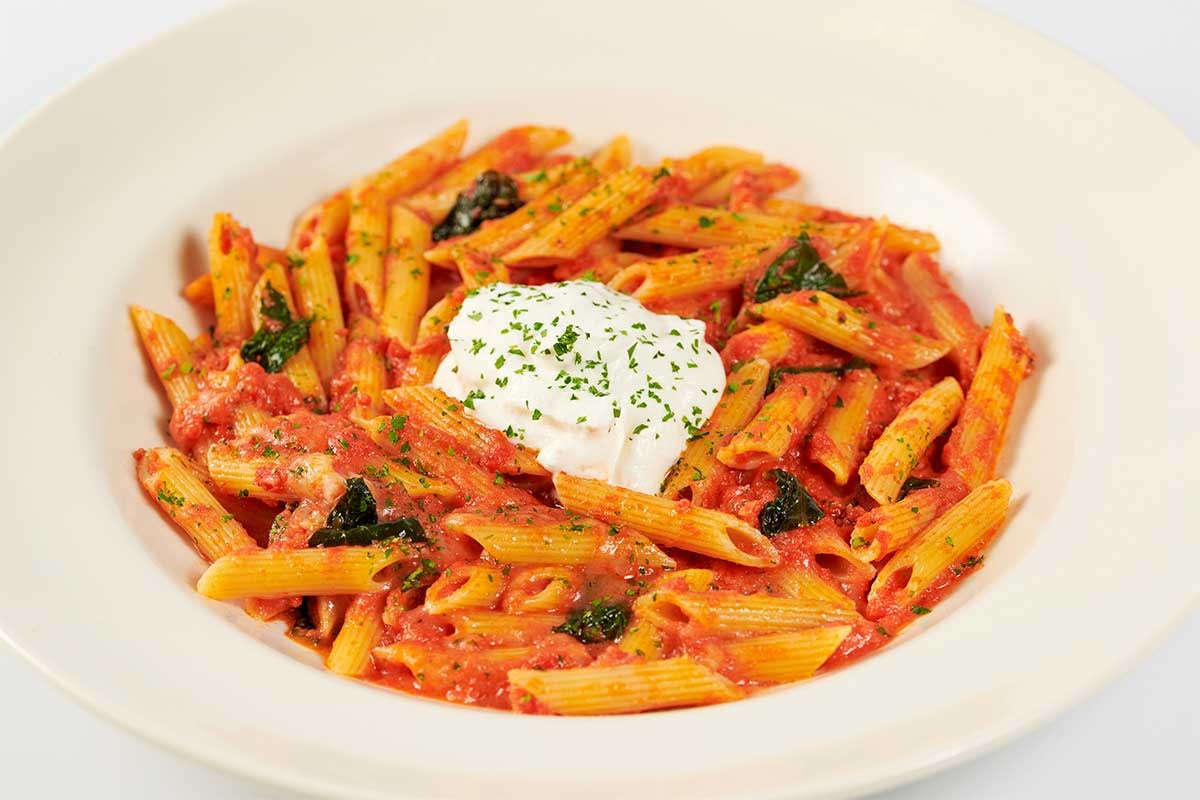
Yes—if you choose sauces without added sugars. A simple marinara made from canned tomatoes, garlic, onion, and a pinch of herbs contains less than 5g of carbs per half‑cup and is a great example of best tomato sauce for diabetics. Avoid sweetened varieties that can sneak in 10‑15g of sugar per serving. If you love creambased sauces, dilute them with half‑and‑half and load up on extra veggies to keep the carb load manageable.
When hunting for ideas, check out our collection of homemade sauces for diabetics. These recipes focus on fresh herbs, low‑glycemic vegetables, and zero added sugar, making it easier to stay within your carb budget.
Still wondering which sauce is good for diabetes? Look for sauces that highlight tomatoes, roasted peppers, or pureed cauliflower as the base, and steer clear of ketchup‑style condiments that often hide hidden sugars.
Can diabetics eat spaghetti and meatballs?
Definitely, as long as the meatballs are lean (turkey, chicken, or a 75%‑lean beef blend) and you watch the portion. Aim for three small meatballs (about 3oz total) and a modest amount of sauce. Toss in a side of roasted broccoli or a mixed green salad, and youve turned a comfort food classic into a balanced plate.
Are egg noodles good for diabetics?
Egg noodles sit somewhere between refined wheat and wholegrain pasta on the carb scale—about 40g carbs per cup. Theyre fine in moderation, but because theyre denser, youll want to keep the serving size below a cup, or pair them with extra fiberrich veggies to offset the carb load.
Can diabetics eat macaroni and cheese?
Traditional boxed macaroni and cheese is a carb and saturatedfat bomb. However, you can reinvent it with wholegrain elbow macaroni, reduced‑fat cheese, and a splash of skim milk. Stir in cauliflower florets or steamed broccoli for added fiber and a sneaky veggie boost.
LowCarb Alternatives
Spiraled vegetables
Zucchini, carrot, or butternut squash noodles are essentially zerocarb plates. A cup of zucchini noodles has under 5g of carbs, making them perfect when you want a pasta feel without the glucose impact. A quick saut in olive oil with garlic and cherry tomatoes creates a dish that tastes just as indulgent.
Ancient grains
Quinoa, farro, and buckwheat are higher in protein and fiber than regular pasta. One cup of cooked quinoa offers roughly 39g carbs but also 5g of fiber and 8g of protein, which together blunt the sugar spike. Use them as a base for a Mediterranean‑style bowl with olives, feta, and grilled chicken.
Shirataki noodles
Made from the konjac plant, shirataki noodles are almost carb‑free (1g per serving). Their slightly rubbery texture takes some getting used to, but they soak up sauces beautifully. If youre new to them, give them a quick rinse, boil for two minutes, and pat dry before tossing with your favorite low‑sugar sauce.
When to swap
Reserve the low‑carb swaps for busy weekdays or when youre unsure about your blood‑sugar trend. Save the classic pasta for a relaxed weekend dinner when you have time to enjoy a balanced plate and perhaps a short post‑meal walk.
Build a Diabetic Meal
How to make diabetic‑friendly pasta
Ingredients (serves 2):
- 1 cup wholewheat spaghetti
- ½ cup no‑added‑sugar marinara sauce
- 3oz lean ground turkey, seasoned
- 1 cup roasted broccoli florets
- 1tbsp olive oil
- Fresh basil and grated Parmesan (optional)
Directions:
- Cook pasta al dente (about 8‑9 minutes); drain and set aside.
- While pasta cooks, heat olive oil in a skillet, crumble turkey, and saut until browned.
- Add marinara, simmer 5 minutes, then stir in roasted broccoli.
- Combine pasta with sauce, sprinkle basil and a pinch of Parmesan, and serve.
This meal clocks in at roughly 38g net carbs, 20g protein, and 7g fiber—perfect for a single main‑meal carb budget.
Balancing the plate
Think of your plate as a pie chart: non‑starchy vegetables, protein, and pasta (or its low‑carb counterpart). This visual cue helps you stay within carb limits while still feeling full.
Sample weekly meal plan (includes one pasta night)
| Day | Main Meal | Carbs (g) | Fiber (g) | Total |
|---|---|---|---|---|
| Monday | Grilled salmon + quinoa salad | 30 | 5 | Balanced |
| Tuesday | Stir‑fried tofu + cauliflower rice | 12 | 7 | Low‑carb |
| Wednesday | Turkey lettuce wraps | 15 | 6 | Light |
| Thursday | Egg‑white omelet + toast | 20 | 3 | Moderate |
| Friday | Wholewheat spaghetti with turkey meat sauce (see recipe) | 38 | 7 | Featured pasta night |
| Saturday | Grilled chicken + sweet‑potato wedges | 28 | 4 | Weekend treat |
| Sunday | Shirataki noodle stir‑fry | 9 | 5 | Low‑carb recovery |
Trusted Expert Guidance
What the professionals say
According to the American Diabetes Association, carbohydrate counting remains the cornerstone of diabetes meal planning. They stress that portion control and the type of carbohydrate are just as important as the total amount.
Personal experience matters
When I first learned I had prediabetes, pasta felt like a forbidden love. I tried cutting it out completely, only to feel deprived and end up binge‑eating later. Once I switched to wholegrain spaghetti, measured my portions, and paired it with a hearty veggierich sauce, my fasting glucose steadied, and I could finally enjoy a Sunday dinner without guilt.
Keeping it balanced and honest
Were not here to hype pasta as a magic cure for diabetes. Its a carbohydrate, and like any carb, it must be handled with care. The goal is moderation, informed choices, and listening to your own bodys signals. If a particular pasta dish spikes your numbers, adjust the portion or swap to a lower‑GI alternative.
Conclusion
In short, you can eat pasta once a weekbut only if you treat it like a well‑planned guest at the table. Choose wholegrain or legume‑based noodles, keep the serving to about a cup, and load the plate with protein and colorful vegetables. Track how your blood sugar reacts, and youll find a rhythm that lets you savor that comforting bite without derailing your health goals.
Ready to give it a try? Grab a handful of wholewheat spaghetti, whip up a quick turkey marinara, and see how your body feels. And if you have a favorite low‑carb pasta swap, we’d love to hear about it—share your story and lets keep the conversation rolling!
FAQs
How many carbs are in a typical serving of pasta?
A standard one‑cup (cooked) serving of refined wheat pasta contains about 31 g of total carbs, while whole‑grain versions are slightly lower at around 29 g.
Is whole‑grain pasta better for blood sugar than regular pasta?
Yes. Whole‑grain pasta has more fiber and a lower glycemic index, which slows glucose absorption and results in a milder post‑meal blood‑sugar rise.
Can I pair pasta with a creamy sauce and still stay within my carb budget?
It’s possible if you keep the pasta portion small (≈1 cup), use a light sauce made with reduced‑fat dairy or plant‑based milk, and load the plate with non‑starchy vegetables and lean protein.
How often can I safely include pasta in my diabetes meal plan?
Most guidelines allow a moderate pasta meal once a week, provided you monitor portion size, choose high‑fiber varieties, and balance the plate with protein and veggies.
What are some low‑carb pasta alternatives for diabetics?
Zucchini noodles, shirataki (konjac) noodles, and legume‑based pastas (lentil, chickpea, black‑bean) are excellent low‑carb or high‑protein swaps that keep glucose spikes minimal.