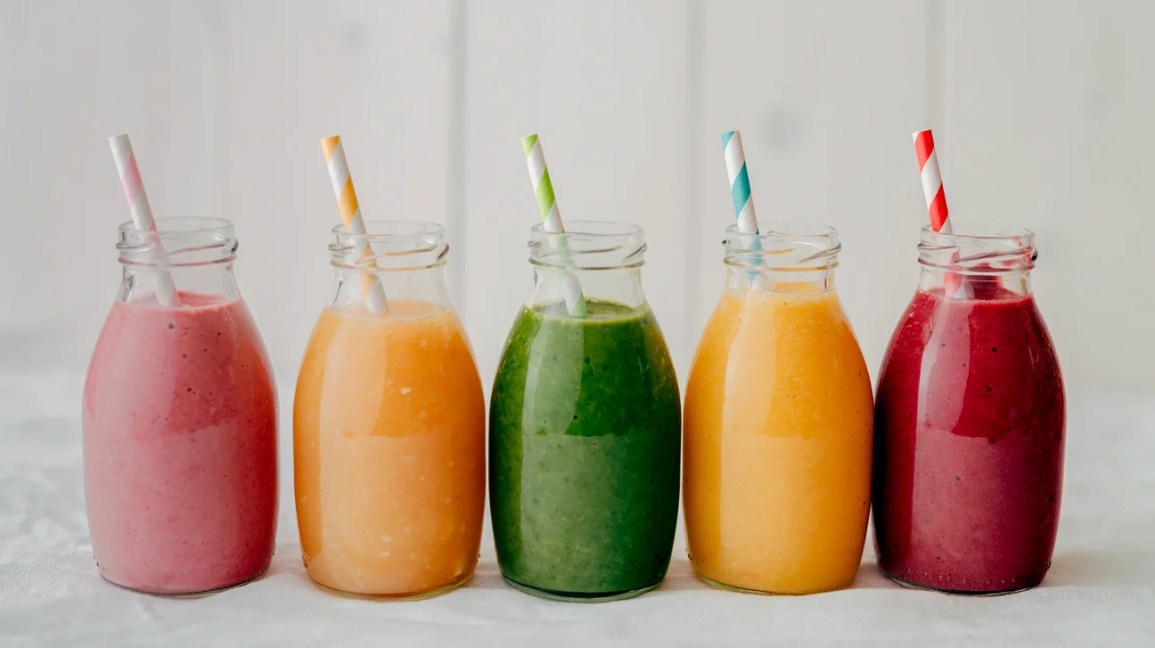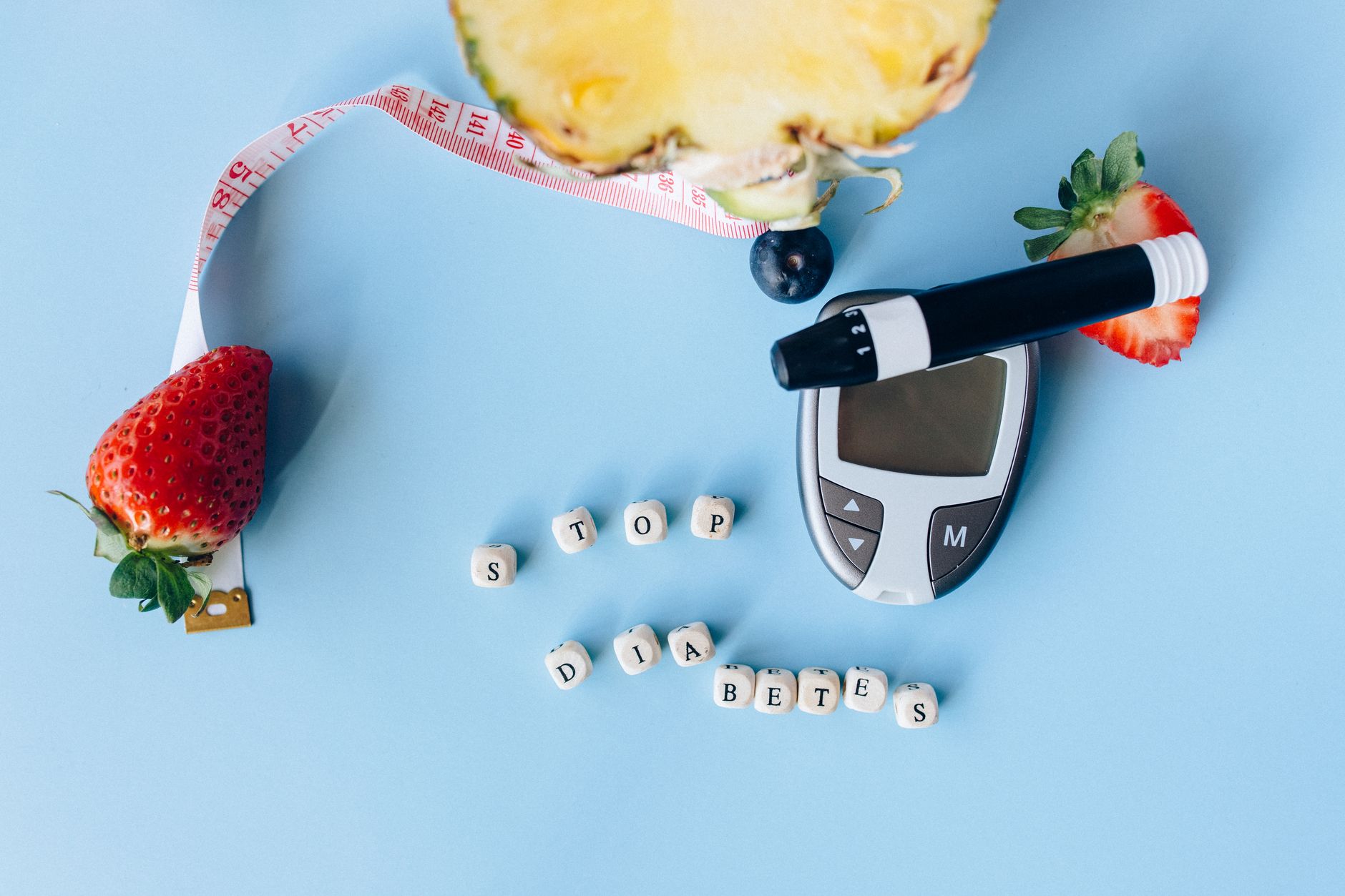
Busy mornings or days when you cant sit down for a proper meal who hasnt been there? Homemade meal replacement shakes for diabetics offer a delicious, balanced solution that stabilizes blood sugar while keeping you full and energized. Unlike many store-bought options loaded with hidden sugars and additives, these shakes put you in full control of ingredients and nutrients. Ready for a creamy, nourishing shake tailored to your needs? Lets get blending.
Why Shakes Work
What Makes These Shakes Diabetic-Friendly?
The secret lies in choosing ingredients that digest slowly and contain quality protein, fiber, and healthy fats. This combination slows glucose absorption, preventing sudden blood sugar spikes. Store-bought shakes often sneak in high-glycemic sugars or artificial fillers that can destabilize glucose levels. With homemade versions, you decide what goes in.
How Do These Shakes Support Blood Sugar Control?
Protein and fiber both slow carbohydrate digestion. That means blood sugar rises gently and steadily instead of peaking rapidly. Plus, the fat from nuts or avocado helps keep you fuller longer, reducing cravings and snacking. These shakes can be a powerful tool for type 2 diabetics managing their condition through food.
Why Homemade Beats Packaged Options
With homemade, no preservatives or added sugars sneak past your scrutiny. You can swap ingredients for food allergies or dietary preferencesdairy-free, vegan, or keto-friendly blends are easy when you control the recipe. Plus, fresh fruits and natural sweeteners give a cleaner, fresher taste.
Ingredients Overview
| Prep time | Total time | Servings | Calories | Diet tags |
|---|---|---|---|---|
| 10 minutes | 10 minutes | 1 | 300-350 | Diabetic-friendly, Gluten-free, Low-sugar |
Key Ingredients for Balance
- Protein: Whey isolate (low carb), pea protein, or Greek yogurt provide essential amino acids without spiking sugar.
- Fiber: Ground flaxseed, chia seeds, or fibrous veggies like spinach help slow sugar absorption.
- Low-glycemic fruits: Blueberries, raspberries, or green apples add natural sweetness with minimal blood sugar impact.
- Healthy fats: Nuts, nut butters, avocado, or MCT oil support satiety and energy without carb overload.
- Natural sweeteners: Small amounts of stevia, monk fruit, or erythritol add sweetness without raising glucose.
Allergy and Diet Substitutions
Nut allergies? Use seed butters like sunflower or pumpkin. Vegan? Swap dairy whey or yogurt for plant-based proteins and coconut milk or almond milk. Want keto? Skip fruits, use powdered erythritol, and increase healthy fats like avocado or coconut oil.
Quality Shopping Tips
- Choose proteins labeled low-carb and free of fillers.
- Buy fresh or frozen berries with no added sugar.
- Opt for organic or non-GMO ingredients for better purity.
- Look for cold-pressed nut butters without added sugar or oils.
| Protein Source | Carbs (per 30g) | Price per Serving | Diabetic Suitability |
|---|---|---|---|
| Whey Protein Isolate | 1-2g | $$ | High |
| Pea Protein | 1-3g | $ | High |
| Greek Yogurt | 4-6g (per 150g) | $$ | Moderate (depending on carbs) |
| Plant-Based Blend | 3-5g | $$$ | Variable |
Step-by-Step Instructions
How to Blend for Best Texture
- Add protein powder, 1 cup unsweetened almond milk, and 1 tablespoon nut butter to the blender.
- Add 2 tablespoons ground flaxseed, cup frozen blueberries, and a handful of spinach (optional).
- Spoon in avocado for creaminess (about 50 grams).
- Sweeten lightly with 3 drops of stevia or 1 teaspoon erythritol.
- Blend on high speed for exactly 45 seconds to achieve thick, creamy texture.
Handling Thickness or Sweetness
- Too thick? Add 2 tablespoons water or almond milk, blend 10 seconds more.
- Too thin? Add 1 tablespoon chia seeds, plus 30 seconds blending.
- Adjust sweetness by small increments; never add more than a teaspoon natural sweetener initially.
Consistency Tips Without Sugar
Use frozen fruits instead of ice for chill without watering down flavor. Avocado adds creaminess without carbs. Blending spinach or kale finely prevents vegetal chunks.

Variations and Swaps
Vegan and Dairy-Free Versions
Use pea or rice protein powders blended with unsweetened oat or almond milk. Coconut yogurt substitutes Greek yogurt well. Nut butters remain key to fats for satiety.
Low-Carb and Keto Options
Omit fruits or use only a few berries. Replace almond milk with coconut cream for higher fat content. Use MCT oil or heavy cream for extra calories and energy.
Adjusting Protein for Goals
- Weight loss: Use 2025g protein per serving, low carb, moderate fats.
- Weight gain: Increase protein to 3040g and add extra healthy fats.
For more ideas on weight management shakes tailored for diabetics, check out the best meal replacement shakes for diabetics to lose weight.
Serving and Pairing
When to Enjoy These Shakes
These shakes shine as quick breakfasts or light lunches when your schedule is tight. They also work well within 30 minutes post-workout to support recovery without straining blood sugar.
Snack and Meal Pairings
Pair with a small serving of raw nuts or a crisp salad to enhance fullness without adding sugar. Avoid pairing with high-glycemic foods that can negate the shakes balanced effect.
Incorporating into Meal Plans
Use as an easy swap for carb-heavy breakfasts or as a midday refuel during busy days. Shakes can complement structured diets like the Mediterranean or low-carb plans for diabetes management.
Storage and Convenience
Refrigeration Guidelines
Keep shakes in airtight containers in the fridge for up to 48 hours safely. Stir or shake before drinking as some thickening may occur.
Freezing and Re-Blending
Freeze portions in BPA-free containers for up to 1 month. Thaw overnight in refrigerator and re-blend on medium speed for 30 seconds to restore creamy texture. Avoid microwaving as heat breaks down some nutrients.
Batch Prep Tips
- Measure all dry ingredients in advance for faster assembly.
- Pre-portion protein powders, fibers, and sweeteners.
- Add perishable fresh fruits or avocado just before blending for freshness.
Pro Tips
Balancing Flavors
Use a pinch of cinnamon or vanilla extract to add warmth without carbs. A squeeze of lemon juice helps brighten creamy blends.
Avoiding Ingredient Staining
Beet powder or spirulina can discolor shakes but add valuable nutrients. Rinse blender immediately after use to prevent staining.
Extracting Maximum Nutrition
Grinding flaxseed fresh in a coffee grinder improves fiber absorption and nutrient availability.
Upgrades for Texture
Add 1 teaspoon collagen peptides for a silky mouthfeel and joint support. Blend frozen cauliflower or zucchini for volume without carbs.
When is the best time to drink homemade meal replacement shakes for diabetics?
The ideal times are breakfast, a midday meal, or post-workout within 30 minutes. This timing supports blood sugar stability and muscle recovery without interference from larger meals.
Can I use regular fruit or should I limit to low-GI fruits only?
Low-GI fruits like berries and green apples are best to minimize blood sugar spikes. High-GI fruits like mango or banana should be limited or avoided in diabetic shakes.
Are protein powders necessary, and which types are safest for type 2 diabetics?
Protein powders provide convenient, high-quality protein that supports satiety. Whey isolate and pea protein powders are generally safe and effective, with minimal carbs.
How many calories and carbs should a diabetic meal replacement shake typically have?
A good diabetic shake contains roughly 300350 calories and 2025 grams of carbs, balanced with fiber and protein to slow glucose uptake.
Can these shakes help with weight loss as well as blood sugar control?
Yes, when portioned correctly and combined with a healthy lifestyle. The protein and fiber reduce appetite and steady blood sugara winning combo for weight management.
Are these shakes suitable for diabetics who want to gain weight?
Absolutely. Increasing protein and healthy fats while maintaining a low glycemic load can support gradual, healthy weight gain.
Will blending leafy greens affect the shakes taste?
Greens like spinach or kale add nutrients but mild bitterness. Balancing with berries, vanilla, or cinnamon masks unwanted flavors while adding fiber.
Can I swap nut butters for seed butters?
Yes. Sunflower seed butter or pumpkin seed butter provide similar fats and texture for those with nut allergies, without increasing carbs significantly.
More Recipes Youll Love
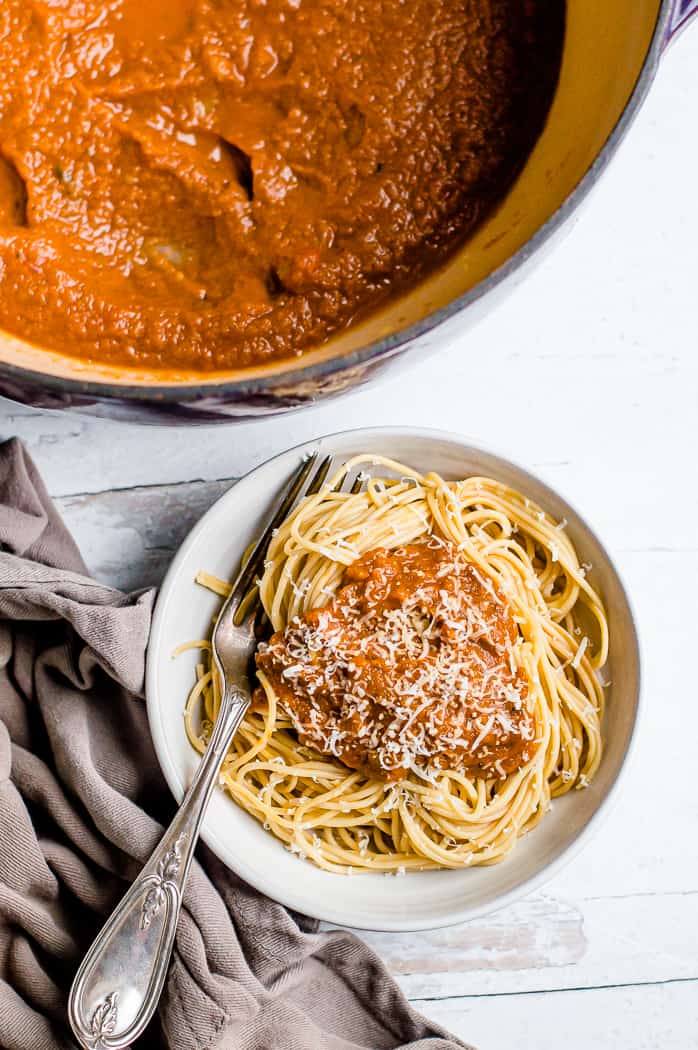
If you enjoy wholesome, diabetic-friendly meals, try this Diabetic spaghetti recipe for dinner that wont spike your blood sugar. For a crunchy snack option, check out our tips on tortilla chips for diabetics that fit your health goals.
Final Thoughts
Crafting your own homemade meal replacement shakes for diabetics brings control, flavor, and nourishment to busy days. Simple swaps and precise timing help you tailor each shake perfectly to your needs. Give this recipe a try and share your favorite variations or questions below. Your healthiest, most delicious shake is just a blender away.
FAQs
When is the best time to drink homemade meal replacement shakes for diabetics?
The ideal times to drink these shakes are at breakfast, during a midday meal, or within 30 minutes post-workout. These timings help support stable blood sugar levels and muscle recovery without interfering with larger meals.
Can I use regular fruit or should I limit to low-GI fruits only?
It’s best to use low-GI fruits like berries and green apples to minimize blood sugar spikes. High-GI fruits such as mango or banana should be limited or avoided in diabetic shakes to maintain stable glucose levels.
Are protein powders necessary, and which types are safest for type 2 diabetics?
Protein powders are a convenient source of high-quality protein that promotes fullness and support blood sugar control. Whey isolate and pea protein powders are generally safe and effective with minimal carbohydrates, making them suitable choices for type 2 diabetics.
How many calories and carbs should a diabetic meal replacement shake typically have?
A good diabetic meal replacement shake usually contains about 300–350 calories and 20–25 grams of carbohydrates. This balance, combined with fiber and protein, helps slow glucose absorption and prevents blood sugar spikes.
Can these shakes help with weight loss as well as blood sugar control?
Yes, when portioned correctly and combined with a healthy lifestyle, these shakes aid weight loss by reducing appetite and stabilizing blood sugar. Their protein and fiber content help keep you fuller longer, making them effective for weight management.