Hey there! If youve been scrolling for a quick, tasty bite that feels both comforting and exciting, youve landed in the right spot. Im about to walk you through a korean rice noodles recipe that packs sweetheat, bright flavors, and a dash of Korean soulall in about 20 minutes. No need to wander through endless pages; just follow along, and youll have a bowl of glossy, chewy noodles ready to share with friends or enjoy solo.
Essential Ingredients List
First things firstlets gather what well need. I like to keep the pantry basics handy so I can throw together a meal whenever the mood strikes.
Core Ingredients (Gochujang Version)
- 8oz rice noodles (thin or medium packet) youll find these in the Asian aisle.
- 2Tbsp gochujang (Korean fermented chili paste).
- 1Tbsp sesame oil + 1tsp toasted sesame seeds.
- 2tsp minced garlic.
- cup thinly sliced onion.
- 1cup mixed veggies (julienned carrot, bell pepper, a handful of spinach).
- 1Tbsp soy sauce (lowsodium if you watch salt).
- 1Tbsp rice vinegar.
- 1Tbsp maple syrup or honey for a subtle sweetness.
- A pinch of gochugaru (Korean redpepper flakes) for extra heat, optional.
Optional AddOns
- Thinly sliced beef, pork, or firm tofu for protein.
- A fried egg on top for richness.
- Scallions, chopped, for a fresh finish.
StepbyStep Instructions
Ready to cook? Grab a wok or a large skillet, and lets dive in. Ill break it down into four easy steps, each with a quick tip from a pro chef I met at a Korean cooking workshop.
1. Prepare the Noodles
Bring a pot of water to a rolling boil, add a generous pinch of salt, and drop the dry noodles in. Boil for 34minutes, or follow the package directions. Immediately drain and rinse under cold water. Why the cold rinse? It stops the cooking process and keeps the noodles pleasantly chewya trick Chef Lee swears by.
2. Whisk the Gochujang Sauce
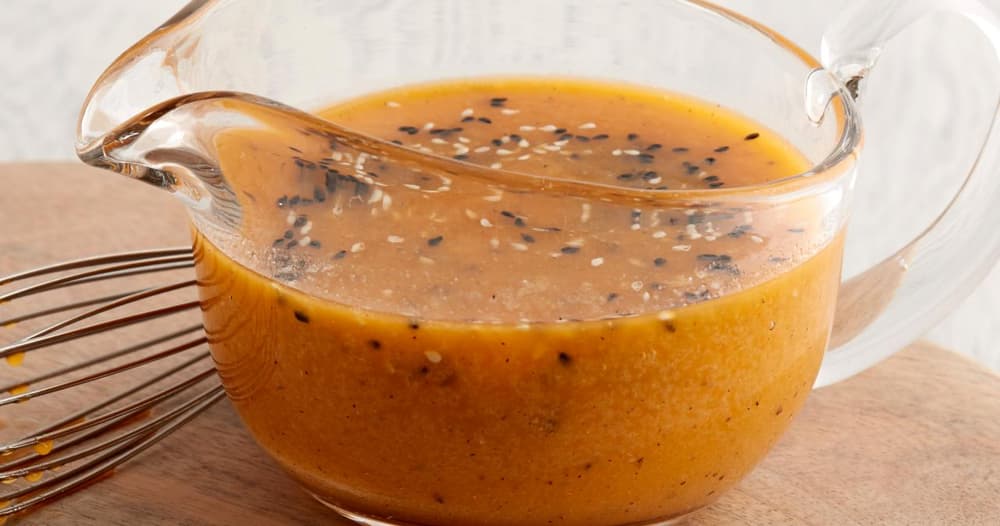
In a small bowl, combine the gochujang, sesame oil, soy sauce, rice vinegar, maple syrup, minced garlic, and a pinch of gochugaru. Whisk until smooth. The sauce should look glossy, not clumpy. If you prefer a milder profile, halve the gochujang and add a splash of extra vinegar.
3. StirFry Veggies (and Protein)
Heat a splash of sesame oil in the wok over mediumhigh heat. Toss in the onion and garlic; stir for about 30seconds until fragrant. Add the carrot and bell pepper, stirring for another 2 minutes. If youre using meat or tofu, slide it in now and cook until just done. Finally, throw in the spinach; it wilts in seconds.
4. Toss Everything Together
Reduce the heat to high, return the drained noodles to the pan, and pour the prepared sauce over them. Toss vigorously for 12minutes, allowing the noodles to soak up the glaze. Sprinkle the toasted sesame seeds and chopped scallions, then serve hot.
Quick Timeline CheatSheet
| Stage | Time | Heat |
|---|---|---|
| Noodle boil | 34min | Boiling |
| Sauce whisk | 2min | |
| Veggie stirfry | 23min | Mediumhigh |
| Final toss | 12min | High |
Flavorful Recipe Variations
If you love experimenting, these swaps will keep the dish exciting without starting from scratch.
JapchaeStyle Glass Noodles
Swap the rice noodles for korean glass noodles (dangmyeon) made from sweetpotato starch. Follow the same sauce, but add a splash of soyginger glaze and a handful of shiitake mushrooms. This version is classic for Korean celebrations.
SweetPotato Noodles Alternative
For a glutenfree, slightly firmer bite, use sweet potato noodles. They pair wonderfully with a lighter soylemon dressing, and you can still add the gochujang for a poppedof contrast.
Korean Spicy Noodles (No Gochujang)
If youre after pure heat, replace gochujang with a mixture of gochugaru, chili oil, and a dash of sesame paste. The result is a vibrant, redorange bowl thatll set your taste buds tingling.
Ingredient Comparison
| Feature | Rice Noodles | Glass Noodles (Dangmyeon) | SweetPotato Noodles |
|---|---|---|---|
| Base starch | Rice | Sweet potato | Sweet potato |
| Texture | Soft, slightly chewy | Chewy, translucent | Firmer, springy |
| Glutenfree | |||
| Traditional use | Gochujang dishes, soups | Japchae | Tteokbokki, salads |
Nutritional Health Overview
One serving of the gochujang ricenoodle bowl clocks in at roughly 350kcal, with 8g protein, 12g fat (mostly from hearthealthy sesame oil), and 50g carbs. The fermented gochujang contributes beneficial probiotics, while sesame seeds supply calcium and vitaminE.
Balancing Benefits and Risks
While the dish is relatively lowcalorie, watch your sodium intakeespecially if you use regular soy sauce. Opt for a lowsodium version or cut the amount in half. If youre sensitive to spice, start with half the gochujang and add extra sweetener to balance.
According to a 2024 study by the Korean Nutrition Institute, fermented chili paste like gochujang can support gut health and boost metabolism. Thats a solid reason to make this meal a regular fixture.
Professional Chef Tips
Here are a few nuggets of wisdom I picked up from chefs whove mastered Korean street food.
Dont OverCook the Noodles
Rinse immediately after boiling; this stops starch release and prevents clumping. The noodles will finish cooking in the hot wok, absorbing the sauce perfectly.
Toast the Sesame Oil Lightly
Heat the oil just until you smell a nutty fragranceabout 30seconds. Burnt sesame oil turns bitter and can ruin the dishs delicate balance.
Use a Splash of Water During the Final Toss
Adding a tablespoon of water helps the sauce coat each strand, creating that restaurantstyle glossy finish.
Putting It All Together
Now that youve got the ingredients, steps, variations, and pro tips, its time to bring the magic to your kitchen. The beauty of this korean rice noodles recipe is its flexibilitywhether youre feeding yourself after a long day, impressing friends at a dinner party, or craving a comforting bowl on a rainy night, you can adapt it in minutes.
Give it a try. Toss the noodles in that fiery-sweet sauce, sprinkle the sesame seeds, and take that first bite. Youll notice the perfect harmony of chewiness, heat, and umami that makes Korean cuisine so unforgettable.
Whats Next?
If you loved this gochujang spin, you might enjoy exploring the classic japchae recipe nextanother noodle favorite that swaps the spicy sauce for a savory soysesame glaze. Or, if youre curious about a soulwarming bowl, search for a korean rice noodles soup version, which uses a light broth and the same beloved noodles.
Feel free to experiment, share your creations, and let your taste buds travel. Happy cooking, and may your kitchen always be filled with flavor and warmth!
FAQs
Can I use rice noodles for a gluten‑free diet?
Yes—plain rice noodles are naturally gluten‑free, making this recipe perfect for those avoiding gluten.
How do I prevent rice noodles from becoming soggy?
Rinse the boiled noodles under cold water immediately to stop cooking, then toss them quickly with a little sesame oil before adding the sauce.
What can I substitute for gochujang if I can’t find it?
Mix equal parts Korean red‑pepper flakes (gochugaru) with miso paste, a touch of honey, and a splash of soy sauce to mimic gochujang’s sweet‑spicy flavor.
Can I make this dish vegetarian or vegan?
Absolutely—skip the meat, use tofu or tempeh for protein, and replace honey with maple syrup for a fully vegan version.
How long can leftovers be stored?
Store the noodles and sauce separately in airtight containers in the fridge; they’ll keep for up to 3 days. Reheat gently and add a splash of water to revive the sauce.