Introduction
Looking for a way to add rich umami to your meals without the extra salt? No sodium soy sauce is just the answer. This salt-free soy sauce benefits those aiming for heart-healthy cooking without sacrificing depth of flavor. Created through a natural soy protein fermentation process, it delivers the familiar savory notes you love while keeping your dishes light and healthy.
If youre exploring a low sodium soy sauce alternative that fits gluten-free soy sauce options or want to understand common soy sauce allergy issues, this recipe will guide you to an easy and tasty homemade version. Imagine that golden glaze on your stir-fry, but with zero sodiumsounds great, right?
Key Highlights
Primary benefit sodium-free option supports cardiovascular health
Reducing dietary sodium is a proven way to encourage heart-healthy cooking and lower risks like hypertension. No sodium soy sauce keeps the umami richness but removes added salt, so you enjoy deep flavor without the usual sodium spike. Its natural fermentation extracts savory compounds from soy protein fermentation, giving you that full-bodied taste.
Secondary benefit versatile flavor enhancer for many dishes
This low sodium soy sauce alternative works beautifully in a variety of recipes. From marinades and dressings to noodle bowls or crispy tofu, it boosts flavors without overpowering. Think of it as a blank canvas that enhances other ingredients with its earthy aroma and subtle tang, making your meals healthier yet satisfying.
Who should use it with caution
While this sauce is great for many, individuals with soy allergies should avoid it due to common soy sauce allergy issues. Also, those with thyroid conditions should check with healthcare providers because fermented soy can affect certain thyroid functions. Knowing your dietary limits keeps the experience safe and enjoyable.
Ingredients & Preparation
| Prep time | Total time | Servings | Calories | Diet tags |
|---|---|---|---|---|
| 10 minutes | 12 hours fermentation | 8 | 5 per tbsp | Vegan, Gluten-Free, Dairy-Free |
Full ingredient list with quantities and substitutions
- 1 cup cooked fermented soybeans (or substitute 1/2 cup no salt miso paste for milder flavor)
- 2 cups filtered water
- 2 tablespoons rice vinegar (optional, adds slight acidity)
- 1 teaspoon maple syrup or honey (optional, for natural balance)
- 1 small kombu seaweed strip (about 4 inches, optional, boosts umami)
Equipment needed blender or food processor vs. fermentation jar
For smooth no sodium soy sauce, a blender or food processor works best by breaking down soybeans evenly. A fermentation jar helps develop natural probiotics and complexity. Choose based on your time and patienceblender for a quicker approach, fermentation jar for authentic depth.
Tips for ingredient quality choices
Pick organic, non-GMO soybeans for clean flavor and higher nutrition. Fresh kombu seaweed adds a deep umami kick; dried kombu works if fresh isnt available. Avoid artificially fast-fermented or chemically treated soy for better taste and health benefits.
Step-by-Step Instructions
Step 1 Rinse and soak soybeans overnight, then cook until soft (about 1 hour)
Rinse 1 cup dried soybeans under cold water. Soak them in a large bowl with fresh water overnight (8-12 hours). After soaking, drain and rinse again. Cook soybeans in boiling water for precisely 1 hour until very soft; this soft texture is crucial for fermentation.
Step 2 Blend cooked soybeans with water until smooth (high speed, 2 minutes)
Place cooked soybeans and 2 cups water in the blender. Blend on high speed for exactly 2 minutes. This creates a creamy and smooth base, essential for even fermentation. Avoid overheating by pausing if the blender feels warm to the touch.
Step 3 Transfer mixture to jar, add kombu, cover loosely, ferment at room temp 12 hours
Pour the blended mixture into a clean fermentation jar. Add the kombu strip for deeper umami aroma. Cover loosely with a breathable cloth or loose lid to prevent oxygen buildup. Allow to ferment on your countertop at room temperature (70-75F) for exactly 12 hours. Youll notice gentle bubbles formingsigns fermentation is working.
Step 4 Strain soy liquid through fine mesh, add vinegar and sweetener if desired
Using a fine mesh sieve or cheesecloth, strain the liquid into a bowl. Discard solids or use them in veggie patties. Stir in 2 tablespoons rice vinegar and 1 teaspoon maple syrup or honey for balance if you like. Transfer into a clean glass bottle with a tight lid.
Step 5 Store in refrigerator; use within 4-5 days for best flavor
Refrigerate your no sodium soy sauce immediately. Use within 4 to 5 days for optimal aroma and taste. Shake well before each use, as natural sediment may settle.
Variations & Substitutions
Using miso paste instead of whole beans for faster prep and softer taste
Substitute 1 cup cooked fermented soybeans with 1/2 cup no salt miso paste. This shortcut reduces prep time and yields a smoother, less intense flavor. It remains a salt-free soy sauce option if your miso contains no added salt.
Swap rice vinegar for apple cider vinegar for fruitier notes
If you prefer a slightly sweeter and fruitier tang, replace rice vinegar with apple cider vinegar in equal amounts. It complements the umami by adding a fresh aroma and mild acidity.
Adjust sweetness with honey, maple syrup, or stevia to taste
To soften natural bitterness, experiment with 1 teaspoon of honey, maple syrup, or stevia drops. Keep sweetness subtle to maintain the healthy flavor profile without overwhelming the soy base.
Storage & Shelf Life
Refrigerate in airtight glass container for 45 days
Store your no sodium soy sauce in an airtight glass bottle in the fridge. Properly sealed, it stays fresh for up to 5 days. Exposure to light can degrade taste, so keep it in a darker area if possible.
Freeze using ice cube trays, thaw cubes individually; use within 3 months
For longer storage, pour sauce into ice cube trays and freeze. Thaw individual cubes at room temperature or in the fridge for convenient portioning. Use frozen cubes within 3 months for best quality.
Make-ahead batch tips: double recipe, label jars with date, use dark bottles if available
When making larger batches, double all ingredients and ferment as usual. Label each jar with production date to track freshness. Using dark glass bottles can help protect flavor during refrigeration.

Pro Tips & Troubleshooting
Avoid staining hands/counters by wearing gloves and wiping spills immediately
The deep, dark liquid from soy fermentation can stain skin and porous surfaces. Wear gloves while handling and wipe any spills quickly with a damp cloth. Acidic spots can set the stains if left too long.
If sauce tastes too bitter, add a dash of natural sweetener or reduce fermentation time
Bitterness often means the fermentation went a little too long or the soybeans released harsh compounds. Cut down fermentation to 10 hours next time. Meanwhile, mix in 1/2 teaspoon maple syrup or honey to balance flavors today.
Upgrade: adding a pinch of toasted sesame seeds before serving enhances aroma and richness
Toast sesame seeds in a dry skillet until golden and fragrant. Sprinkle a pinch over your finished dish or directly into the sauce before serving. It adds a subtle nutty aroma that elevates the sauce beautifully.
More Recipes You Will Love
Try our Salt-Free Miso Soup Recipe for a heart-friendly broth pairing perfectly with your homebrew no sodium soy sauce.
For a speedy dinner, this Quick & Easy Vegan Stir-Fry Recipe uses low sodium Asian sauces to bring wholesome flavors fast.
When is the best time to use no sodium soy sauce?
No sodium soy sauce works best either during cooking or as a finishing touch. Add it to marinades, dressings, or directly onto steamed veggies and tofu for flavor without salt. Its perfect anytime you want umami depth with a heart-healthy twist.
Can I make a big batch ahead of time?
Yes, doubling the recipe is fine. Just ferment carefully and store refrigerated in airtight jars. Consume within 45 days to keep freshness and prevent spoilage. Label jars with dates to stay organized.
Fresh soybeans or powder which gives better results?
Fresh fermented soybeans yield richer, more complex flavors due to natural enzymes in soy protein fermentation. Powders may be convenient but often lack the depth and authenticity of fresh beans.
Is this safe for pregnant women, kids, or people on medications?
Generally, it is safe in moderation. However, those with soy allergies, thyroid conditions, or specific medication interactions should consult healthcare providers. The absence of salt makes it lower risk for most diets.
How often can I use no sodium soy sauce?
Daily use is safe for most people. Its an excellent replacement for traditional soy sauce if you want to reduce sodium intake without giving up flavor.
Why does my sauce taste bitter?
Bitterness usually comes from over-fermentation or residual raw soybean compounds. Cut fermentation to 10 hours if this happens or stir in a natural sweetener to balance the taste.
What pairs well with no sodium soy sauce?
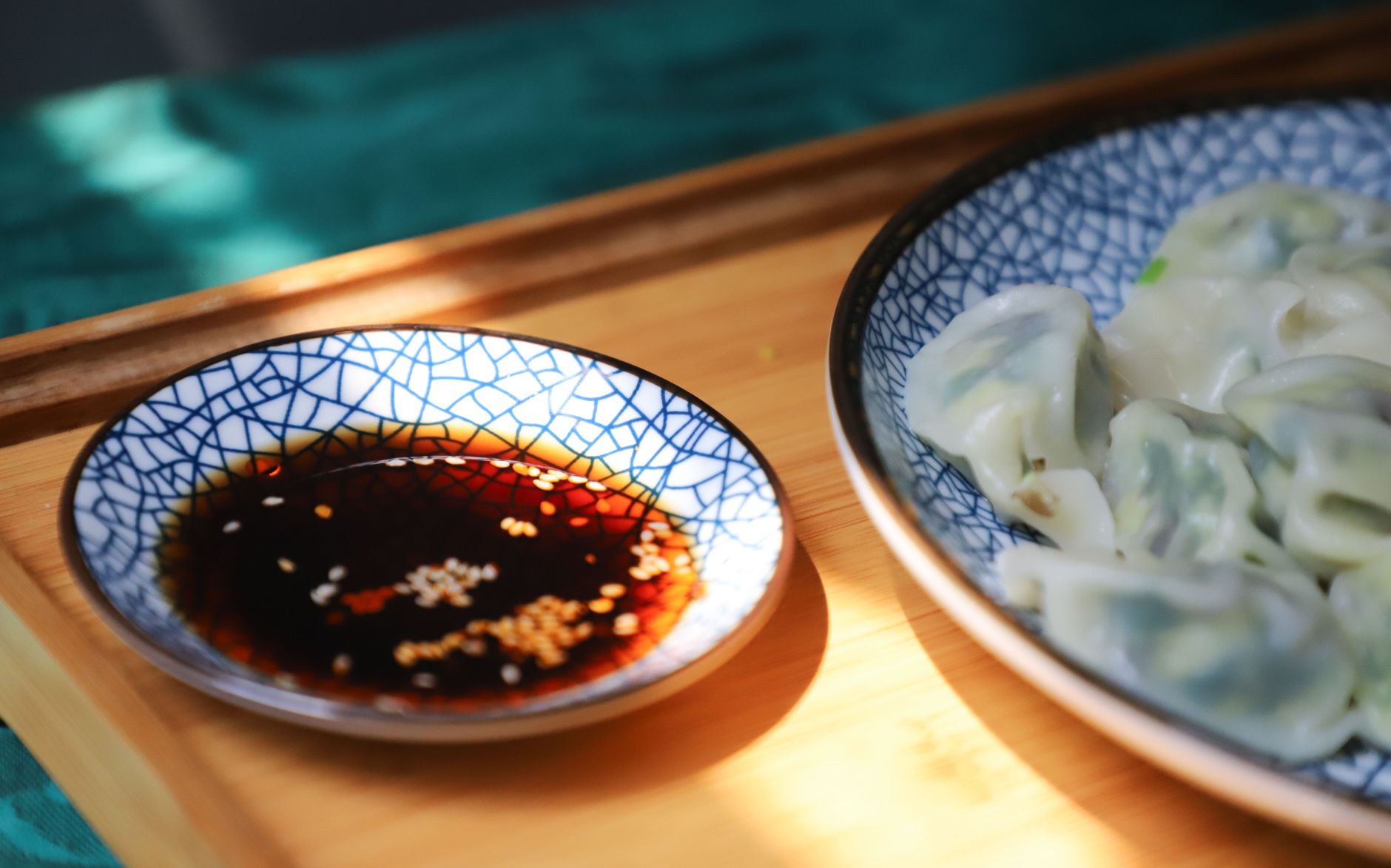
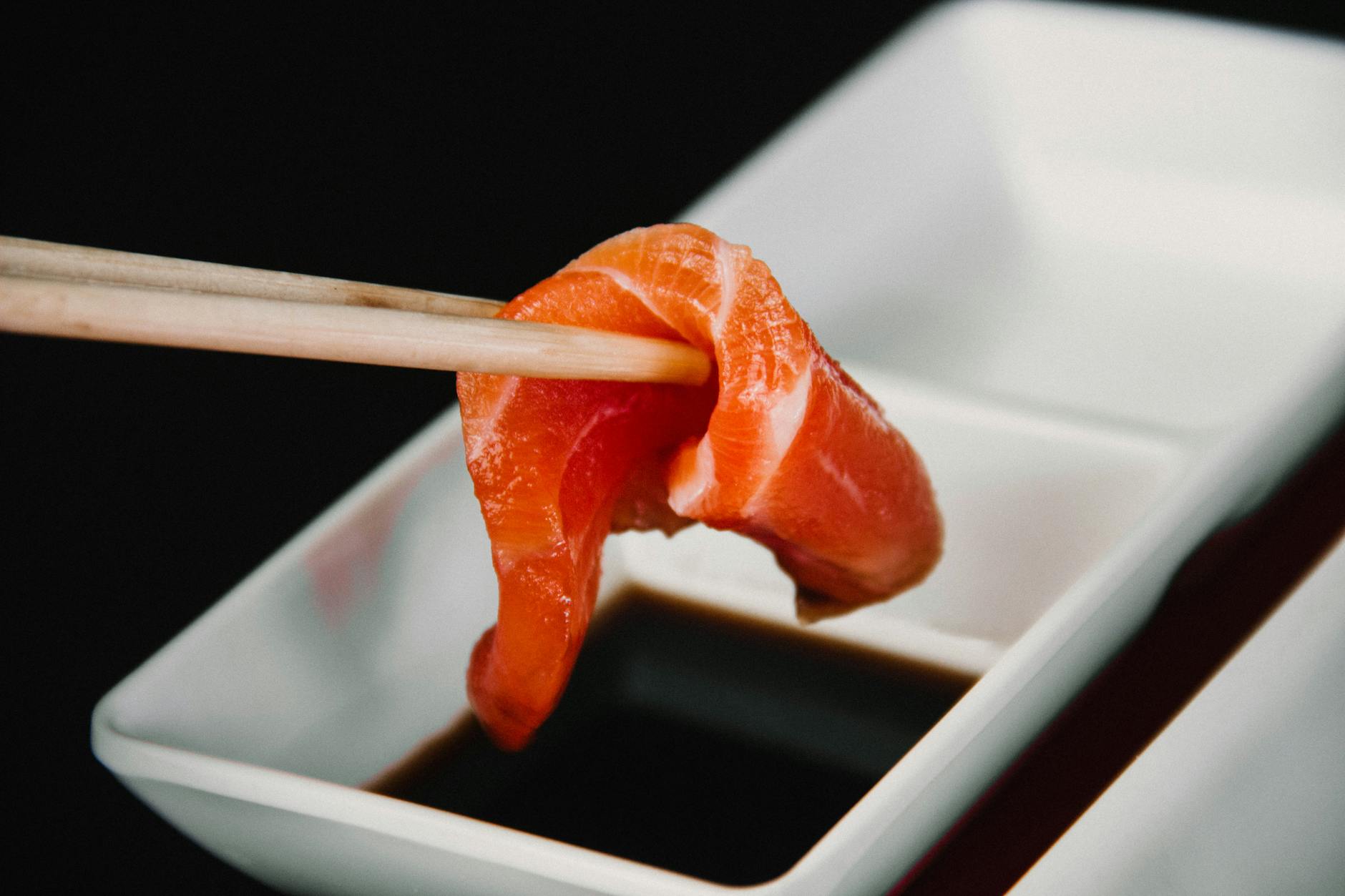
This sauce complements steamed vegetables, grilled fish, tofu dishes, and works beautifully as a dipping sauce for dumplings or sushi. Its subtle tang and umami meld well with light, fresh foods.
Conclusion
No sodium soy sauce offers a rich, savory punch without the health concerns tied to added salt. This easy recipe lets you enjoy authentic umami while supporting heart-healthy cooking and mindful eating. Give it a try and share your experience in the comments below. Dont forget to explore our recipes featuring low sodium soy sauce for diabetics for more smart, tasty meals!
FAQs
When is the best time to eat no sodium soy sauce?
No sodium soy sauce is versatile and can be used during cooking or as a finishing touch. It works well in marinades, dressings, or directly drizzled on steamed vegetables and tofu to add flavor without salt.
Can I make a large batch of no sodium soy sauce in advance?
Yes, you can double the recipe and ferment as usual. Store the sauce in airtight jars in the refrigerator and consume within 45 days. Label jars with the date to track freshness and keep the quality.
Is no sodium soy sauce safe for pregnant women and children?
Generally, it is safe in moderation for most people, including pregnant women and kids. However, those with soy allergies, thyroid conditions, or on specific medications should consult their healthcare provider before use.
Why does my no sodium soy sauce taste bitter?
Bitterness usually results from over-fermentation or the presence of certain raw soybean compounds. Reducing fermentation time to about 10 hours or adding a small amount of natural sweetener can help balance the flavor.
What foods pair well with no sodium soy sauce?
No sodium soy sauce complements steamed vegetables, grilled fish, tofu, and works well as a dipping sauce for dumplings or sushi. Its subtle umami and tang enhance light and fresh dishes beautifully.