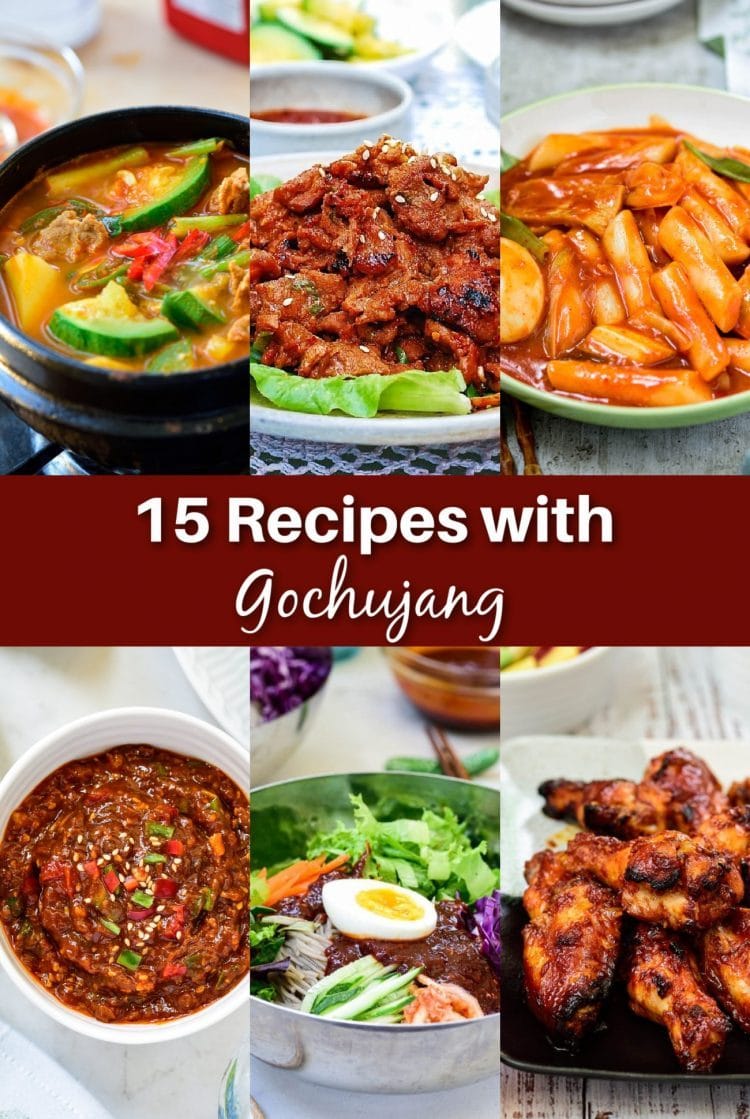
Hey there! If youve ever stared at a pantry of bland, dietfriendly ingredients and thought, I wish I could add some excitement without the extra calories, youre not alone. The secret weapon? Gochujang that sweet, spicy, fermented Korean paste that can turn a simple bowl of rice into a flavor explosion. Below youll find five healthy recipes with gochujang that are quick, easy, and lowcalorie, plus tips on making a smarter sauce, prepping for the week, and where to find trustworthy nutrition data.
Why Choose Gochujang?
First things first: why should you let gochujang into your kitchen? Its not just about the heat.
- Probiotic power: Because its fermented, gochujang contains live cultures that can support gut health. A study from the National Institutes of Health highlights how fermented foods may improve digestion and even boost immunity.
- Rich in nutrients: One tablespoon typically offers a modest amount of vitaminA, vitaminC, and iron, plus a punch of capsaicin that may raise metabolism slightly.
- Balancing sweet and salty: The paste combines red pepper flakes, glutinous rice, soybeans, and a touch of malt sugar, delivering depth without the need for extra sauces or oils.
That said, many storebought versions are high in sugar and sodium. To keep your meals truly healthy, look for lowsugar or reducedsodium varieties, or better yet, whip up your own (well cover that shortly). Checking the official USDA database can help you compare brands side by side.
Core Recipe Collection
Now, lets dive into the good stuff. Each of these dishes hits the sweet spot between flavor, nutrition, and speed. All cooking times are under 30minutes, and each recipe serves two.
1 Gochujang Chicken Rice Bowl (350kcal)
Why I love it: Its the ultimate weeknight hero the chicken stays juicy, the veggies stay crisp, and the gochujang sauce ties everything together in a glossy, satisfying glaze.
- Ingredients
- 2oz (about 120g) skinless chicken breast, sliced into bitesize strips
- cup cooked brown rice
- 1cup mixed veggies (broccoli florets, sliced carrots, bell pepper strips)
- 1tbsp gochujang (or homemade version, see below)
- 1tsp sesame oil
- 1tsp soy sauce (lowsodium)
- 1tsp honey (optional, for a touch of sweetness)
- Sesame seeds and sliced green onion for garnish
- Directions
- Heat sesame oil in a large skillet over mediumhigh heat.
- Add the chicken strips, season lightly with pepper, and stirfry until just cooked through (about 45minutes).
- Introduce the veggies, tossing for another 3minutes until theyre tendercrisp.
- In a small bowl whisk gochujang, soy sauce, and honey. Pour over the skillet, stirring to coat everything evenly. Cook an extra minute to let the glaze thicken.
- Serve the mixture over brown rice, sprinkle with sesame seeds and green onion, and enjoy!
- Nutrition Snapshot (per serving)
- Calories: ~350kcal
- Protein: 28g
- Carbs: 42g (fiber6g)
- Fat: 8g (mostly healthy monounsaturated)
- Sodium: 620mg (depends on sauce choice)
Tip: Swap the chicken for firm tofu to make a vegetarian version (see the GochujangGlazed Tofu recipe below) without sacrificing protein.
2 LowCalorie Gochujang StirFry
This one is perfect when youre craving something hearty but want to stay under 400kcal.
- Ingredients
- 150g lean beef strips (or tempeh for vegans)
- 2cups broccoli florets
- 1cup sliced bell peppers
- cup snap peas
- 1tbsp gochujang
- 2tbsp lowsodium chicken broth (or vegetable broth)
- 1tsp minced garlic
- 1tsp grated ginger
- 1tsp cornstarch mixed with 2tbsp water (slurry)
- Directions
- Preheat a wok or large skillet, splash a little water (instead of oil) to prevent sticking.
- Quickly sear the beef (or tempeh) for 2minutes, then set aside.
- Add garlic, ginger, and the veggies, stirring for 45minutes until just tender.
- Return the protein to the pan, stir in gochujang and broth, then drizzle the cornstarch slurry. Cook another minute until the sauce thickens.
- Serve hot, optionally over a small portion of cauliflower rice for extra volume without extra carbs.
- Why it works: Using a splash of broth instead of oil cuts calories, while the cornstarch slurry gives that glossy, restaurantstyle finish.
3 GochujangGlazed Tofu (Vegetarian Power)
For the plantbased pals, this tofu recipe is a gamechanger. Its crispy on the outside, silky inside, and the gochujang glaze adds a sweetspicy kick.
- Ingredients
- 14oz (400g) firm tofu, pressed and cut into cubes
- 2tbsp cornstarch
- 1tbsp gochujang
- 1tsp maple syrup (or agave)
- 1tsp rice vinegar
- 1tsp sesame oil
- Sesame seeds for garnish
- Directions
- Dust tofu cubes lightly with cornstarch; this creates a protective crust.
- Heat a nonstick skillet over mediumhigh heat, add sesame oil, and panfry tofu until golden on all sides (about 8minutes).
- In a small bowl whisk gochujang, maple syrup, and rice vinegar. Pour over the tofu, toss to coat, and cook another 2minutes until the glaze thickens.
- Serve with steamed greens or tossed into a warm quinoa bowl.
- Nutrition Highlights
- Protein: ~20g per serving
- Calories: ~280kcal (depends on oil amount)
- Low in saturated fat, high in plantbased iron.
4 Gochujang Peanut Noodles (Quick Comfort)
If youre craving something cozy but still want it to be on the healthier side, these noodles fit the bill. Swap regular wheat noodles for shirataki or wholewheat for extra fiber.
- Ingredients
- 200g wholewheat spaghetti or shirataki noodles
- 1tbsp gochujang
- 2tbsp natural peanut butter
- 1tsp sesame oil
- 1tsp honey or stevia (optional)
- cup thinly sliced cucumber
- cup shredded carrots
- Chopped peanuts and cilantro for topping
- Directions
- Cook noodles according to package instructions; rinse with cold water.
- In a bowl whisk gochujang, peanut butter, sesame oil, and honey until smooth.
- Toss the noodles with the sauce, then fold in cucumber and carrots.
- Top with chopped peanuts and cilantro. Serve warm or chilled.
- Why its healthy: Peanut butter adds healthy monounsaturated fats and protein, while the veggies contribute crunch and vitamins without many calories.
5 GochujangInfused Veggie Soup (HighVolume, LowCal)
This brothbased soup lets you eat a lot of volume while staying under 200kcal per bowl. Perfect for a light dinner or a mealprep staple.
- Ingredients
- 4cups lowsodium vegetable broth
- 1tbsp gochujang
- 1cup sliced bokchoy
- cup sliced mushrooms
- cup shredded napa cabbage
- 1small carrot, thinly sliced
- 1tsp grated ginger
- 2tsp soy sauce (optional)
- Directions
- Bring broth to a gentle boil, stir in gochujang until fully dissolved.
- Add ginger, carrot, and mushrooms; simmer 5minutes.
- Drop in bokchoy and cabbage; cook another 3minutes until wilted.
- Season with a splash of soy sauce if needed, ladle into bowls, and enjoy.
- Tip: Freeze the broth in portionsize containers; just add fresh veggies when youre ready to eat.
Homemade Gochujang Sauce
Making your own gochujang gives you full control over sugar and sodium, turning it from a sometimesallowed condiment into a daily staple.
Basic Formula (Makes ~1cup)
- cup glutinous (sweet) rice flour
- cup fermented soybean powder (mejugari) or miso as a substitute
- cup Korean red pepper flakes (gochugaru)
- 2tbsp malt syrup (or 1tbsp agave for lower sugar)
- 2tbsp lowsodium soy sauce
- cup water
Steps
- In a saucepan, whisk rice flour with water until smooth. Cook over low heat, stirring constantly, until the mixture thickens (about 5minutes).
- Remove from heat and let it cool slightly.
- Stir in soybean powder, gochugaru, malt syrup, and soy sauce. Mix until a uniform paste forms.
- Transfer to a sterilized jar, seal, and let it ferment at room temperature for 23days. For a milder flavor, refrigerate after the first day.
LowSugar, LowSodium Version
Replace the malt syrup with 1tbsp stevia or a pinch of erythritol, and use reducedsodium soy sauce. The resulting paste still delivers the signature umami and heat, but with ~30% less sodium and ~40% fewer carbs.
| Ingredient | Standard (per tbsp) | LowSugar/LowSodium (per tbsp) |
|---|---|---|
| Malt syrup | 45 kcal, 12g carbs | 0 kcal, 0g carbs (stevia) |
| Soy sauce | 10mg sodium | 2mg sodium (reducedsodium) |
Smart Meal Prep
Even the best recipes fall flat if theyre too timeconsuming after a long day. Heres how to keep gochujang goodness on standby.
BatchCook the Sauce
Make a large batch of the homemade paste (or buy a lowsugar brand) and portion it into 1tbsp containers. Label with the date; it stays fresh in the fridge for up to two weeks.
Protein in Advance
Cook a batch of chicken, lean beef, or tofu on Sunday. Store in airtight containers, then reheat quickly in the microwave or toss straight into a skillet with fresh veggies.
VeggieReady Packs
Wash, chop, and portion your favorite stirfry vegetables into ziptop bags. Keep a bag of readytocook in the freezer for the occasional stirfryno chopping required.
Portion Tracking
Use a free app like MyFitnessPal or a simple kitchen scale to keep an eye on calories, especially the sodium from sauces. Consistency beats occasional overindulgence.
Trusted Nutrition Resources
When youre experimenting with new ingredients, reliable data matters. Below are two reputable sources you can turn to for uptodate nutrition facts and evidencebased health information.
- USDA FoodData Central Detailed nutrient breakdown for gochujang, brown rice, tofu, and more.
- National Institutes of Health Research articles on fermented foods, gut health, and metabolic effects.
Both sites are maintained by government agencies, ensuring the data you reference is accurate and unbiased.
Conclusion
There you have itfive fast, flavorful meals that prove gochujang can be both a delicious and healthy addition to your diet. Whether youre whipping up a chicken rice bowl, a veggiepacked soup, or a plantbased tofu glaze, the key is to balance the bold heat with smart ingredient choices and portion control. By making your own sauce, prepping proteins ahead of time, and leaning on trustworthy nutrition data, youll enjoy Korean-inspired meals without the guilt. Give one (or all) of these recipes a try, tweak the spice level to match your palate, and let us know which one becomes your new goto. If youre hungry for more lowcalorie Korean flavors, stay tunedmore wholesome recipes are just around the corner.
FAQs
What makes gochujang a healthy addition to meals?
Gochujang is a fermented paste, so it provides probiotic cultures that support gut health, plus modest amounts of vitamins A, C and iron. Its sweet‑spicy flavor lets you use less salt and sugar overall.
Can I make a low‑sugar, low‑sodium gochujang at home?
Yes. Replace malt syrup with stevia or a small amount of erythritol and use reduced‑sodium soy sauce. The homemade paste still delivers the classic umami and heat while cutting sugar by about 40 % and sodium by roughly 70 %.
How do I keep the gochujang dishes under 400 kcal?
Focus on lean proteins (chicken breast, beef strips, tofu), plenty of non‑starchy vegetables, and use a splash of broth or water instead of oil. Measure sauces (1 tsp–1 tbsp) and serve over brown rice or cauliflower rice for volume without extra calories.
What’s the fastest way to prep gochujang meals for the week?
Batch‑cook the sauce and portion it into 1‑tbsp containers. Cook a large batch of protein (chicken, beef, or tofu) on Sunday, and pre‑chop stir‑fry veggies into zip‑top bags. Reheat or toss together for a ready‑to‑eat meal in under 10 minutes.
Is gochujang suitable for vegetarian or vegan diets?
Traditional gochujang contains fermented soybeans, which are plant‑based, so it’s already vegan. Pair it with tofu, tempeh, or mushrooms for protein‑rich vegetarian dishes that still deliver the same bold flavor.