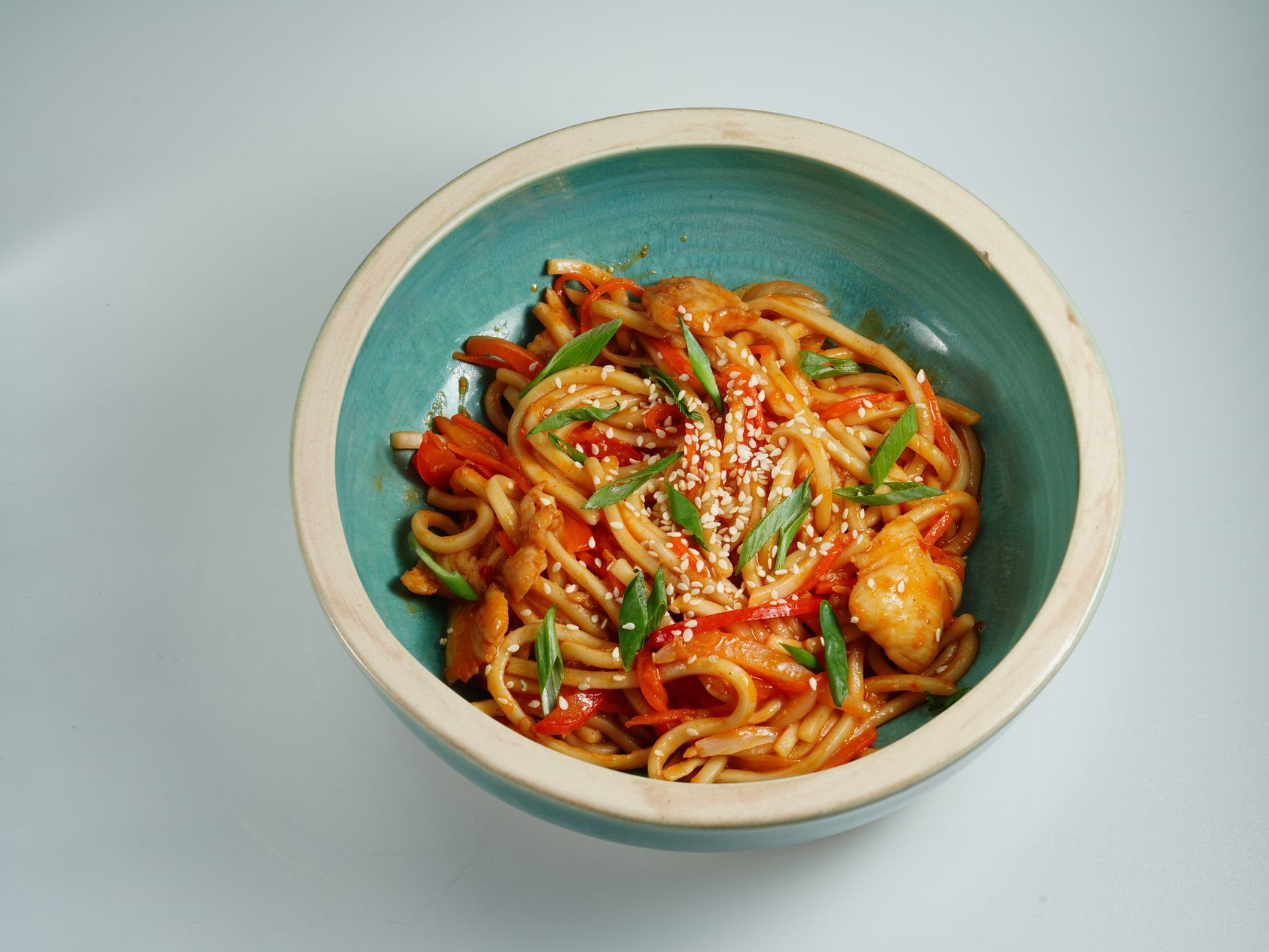
Craving a bowl thats equal parts comforting and fiery? Youre in the right place. This gochujang udon soup comes together in under ten minutes with ingredients you probably already have, so you can satisfy that heatloving hunger without the hassle.
Stick with me and youll get a clear, stepbystep recipe, a quick science lesson on why the flavors work, and a handful of tips to keep the soup tasty without overloading on sodium or stomachburn. Ready? Lets dive in.
Why Gochujang Soup?
What makes gochujang the star?
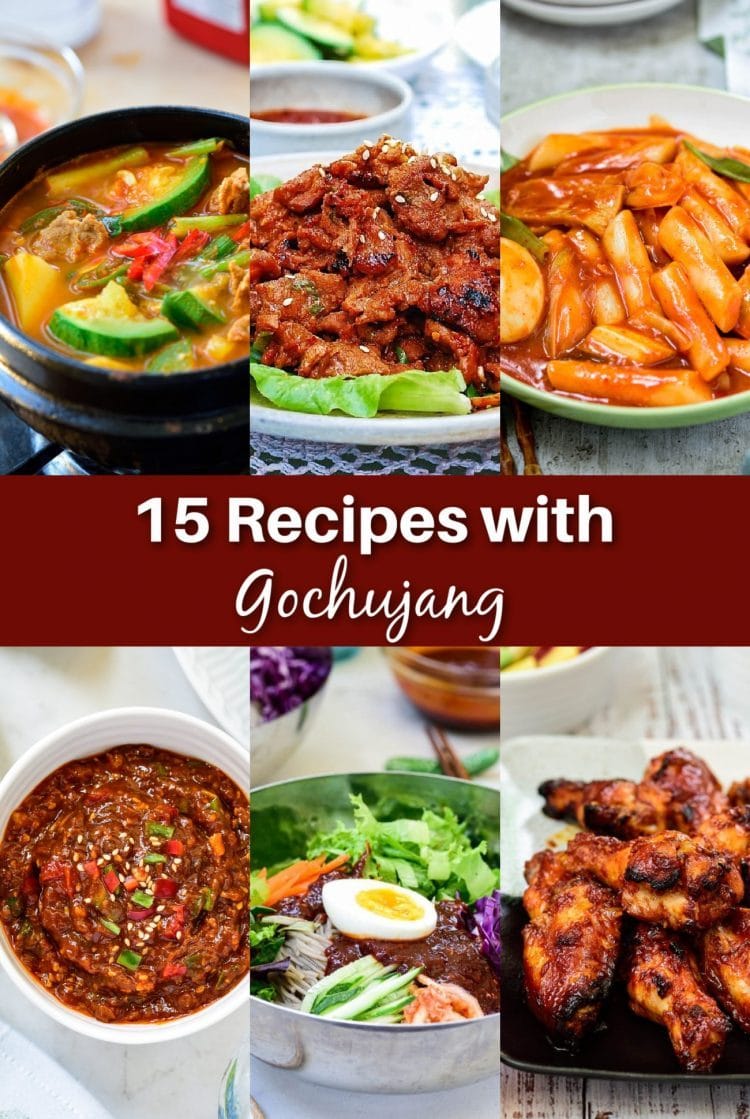
Gochujang is a fermented Korean chili paste that packs sweet, salty, umami and heat all at once. The fermentation process creates a depth of flavor that plain chili powder cant match, while the builtin sugars give a gentle caramelized backdrop. When you stir it into a light broth, those flavors bloom quickly, turning a simple noodle bowl into something richly layered.
Health perks & potential pitfalls
Benefits: The fermented nature of gochujang means it contains probiotics that can support gut health. Capsaicinthe compound that makes things spicyhas been linked to a modest boost in metabolism and can even help clear nasal passages. Add udon noodles, which are a solid source of complex carbs and a modest amount of protein, and youve got a balanced meal.
Risks: Commercial gochujang can be salty, and the heat isnt for everyone. If you have reflux or a sensitive stomach, you might want to dial the amount back or choose a lowsodium version. The good news? You can easily control both sodium and spice with a few simple swaps (see the Ingredient Checklist below).
Expert tip: cutting sodium without losing flavor
According to the Korean Ministry of Food and Drug Safety, authentic gochujang should contain less than 1.5% added salt. Look for brands that list fermented and no MSG on the label, and consider using lowsodium soy sauce or even a splash of rice vinegar to brighten the broth without adding extra salt.
Essential Ingredients List
Core pantry items
- Udon noodles (fresh or dried both work)
- Gochujang paste (about 2tablespoons for a moderate heat)
- Garlic and ginger (minced, for aromatics)
- Green onions, sliced
- Mushrooms (shiitake or button, optional for extra umami)
- Protein of your choice tofu, chicken breast, or thinly sliced beef
Flavorbuilding sauces
- Light soy sauce (1Tbsp)
- Oyster sauce (Tbsp) you can swap with mushroom soy for a vegan version
- Rice vinegar (Tbsp) adds brightness
- Sesame oil (1tsp) finishes the soup with a subtle nutty aroma
- Coconut milk (cup) optional for a creamy gochujang udon twist
Looking for a protein twist? Try our sesame ginger chicken cheesecake factory style – it pairs beautifully with the spicy broth.
Substitution chart
| Missing Ingredient | Best Substitute |
|---|---|
| Gochujang | Miso mixed with a dash of sriracha (for umami + heat) |
| Oyster sauce | Mushroom soy sauce (vegan) |
| Coconut milk | Halfandhalf or plain Greek yogurt (add at the end) |
Provenance & quality cues
Authentic gochujang will list fermented as the first ingredient and usually carry a Korean origin label. Popular, reputable brands include Sempio, Chung Jung One, and Haechandle. A quick glance at the ingredient list can tell you if the product is loaded with additives or if it stays true to the traditional recipe.
StepbyStep Recipe
Prep (5 minutes)
1. Bring a pot of water to a boil and cook the udon according to the package directionsusually 23 minutes for fresh noodles. Drain, rinse under cold water, and set aside.
2. While the noodles are cooking, whisk together 2cups of water or lowsodium chicken stock with 2Tbsp of gochujang, 1Tbsp soy sauce, Tbsp oyster sauce, and Tbsp rice vinegar. This is your base broth; the 2to1 liquidtogochujang ratio gives a balanced heat without overwhelming the noodles. Need a detailed guide? Check out our gochujang sauce recipe for step‑by‑step instructions.
Cooking (5 minutes)
3. Heat a tablespoon of sesame oil in a medium saucepan over medium heat. Toss in the minced garlic and gingerlisten for that sizzle, thats flavor building.
4. Pour the broth mixture into the pan, bring it to a gentle boil, then add your mushrooms, protein, and any quickcooking veggies (like baby bok choy or snap peas). Let everything simmer for 23 minutes, just until the protein is cooked through.
5. Drop the cooked udon noodles into the broth, give them a quick stir, and finish with a drizzle of sesame oil and a handful of sliced green onions. If youre opting for the creamy version, whisk in the coconut milk now and let it warm throughno need to boil.
Pro tip video
For visual learners, a short clip from foodvlogger demonstrates the 10minute method and shows how to adjust the heat level on the fly.
Variations & WhatIf scenarios
- Creamy gochujang udon: Add coconut milk or a splash of halfandhalf for a silky texture that tempers the spice.
- Gochujang udon stir fry: Skip the broth, toss cooked noodles with the same sauce in a hot wok, and finish with a quick sear of veggies and protein.
- Gochujang udon carbonara: Blend a few egg yolks with grated Parmesan, stir them into the hot broth just before serving for a rich, custardy finish.
Flavor Paths Table
| Style | Key AddIn | Cook Time | Calories (approx.) |
|---|---|---|---|
| Classic | None (base broth) | 10min | 350 |
| Creamy | Coconut milk | 12min | 420 |
| StirFry | Sesame oil, extra veg | 8min | 340 |
| Carbonara | Egg yolk, Parmesan | 11min | 460 |
Balancing Flavor Safely
Tastetesting for perfect heat
Start with one tablespoon of gochujang and give the soup a quick taste. If you want more kick, add the second tablespoon a little at a time. Remember, the heat intensifies as the broth simmers, so its better to underseason at first and adjust.
When to skip the soup
If youve been warned by your doctor about acid reflux, or if you notice lingering heartburn after a spicy meal, it might be wise to choose the creamy version with less gochujang or replace the broth with a lowsodium vegetable stock. A splash of rice vinegar can also help balance the heat without adding salt.
Realworld anecdote
Last winter, after a marathon training run, I craved something warm but didnt want to overfuel. I tossed together the basic recipe, kept the gochujang to a single tablespoon, and added a dollop of coconut milk for soothing richness. The soup refueled me, and the gentle spice kept my muscles from feeling too stiff. Its moments like that that remind me how adaptable this dish truly is.
Bringing It All Together
In under ten minutes you can whip up a bowl of gochujang udon soup that hits sweet, salty, and fiery notes while delivering a solid protein punch and a probiotic edge. For more ideas on how to incorporate this versatile condiment, explore our gochujang sauce uses guide. Whether you stick with the classic broth, go creamy with coconut milk, or flip the whole thing into a stirfry, the core ingredients stay the same, giving you full control over heat and nutrition.
Remember to balance the sodium, listen to your stomachs signals, and feel free to experiment with the veggies or proteins you love. Got a personal twist youre proud of? Share it with friends, or try it next time you need a quick, satisfying meal. Happy cooking!
FAQs
How spicy is gochujang udon soup?
The heat can be adjusted; start with 1 Tbsp of gochujang and add more to taste. The broth intensifies as it simmers, so taste before serving.
Can I make the soup vegan?
Yes—use vegetable stock, replace oyster sauce with mushroom soy sauce, and choose tofu or tempeh as your protein. Omit any animal‑based broth.
What can I substitute for gochujang if I can’t find it?
Mix miso paste with a dash of sriracha or Korean chili flakes. This mimics the salty‑sweet‑umami profile while adding heat.
How do I reduce the sodium in this recipe?
Choose low‑sodium soy sauce, use a reduced‑salt broth, and add a splash of rice vinegar for brightness without extra salt.
How long can I store leftovers?
Cool the soup completely, then refrigerate in an airtight container for up to 3 days. Reheat gently and add fresh green onions before serving.