Most people dont realize that a good ssamjang can turn a simple lettucewrap into a flavor explosion, and you dont need a fancy kitchen to make it. In the next few minutes youll get the exact Maangchiapproved ssamjang recipe, an ultraquick easy version, and ideas for using the sauce beyond Korean BBQ. Grab a bowl, and lets dive in together.
Whether youre a rookie homecook or a seasoned fan of Korean food, this guide will give you the confidence to whip up the perfect ssamjang sauce every single time. Ready? Lets get saucy.
What Is Ssamjang?
Definition and cultural role
Ssamjang () literally means wrapping sauce. Its a thick, savoryspicy dip made from fermented soybean paste (doenjang) mixed with gochujang, garlic, and a few aromatics. Koreans use it to add depth to grilled meat, fresh vegetables, and even noodles. Think of it as the Korean cousin of hummus—versatile, comforting, and a little addictive.
Typical dishes that call for ssamjang
- Lettuce wraps (ssam) with grilled pork belly (samgyeopsal)
- Barbecue bowls and bibimbap
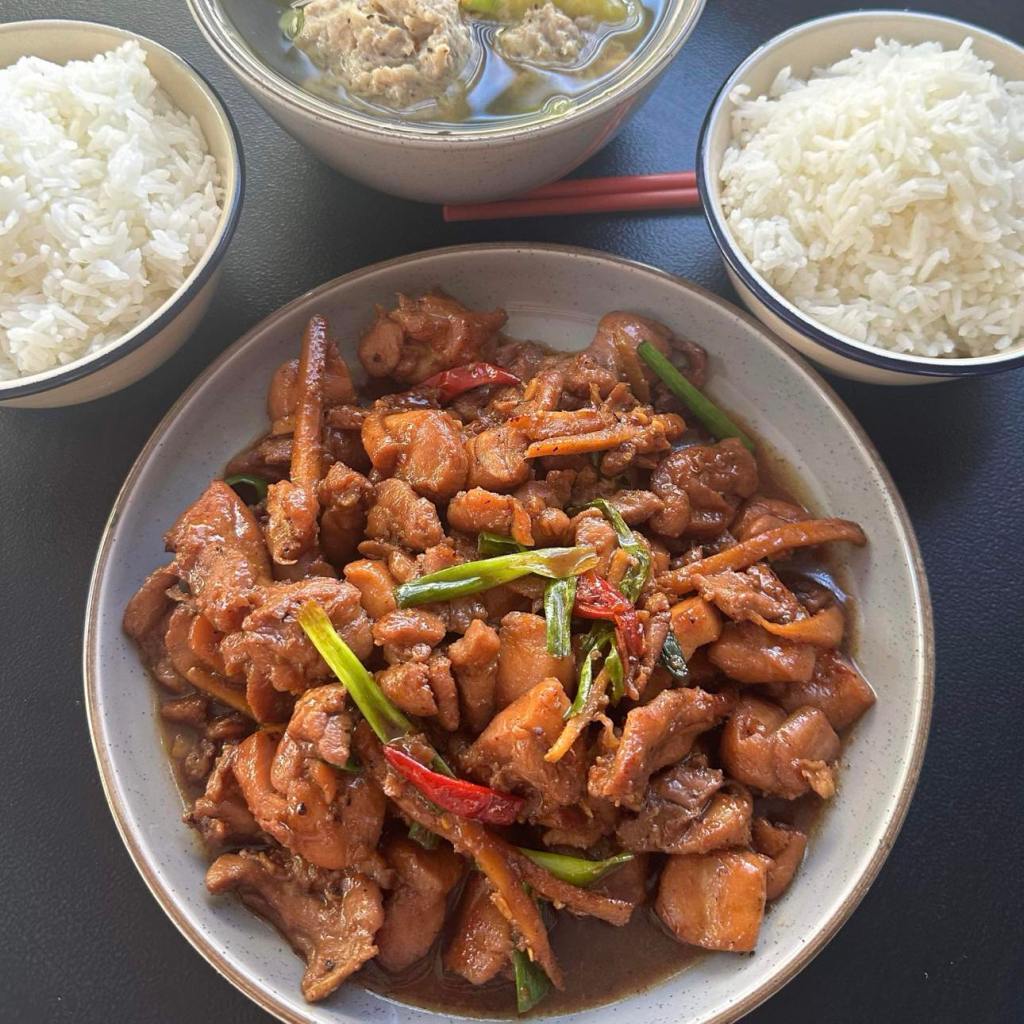
- Stirfried tofu or chicken
- Simple snack dips for raw veggies
Benefits vs. risks—a balanced view
On the plus side, ssamjang packs a punch of probiotics from the fermented pastes, plus vitamins from garlic and sesame oil. On the downside, it can be salty, and the fermented ingredients might trigger sensitivities for some. Knowing both sides helps you enjoy the sauce responsibly.
Key Ssamjang Ingredients
Doenjang—the umami foundation
Doenjang is a thick, salty soybean paste that brings deep, earthy notes. When choosing a brand, look for a rich, dark color and a scent thats more earthy than metallic. If you cant find Korean doenjang, a good-quality miso can work as a substitute, though the flavor will shift slightly.
Gochujang—the sweet‑spicy kicker
Gochujang adds heat and a faint sweetness. Its fermented rice base balances the saltiness of doenjang. Curious about the many gochujang sauce uses, you’ll find it shines not only in ssamjang but also as a glaze, stir‑fry base, and even in soups.
Aromatics—garlic, green onion, sesame oil, honey
Finely minced garlic and sliced green onions light up the paste, while a drizzle of toasted sesame oil provides a nutty finish. A touch of honey or sugar can round off any sharp edges—especially useful in the ssamjang recipe easy version.
Ingredient substitutions (including miso)
- Half the doenjang, white miso for a lighter, sweeter profile (ssamjang recipe miso).
- Honey, agave or maple syrup for vegans.
- Sesame oil, avocado oil if you have a nut allergy.
Optional add‑ins for extra personality
Crushed peanuts, toasted sesame seeds, or a splash of fruit puree (like pear) can turn a standard dip into a signature house sauce. Experiment—your palate will thank you.
Step‑by‑Step Recipe
Quick overview (time, tools, make‑ahead tip)
This recipe takes about 10 minutes, needs only a small bowl and a whisk, and can be stored in the fridge for up to three weeks. Perfect for busy weeknights.
Equipment
- Small mixing bowl
- Measuring spoons
- Whisk or fork
Detailed instructions (Maangchi style)
- Measure the base: ½ cup doenjang and 1 Tbsp gochujang. This is the classic ssamjang recipe maangchi ratio.
- Add aromatics: 1 clove minced garlic, 1 stalk green onion finely chopped.
- Adjust texture: Stir in ¼ cup cold water (or a splash of rice wine) until the mixture reaches a dip‑ready consistency.
- Finish the flavor: Add 1 Tbsp toasted sesame oil, ½ tsp honey (optional), and a pinch of roasted sesame seeds.
- Mix thoroughly: Whisk until smooth. Taste and tweak—if it feels too salty, add a bit more water; if you crave heat, a dash more gochujang.
- Rest (optional): Let the sauce sit for 10 minutes for the flavors to meld. Serve with lettuce leaves, grilled meat, or as a dip for raw veggies.
Looking for a full rundown? Check out this detailed gochujang sauce recipe for variations and tips.
Shortcut version—ssamjang recipe easy
If youre short on time, combine a readymade gochujang‑doenjang blend (available in most Asian markets) with a spoonful of minced garlic, a drizzle of sesame oil, and a sprinkle of sugar. Thats it—instant ssamjang sauce with minimal prep.
Creative Variations
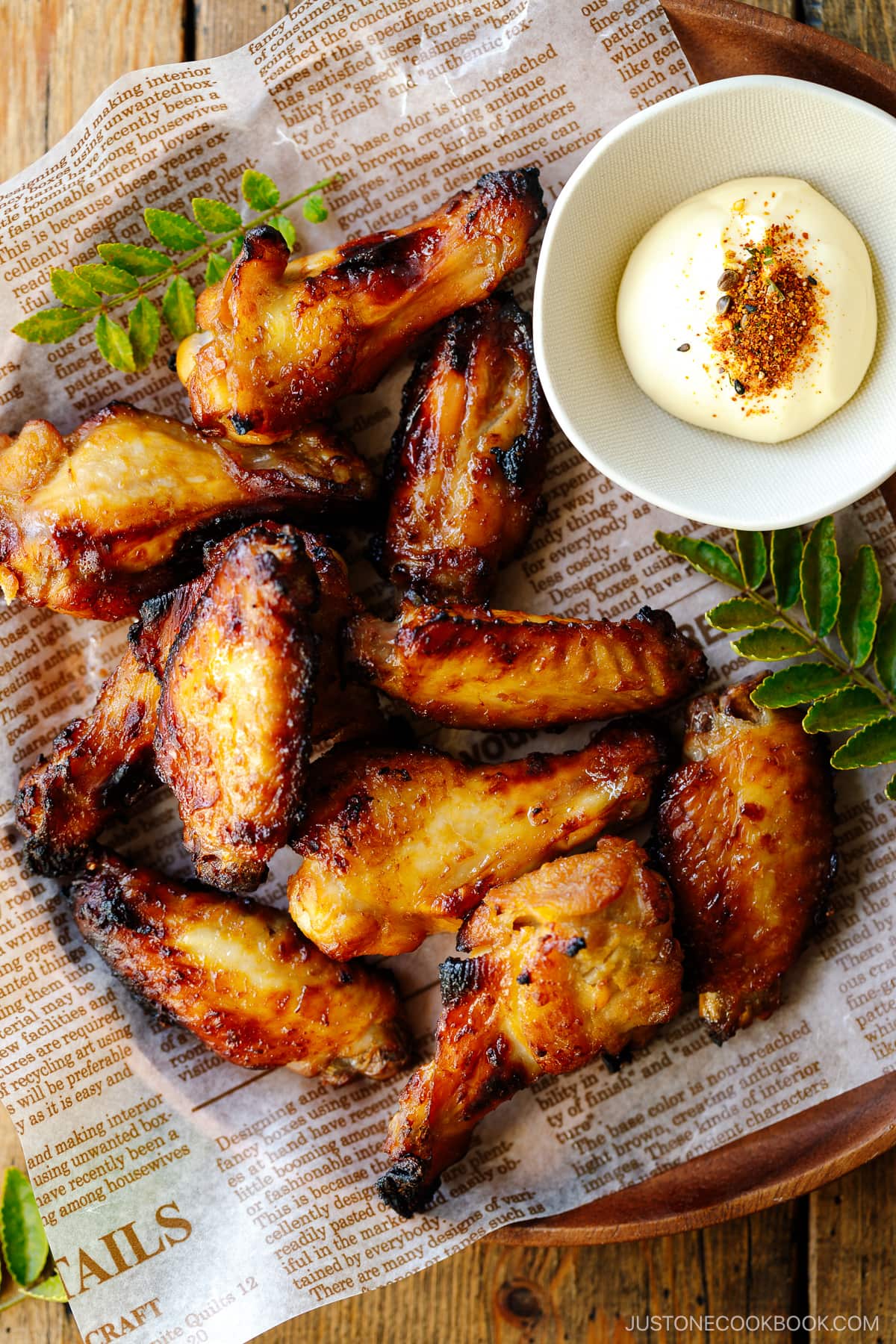
Ssamjang for chicken—a tasty glaze
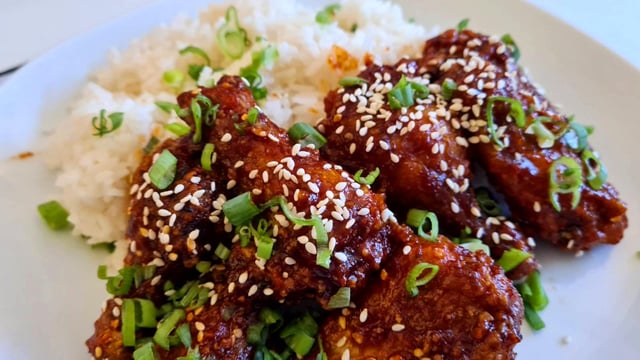
Mix the basic sauce with 2 Tbsp soy sauce and 1 Tbsp rice vinegar. Brush onto chicken thighs before grilling for a caramelized, tangy crust. For inspiration, see the sesame ginger chicken cheesecake factory twist, which adds a hint of ginger and a creamy finish.
Sweet‑spicy miso ssamjang
Swap half the doenjang for white miso, keep the gochujang ratio, and add a teaspoon of brown sugar. The result is a smoother, slightly sweet dip that pairs wonderfully with roasted vegetables.
Vegan & gluten‑free adjustments
Use agave instead of honey, and replace soy‑based gochujang with a certified gluten‑free version. The sauce stays just as bold, and everyone can enjoy it.
Using ssamjang as a sauce—beyond a dip
- Stir it into hot rice for a quick bibimbap base.
- Thin with broth to make a spicy noodle broth.
- Spread on a crusty baguette for a Korean‑style bruschetta.
Ssamjang vs Gochujang
Core flavor differences
Doenjang brings deep, fermented umami; gochujang offers bright heat and a hint of sweetness. When combined, they create a balanced, multidimensional taste thats more than the sum of its parts.
When to substitute one for the other
If you only have gochujang on hand, you can thin it with a bit of soy sauce and sesame oil to mimic ssamjang for a quick dip. Conversely, if you lack doenjang, a miso‑gochujang blend works in a pinch, though the texture will be smoother.
Comparison Table
| Aspect | Ssamjang | Gochujang |
|---|---|---|
| Primary Base | Doenjang (fermented soybean) | Fermented rice & chili |
| Flavor Profile | Umami‑rich, savory, mildly spicy | Sweet‑spicy, bright heat |
| Sodium Level | Higher (due to doenjang) | Moderate |
| Typical Uses | Dips, wraps, marinades | Marinades, sauces, soups |
Storage & Troubleshooting
Common problems and fixes
- Too salty? Dilute with a splash of water or add a bit more gochujang to balance.
- Too thick? Whisk in extra water, rice wine, or a tiny dash of sesame oil.
- Separation after refrigeration? Give it a quick stir; the oil will recombine.
Proper refrigeration and shelf life
Store your ssamjang in a clean glass jar with a tight lid. According to FoodSafety.gov, fermented sauces keep well for 2–3 weeks in the fridge. For longer storage, freeze in ice‑cube trays and transfer the frozen cubes to a zip‑top bag.
Freezing safety
Freezing won’t ruin the flavor, but the texture may become a bit grainy after thawing. Warm it gently and whisk before using to restore smoothness.
Conclusion
Mastering the ssamjang recipe opens a door to countless Korean‑style meals, from sizzling BBQ wraps to comforting noodle bowls. You now have the core formula, a few shortcuts, and plenty of ideas for creative twists—whether you’re glazing chicken, experimenting with miso, or simply enjoying it as a dip.
Give the sauce a try tonight, and feel free to share your own flavor experiments. If you love the result, download the printable recipe card below and tag us with your #SsamjangCreations for a chance to be featured on our social channels. Happy cooking, and may every bite be bursting with umami joy!
FAQs
What ingredients are essential for a basic ssamjang recipe?
The core ingredients are doenjang (fermented soybean paste), gochujang (Korean chili paste), minced garlic, green onions, toasted sesame oil, and a touch of sweetener like honey or sugar.
Can I substitute miso for doenjang in ssamjang?
Yes, white miso can replace part or all of the doenjang for a milder, slightly sweeter flavor, though the traditional umami depth will be less intense.
How long does homemade ssamjang keep in the refrigerator?
Stored in an airtight glass jar, ssamjang lasts about 2–3 weeks in the fridge. For longer storage, freeze it in ice‑cube trays and transfer the cubes to a zip‑top bag.
Is ssamjang suitable for a vegan diet?
Absolutely—just use agave or maple syrup instead of honey and ensure your gochujang is vegan (some brands contain fish sauce).
What are some creative ways to use ssamjang beyond lettuce wraps?
Stir it into hot rice for a quick bibimbap base, thin it with broth for a spicy noodle soup, or spread it on toasted baguette slices for a Korean‑style bruschetta.