Ever stared at an empty fridge, craved that warm, comforting aroma of Japanese curry, but felt the pantry was bare? Good news: a single pack of Japanese curry cubes can turn a handful of simple ingredients into a hearty meal faster than you can say itadakimasu. In the next few minutes youll learn the exact watertocube ratio, where to snag fresh cubes near you, the calorie count youve been wondering about, and even a few creative twists that push the flavor beyond the classic meatandpotato stew.
Stick with me, and by the time you finish reading youll be able to whip up a delicious Japanese curry in 15minutes, understand the nutrition, pick the right brand, and feel confident experimenting with sauces, marinades, and fusion dishes. Lets get cooking!
What Are Cubes
Definition & Core Ingredients
Japanese curry cubes are premeasured blocks of rouxessentially a blend of flour, butter (or oil), curry powder, and a secret mix of spices. The most popular brand, S&Bs Golden Curry, packs turmeric, cumin, coriander, and a hint of apple for subtle sweetness. Because the roux is already cooked, it thickens instantly once dissolved in hot liquid, delivering that velvety texture we love.
How They Work Roux Chemistry
Think of the cube as a tiny, edible laboratory. The butter or oil coats the flour particles, preventing them from clumping. When you add hot water, the starches gelatinize, and the spices diffuse, creating a uniform sauce. This instant roux trick eliminates the need to whisk flour and butter separatelyperfect for weeknight rushes.
Common Varieties
- Mild (good for kids or those who shy away from heat)
- Medium (the classic balance)
- Hot (for spice lovers)
- Golden Curry (the iconic S&B flavor that most people recognize)
Cooking Basics
Standard Ratio
The golden rule is one cube per 150ml (5oz) of water. This ratio, verified by several homecooking blogs, yields a sauce thats thick enough to coat rice but still spoonable. If you prefer a looser brothperhaps for ramenadd an extra 50ml of water per cube.
StepbyStep Flow
- Heat a tablespoon of oil in a pot; saut onions, carrots, and your protein of choice until lightly browned.
- Pour in the measured water and bring to a gentle boil.
- Add the curry cube(s) and stir continuously until fully dissolvedabout 2minutes.
- Reduce heat, let simmer 510minutes so the flavors meld.
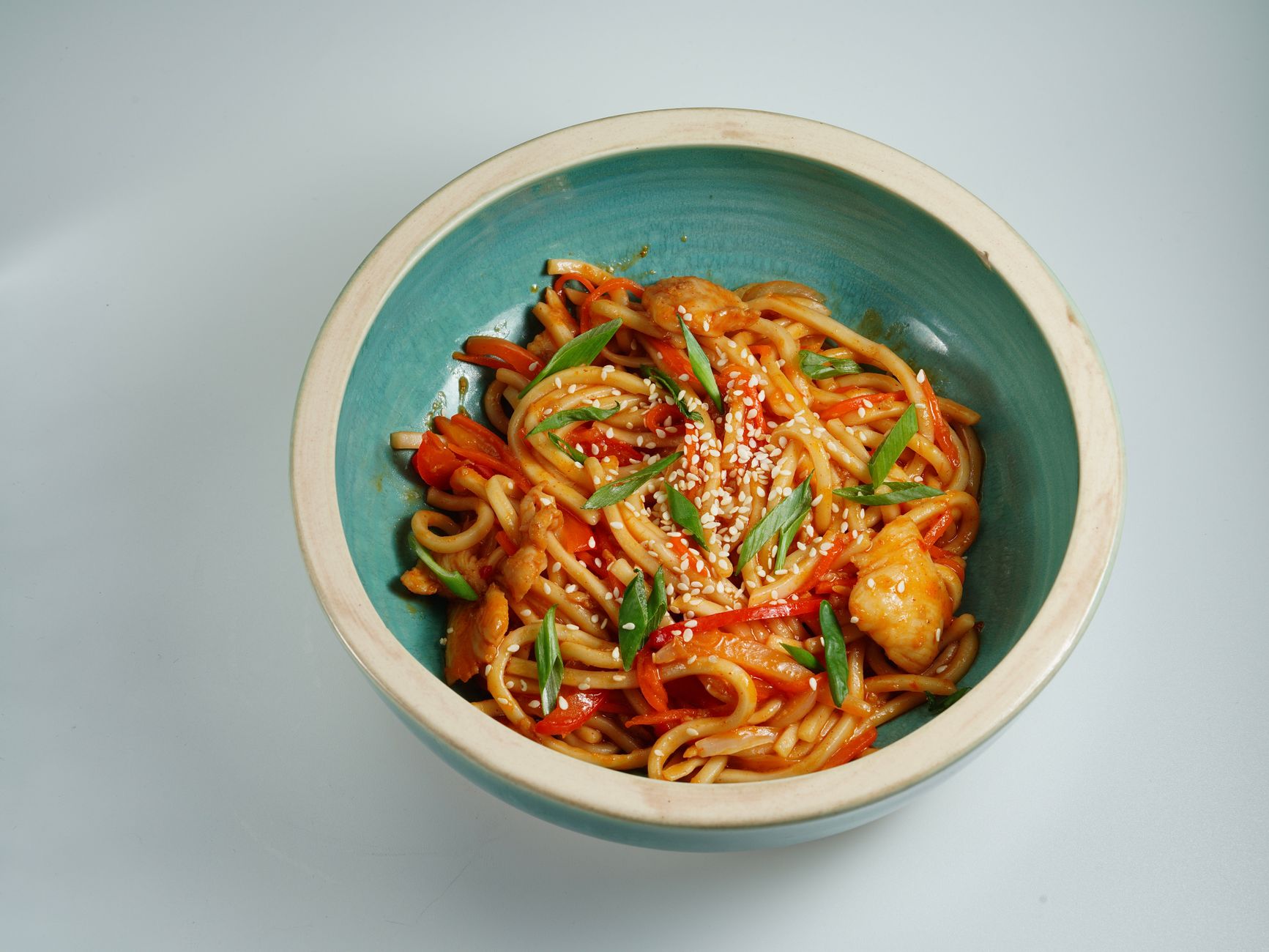
- Serve over steamed rice, udon, or even crusty bread.
Adjusting Thickness & Spice
Too thick? Thin with milk, coconut milk, or extra broth. Need more heat? Mix in a dash of soy sauce, a pinch of chili flakes, or an extra halfcube. The beauty of these cubes is their flexibilityyoure the chef, after all.
Nutrition Snapshot
Calorie Count
One typical Japanese curry cubes block contains roughly 35kcal. The exact number varies slightly by brand, but its a lowcalorie way to add flavor without loading up on fat.
Macro Breakdown
Per cube: ~7g carbs, 1g protein, 1g fat. Most of the carbs come from the flour base; the fat is primarily from the butter used in the roux.
Health Considerations
Watch the sodiumcubes can contain up to 600mg of salt per block. If youre on a lowsodium diet, consider using a reducedsodium broth or diluting the sauce with water. For glutenfree or vegan needs, look for specialty cubes that replace wheat flour with rice flour and dairy butter with plantbased oils. According to the USDA FoodData Central, a typical serving fits comfortably within a balanced diet when paired with plenty of vegetables.
Where to Buy Near You
Finding Cubes Locally
Supermarkets with an Asian aislethink Walmart, Costco, or regional chainsusually stock S&B Golden Curry. Asian grocery stores are treasure troves; they often carry multiple heat levels and even limitededition flavors.
Best Online Options
If you cant locate them locally, Amazon carries a variety of Japanese curry cubes, including bulk packs that are perfect for families. Ordering online also gives you access to customer reviews that can guide you toward the right heat level for your palate.
Price & Size Comparison
| Pack Size | Price (USD) | Number of Cubes | Best For |
|---|---|---|---|
| 8.4oz (12 cubes) | $4.99 | 12 | Weekly family meals |
| 220g (5 cubes) | $3.20 | 5 | Singleserve experiments |
Classic Japanese Curry Recipe
Ingredients
- 2cups water
- 2cubes Golden Curry (medium)
- 200g chicken thighs, bitesize
- 1 medium carrot, sliced
- 1 large potato, diced
- 1 onion, chopped
- 1 tbsp vegetable oil
- Steamed rice, for serving
Instructions
- Heat oil in a pot; saut onion until translucent.
- Add chicken, carrot, and potato; brown lightly.
- Pour in 2cups water, bring to boil.
- Stir in the two curry cubes; keep stirring until smooth.
- Simmer 810minutes until vegetables are tender.
- Serve hot over rice and enjoy the comforting aroma.
Tips & Troubleshooting
If the sauce looks lumpy, whisk vigorously or use a handheld blender. Too salty? Add a splash of milk or a small diced appleit mellows the salt and adds a pleasant sweetness, a trick highlighted by Just One Cookbook.
Creative Ways to Use Cubes
CurryFlavored StirFry Sauce
Drop a halfcube into a hot wok with soy sauce, a touch of honey, and your favorite vegetables. The result is a quick, savory glaze perfect for chicken or tofu.
Curry Ramen Broth
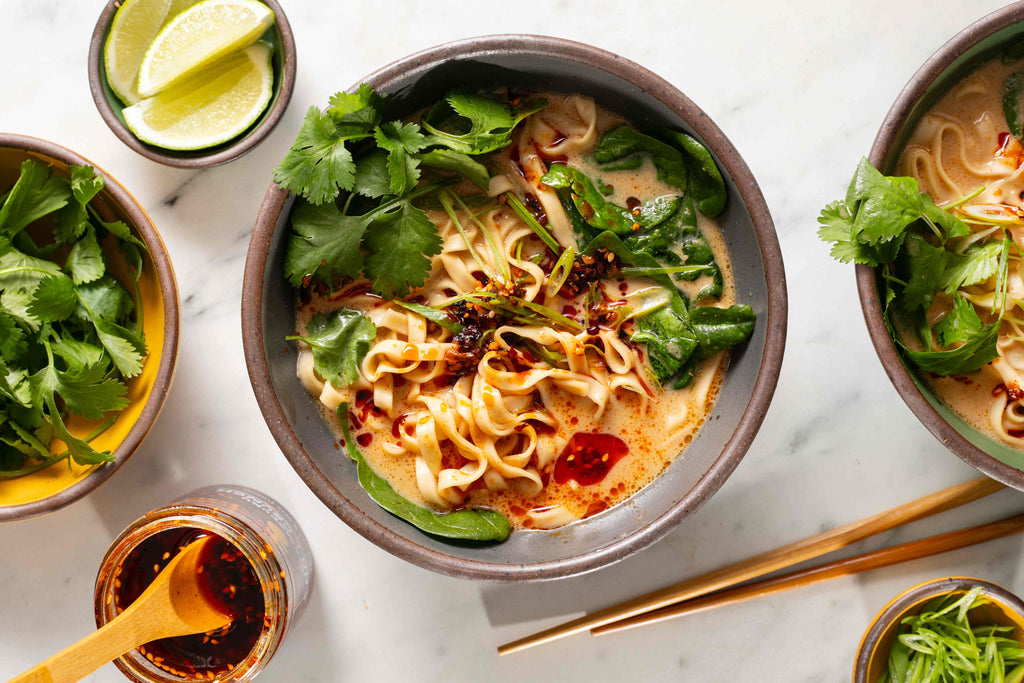
Replace half of the dashi with dissolved curry cubes for a rich, spicy ramen that feels both familiar and adventurous.
Marinade for Grill
Mix one cube with yogurt, lime juice, and ginger. Marinate shrimp or firm tofu for 30minutes, then grill. The curry caramelizes beautifully, giving a crunchy, aromatic finish.
Fusion Dishes
Try a currycheese dip for nachos, or spread a thin layer of curry sauce under pizza sauce for a JapaneseItalian twist. The possibilities are endless once you grasp the basic how to use Japanese curry cubes.
Brand Comparison
| Brand | Heat Level | Cube Size | Key Spice Notes | Price (USD) | Recommended Use |
|---|---|---|---|---|---|
| S&B Golden Curry | MediumHot | 8.4oz | Turmeric, pepper, subtle apple | $4.99 | Classic meat curry |
| Vermont Curry | Mild | 220g | Sweet apple, gentle spice | $3.80 | Kids, light meals |
| Kokumaro | Spicy | 8oz | Chili, garam masala | $5.20 | Stirfry, bold sauces |
| Homemade Roux (Just One Cookbook) | Adjustable | Pure control of seasoning | DIY enthusiasts |
Balancing Benefits & Risks
Benefits
These cubes deliver consistent flavor, save time, and require minimal cooking skill. Theyre portable, shelfstable, and perfect for budgetfriendly meals.
Risks
The primary concerns are sodium and hidden allergens like gluten and dairy. Overreliance on premade sauces can also mask the opportunity to experiment with fresh herbs and spices.
Mitigation Strategies
- Pair with plenty of vegetables to boost fiber and nutrients.
- Use lowsodium broth or dilute the sauce.
- Swap butter for a plantbased alternative if youre dairyfree.
- Control portionsone or two cubes per serving is usually enough.
Conclusion
To sum it up, mastering Japanese curry cubes is all about three simple ideas: nail the 1cube:150ml water ratio, recognize the versatility that lets you shift from classic stew to stirfry sauce in seconds, and make smart choices about sodium and allergens. With a pack of Golden Curry on hand, you can turn a weekday dinner into a cozy feast, impress friends with a quick currymarinated grill, or experiment with daring fusion recipes.
Why not grab a pack today, try the classic recipe, and then play around with one of the creative twists? Id love to hear which variation became your new favorite. Happy cooking!
FAQs
What is the ideal water-to-cube ratio for Japanese curry cubes?
The standard ratio is one cube per 150 ml (5 oz) of water. Adjust with extra liquid if you prefer a thinner sauce.
How many calories does a typical Japanese curry cube contain?
One cube usually has about 35 kcal, providing roughly 7 g carbs, 1 g protein, and 1 g fat.
Can I use Japanese curry cubes in dishes other than the classic stew?
Absolutely! They work great as stir‑fry sauces, ramen broth enhancers, marinades, and even in fusion recipes like curry‑cheese dips.
Are there low‑sodium or gluten‑free Japanese curry cube options?
Yes, several brands offer reduced‑sodium or gluten‑free versions that replace wheat flour with rice flour and dairy butter with plant‑based oils.
Where can I buy Japanese curry cubes near me?
Most supermarkets with an Asian aisle (e.g., Walmart, Costco) stock them, and Asian grocery stores often carry a wider variety. They’re also widely available on Amazon.