Craving the smoky heat of Korean gochujang with the bright, vinegary punch of Filipino adobo? This quickcook Korean pork recipe Filipino style blends the best of both worlds in a single pan, no grill needed. Grab some pork belly, a few pantry staples, and youll have a dinner thats bold, balanced, and ready in just half an hour.
Why This Fusion Works
At first glance, Korean and Filipino cuisines seem worlds apartone is famous for fermented chili paste, the other for tangy vinegar marinades. Yet, they share a common love for saltysweetsourumami flavor combos. When you pair the deep, fermented heat of gochujang with the sharp acidity of Philippine cane vinegar, the result is a harmonious dance on the palate.
From my own kitchen experiments, the first time I tossed gochujang into a classic adobo sauce, my family swore it was a newfound love story. The pork stayed juicy thanks to the fat in pork belly, while the sauce achieved a perfect balance: salty soy, sweet brown sugar, sour vinegar, and that unmistakable umami kick from gochujang.
What makes gochujang the perfect bridge?
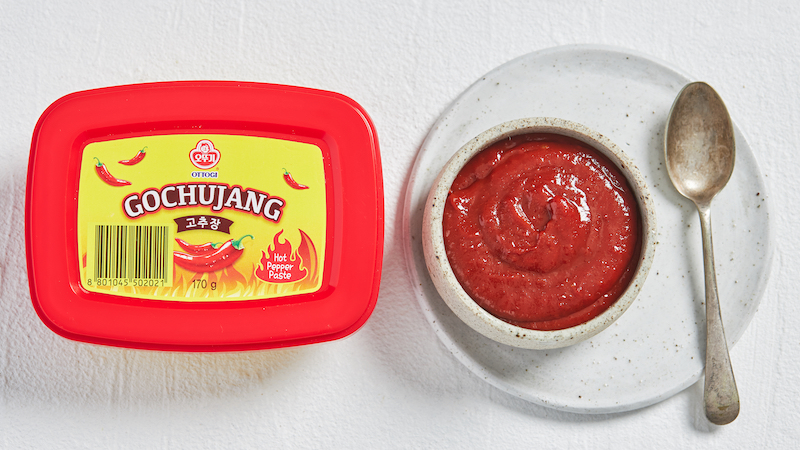
Gochujang is a fermented red chili paste made from glutinous rice, fermented soybeans, and red pepper powder. Its fermentation process creates a depth of flavor that cuts through the sharpness of vinegar, smoothing the overall taste. According to USDA FoodData Central, a tablespoon of gochujang provides roughly 30 calories, modest protein, and a healthy dose of capsaicin, which can boost metabolism.
Quick Fact Box Gochujang Nutrition (per 1 tbsp)
| Nutrient | Amount |
|---|---|
| Calories | 30 kcal |
| Protein | 1.2 g |
| Carbohydrates | 4 g |
| Fat | 0.5 g |
| Capsaicin | ~10 mg |
Which Filipino ingredients keep it authentic?
- Philippine cane vinegar delivers the clean, slightly fruity acidity that Filipino adobo is known for.
- Bay leaves add a subtle herbal note, just like in traditional adobo.
- Pineapple juice (optional) a sweet counterpoint that brightens the dish without overwhelming the Korean heat.
Comparison: Filipino vs. Korean Staples
| Ingredient | Filipino Use | Korean Use |
|---|---|---|
| Vinegar | Cane vinegar, 23 tbsp | Rice vinegar, rarely used |
| Sweetener | Brown/palm sugar | Honey or corn syrup |
| Heat | Fresh chilies | Gochujang or gochugaru |
| Umami | Fish sauce | Doenjang, soy sauce |
Essential Ingredients List
Heres everything youll need for a serving that feeds four. Feel free to swap out items based on whats in your pantry.
| Category | Item | Typical Amount | Why it matters |
|---|---|---|---|
| Pork | Pork belly (or shoulder) | 1lb, sliced inch | Fat gives juicy texture; buy from a reputable butcher for safety. |
| Marinade | Gochujang | 3Tbsp | Core Korean heat and depth. |
| Soy sauce (light) | 2Tbsp | Salty foundation. | |
| Philippine cane vinegar | 2Tbsp | Classic adobo tang. | |
| Brown or palm sugar | 1Tbsp | Balances acidity. | |
| Aromatics | Garlic, ginger, scallions | 3cloves, 1tsp minced, 2Tbsp sliced | Boosts fragrance and flavor layers. |
| Veggies (optional) | Bell pepper, carrot, onion | 1 cup total, sliced | Adds color, crunch, and nutrition. |
| Oil | Sesame or neutral oil | 1Tbsp | Prevents sticking; sesame adds nutty note. |
Pro tip: If you cant locate gochujang, blend 2Tbsp miso with 1Tbsp chili paste for a decent standin. It wont be as fermented, but the flavor profile remains satisfying.
StepbyStep Cooking
1 Prep the Pork & Marinade
Start by cutting the pork into bitesize pieces. In a bowl, whisk together gochujang, soy sauce, vinegar, sugar, minced garlic, and grated ginger. Toss the pork in the mixture and let it sit for 15minutes if youre short on time, or 24hours for deeper infusion. As you wait, the aroma will already hint at the forthcoming deliciousness.
2 HighHeat StirFry (JeyukBokkeum Style)
Heat a wok or large skillet over mediumhigh heat and add the oil. When the oil shimmers, spread the pork in a single layerdont crowd the pan, or youll steam instead of sear. Let it sizzle undisturbed for 23minutes per side until a caramelized crust forms. Sprinkle in the optional veggies, pour any remaining marinade over everything, and toss for another 2minutes until the vegetables are just tender.
3 Finish & Serve
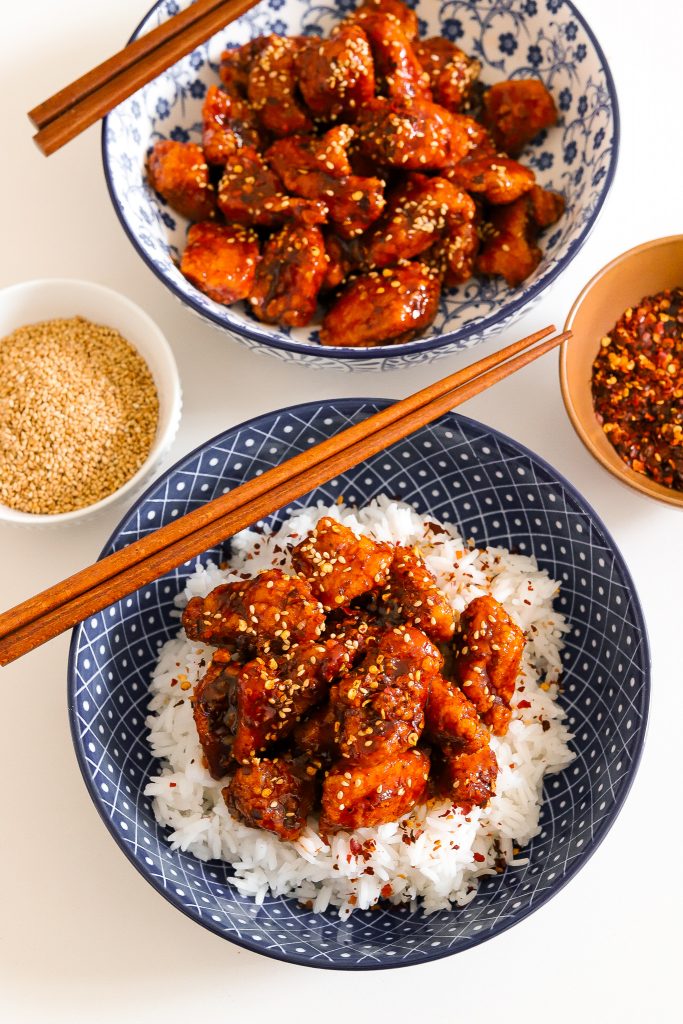
Finish with a generous sprinkle of sliced scallions and toasted sesame seeds. Serve hot over a mound of steamed jasmine rice or, for a true Filipino twist, over garlicfried sinangag. The contrast of fluffy rice and bold sauce makes every bite unforgettable.
Video & Photo Checklist (for future posts)
- Quickclip of the marinating bowl.
- Closeup of pork caramelizing.
- Final plating with bright peppers and sesame seeds.
Flavor Variations
One of the joys of fusion cooking is the ability to dial flavors up or down based on your mood.
Spicy vs. Mild Adjusting the Heat
If you love heat, double the gochujang and add a pinch of Korean chili flakes (gochugaru). For a milder palate, cut the gochujang to 1Tbsp, then balance with a drizzle of honey or maple syrup.
GlutenFree / LowSodium Options
Swap regular soy sauce for tamari to keep the dish glutenfree. Reduce the vinegar to 1Tbsp and increase the brown sugar slightly if youre watching sodium; the natural sweetness will still carry the dish.
Dietary Concerns Pork Safety & Nutrition
Make sure the pork reaches an internal temperature of USDA recommended pork temperature (145F) before serving. This ensures safety without drying out the meat.
Comparison Table Traditional Korean Bulgogi vs. FilipinoStyle Fusion
| Feature | Korean Bulgogi | FilipinoStyle Pork |
|---|---|---|
| Primary sauce | Gochujang + sesame oil | Gochujang + cane vinegar |
| Sweetener | Sugar or honey | Brown/palm sugar |
| Acid | None / rice wine | Cane vinegar |
| Garnish | Sesame seeds, scallions | Scallions, sliced chilies |
| Cooking method | Grill or pansear | Panstirfry |
Expert Insights
During a recent chat with Chef AnaLuz, a FilipinoKorean culinary mentor, she highlighted three key points that make this dish shine:
- Balance is king. Never let one flavor dominate; the sweet, sour, salty, and spicy should each be present in every bite.
- Timing matters. A quick sear locks in juices, while a brief stirfry keeps veggies crisp.
- Freshness wins. Use fresh garlic, ginger, and highquality gochujang for the most authentic depth.
Chef Luz also suggested serving the dish with a side of pickled cucumber (a common Filipino atchara style) to cleanse the palate between bites. Simple, inexpensive, and it adds a bright crunch.
Conclusion
Youve just mastered a dish that marries the bold, fermented kick of Korean gochujang with the bright, vinegary soul of Filipino adobo. Whether youre feeding a busy family, impressing friends, or simply craving something new, this Korean pork recipe Filipino style delivers flavor, balance, and a dash of culinary adventure in under 30minutes. Give it a try tonight, snap a photo, and share your creation with usyoull be part of a tasty conversation that spans continents. Want more fusion ideas? Stay tuned for weekly recipes that blend tradition with todays taste.
FAQs
What cut of pork works best for this Korean‑Filipino fusion?
Pork belly gives the dish its juicy richness, but pork shoulder or pork loin can be used if you prefer a leaner option.
Can I make this recipe without gochujang?
Yes—mix 2 Tbsp miso with 1 Tbsp chili paste as a substitute, though the flavor won’t be as deep and fermented.
How long should I marinate the pork for maximum flavor?
At least 15 minutes if you’re short on time; for richer taste, marinate up to 24 hours in the refrigerator.
What’s the ideal cooking temperature for the pork?
Cook until the internal temperature reaches 145 °F (63 °C) as recommended by the USDA, which ensures safety while keeping the meat moist.
What side dishes pair well with this fusion pork?
Serve over steamed jasmine rice, garlic‑fried sinangag, or with pickled cucumber (atchara) for a crisp, refreshing contrast.