Why Gingered Sweet Potatoes Recipe?
The first spoonful is creamy, buttery, and gently warm with fresh ginger. Garlic adds savory depth, while sweet potatoes bring a mellow sweetness that makes this side dish feel comforting without tasting heavy.
Gingered Sweet Potatoes Recipe is a smooth vegetable side made by simmering sweet potatoes until tender, then blending them with cream, butter, garlic, and fresh ginger. The result is a silky purée with balanced sweetness, gentle spice, and enough richness for holiday dinners or simple weeknight meals.
This recipe uses a small saucepan for the cream mixture and a large pot for the sweet potatoes. Keeping those steps separate helps the ginger and garlic infuse the cream while the potatoes cook. Serve the purée warm beside roast chicken, grilled vegetables, baked fish, or a hearty bean dish.
I prefer freshly grated ginger here because it spreads through the cream more evenly than dried ginger. The finished potatoes should be soft enough to mash easily, but not waterlogged. That small detail makes a noticeable difference in the final texture.

Health Benefits & Nutrition
Sweet potatoes provide carbohydrates for energy and are naturally rich in orange color from beta-carotene. The body can convert beta-carotene into vitamin A, which supports normal vision and immune function. The amount varies with the size and variety of the potatoes.
This dish also supplies dietary fiber from the sweet potatoes. Fiber can help add bulk to meals and supports normal digestion. Leaving the potatoes unpeeled is not recommended for this recipe because the purée is meant to be especially smooth, but peeling does remove some of the fiber found near the skin.
Fresh ginger contributes a sharp, warming flavor, so you can use it to make the dish taste lively without adding sugar. Garlic adds savory flavor and makes the butter and cream taste less one-dimensional.
Butter and heavy cream provide richness, but they also make this side dish higher in saturated fat and calories than plain mashed sweet potatoes. The nutrition estimate below is approximate and depends on potato size, cream brand, and serving size. Anyone managing a medical condition or following a specific diet should check ingredients and serving guidance with a qualified healthcare professional or dietitian.
Approximate nutrition per serving: 390 calories, 4 grams protein, 30 grams carbohydrates, and 28 grams fat. This estimate assumes six servings and includes all the butter and cream listed in the recipe.
Ingredients & Preparation
Recipe Card
| Prep time | Cook time | Total time | Servings | Calories (approx) | Diet tags |
|---|---|---|---|---|---|
| 15 minutes | 25 minutes | 40 minutes | 6 servings | 390 per serving | Vegetarian |
Full ingredient list
- 6 tablespoons unsalted butter, divided
- 6 garlic cloves, peeled
- 2 tablespoons finely chopped fresh ginger
- 1 1/2 cups heavy cream
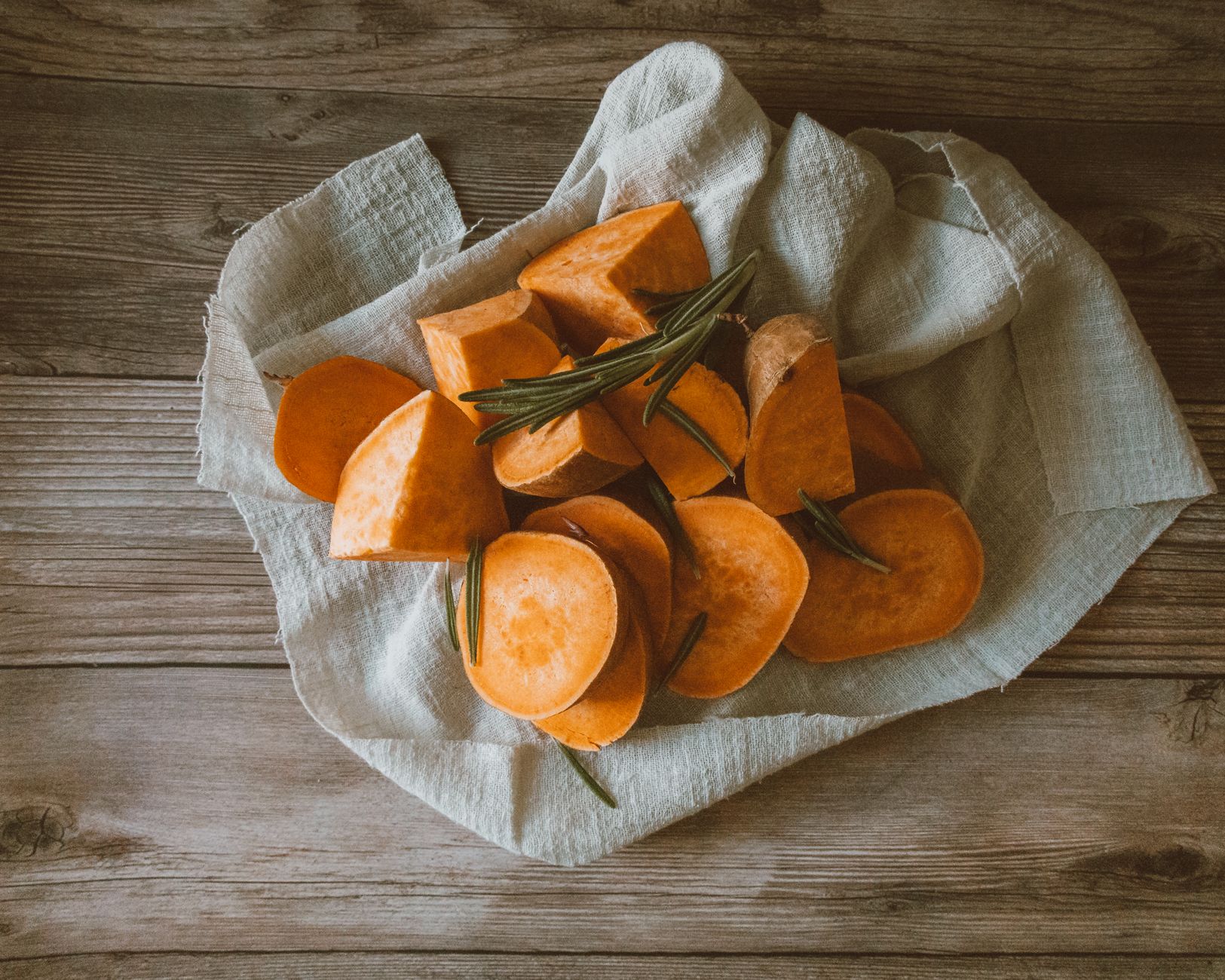
- 4 medium sweet potatoes, peeled and cut into 1-inch pieces
- 1 teaspoon fine salt, plus more to taste
- 1/4 teaspoon freshly ground black pepper, plus more to taste
Equipment needed
- Small saucepan
- Large saucepan or stockpot
- Chef’s knife and cutting board
- Colander
- Food processor or sturdy potato masher
- Heatproof spatula or wooden spoon
Tips for choosing quality ingredients
Choose sweet potatoes that feel firm and heavy for their size. Avoid potatoes with soft spots, deep cuts, or wrinkled skin. Medium potatoes cook more evenly than very large ones, which is helpful when you want every piece ready at the same time.
Look for ginger with smooth, taut skin and a firm texture. Fresh ginger should smell bright and citrusy when cut. If the center is fibrous or dry, trim away the tough strands before chopping.
Use heavy cream rather than milk for the silkiest texture. Unsalted butter gives you more control over the seasoning, especially because the cream reduces slightly and concentrates its flavor.
Step-by-Step Instructions
1. Prepare the sweet potatoes and aromatics
Peel the sweet potatoes and cut them into pieces about 1 inch thick. Peel the garlic and finely chop the ginger. Keep the pieces similar in size so the potatoes finish cooking together. Set a large saucepan of water near the stove before starting the cream mixture.
2. Brown the garlic and infuse the cream
Heat a small saucepan over medium heat for 1 minute. Add 1 tablespoon of butter, then add the garlic cloves and chopped ginger. Cook for 3 to 4 minutes, stirring every 30 seconds, until the garlic develops light golden edges and the ginger smells fragrant.
Pour in the heavy cream and reduce the heat to low. Simmer gently for 10 minutes, stirring twice, until the cream has reduced by about one-third. Do not let it boil rapidly. The cream should look slightly thicker, with small lazy bubbles around the edge.
3. Boil the sweet potatoes until tender
Place the cut sweet potatoes in a large saucepan and add enough cool water to cover them by about 1 inch. Add a pinch of salt. Bring the water to a boil over high heat, then reduce the heat to medium-high and cook for 15 minutes.
Test a piece with the tip of a knife. It is ready when the knife slides through the center with almost no resistance. The potatoes should not squeak or feel firm in the middle. If your pieces are larger than 1 inch, they may need 3 to 5 extra minutes.
4. Drain and blend with the infused cream
Drain the sweet potatoes thoroughly in a colander for 1 minute. Transfer them to a food processor while they are still hot. Remove the garlic cloves from the cream mixture if you prefer a milder garlic flavor, or leave them in for a more savory result.
Add the warm cream and process on high for 45 seconds. Stop and scrape down the bowl if needed. The purée should look glossy and smooth, with no visible chunks. The first time I made this, I blended a wet batch without draining it well, and the result was loose. Letting the potatoes steam briefly in the colander prevents that problem.
5. Finish, season, and serve
Add the remaining 5 tablespoons of butter, 1 teaspoon of salt, and 1/4 teaspoon of black pepper. Process for another 30 seconds, or mash by hand for a more rustic texture. Taste and adjust the salt while the purée is warm.
Transfer the potatoes to a serving bowl and serve immediately. If holding them for up to 20 minutes, cover the bowl and keep it over a pan of warm water, not direct heat. Direct heat can make the bottom stick and turn the edges greasy.
Variations & Substitutions
Lighter gingered sweet potatoes: Replace half of the heavy cream with whole milk. Use 3/4 cup heavy cream and 3/4 cup whole milk. The purée will be slightly less rich but will still remain creamy.
Dairy-free version: Use 1 1/2 cups unsweetened full-fat coconut milk and replace the butter with 6 tablespoons of a neutral plant-based butter. Choose coconut milk without added vanilla or sugar. The flavor will have a subtle coconut note that works especially well with ginger.
More pronounced ginger flavor: Increase the fresh ginger from 2 tablespoons to 2 1/2 tablespoons. Add the extra ginger during the cream infusion rather than stirring it in raw at the end.
Maple variation: Stir 1 tablespoon of pure maple syrup into the finished purée. Taste before adding more because sweet potatoes vary in natural sweetness. Avoid using pancake syrup, which can make the dish taste artificial.
Spiced version: Add 1/4 teaspoon ground cumin and a small pinch of cayenne to the cream during the final 2 minutes of simmering. The cumin adds earthiness, while the cayenne gives gentle heat without overpowering the ginger.
Chunkier texture: Skip the food processor and mash the drained potatoes with a masher. Stir in the warm infused cream gradually, adding only enough to reach your preferred consistency. This method gives you small, soft pieces rather than a completely smooth purée.

Storage & Shelf Life
Refrigerate leftover sweet potatoes within 2 hours of cooking. Place them in a shallow airtight container and store them in the refrigerator for up to 4 days. The surface may firm slightly, but the texture will loosen when reheated gently.
To reheat, place the potatoes in a saucepan over low heat. Add 1 to 2 tablespoons of cream, milk, or water per serving and stir frequently for 8 to 10 minutes. You can also microwave them in a covered, microwave-safe bowl in 60-second intervals, stirring between intervals.
For freezing, cool the purée completely and portion it into airtight freezer containers or freezer bags. Leave a little room for expansion. Freeze for up to 2 months. Thaw overnight in the refrigerator, then reheat slowly with a splash of cream or milk.
Discard the dish if it develops a sour smell, mold, unusual discoloration, or a slimy texture. Do not taste food to decide whether it has spoiled. Reheated leftovers should be served hot throughout and should not be repeatedly cooled and reheated.
Pro Tips
Cut evenly: Uneven pieces cause a common texture problem. Small pieces become waterlogged before large pieces are tender. Keep the chunks close to 1 inch for consistent cooking.
Start the potatoes in cool water: This allows the centers to cook as the water heats. Dropping cold potato pieces into already boiling water can soften the outside too quickly while the middle remains firm.
Control the cream reduction: Low heat is essential. A rapid boil can make the cream scorch around the base of the pan. The correct cue is a gentle simmer and a cream mixture that lightly coats a spoon.
Remove excess water: After draining, leave the sweet potatoes in the colander for about 1 minute. Steam will escape, concentrating their flavor and keeping the finished purée from becoming watery.
Blend while hot: Warm potatoes absorb the cream and butter more readily. Cold potatoes can turn dense, especially when processed for too long.
Avoid over-processing: Forty-five seconds is usually enough for a smooth purée in a standard food processor. Processing for several minutes can make potatoes gluey because their starch becomes more active.
Balance the flavor at the end: Ginger can taste sharper as the dish cools, while sweetness becomes more obvious when the potatoes are hot. Season in small additions, tasting after each one.
Questions & Answers
When is the best time to eat Gingered Sweet Potatoes Recipe?
The best time to eat Gingered Sweet Potatoes Recipe is immediately after preparation, while the purée is warm and silky. It works well as a side dish for dinner, especially with roasted or grilled foods. If serving later, keep it covered and warm for no more than 20 minutes, then stir before serving.
Can I make this recipe without a food processor?
Yes, you can make it without a food processor by using a potato masher or ricer. A masher creates a slightly rustic texture, while a ricer produces a smoother result. Add the warm infused cream gradually so you can stop before the potatoes become too loose.
Can I prepare these sweet potatoes ahead of time?
Yes, you can prepare them up to one day ahead and refrigerate them in a covered container. Reheat gently in a saucepan over low heat with a small splash of cream or milk. Stir often, because the thick purée can stick to the bottom if heated too quickly.
Why did my sweet potato purée turn watery?
Your purée may turn watery if the potatoes absorb too much cooking water or are not drained thoroughly. Cut the pieces evenly, cook them only until tender, and let them steam in the colander for 1 minute. Also measure the cream carefully instead of adding extra at once.
Can I use ground ginger instead of fresh ginger?
Yes, use 1 teaspoon of ground ginger in place of the 2 tablespoons of fresh ginger. Add it to the cream after the garlic has cooked for 3 to 4 minutes. Fresh ginger gives a brighter, more aromatic flavor, while ground ginger tastes warmer and more concentrated.
What can I serve with gingered sweet potatoes?
Serve them with roast chicken, turkey, pork, baked salmon, or sautéed greens. Their soft sweetness also pairs nicely with lentils, black beans, and roasted cauliflower. For a vegetable-focused meal, consider adding Tandoori vegetables recipes for a contrast of toasted spices and crisp edges.
How can I make the flavor less sweet?
Make the flavor less sweet by increasing the salt gradually and adding a little more black pepper. You can also add 1/4 teaspoon of ground cumin or 1 teaspoon of lemon juice. Add acidic ingredients carefully, because too much lemon can make the cream taste sharp.
More Recipes You Will Love
If you enjoy warm vegetable sides with bold seasoning, try pairing this purée with Tandoori vegetables recipes. The roasted spices and caramelized edges provide a pleasing contrast to the smooth sweet potatoes.
For a lighter plate, serve the potatoes with peppery greens and a sharp dressing. This Salad of roasted beets and arugula with blue cheese dressing recipe 1941975 adds earthy beets, fresh arugula, and tangy cheese to the meal.
You can also make a simple dinner by serving a small scoop of the purée with steamed green beans and roasted chickpeas. The combination gives you creamy, crisp, and savory textures on one plate.
Conclusion
Gingered Sweet Potatoes Recipe turns familiar ingredients into a smooth, aromatic side dish with very little fuss. Fresh ginger keeps the rich cream and butter from tasting too heavy, while garlic adds a savory backbone. Drain the potatoes well, blend them while hot, and season gradually for the best texture and balance. Serve it beside your favorite main course, and share a comment or rating if you try a variation.
FAQs
When is the best time to eat Gingered Sweet Potatoes Recipe?
The best time to eat Gingered Sweet Potatoes Recipe is warm, right after it is made, when the butter and cream are silky and the ginger tastes brightest. It suits holiday dinners, roast chicken meals, and weeknight dinners alike. It also pairs well with grilled vegetables or baked fish. Because the dish is rich, smaller portions alongside lighter main dishes work well.
Can I make Gingered Sweet Potatoes Recipe ahead of time?
Yes, you can make the puree one day ahead. Let it cool, then refrigerate it in a covered container. Warm it gently in a saucepan over low heat, stirring in a little cream or butter if it looks stiff. Making it ahead also frees up stove space on a busy cooking day.
How long does leftover Gingered Sweet Potatoes Recipe last in the fridge?
Leftovers keep for about three to four days in an airtight container in the refrigerator. Reheat portions gently on the stove or in the microwave, stirring often, and add a splash of cream or milk to loosen the texture. Discard any puree that has sat at room temperature for more than two hours.
Can I use dried ginger instead of fresh ginger in Gingered Sweet Potatoes Recipe?
Yes, ground dried ginger can replace fresh ginger, but it is much more concentrated. Use about 1/2 teaspoon ground ginger in place of 2 tablespoons finely chopped fresh ginger, then taste before adding more. Fresh ginger gives a brighter flavor and blends more evenly into the cream.
Why is my sweet potato puree watery or gluey?
Watery puree usually means the potatoes still held extra cooking water, so drain them thoroughly and let them steam dry for a minute before mashing. A gluey texture often comes from over-processing in a food processor, so mash by hand or pulse briefly until just smooth.