Introduction
Cooking chicken breast can be trickydryness often spoils the meal. Using the chicken breast dutch oven stovetop method ensures juicy chicken breast results every time. This stovetop chicken breast recipe uses gentle heat and a covered pot to seal in moisture and flavor. Its an easy dutch oven cooking technique that simplifies your weeknight dinners while delivering tender, flavorful chicken.
If you want a fuss-free way to enjoy healthy keto friendly chicken breast, this method locks in the right balance of savory herbs, aromatic spices, and muscle-building protein. Keep reading to master the chicken breast baking technique that transforms simple ingredients into a delicious meal.
Key Highlights
Why This Method Works So Well
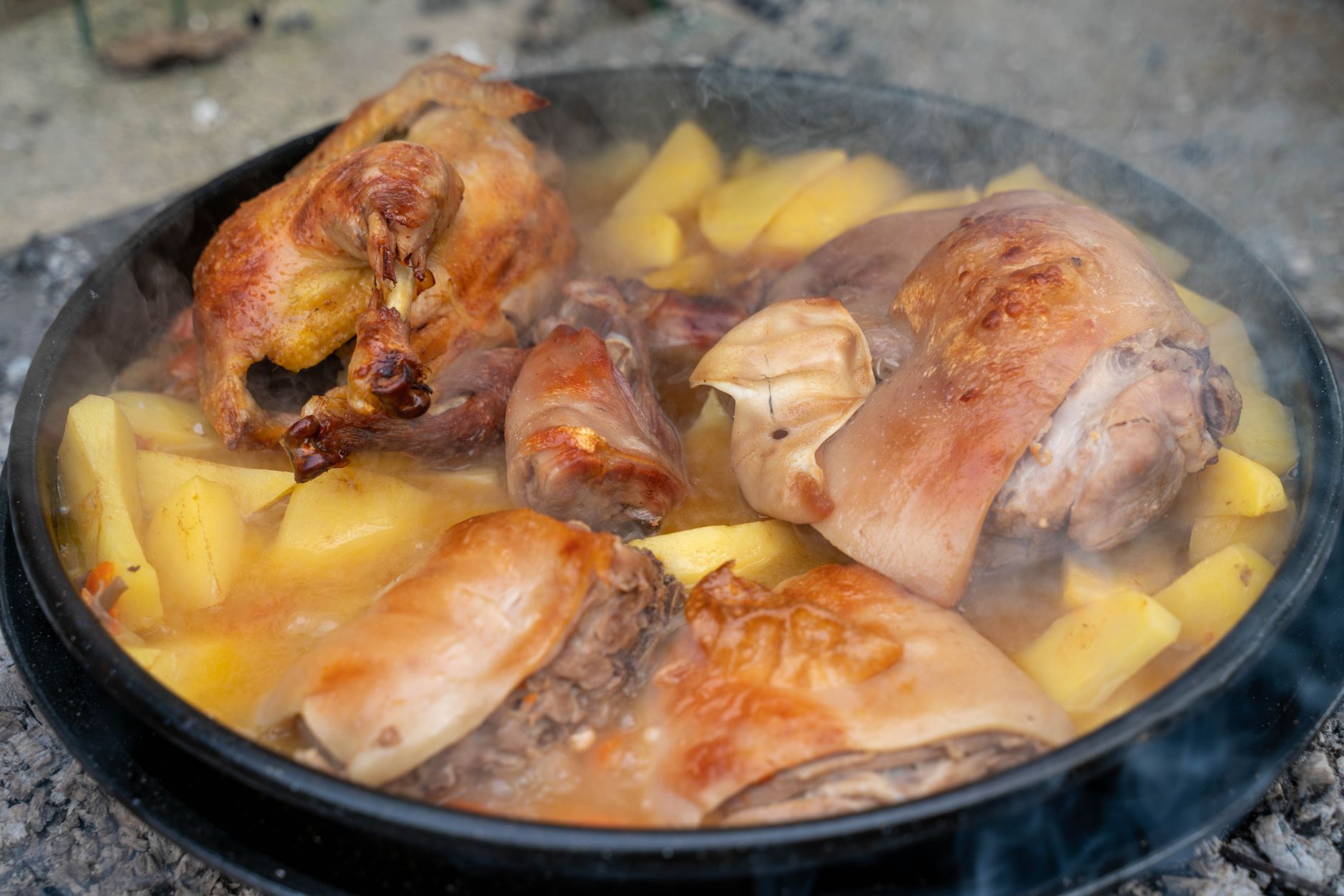
Braising chicken in dutch oven creates a moist, tender texture thats hard to beat. The heavy lid traps steam, gently cooking the chicken through while preserving juices. This moist heat environment helps avoid common chicken breast cooking mistakes like dryness and toughness.
The stovetop provides precise heat control, allowing a slow simmer that keeps the chicken juicy. This stovetop cooking style mimics oven baking without the need for preheating or complicated temperature adjustments.
Versatility and Flavor
This basic recipe acts as a flavor canvas. Whether you prefer earthy thyme or smoky paprika, you can easily customize the seasoning. The simple process suits busy cooks who want quick meals without sacrificing taste or health benefits.
Food Safety and Doneness
Always verify that your chicken reaches an internal temperature of 165F (74C). Using a meat thermometer takes guesswork out of the process and ensures food safety, especially important when cooking thicker cuts. Proper temperature also guarantees perfect juicy chicken breast results.
Ingredients & Preparation
| Prep time | Total time | Servings | Calories | Diet tags |
|---|---|---|---|---|
| 10 min | 35 min | 4 | ~280 per serving | Gluten-Free, Keto-Friendly |
Full Ingredients and Substitutions
- 4 boneless, skinless chicken breasts (6 oz each) swap with thighs for richer flavor but longer cooking
- 2 tbsp olive oil (avocado oil works well for neutral taste)
- 1 tsp garlic powder (use fresh garlic cloves if preferred)
- 1 tsp paprika (smoked paprika adds depth)
- 1 tsp dried thyme (fresh thyme gives a fresher aroma)
- Salt and pepper, to taste
- 1 cup low-sodium chicken broth (vegetable broth is a good alternative)
Equipment Needed
Choose a cast iron or enameled dutch oven for even heat distribution and superior moisture retention. These materials withstand stovetop heat and create the ideal environment for braising chicken in dutch oven.
A meat thermometer is highly recommended for checking doneness, especially with thick chicken breasts. Avoid non-stick pans, which dont hold heat well enough for this cooking style.
Ingredient Selection Tips
Pick fresh, high-quality chicken breasts for the best texture and flavor. Organic or free-range chicken tends to deliver more consistent results. Fresh herbs add brightness and complexity but dried herbs are a convenient and effective pantry staple.
Step-by-Step Instructions
Step 1 Prepare Chicken and Seasoning
Pat chicken breasts dry with paper towels; this helps seasoning stick and promotes better browning. Mix garlic powder, paprika, thyme, salt, and pepper evenly in a small bowl. Rub this spice mixture on both sides of each chicken breast for even flavor coverage.
Step 2 Brown Chicken in Dutch Oven
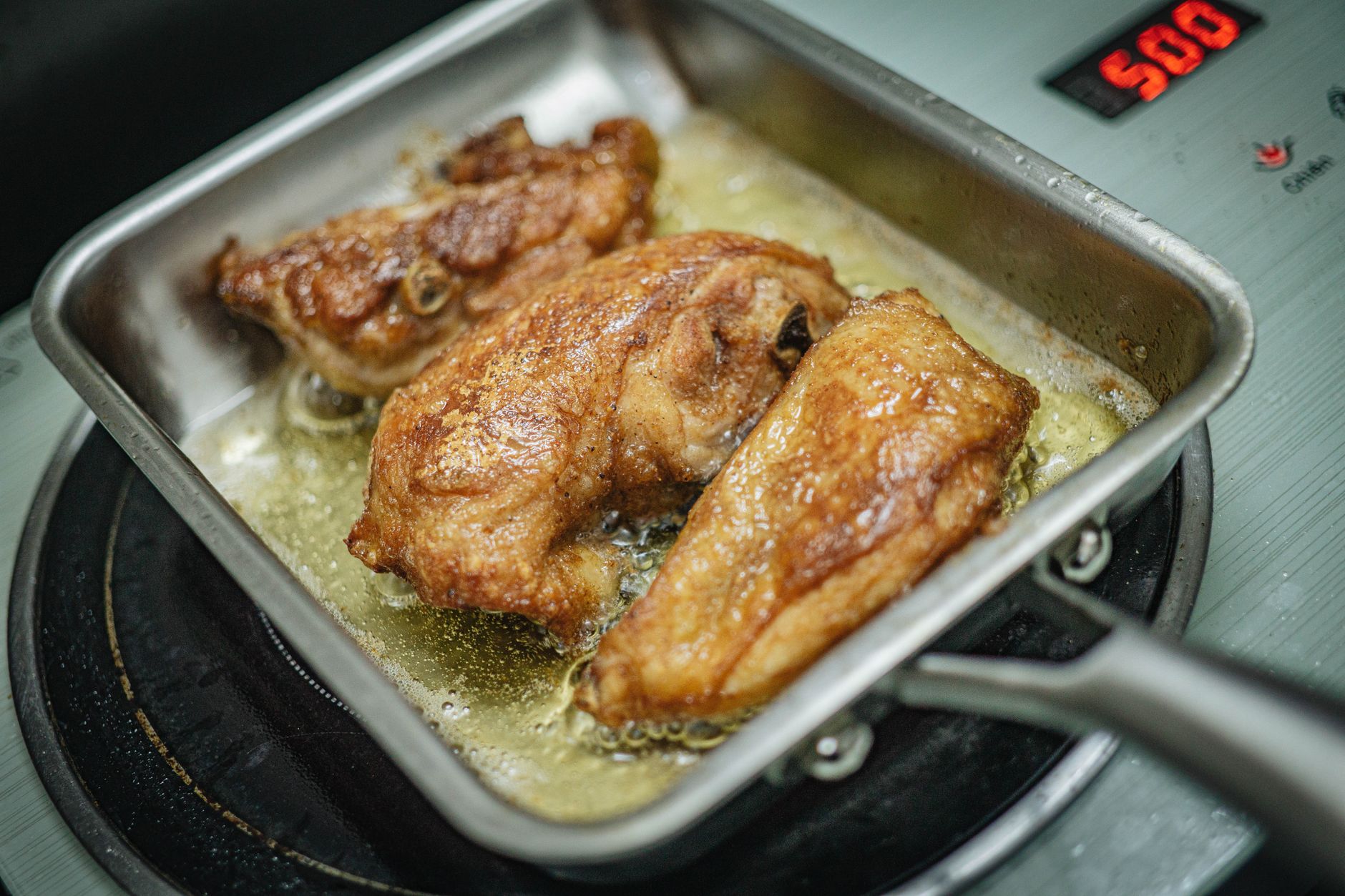
Heat olive oil in the dutch oven over medium heat until shimmer appears. Add the chicken breasts carefully, leaving space between pieces. Brown each side for 34 minutes until golden and crispy, enhancing flavor through caramelization. Remove the chicken and set aside temporarily.
Step 3 Deglaze and Simmer
Pour chicken broth into the hot pan. Use a wooden spoon to scrape up browned bits stuck to the bottomthis adds a rich, savory taste to the cooking liquid. Return the chicken breasts to the pan. Cover with the dutch oven lid tightly, reduce heat to low, and simmer for 20 minutes, or until the internal temperature reaches 165F.
This slow steaming process infuses flavor and keeps the chicken tender without drying out.
Step 4 Serve or Store
Remove the chicken from the dutch oven. Let rest for 5 minutes to redistribute juices before slicing. Serve with pan juices spooned over the top for extra moisture and flavor.
Store leftovers in an airtight container in the refrigerator for up to 4 days.

Variations & Substitutions
Flavor Variations
Try Mediterranean seasoning with oregano, rosemary, and lemon slices for fresh notes. For a spicy Cajun twist, swap paprika for cayenne, add garlic powder and onion powder. Lemon herb versions brighten the dish with fresh lemon juice and parsley added after cooking.
Ingredient Swaps
Chicken thighs impart richer taste but require an extra 510 minutes simmering time. Turkey breast can replace chicken but adjust the cooking time accordingly. For plant-based diets, use seitan or soy-based substitutes, watching cook times carefully.
Adjusting Seasoning & Cooking Times
Thicker chicken breasts may need extra simmer time, typically 510 more minutes. You can adjust seasoning intensity to your preferencereduce salt for milder flavors or increase spices for a bold punch.
Storage & Shelf Life
Refrigeration
Store cooled chicken in an airtight glass container with pan juices. It stays fresh in the fridge for up to 4 days. Reheat gently to preserve texture.
Freezing
Freeze cooked chicken breasts in portion-sized freezer-safe containers or vacuum bags. They last up to 3 months when wrapped tightly to prevent freezer burn. Thaw overnight in the fridge before reheating slowly on the stovetop.
Make-Ahead Tips
Double or triple the recipe for meal prep. Store cooked portions individually for convenient, quick lunches or dinners. Label containers with cooking date for freshness monitoring.

Pro Tips & Troubleshooting
Avoiding Dry or Uneven Cooking
Start by patting chicken dry to help the seasoning stick and form a good crust. Brown chicken over medium heat without overlapping to encourage even searing. Keep lid closed during simmering to trap steam and maintain moisture.
Fixing Common Issues
If your chicken looks pale, it likely needs more time browningdo this slowly to create a caramelized crust without burning. Bitterness often comes from burnt spices; reduce heat if spices begin to blacken. Tough or rubbery texture signals overcookinguse a thermometer next time and reduce simmer time slightly.
Flavor Boost Upgrade
Add a splash (about 2 tbsp) of white wine or freshly squeezed lemon juice right after browning chicken. This introduces subtle acidity to brighten flavors and tenderize the meat further during braising.
Related Recipes
For more comforting meals that use similar methods, check out healthy dutch oven recipes chicken.
When is the best time to eat chicken breast dutch oven stovetop?
This method is perfect for lunch or dinner, especially when you want a healthy, protein-rich meal thats quick to prepare. Its also great for meal prepping on weekends to enjoy throughout the week. The simple technique fits any time you crave juicy, tender chicken without oven use.
Can I make a big batch ahead of time?
Yes, doubling or tripling the recipe works well. Portion cooked chicken into airtight containers and refrigerate for up to 4 days or freeze for up to 3 months. Reheat gently to preserve moist texture.
Fresh chicken or frozen which yields better results?
Fresh chicken generally cooks more evenly and yields the best flavor and texture. However, properly thawed frozen chicken can produce similar results if cooked carefully to recommended temperatures.
Is this method safe for pregnant women and kids?
Absolutely, as long as the chicken reaches an internal temperature of 165F. This ensures food safety by eliminating harmful bacteria, making it suitable for all ages.
How often can I eat chicken prepared this way?
You can enjoy this chicken breast method daily within a balanced diet. Vary sides and seasoning to maintain nutritional diversity and flavor interest.
Why does my chicken taste bitter sometimes?
Burnt spices or over-high heat often cause bitterness. Keep a moderate temperature and brown chicken carefully to avoid charred flavors. Reduce spice quantities if bitterness persists.
What pairs well with stovetop chicken breast dishes?
Roasted vegetables, creamy mashed potatoes, or a crisp green salad are excellent side options. These balance the richness of the chicken and add texture contrast.
More Recipes You Will Love
Try the healthy dutch oven recipes chicken collection for other flavorful stovetop braised meals that use similar techniques.
For a quick alternative, the Banana bread recipe 1969572 is a crowd-pleaser sweet treat to enjoy alongside savory dinners.
Conclusion
The chicken breast dutch oven stovetop technique gives you juicy, tender results with straightforward steps. Its perfect for cooks of all levels seeking healthy and flavorful meals without fuss. Why not try this method soon and let us know how it goes with a comment or rating? For another delicious option, check out our juicy pork chop recipe using dutch oven cooking.
FAQs
When is the best time to eat chicken breast dutch oven stovetop?
This method is ideal for lunch or dinner, especially when you want a quick, protein-rich meal. It also suits meal prepping on weekends to enjoy juicy chicken throughout the week without using an oven.
Can I make a big batch ahead of time?
Yes, you can easily double or triple the recipe. Store cooked chicken in airtight containers in the fridge for up to 4 days or freeze for up to 3 months and reheat gently to maintain moisture.
Fresh chicken or frozen – which yields better results?
Fresh chicken generally produces better flavor and texture with even cooking. Thawed frozen chicken can work well if properly defrosted and cooked to the safe internal temperature of 165°F (74°C).
Is this method safe for pregnant women and kids?
Yes, as long as the chicken reaches an internal temperature of 165°F (74°C), the cooking process eliminates harmful bacteria, making it safe for all ages, including pregnant women and children.
Why does my chicken taste bitter sometimes?
Bitterness often comes from burning spices or cooking at too high heat. To avoid this, brown chicken slowly over moderate heat and reduce spice quantities if bitterness persists.