Introduction
Why Broccoli and Cauliflower Foil Packets in Oven Are a Game-Changer for Baking Vegetables
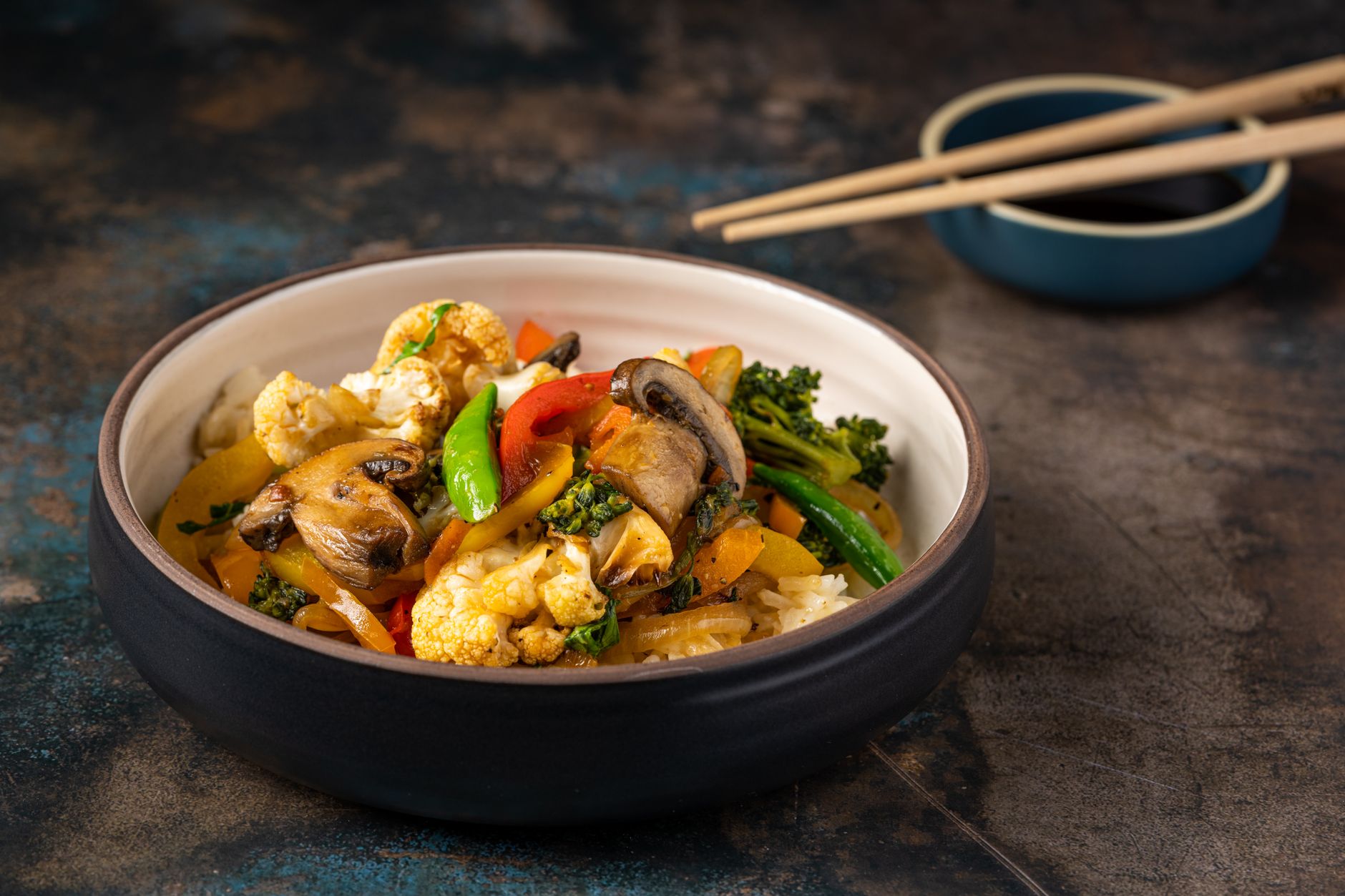
Cooking broccoli and cauliflower foil packets in oven is a simple way to bring out their natural sweetness and tender texture. Wrapping these veggies tightly in foil traps steam, locking in moisture and flavor while gently roasting their edges. This oven-baked foil packet technique delivers a healthy baked vegetable side dish that‘s juicy with a touch of caramelized crispness. You dont have to fuss over stirring or drying out your veggiesits fail-safe every time.
Who This Recipe Is Perfect ForBeginners to Busy Home Cooks and Health-Conscious Eaters
This recipe fits everyone from kitchen novices to busy weeknight cooks. Its fast, fuss-free, and gluten-free vegetable foil packets that suit any diet label. If you want a nutritious side without lots of prep or calories, this method shines. Plus, its friendly for those with dietary restrictions, wholesome enough for families, and easy to customize for flavor.
What Sets This Broccoli and Cauliflower Foil Packet Recipe Apart From Others Online
Unlike many easy vegetable foil packet recipes, this version highlights fresh herbs and a straightforward spice mix rather than heavy sauces. It offers precise cooking times and temperature for perfect texturea tender bite with golden roasted bits. This focus on roasting broccoli and cauliflower brings out their earthy flavors cleanly, keeping the recipe light yet delicious.
Key Highlights of Broccoli and Cauliflower Foil Packets
Gentle Baking Preserves Nutrients While Enhancing Flavors
Baking broccoli and cauliflower at 400F in sealed foil packets is excellent for preserving their vitamins C and K. The moderate heat gently caramelizes the natural sugars, giving a sweet, savory complexity with a crisp-tender bite. This balance makes your veggies taste fresh with a rich, roasted aroma.
Versatility Makes It a Side Dish for Any Meal or Gathering
These foil packets pair well with grilled meats, tofu, or hearty grains. You can tweak spices for a bold or mild profile, making them perfect for casual dinners or holiday gatherings. Cleanup is simple toofoil means minimal dishes and less mess.
Caution for Those Sensitive to Cruciferous Vegetables
Broccoli and cauliflower belong to the cruciferous family, which may cause digestive discomfort for some, especially those with IBS or thyroid concerns. If you experience bloating or sensitivity, consult a healthcare provider before adding larger servings to your diet.
Ingredients & Preparation
| Prep time | Total time | Servings | Calories | Diet tags |
|---|---|---|---|---|
| 10 minutes | 35 minutes | 4 | ~80 per serving | Vegan, Gluten-Free, Dairy-Free |
Full Ingredient List with Quantities and Substitutions
- 2 cups broccoli florets (fresh, trimmed)
- 2 cups cauliflower florets (fresh, trimmed)
- 2 tbsp olive oil (substitute with avocado oil for a higher smoke point)
- 1 tsp garlic powder (or 2 fresh garlic cloves minced)
- tsp smoked paprika (optional, for mild heat)
- Salt and freshly ground black pepper to taste
- Fresh lemon wedges (for serving)
- Fresh parsley or thyme for garnish (optional)
Equipment Needed
All you need is heavy-duty aluminum foil, a rimmed baking sheet, a sharp knife, and a cutting board. No fancy kitchen gadgets required, which makes this recipe approachable for all skill levels.
Tips for Choosing the Best Quality Ingredients
Pick broccoli and cauliflower heads with vibrant green and creamy white florets. Avoid any yellowing or wilting parts. Organic produce can reduce pesticide exposure, but a thorough wash of conventional veggies works well too.
Step-by-Step Instructions
Step 1 Prep the Vegetables: Wash and Chop Uniformly
Rinse broccoli and cauliflower under cold running water. Cut into uniform florets roughly 1 to 2 inches wide for even cooking. Pat the florets dry with paper towels to prevent excess moisture that can cause soggy foil packet vegetables.
Step 2 Assemble and Bake at 400F for 25 Minutes
Preheat your oven to 400F (204C). Tear two large sheets of heavy-duty foil and lay them flat. Divide the broccoli and cauliflower evenly between them. Drizzle with olive oil, then sprinkle garlic powder, smoked paprika, salt, and pepper. Fold the foil to seal each packet tightly, ensuring no steam escapes. Place packets on a rimmed baking sheet and bake uncovered for exactly 25 minutes.

Step 3 Open Carefully and Add Finishing Touches
Remove the baking sheet from the oven and let the packets cool for 2 minutes. Carefully open the foilsteam will hiss out briskly. Squeeze fresh lemon juice over the hot vegetables and gently toss to coat. Scatter fresh parsley or thyme on top for added aroma and color.
Step 4 Serve Immediately or Store for Later
Serve these roasted broccoli and cauliflower foil packets hot as a healthy baked vegetable side dish. You can refrigerate leftovers in airtight containers for 3 to 5 days and reheat gently. For longer storage, freeze in portioned bags for up to 2 months.
Variations & Substitutions
Popular Flavor Variations Add Parmesan, Red Pepper Flakes, or Lemon Zest
For a richer version, sprinkle grated Parmesan cheese inside the packets before baking. Craving heat? Add a pinch of red pepper flakes or cayenne powder. Brighten flavors by tossing with lemon zest right before serving.
Ingredient Swaps Use Brussels Sprouts or Carrots Instead of Cauliflower
If you‘re out of cauliflower, Brussels sprouts make a delightful substitute, offering a nuttier flavor and similar texture. Carrots bring sweetness but require a slightly longer baking time, about 30 minutes at 400F.
Adjusting Seasoning Levels for Mild or Bold Taste
Modify garlic powder and smoked paprika amounts to suit your palate. Use less for subtle flavors or increase for a spicy, aromatic punch. Fresh minced garlic added right before baking also enhances aroma and depth.
Storage & Shelf Life
Refrigerator Storage Keeps Fresh 3 to 5 Days in Airtight Containers
After cooling completely, store the foil packet contents in airtight glass or BPA-free plastic containers. Use within 3 to 5 days to maintain flavor and texture.
Freezer Option Freeze in Portions Using Airtight Bags Up to 2 Months
Transfer cooled vegetables into freezer-safe bags and press out excess air. Freeze for up to 8 weeks. Thaw overnight in the fridge before reheating gently to avoid sogginess.
Make-Ahead Batch Tips Double Recipe and Store in Meal Prep Containers
Prepare double the recipe and portion into meal prep containers. Label each with date and contents. Reheat in the oven or microwave to enjoy a quick nutritious side on busy days.
Pro Tips & Troubleshooting
Avoid Steaming Instead of Roasting by Using Foil Tents Not Tight Seals
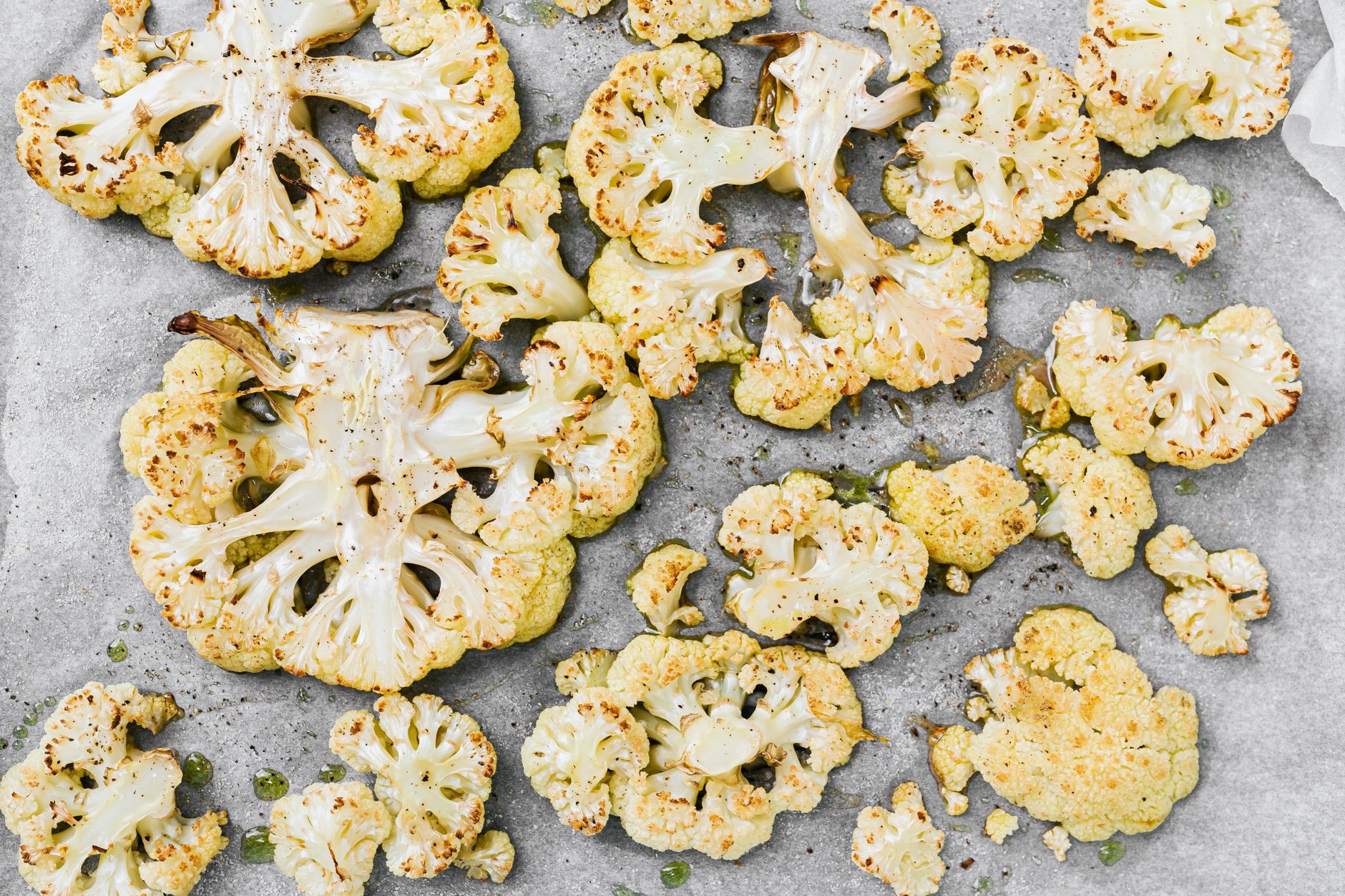
If you prefer crispy, roasted edges, consider folding the foil tent-style rather than sealing packets completely airtight. This allows some steam to escape and encourages better caramelization. Fully sealed packets tend to steam, producing softer textures.
Why Your Broccoli and Cauliflower Might Be Soggy or Undercooked
Sogginess usually comes from excess moisture. Always pat your vegetables dry before wrapping. Undercooked veggies can be a result of a lower oven temperature or foil tears letting steam escape prematurely. Check your foil packets for holes and ensure your oven is calibrated correctly.
Expert Upgrade Add a Sprinkle of Nutritional Yeast After Baking for Umami Boost
For a cheesy, umami flavor without dairy, sprinkle nutritional yeast on your foil packet vegetables right before serving. It boosts taste depth and keeps this recipe vegan and gluten-free vegetable foil packets friendly.

When is the best time to eat broccoli and cauliflower foil packets in oven?
These foil packets taste best when eaten immediately after baking. Serving hot preserves the crispy edges and fresh roasted aromas. They make a perfect side dish alongside lunch or dinner mains, providing warmth and vibrant flavors.
Can I make a big batch ahead of time?
Yes, you can assemble foil packets and refrigerate them for up to 24 hours before baking. Avoid preparing too early to prevent soggy foil packet vegetables. Bake just before serving for the best texture.
Fresh broccoli and cauliflower or frozen which is better for foil packets?
Fresh produce is ideal for the best flavor and crisp texture when baking broccoli and cauliflower. Frozen vegetables can be used but often release additional water, increasing the chance of soggy foil packets. If using frozen, thaw and pat dry thoroughly before cooking.
Is this recipe safe for pregnant women, kids, or people on medication?
This recipe is generally safe for most people, including pregnant women and children. However, those with cruciferous vegetable sensitivities or on certain blood-thinning medications should consult their doctor before consuming large portions regularly.
How often can I have baked broccoli and cauliflower foil packets?
Eating these roasted broccoli and cauliflower foil packets daily is fine for most adults. They support healthy fiber intake and offer antioxidants, making them a nutritious component of any balanced diet.
Why does mine taste bitter or bland?
Bitterness can result from overcooking or using older, damaged florets. Blandness typically means under-seasoning. Try adding a bit more salt or a splash of fresh lemon juice to brighten the flavor.
What dishes pair well with baked broccoli and cauliflower foil packets?
These foil packets complement roasted chicken, grilled fish, or vegan bowls like quinoa salads. They also meld nicely with lighter white wines or herbal teas for a complete dining experience.
More Recipes You Will Love
For more delicious ideas, check out our vegetable foil packets oven post featuring other roasting combos perfect for busy nights.
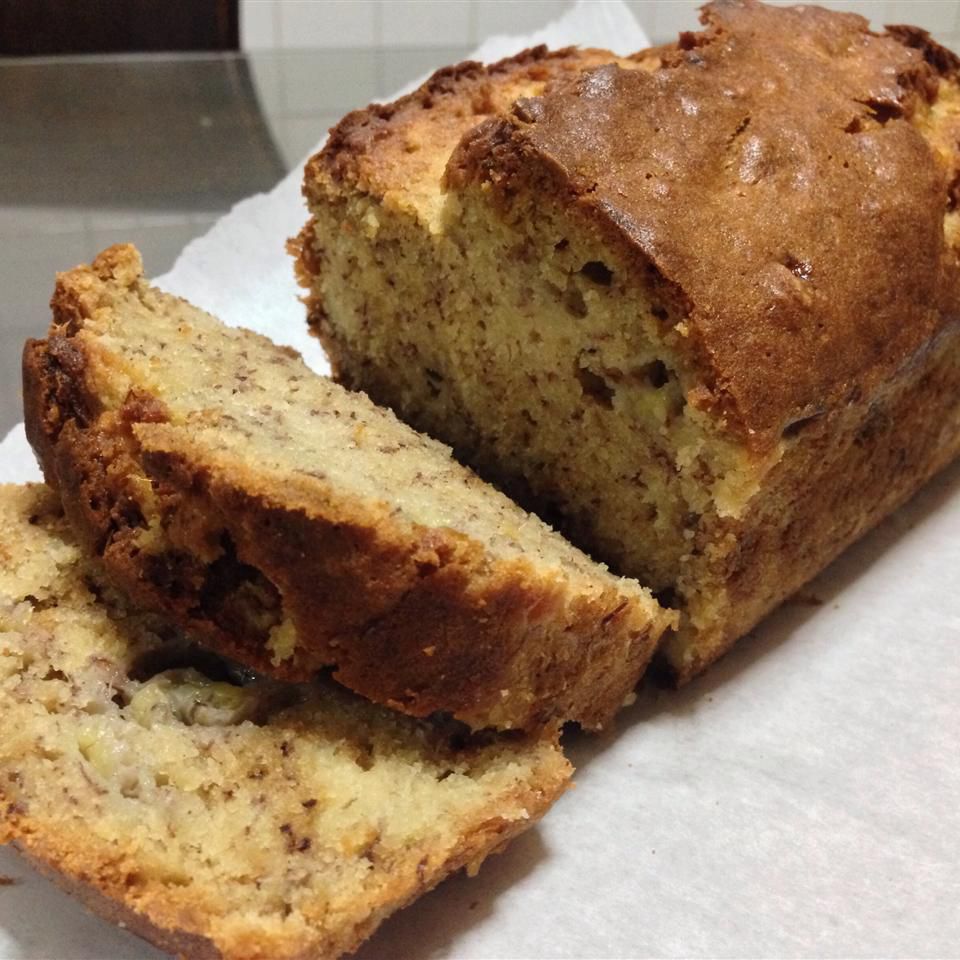
If youre in the mood for something sweet but wholesome, our 4 ingredient oat banana bread (no sugar) is a wonderful paired treat after a light vegetable side.
And for pastry fans, the Shortcrust pastry recipe can be your go-to for savory tarts or quiches using leftover roasted veggies.
Conclusion
Broccoli and cauliflower foil packets in oven offer a quick, flavorful bake that locks in nutrients and aroma with minimal fuss. This recipes simple seasoning and exact baking steps deliver tender, golden vegetables every time. Give it a try and share your favorite tweaks in the comments. If you love healthy baked vegetable side dishes, explore our other roasted vegetable recipes for more inspiration.
FAQs
When is the best time to eat broccoli and cauliflower foil packets in oven?
Broccoli and cauliflower foil packets taste best immediately after baking. Serving them hot preserves the crispy edges and fresh roasted aromas, making them an ideal side dish for lunch or dinner.
Can I make a big batch of broccoli and cauliflower foil packets ahead of time?
Yes, assemble the foil packets and refrigerate them for up to 24 hours before baking. Bake just before serving to maintain the best texture and avoid sogginess.
Is fresh or frozen broccoli and cauliflower better for foil packets?
Fresh broccoli and cauliflower are preferred for a crisp texture and better flavor. If using frozen, thaw and pat dry thoroughly to reduce excess moisture and prevent soggy packets.
Are broccoli and cauliflower foil packets safe for pregnant women and children?
This recipe is generally safe for pregnant women and children. However, those sensitive to cruciferous vegetables or on certain medications should consult a healthcare provider before regular consumption.
Why do my broccoli and cauliflower foil packets taste bitter or bland?
Bitterness often results from overcooking or using older vegetables, while blandness usually means under-seasoning. Adding more salt or a splash of fresh lemon juice can enhance the flavor.