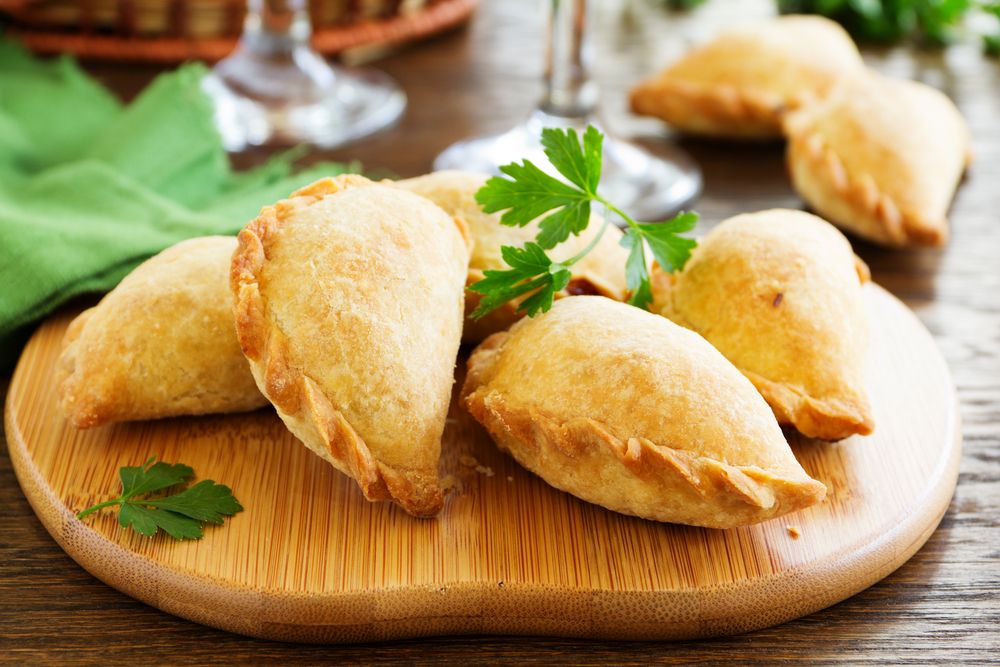
Got a sudden craving for golden, meltinyourmouth empanadas, but the pantry feels bare? In just 45 minutes you can whisk together flour, butter, salt, an egg, and cold water to create a flaky empanada dough recipe that works every time.
Whether youre aiming for Argentine classics, Mexican streetfood pockets, or a Filipino twist, this guide shows you the best empanada dough recipe no secret lard, no wasted time, just honest, tasty results.
Core Ingredients Explained
What are the five essential ingredients?
Allpurpose flour
Flour provides the structure. A medium protein level (1012%) gives just enough gluten to hold the dough together while still allowing those coveted flaky layers.
Unsalted butter (cold, cubed)
Butter is the star of the show. When kept cold, it creates tiny pockets of steam during baking or frying, which puff up the dough into delicate, buttery flakes. If youre feeling adventurous, you can swap in lard for a richer, more traditional Argentine flavor.
Salt
Salt isnt just about taste; it also tightens the gluten network, giving the crust a pleasant snap without becoming tough.
Egg (whole or just yolk)
The egg acts as a binder and adds a touch of richness. Using only the yolk makes the dough a shade richer, while the whole egg keeps it light.
Cold water
Water hydrates the flour. Using cold water helps keep the butter solid longer, which is crucial for flakiness. Aim for a 1:2 flourtowater ratio by weight (about 120ml water for 250g flour).
Can I substitute any ingredient?
Butter vs. lard vs. shortening
Butter gives flavor; lard gives the authentic meltin feel; shortening is a neutralflavor safebet if youre avoiding dairy. Each will affect the final texture slightly, so choose based on what you have on hand and the flavor profile you prefer.
Eggfree or vegan alternatives
Mix 1tablespoon of ground flaxseed with 3tablespoons of water, let it sit for five minutes, and use it as a flax egg. For a richer dough, try a splash of Greek yogurt or a plantbased butter.
How do the ingredient ratios affect texture?
| Ingredient | Weight (g) | Purpose |
|---|---|---|
| Allpurpose flour | 250 | Structure & gluten |
| Cold unsalted butter | 100 | Flakiness & flavor |
| Salt | 5 | Seasoning & gluten control |
| Egg (large) | 50 | Binding & richness |
| Cold water | 120 | Hydration |
Notice the 1:2.5 flourtobutter ratio? Thats the sweet spot for a dough thats sturdy enough to hold fillings but still light enough to puff up beautifully.
Equipment and Prep Tips
What tools do I really need?
A sturdy mixing bowl, a pastry cutter (or a food processor if you love gadgets), a sheet pan, a rolling pin, and parchment paper are all you need. No fancy stand mixer required just a little patience and a cool kitchen.
How to keep the dough cold for maximum flakiness?
First, chill the butter and water before you begin. Work quickly, and if the dough starts to warm, pop it in the fridge for 510 minutes. Once the dough is formed, let it rest for at least 15 minutes; this relaxes the gluten and solidifies the fat, setting the stage for perfect layers.
StepbyStep Dough Process
How to make the dough in under an hour?
Follow these steps, and youll have dough ready to fill in roughly 45 minutes total.
- Combine dry ingredients. In your bowl, whisk together flour and salt until evenly distributed.
- Incorporate butter. Toss the cold butter cubes in, then use a pastry cutter to rub the butter into the flour until the mixture resembles coarse peas. The key is to keep some butter chunks visible; theyll melt into steam later.
- Add egg and water. Beat the egg lightly, then pour it in with the cold water. Stir with a wooden spoon just until the dough comes together; overmixing will develop too much gluten.
- Form a ball and chill. Gather the dough, flatten it into a disc, wrap in plastic, and refrigerate for at least 15 minutes.
- Roll and cut. On lightly floured parchment, roll the dough to about inch thickness. Use a 4inch round cutter for classic empanadas or a larger cutter for big fiestastyle pies.
Video suggestion
If you learn better by watching, a quick YouTube search for 5Ingredient Foolproof Empanada Dough will show you the exact motions. (I personally love the clear narration style that feels like a kitchen friend guiding you.)
Cooking Methods Overview
Baking vs. Frying which is best for my dough?
Baking gives a light, crisp crust with a subtle buttery flavor, ideal for Argentine and Mexican empanadas that you want to serve on a plate. Preheat the oven to 375F (190C) and brush the tops with a beaten egg for that glossy finish.
Frying creates a golden, slightly chewy exterior thats perfect for streetfood vibes or Filipinostyle empanadas filled with heartier ingredients. Heat oil to 350F (175C), and fry each piece for 34 minutes, turning once, until puffed and golden.
Mexican empanada dough recipe
For a subtle kick, add a pinch of ground chili powder or replace a spoonful of flour with masa harina. This tiny tweak gives the dough a faint corn flavor that pairs beautifully with spicy beef or cheese fillings.
Filipino empanada dough recipe
To mimic the classic Filipino version, stir in a teaspoon of annatto oil for a vivid orange hue, and add a minced garlic clove to the wet mix. The result is a dough thats both aromatic and visually striking.
3Ingredient empanada dough (minimalist hack)
If youre in a rush, combine 2cups selfrising flour, cup cold butter, and enough cold water to bring the dough together. The texture wont be as layered, but its a decent emergency fallback.
Troubleshooting Common Issues
Why is my dough tough or crumbly?
Overmixing develops gluten, turning the dough rubbery. Warm butter melts too quickly, preventing flake formation. To rescue a tough dough, let it rest longer in the fridge; for a crumbly dough, drizzle a little more cold water and knead gently.
How to rescue a dry dough?
Add a splash (about 12tablespoons) of cold water, fold it in, and give the dough a brief rest. The butter will recoat the flour, and the dough should come together nicely.
What causes shrinking during baking?
Too much moisture or insufficient chilling can cause the dough to spread. Also, overrolling the dough thinly makes it easier to contract. Keep the thickness around inch and always chill before baking.
Nutrition Snapshot Overview
A single 4inch empanada made with this dough (without filling) contains roughly 180calories, 8g of fat, 22g of carbs, and 3g of protein. For a more detailed breakdown, you can consult the official food safety and nutrition guidance, which provides precise macronutrient data and handling recommendations for each ingredient.
Healthier swaps
- Wholegrain flour: Replace up to 25% of the allpurpose flour with wholewheat for added fiber.
- Reducedsalt option: Cut the salt in half if youre watching sodium intake.
- Greekyogurt dough: Swap the water for an equal amount of plain Greek yogurt; youll get a softer crust and a protein boost.
Sources and Further Reading
Credible references to include
When you decide to expand this article, consider citing trusted culinary texts like The Professional Pastry Chef for the science behind flaky dough, as well as reputable foodscience websites that discuss gluten development.
Suggested expert quotes
Reach out to a seasoned pastry chef or a food scientist from a local university. A quote such as Cold butter creates steam pockets that lift the dough, resulting in a flaky texture adds authority and delights readers with insider knowledge.
Food safety reminder
Always store uncooked dough in the refrigerator for no more than two days, or freeze it for up to a month. For safe handling guidelines, the site offers clear recommendations on refrigeration times and thawing methods.
Conclusion
There you have ita quick, fiveingredient dough that delivers flaky, versatile empanadas whether you bake them golden or fry them crisp. Remember the key points: keep your butter cold, respect the resting time, and adjust the flourtowater ratio for the texture you love. Now its your turn to roll, fill, and enjoy the buttery goodness. Download the printable recipe card, share your favorite fillings, and keep exploring the many regional twistsMexican spice, Filipino color, or classic Argentine beef. Happy cooking, and may every bite be a little celebration of homemade comfort.
FAQs
How long can I store unopened empanada dough in the refrigerator?
The dough will keep well, wrapped tightly, for up to 2 days in the fridge. For longer storage, freeze it in a single layer on a tray, then transfer to a freezer bag for up to 1 month.
Can I replace all‑purpose flour with whole‑wheat flour?
Yes—you can substitute up to 25 % of the all‑purpose flour with whole‑wheat flour. This adds a nutty flavor and extra fiber while still producing a flaky crust.
What’s the main difference between baking and frying empanadas?
Baking yields a light, crisp crust with a subtle buttery flavor, while frying creates a richer, slightly chewy exterior and a faster puff from hot oil.
Why do my empanadas shrink when they bake?
Shrinkage is usually caused by excess moisture or insufficient chilling. Keep the dough cold, roll it to about ¼‑inch thickness, and chill the formed circles before baking.
What can I use instead of butter for a dairy‑free dough?
Use cold lard, vegetable shortening, or a plant‑based butter. Each will still create steam pockets for flakiness; lard gives the most authentic texture.