Introduction
Why a Dutch Oven Vegetable Stew Delivers Cozy Flavor and Easy Prep
Nothing says comfort quite like a warm, hearty dutch oven vegetable stew simmering softly on the stove. This vegetable stew recipe brings together fresh vegetables and herbs, slowly melding flavors into a rich, satisfying meal. Whether you want an easy dinner idea or a healthy one-pot meal, this stew fills your kitchen with inviting aromas and nourishes your body with every spoonful.
Who This Recipe Suits Best: From Beginners to Plant-Based Food Lovers
If youre new to cooking or a seasoned pro looking for simple vegan vegetable stew options, this recipe fits the bill. Its naturally plant-based, adaptable for various diets, and perfect for anyone craving comfort food without heaviness. Plus, its straightforward steps make it ideal for busy weeknights or cozy weekends.
What Sets This Version Apart: Freshness and Flavor Layers in Every Spoonful
This recipe takes slow cooking vegetables to another level using a sturdy dutch oven for even heat retention. Instead of a quick simmer, your ingredients cook gently at low heat, developing deep, harmonious flavors. You get the benefit of caramelized edges on veggies and a broth that tastes layered, not flat.
Key Highlights: Flavor, Texture & Versatility
Deep, Slow-Cooked Flavor from Even Heat Retention
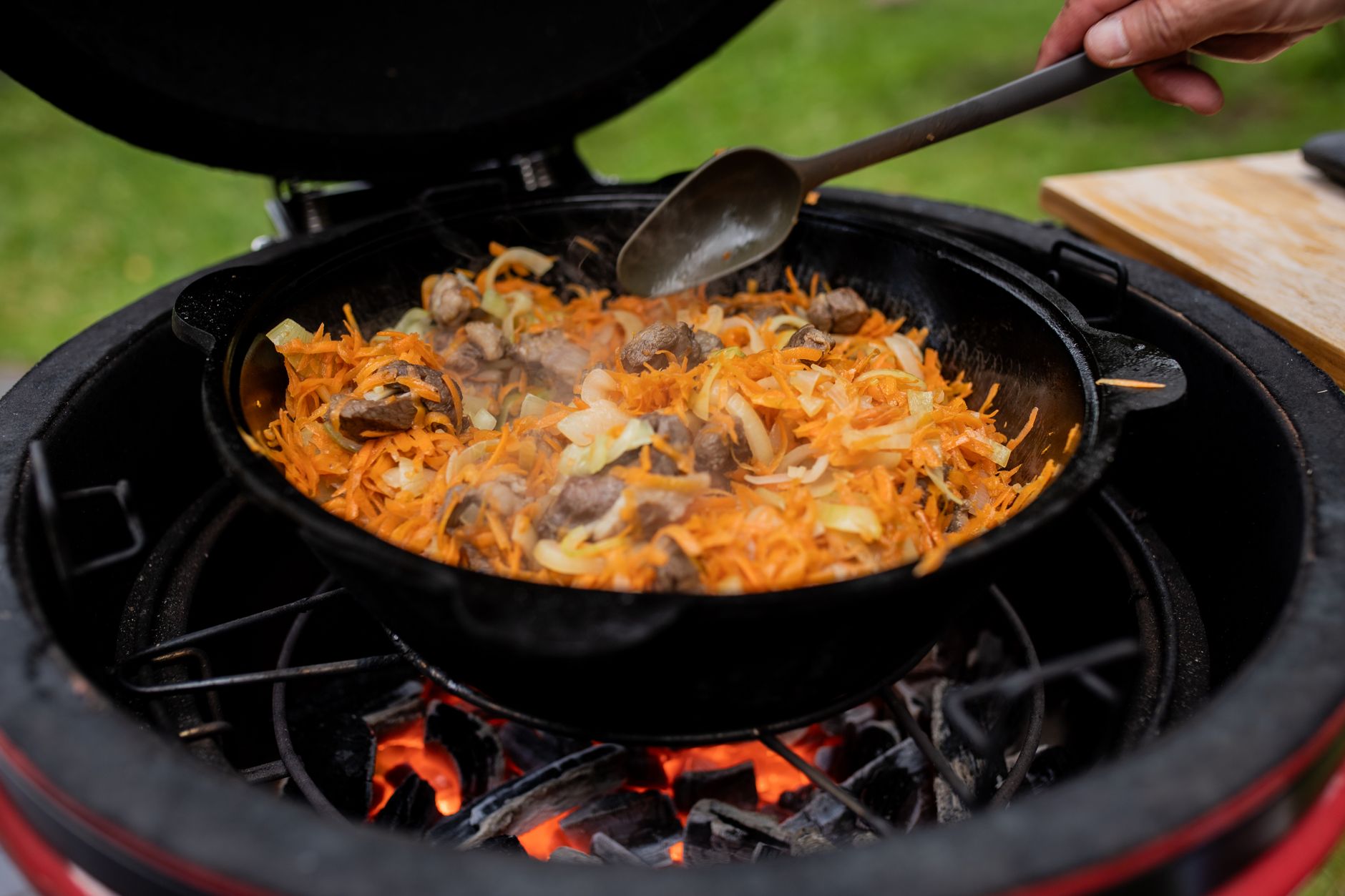
Using a cast-iron dutch oven means your stew heats evenly and holds warmth well. This creates an ideal environment for slow simmering, unlocking natural sweetness in carrots and onions. The result is a rich, slightly caramelized depth you wont get with fast stovetop cooking.
Hearty Texture with Nutrient-Rich Vegetables for Lasting Satisfaction
The mix of root veggies, bell peppers, beans, and greens packs the stew full of fiber and vitamins. This hearty texture keeps you full longer and supports digestion. Youll enjoy layers of soft, tender vegetables balanced by the slight bite of green beans and zucchini.
Allergies & Precautions: Suitability for Most, But Watch Added Ingredients
This vegan vegetable stew is safe for most people, including kids. However, those sensitive to nightshades might want to omit tomatoes or bell peppers, substituting with squash or extra beans instead. Low-sodium broth options help those watching salt intake.
Ingredients & Preparation
| Prep time | Total time | Servings | Calories | Diet tags |
|---|---|---|---|---|
| 15 minutes | 1 hour 30 minutes | 6 | ~220 per serving | Vegan, Gluten-Free, Dairy-Free |
Detailed Ingredient List with Quantities and Substitutions
- 3 tbsp olive oil (sub with coconut or avocado oil)
- 1 large onion, diced
- 3 cloves garlic, minced
- 3 carrots, peeled and chopped
- 2 celery stalks, sliced
- 2 medium potatoes, cubed (or substitute sweet potatoes)
- 1 bell pepper, diced (optional)
- 1 zucchini, chopped
- 1 cup green beans, trimmed
- 1 can (14 oz) diced tomatoes (optional)
- 4 cups vegetable broth (homemade or low sodium)
- 1 cup cooked white beans or chickpeas
- 2 tsp dried thyme or 1 tbsp fresh thyme
- Salt and black pepper to taste
- Fresh parsley or basil for garnish
Feel free to swap lentils for beans, or add squash instead of zucchini for seasonal variations.
Equipment Needed: Dutch Oven vs. Slow Cooker
A heavy cast-iron dutch oven is best for stovetop dutch oven cooking and oven finishing. It allows you to caramelize veggies before slow cooking. You can use a slow cooker, but the texture will differ slightly, often less caramelized and more stewed.
Choosing Quality Ingredients for Maximum Flavor
Pick fresh, preferably organic vegetables, especially root vegetables like carrots and potatoes. Fresh herbs elevate the dish more than dried, but dried thyme will work. Use low-sodium broth to better control seasoning as it cooks down.
Step-by-Step Instructions
Step 1 Prep Vegetables: Wash, Peel, and Chop Precisely
Wash all vegetables thoroughly under running water. Peel the carrots and potatoes to create a smooth texture in the stew. Dice the onion finely and mince garlic to release their flavor quickly when cooking. Chop all vegetables into uniform pieces about 1/2-inch cubes to ensure even slow cooking.
Step 2 Saut and Slow Cook in Dutch Oven (350F for 1 hour)
Heat 3 tablespoons of olive oil in your dutch oven over medium heat. Add diced onions and minced garlic, sauting for about 5 minutes until translucent and fragrant. Next, add carrots, celery, and potatoes, cooking for 8 additional minutes, stirring occasionally. Incorporate bell pepper, zucchini, green beans, diced tomatoes, beans, and thyme. Pour in the vegetable broth, stir well, and cover the pot.
Transfer the dutch oven to a preheated oven at 350F. Allow the stew to cook slowly for 1 hour. Alternatively, simmer gently uncovered on the stovetop at low heat, stirring occasionally.
Step 3 Adjust Seasonings and Finish
Remove the dutch oven lid carefully. Stir the stew well, checking consistency and flavor. Season with salt and freshly ground black pepper according to taste. Add fresh parsley or basil and let the stew simmer uncovered for 10 more minutes to slightly thicken the broth.
Step 4 Serve Hot or Store in Airtight Containers
Serve the stew hot, alongside crusty bread or over fluffy rice for a complete meal. Cool any leftovers to room temperature before storing them in airtight glass containers. When reheating, do so gently to preserve the texture and flavors.

Variations & Substitutions
Vegan, Gluten-Free, and Low-Sodium Options
This stew is naturally vegan and gluten-free. For those watching their sodium intake, homemade vegetable broth or low-sodium store-bought broth works best. Adding a splash of coconut milk near the end creates a creamy texture without dairy.
Ingredient Swaps and Their Effects
Swapping sweet potatoes for regular potatoes adds a natural sweetness and a creamy texture. Lentils cook faster than beans, altering the stews texture towards a softer consistency. Omitting tomatoes results in a milder broth flavor, letting the vegetable aromas take center stage.
Adjusting Flavor Intensity and Spice
For a bit of warmth, add smoked paprika or a pinch of red pepper flakes while cooking. Brighten the stew by stirring in a teaspoon of apple cider vinegar or fresh lemon juice just before serving. This helps balance the earthiness with a tangy kick.
Storage & Shelf Life
Refrigerator Storage: 45 Days in a Sealed Glass Container
Store cooled stew in airtight glass containers in the refrigerator. It stays fresh and flavorful for 4 to 5 days. Reheat gently on the stovetop over low heat or in a microwave covered loosely to prevent drying out.
Freezing: Up to 3 Months Using Portion-Sized Containers or Ice Cube Trays
Freeze the stew in portions using freezer-safe glass or BPA-free plastic containers. For smaller servings or recipe testers, use ice cube trays to freeze individual portions. Thaw overnight in the refrigerator and reheat fully before serving.
Make-Ahead Tips for Scaling and Labeling
This recipe scales easily. Double or triple the batch using a larger dutch oven or slow cooker for slow cooking vegetables. Label each container with the cooking date and ingredients to keep track. Freeze in bags to save space.
Pro Tips & Troubleshooting
Preventing Stains and Extracting Maximum Flavor
When handling carrots or turmeric-rich spices, wear kitchen gloves to avoid staining hands or utensils. Saut onions slowly and patiently for about 5 minutes until they‘re golden and caramelizedthis builds a sweet foundation for your stews flavor.
Fixing Common Issues Off Color or Bitterness
If your stew develops an overly dark color, it may be from overcooking or burnt spices. To fix bitterness caused by raw garlic or excess turmeric, dilute the stew with extra broth or add a touch of sweetness like a small pinch of sugar or a splash of apple cider vinegar.
Expert Upgrade: Add a Pinch of Black Pepper to Boost Flavor and Nutrient Absorption
A small pinch of black pepper added during cooking not only enhances flavor but also increases nutrient absorption, especially curcumin from turmeric, according to a 2023 study in the Journal of Nutritional Biochemistry. Its a simple trick that deepens the stews complexity.
When is the best time to eat Dutch oven vegetable stew?
This stew is ideal for lunch or dinner, especially on chilly days when a warm, hearty meal feels best. Its also great for meal prep or gatherings where comfort food takes center stage.
Can I make a big batch ahead of time?
Absolutely. This stew stores beautifully in the refrigerator for 45 days and freezes well up to 3 months. Making a big batch saves time while providing ready-made nourishment for busy days.
Fresh vegetables or canned/powdered ingredients which are better?
Fresh vegetables deliver superior flavor and texture in your stew. While canned or powdered ingredients can be used in a pinch, they may alter taste and nutrient profile. For the best results, stick to fresh whenever possible.
Is this stew safe for pregnant women, kids, or people on medication?
Generally, its safe for pregnant women and children. However, individuals on blood thinners should consult a medical professional before consuming large amounts of turmeric or supplements, as they may affect medication.
How often can I eat vegetable stew?
You can enjoy this vegetable stew regularly as part of a balanced diet. Its wholesome ingredients make it a great choice, especially during colder seasons when warm meals are comforting.
Why does my stew taste bitter or bland?
Bitterness often comes from raw garlic or overused turmeric. Blandness can result from insufficient seasoning or old dried herbs. Tasting as you cook and adjusting seasoning gradually will help avoid these issues.
What pairs well with this vegetable stew?
Crusty bread, steamed grains like quinoa or rice, and a fresh side salad complement this stew wonderfully. The bread helps soak up the flavorful broth, rounding out your meal perfectly.
If you enjoy slow-cooked vegetable dishes, you might also like our healthy dutch oven recipes vegetarian collection for more wholesome ideas.
More Recipes You Will Love
- Sausage kale and lentil soup 17657484 a filling plant-based dinner packed with veggies and protein.
- Swedish meatballs with gravy and lingonberry 17204736 perfect when you want a comforting, hearty meat dish.
Conclusion
This dutch oven vegetable stew offers unmatched warmth, depth, and nutrition thanks to slow cooking vegetables to tender perfection. Its rich, layered flavors will quickly become a favorite dinner for cozy nights. Try this recipe and share your thoughts or rate it below. For another delicious plant-based option, see our hearty lentil and vegetable soup recipe.
FAQs
When is the best time to eat dutch oven vegetable stew?
This stew is ideal for lunch or dinner, especially on chilly days when a warm, hearty meal feels most comforting. It's also great for meal prep or gatherings where cozy comfort food is desired.
Can I make a big batch of this dutch oven vegetable stew ahead of time?
Yes, you can make a large batch ahead. It stores well in the refrigerator for up to 5 days and freezes easily for up to 3 months, making it convenient for meal prepping busy weeks.
Are fresh vegetables better than canned or powdered ingredients for this stew?
Fresh vegetables provide superior flavor and texture, creating a richer, more vibrant stew. While canned or powdered options work in a pinch, they may affect taste and nutrient quality.
Is this dutch oven vegetable stew safe for pregnant women, kids, or people on medication?
Generally, it is safe for pregnant women and children. However, individuals on blood thinners should consult their doctor before consuming large amounts of turmeric or supplements found in the stew.
What should I serve with this vegetable stew?
Crusty bread, steamed grains like rice or quinoa, and a fresh side salad pair wonderfully with this stew, helping soak up the flavorful broth and rounding out the meal.