Why This Almond Snowball Cookies Recipe Works
A bite of these cookies gives you a delicate crunch, a buttery center, and a soft cloud of sugar on your fingertips. This Almond Snowball Cookies Recipe makes about 30 small treats with ground almonds, butter, vanilla, and a double coating of confectioners’ sugar.
The dough comes together quickly in a food processor, then chills into a firm log that is easy to portion. Baking at a moderate temperature keeps the cookies pale and tender while allowing the bottoms to turn lightly golden. A first sugar coating clings to the warm surface, and a second coating creates the snowy finish.
I found that slicing the chilled log before rolling produces more evenly sized cookies than scooping the dough. Smaller, consistent balls also bake at the same rate, which matters because these cookies can go from pale to overbrowned quickly.

Health Benefits & Nutrition
These are holiday-style butter cookies, so they are best enjoyed as a small dessert rather than treated as a health food. Still, the ingredients offer a few useful qualities:
- Almonds provide plant-based nutrients. Almonds contribute unsaturated fat, vitamin E, magnesium, and a small amount of protein.
- A modest cookie keeps portions manageable. The recipe makes about 30 cookies, so each serving is small enough to pair with coffee, tea, or fruit.
- There are no artificial colors or complicated additives. The pale color comes naturally from flour, butter, almonds, and sugar.
- The recipe offers simple ingredient control. Baking at home lets you choose unsalted butter, adjust the almond intensity, and use a confectioners’ sugar brand that suits your preferences.
Each cookie contains approximately 115 calories, depending on the exact size and the amount of sugar that remains after coating. The recipe contains wheat, dairy, and almonds. Anyone with a food allergy should avoid it or use a professionally assessed alternative; for personal dietary or medical advice, consult a qualified dietitian or doctor.
Ingredients & Preparation
Recipe Card
| Prep time | 1 hour 50 minutes, including chilling |
|---|---|
| Cook time | 20 minutes |
| Total time | 2 hours 10 minutes |
| Servings | About 30 cookies |
| Calories | Approximately 115 per cookie |
| Diet tags | Vegetarian |
Full Ingredient List
- 3/4 cup sliced almonds
- 3/4 cup granulated sugar
- 3/4 cup unsalted butter, softened and sliced, about 1 1/2 sticks
- 1/2 teaspoon pure vanilla extract
- 1/8 teaspoon almond extract
- 1 2/3 cups all-purpose flour
- 1/2 teaspoon fine salt
- 1 cup confectioners’ sugar
Equipment Needed
- Food processor
- Measuring cups and spoons
- Waxed paper or parchment paper
- Sharp knife
- Two baking sheets
- Parchment paper for lining the pans
- Wire cooling rack
- Shallow bowl or pie plate for the sugar coating
Tips for Choosing Quality Ingredients
Use fresh sliced almonds with a clean, sweet aroma. If the nuts smell oily, bitter, or stale, they can make the finished cookies taste flat. Raw sliced almonds work best because the dough develops its own gentle toasted flavor in the oven.
Choose butter with a fresh dairy aroma and soften it at room temperature. Softened butter should dent when pressed but should not look glossy or melted. Melted butter makes the dough greasy and can cause the cookies to spread.
Pure vanilla extract gives the dough a rounded flavor, while almond extract supplies the sharper marzipan note. Measure the almond extract carefully; even a small excess can overpower the butter.
Step-by-Step Instructions
1. Grind the almonds and build the dough — 5 minutes
Add the sliced almonds and granulated sugar to a food processor. Pulse for 30 to 45 seconds, stopping once or twice to scrape the bowl, until the mixture resembles fine, damp sand. Add the softened butter and process for 60 seconds, until smooth. Add the vanilla and almond extracts, then pulse for 10 seconds. Add the flour and salt and pulse 8 to 10 times, just until a soft dough forms. Do not run the machine continuously after adding the flour, or the cookies may become firm.
2. Shape and chill the dough — 30 minutes
Turn the dough onto a large sheet of waxed paper. Press it together and roll it into a log about 15 inches long and 1 1/2 inches wide. Wrap it firmly and refrigerate for 30 minutes. The log should feel firm but still slice cleanly. The first time I made these, I chilled the dough uncovered and the outside became dry; wrapping it tightly keeps the surface smooth and easier to roll.
3. Heat the oven and prepare the pans — 10 minutes
Preheat the oven to 325°F. Line two baking sheets with parchment paper. Position one oven rack in the upper-middle position and another in the lower-middle position. Allow the oven to preheat fully before baking, because a cool oven can make the butter melt before the cookies set.
4. Portion and bake the cookies — 15 to 20 minutes
Cut the chilled log into pieces about 1/2 inch thick. Roll each piece gently between your palms into a ball and place the balls about 1 1/2 inches apart on the prepared sheets. Bake for 15 to 20 minutes, rotating the pans from top to bottom and front to back halfway through. The cookies are ready when their tops remain pale, their edges feel set, and the bottoms are lightly golden. You should notice a warm toasted-butter aroma.
5. Coat, cool, and coat again — 30 minutes
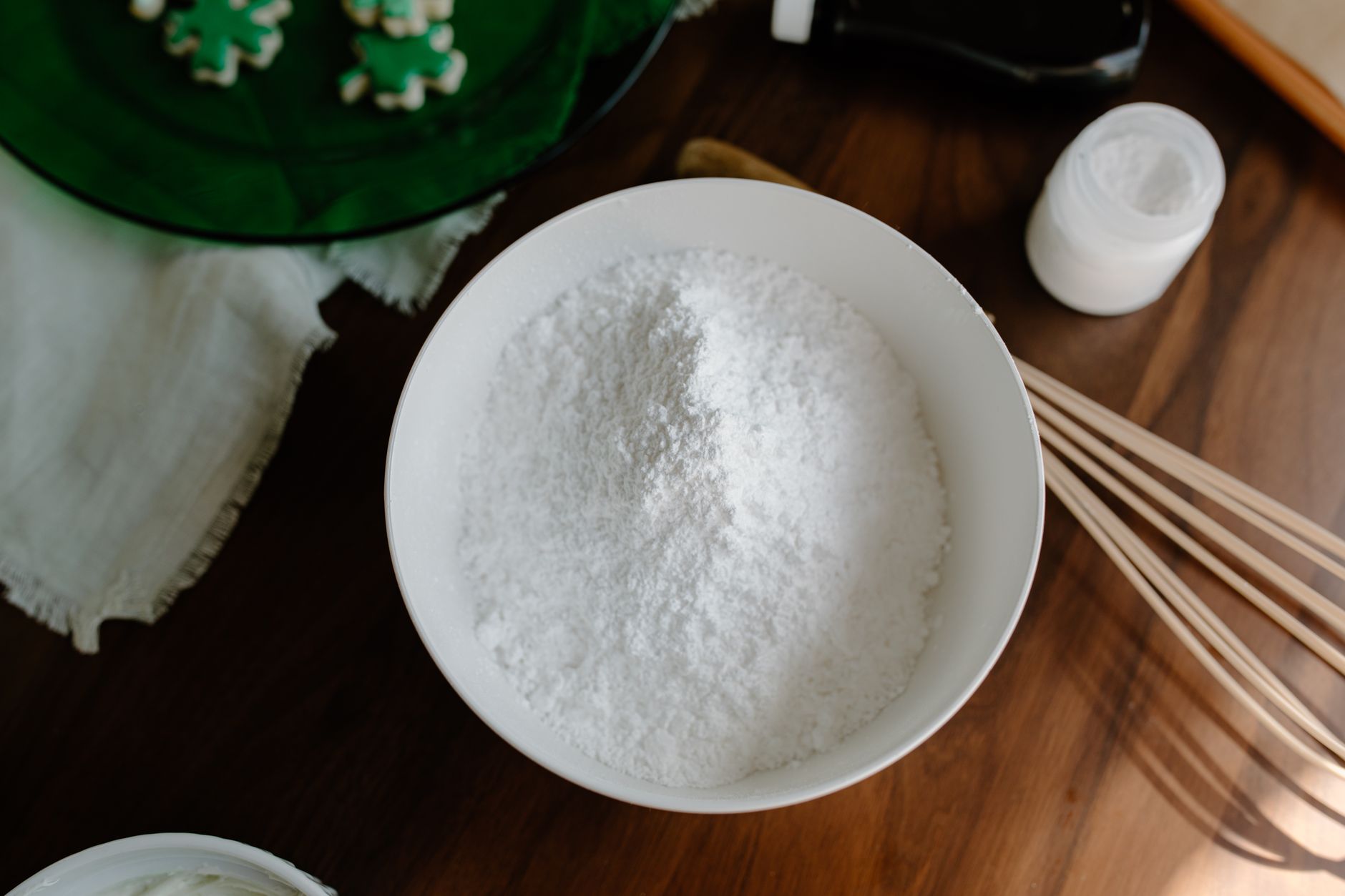
Place the confectioners’ sugar in a shallow bowl. Cool the baked cookies on the baking sheets for 5 minutes, then gently roll them in the sugar while still warm. Transfer them to a wire rack and cool for 20 minutes. Roll them in the confectioners’ sugar a second time once completely cool. The first coating melts slightly into the surface, while the second creates the visible snowy layer.

Variations & Substitutions
Use pecans instead of almonds. Replace the 3/4 cup of sliced almonds with 3/4 cup finely chopped pecans. Keep the almond extract for a familiar flavor, or replace it with 1/4 teaspoon maple extract for a warmer nutty profile. A Pecan shortbread recipe is another good option when you want a more pronounced pecan flavor.
Make a citrus version. Add 1 teaspoon of finely grated orange zest with the extracts. Orange zest gives the cookies a bright aroma without changing the dough’s moisture very much. Lemon zest also works, but use 3/4 teaspoon because its flavor is sharper.
Increase the chocolate flavor. Replace 2 tablespoons of the flour with 2 tablespoons of unsweetened cocoa powder. Sift the cocoa with the flour before adding it to the processor. The finished cookies will be darker, and the confectioners’ sugar will create a strong black-and-white contrast.
Use a gluten-free flour blend. Replace the all-purpose flour with 1 2/3 cups of a cup-for-cup gluten-free baking blend that contains a binder. The texture may be slightly more delicate, so chill the dough for 45 minutes instead of 30 before slicing.
Make a dairy-free test batch. A firm plant-based butter stick can replace the butter in an equal amount, but soft tub margarine is not a good choice. Its higher water content can cause spreading and a less tender crumb. Check all package labels if allergens matter.
Storage & Shelf Life
Store completely cooled cookies in an airtight container at room temperature for up to 7 days. Place parchment between layers if the sugar coating looks damp or if you are stacking the cookies tightly. Keep the container away from heat and direct sunlight, which can soften the butter-rich texture.
For longer storage, freeze the baked cookies for up to 2 months. Arrange them in a single layer on a tray and freeze for 1 hour. Transfer them to a freezer-safe container with parchment between layers. Thaw them uncovered at room temperature for 30 to 60 minutes, then add a light dusting of confectioners’ sugar if the coating has disappeared.
You can also freeze the wrapped dough log for up to 1 month. Thaw it in the refrigerator overnight, slice it while cold, and bake as directed. Discard cookies that develop mold, a sour smell, a rancid nut aroma, or an unusually soft and damp texture.
Pro Tips
Keep the almonds fine. Large almond pieces can make the dough crack when you shape the balls. Pulse the nuts with the sugar, rather than alone, because the sugar helps separate the almond pieces and reduces the chance of turning them into a paste.
Watch the butter temperature. If the butter is too cold, the processor leaves visible chunks and the dough becomes uneven. If it is too warm, the dough feels greasy and the finished cookies spread. A cool room-temperature butter is ideal.
Do not overprocess the flour. Once the flour disappears, stop the machine. Overworking develops more gluten and can remove the delicate, crumbly quality that makes snowball cookies special.
Use a light touch when rolling. Compacting the dough balls too firmly creates dense centers. Roll each portion only until the cracks disappear. If the dough begins sticking to your hands, chill the portions for 10 minutes.
Coat at the right temperature. Very hot cookies absorb too much sugar and can become patchy. Cookies that are completely cold do not hold the first coating as well. Five minutes on the pan gives the best balance.
Prevent a messy sugar finish. Use a shallow bowl rather than a deep container. Roll only a few cookies at a time, and shake off excess sugar before transferring them to the rack. This keeps loose sugar from collecting in damp clumps.
Check the bottoms, not only the tops. These cookies should stay fairly pale on top. Lift one carefully at the 15-minute mark. If the underside is light golden and the center feels set, remove the pan even if the tops do not look browned.
Questions & Answers
When is the best time to eat Almond Snowball Cookies Recipe?
The best time to eat these cookies is after they have cooled completely and received their second sugar coating. At that point, the crumb has settled and the butter flavor is clearer. They are especially pleasant with coffee, black tea, or hot chocolate, but their small size also makes them easy to serve with a dessert platter.
Why are my snowball cookies spreading?
Snowball cookies usually spread because the butter was too warm or the dough was not chilled long enough. Chill the wrapped log until firm, and keep the shaped balls cool while the oven finishes heating. Also confirm that the oven reaches 325°F before baking. Soft tub margarine can cause extra spreading because it contains more water.
Why did my cookies crack when I rolled them?
Cracking usually means the dough is too cold, too dry, or contains larger almond pieces. Let the chilled log sit at room temperature for 3 to 5 minutes before slicing. Roll each portion gently between warm palms. If the dough still breaks apart, press the pieces together rather than adding extra butter or water.
Can I make the dough without a food processor?
Yes, you can make the dough without a food processor by finely chopping the almonds and using an electric mixer. Beat the butter and sugar for about 2 minutes, mix in the extracts, then add the almonds, flour, and salt on low speed. The almonds should be very fine so the dough remains easy to shape.
How do I keep the confectioners’ sugar from disappearing?
Use two separate sugar coatings to keep the cookies snowy. Roll them once after 5 minutes of cooling, then apply the second coating after they have cooled completely. If the kitchen is humid, add the final dusting just before serving. Store the cookies in a dry, airtight container rather than in the refrigerator.
Can I prepare these cookies ahead of time?
Yes, you can prepare the dough log up to 2 days ahead and refrigerate it tightly wrapped. Let it stand for a few minutes before slicing if it feels very hard. You can also freeze the dough for up to 1 month. Thaw it in the refrigerator overnight, then slice and bake.
How small should each cookie be?
Each portion should come from a slice about 1/2 inch thick and should roll into a ball roughly 1 inch wide. This size produces about 30 cookies and helps them bake evenly. Larger balls may stay soft in the middle while the bottoms darken, so weigh portions if you want especially consistent results.
More Recipes You Will Love
If you enjoy buttery cookies with a delicate crumb, try this Pecan shortbread recipe. It has a deeper toasted-nut flavor and slices neatly for gift boxes or afternoon tea.
For a fruit-filled dessert platter, add the Fresh raspberry and blueberry tarts recipe 1945140. Its bright berries provide a refreshing contrast to the rich, snowy cookies.

Conclusion
These cookies rely on a short ingredient list, careful chilling, and a gentle bake. Fine almonds add quiet nuttiness, while the two sugar coatings create the signature snowy appearance and delicate sweetness. The Almond Snowball Cookies Recipe is simple enough for a first batch but rewarding to repeat as you refine the size and baking time. If you make them, leave a rating or comment and share how you served them.
FAQs
When is the best time to eat Almond Snowball Cookies Recipe?
The best time to eat Almond Snowball Cookies Recipe is with coffee, tea, or a glass of milk, especially during the holidays. Because each cookie is small and lightly sweet, they work well as an after-dinner treat or a gift for guests. Eat them within a few days of baking, when the sugar coating is still bright white and the texture is at its most tender.
How should I store Almond Snowball Cookies Recipe so they stay fresh?
Store Almond Snowball Cookies Recipe in an airtight container at cool room temperature, with sheets of waxed paper between layers. Keep them away from heat and humidity, which can soften the cookies and dull the powdered sugar. Before serving, add a light dusting of fresh confectioners' sugar to restore the snowy look.
Can I substitute ingredients in Almond Snowball Cookies Recipe?
You can make small substitutions in Almond Snowball Cookies Recipe, such as choosing a different brand of confectioners' sugar or unsalted versus lightly salted butter, but major changes affect texture. Replacing the flour or almonds alters the structure and flavor. Anyone with a nut, wheat, or dairy allergy should avoid this recipe or use a professionally assessed alternative.
Why did my Almond Snowball Cookies Recipe spread or turn out flat?
Dough that is too warm is the most common reason Almond Snowball Cookies Recipe spreads and loses its shape. Chill the dough into a firm log before slicing, and keep the slices cold until they go into the oven. Also check that the butter was softened, not melted, since overly soft butter can make the cookies flatten.
Can I make Almond Snowball Cookies Recipe dough ahead of time?
Yes, you can make the dough for Almond Snowball Cookies Recipe ahead of time. Shape it into a log, wrap it tightly in plastic wrap or parchment, and refrigerate until firm. Chilling it in advance also makes slicing easier, and you can slice and bake the cookies on the day you plan to serve them.