Introduction
Baking potatoes without foil is a small change that makes a big difference. But why is it advisable not to wrap potatoes in foil while baking? The simple answer involves texture, flavor, and health benefits. Foil traps steam, which prevents the skin from crisping up and can lead to a less enjoyable bite. Cooking potatoes uncovered lets their skins turn golden and crunchy, giving you a satisfying contrast to the soft, creamy inside. This method also retains a better moisture balance in the flesh, turning any baked potato into a perfect gluten-free lunch idea.
Whether you‘re a lunch enthusiast or a faithful home cook, understanding this small detail improves your potato baking techniques significantly. Lets explore why foil-free baking offers superior results and how you can master the oven-baked potato method for delicious, crisp-skinned spuds every time.
Key Highlights
The Science Behind Foil-Free Baking
One of the main benefits of foil-free baking is crispier skin and better texture. Wrapping potatoes in foil traps steam, effectively steaming the potato rather than roasting it. This prevents the skin from drying out and developing that cherished golden crust. Baking potatoes without foil allows moisture to escape, encouraging the starches in the skin to become dry and crispy. This is why, when you avoid foil, you get that delightful crunch paired with a fluffy interior a hallmark of classic baked potatoes.
Enhanced Flavor and Moisture Balance
Baking uncovered creates a balance between moisture retention inside the potato and skin dryness outside. This balance enhances the earthy aroma and flavor you expect from a well-made baked potato. Plus, the slight evaporation during foil-free baking concentrates the natural sugars, making it taste sweeter and more complex. This oven-baked potato method improves the entire eating experience, especially for those seeking satisfying, wholesome meals.
Health Considerations
Besides taste and texture, avoiding foil can be safer. Some studies suggest that aluminum from foil may leach into food, especially when cooking acidic items or at high temperatures. Though the scientific consensus is still evolving, embracing the benefits of foil-free baking supports cleaner, healthier cooking. It also prevents common baked potato mistakes, like soggy skin or uneven cooking, that often come with wrapping potatoes tightly in foil.
Ingredients & Preparation
| Prep time | Cook time | Total time | Servings | Calories | Diet tags |
|---|---|---|---|---|---|
| 10 minutes | 60 minutes | 70 minutes | 4 | 160 per serving | Gluten-Free, Vegan |
Ingredient List
- 4 medium Russet potatoes (or similar baking potatoes)
- 2 tablespoons olive oil
- 1 teaspoon sea salt (preferably coarse)
- Optional herbs: fresh rosemary, thyme, or parsley
Feel free to substitute Yukon gold or sweet potatoes, adjusting cooking times accordingly. Organic potatoes add earthy flavor and fewer pesticides but feel free to use what you prefer.
Equipment Needed
- Baking sheet (preferably rimmed)
- Fork or sharp knife (for piercing skins)
- Oven preheated to 425F (218C)
Foil is deliberately discouraged here to respect the foil-free baking method and ensure crisp results.
Choosing the Right Potatoes
Look for firm, medium-sized potatoes with smooth skin. Russets work best for that classic fluffy texture. Avoid ones with bruises, sprouts, or soft spots. Organic versus conventional is up to you, but fresher potatoes always bake better.
Step-by-Step Instructions
Step 1 Prepare the Potatoes
Start by washing and drying each potato thoroughly. Remove all dirt, and use a fork to pierce each potato 68 times evenly. This vents steam during baking, preventing skin rupture and helping the inside cook evenly.
Step 2 Bake Uncovered
Place potatoes directly on a rimmed baking sheet. Bake in a preheated oven at 425F (218C) for 55 to 60 minutes. Check for doneness by inserting a sharp knifeit should slide in easily with no resistance.
Step 3 Season Immediately
When the potatoes come out of the oven, brush them with olive oil while they‘re hot. Sprinkle sea salt evenly across the skin for flavor and crunch. You can add chopped fresh herbs for an aromatic twist.
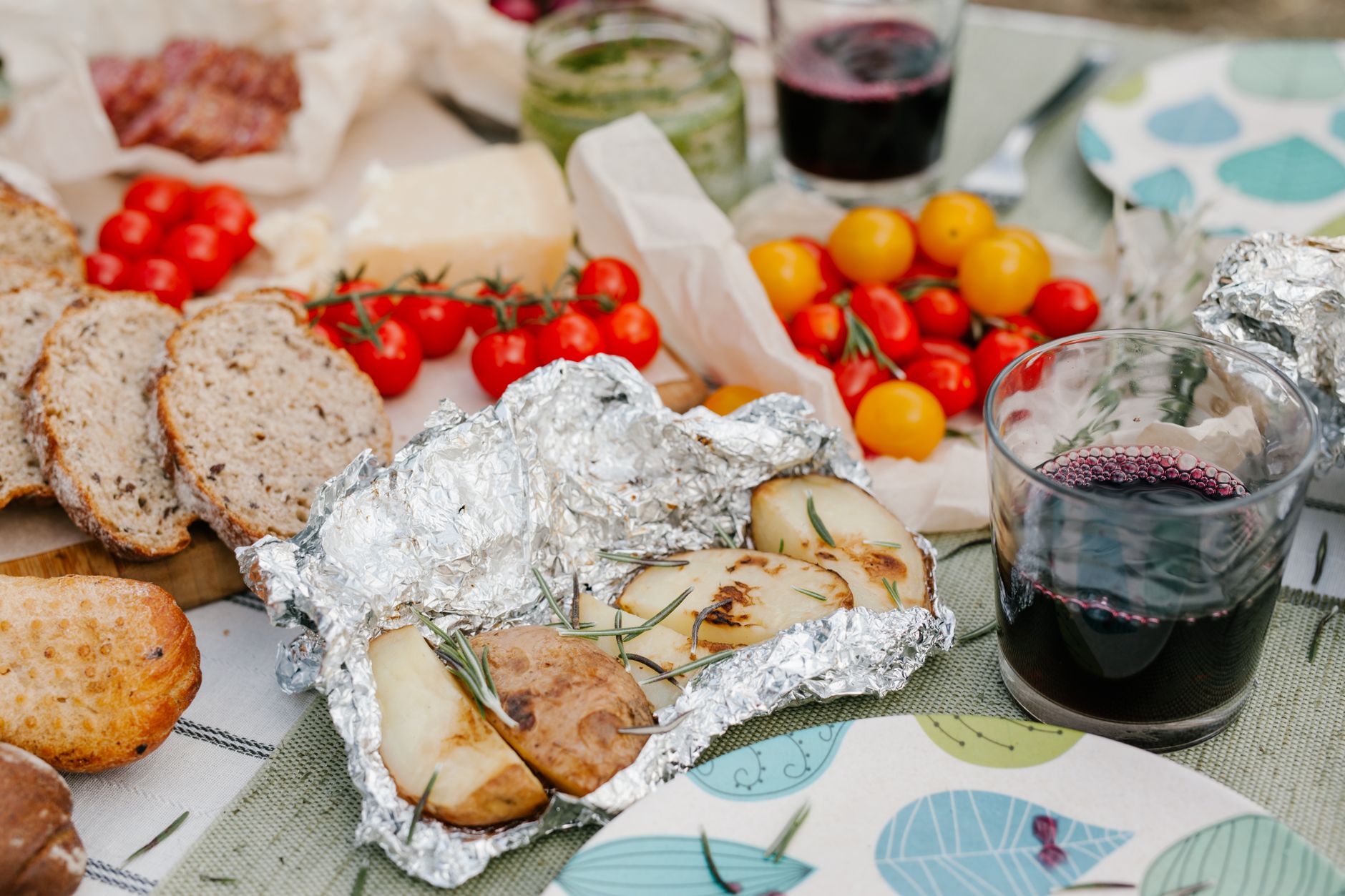
Step 4 Serve or Store
Serve hot for the best experience, or store them in breathable containers like paper bags to keep skins crispy. Avoid wrapping baked potatoes tightly or using plastic containers, which trap moisture and soften the skin.
Variations & Substitutions
Herb-Infused Olive Oil
Add minced garlic or herbs like rosemary to olive oil before brushing onto the potatoes to enrich their flavor in a simple way.
Sweet Potato Option
Use medium sweet potatoes similarly but reduce the baking time to about 45 minutes, as they cook faster and naturally contain more moisture.
Texture Preferences
For softer skins, reduce oven temperature to 375F and increase cooking time slightly, but for true crispiness, keep the high heat and foil-free baking technique consistent.
Storage & Shelf Life
Refrigeration
Store baked potatoes unwrapped in a paper bag or breathable container in the fridge for up to 3 days. Wrapping tightly leads to soggy skins and less flavor.
Freezing
Wrap each cooled potato individually in parchment paper before freezing. Store in freezer-safe bags for up to 3 months. Thaw overnight in the refrigerator before reheating gently in the oven.
Make-Ahead Tips
Bake a large batch and store as described above. Label with the date clearly to track freshness. Reheat in the oven at 375F for 10-15 minutes to restore crispiness.
Pro Tips & Troubleshooting
Avoid Soggy Skins
Pat potatoes completely dry before baking. Moisture on the skin will steam and prevent crisping. Baking at a high temperature (425F) ensures dry, crunchy skins. Avoid foil as it traps moisture.
Fix Dull or Uneven Skin
If skin looks dull, try brushing more olive oil before baking or immediately afterward. Rotate potatoes halfway during baking to ensure even heat exposure. Thick-skinned potatoes need longer baking times.
Upgrade Crunch with Salt
Finish with a sprinkle of coarse sea salt right after baking. It adds texture and enhances the natural flavor. For an extra touch, blend smoked paprika or garlic powder into the salt.
For a closer look at foil effects on vegetables, check out this post on tin foil potatoes and onions in oven.
When is the best time to eat potatoes baked without foil?
The best time is immediately after baking while the skin is crisp and the inside is fluffy. Potatoes maintain their ideal texture for about 30 minutes once out of the oven. If storing, reheat carefully to restore crispness.
Can I bake a big batch at once and store it?
Yes, baking a large batch is efficient. Store cooled potatoes in paper bags or breathable containers in the fridge for up to 3 days. Reheat in the oven to regain crispy skin before serving.
Does using fresh potatoes vs frozen affect the baking outcome?
Fresh potatoes bake more evenly and develop better skin texture. Frozen potatoes release more moisture, which can cause soggy skins and uneven cooking. Use fresh for the best foil-free results.
Is foil-free baked potato safe for all diet types, including pregnancy?
Absolutely. Foil-free baked potatoes are gluten-free, vegan-friendly, and safe for all diets, including pregnancy. They are a wholesome carbohydrate source packed with nutrients like potassium and fiber.
How often can I include baked potatoes in my weekly meals?
Including baked potatoes 23 times a week is balanced for most diets. They provide energy and essential nutrients but pairing with vegetables and proteins creates a complete meal.
Why does mine sometimes taste dry or lack crispiness?
Dry or soft potatoes usually mean foil was used, cooking temperature was too low, or potatoes were wrapped after baking. Ensure high heat and no foil for a crispy, moist interior.
What sides or toppings pair best with foil-free baked potatoes?
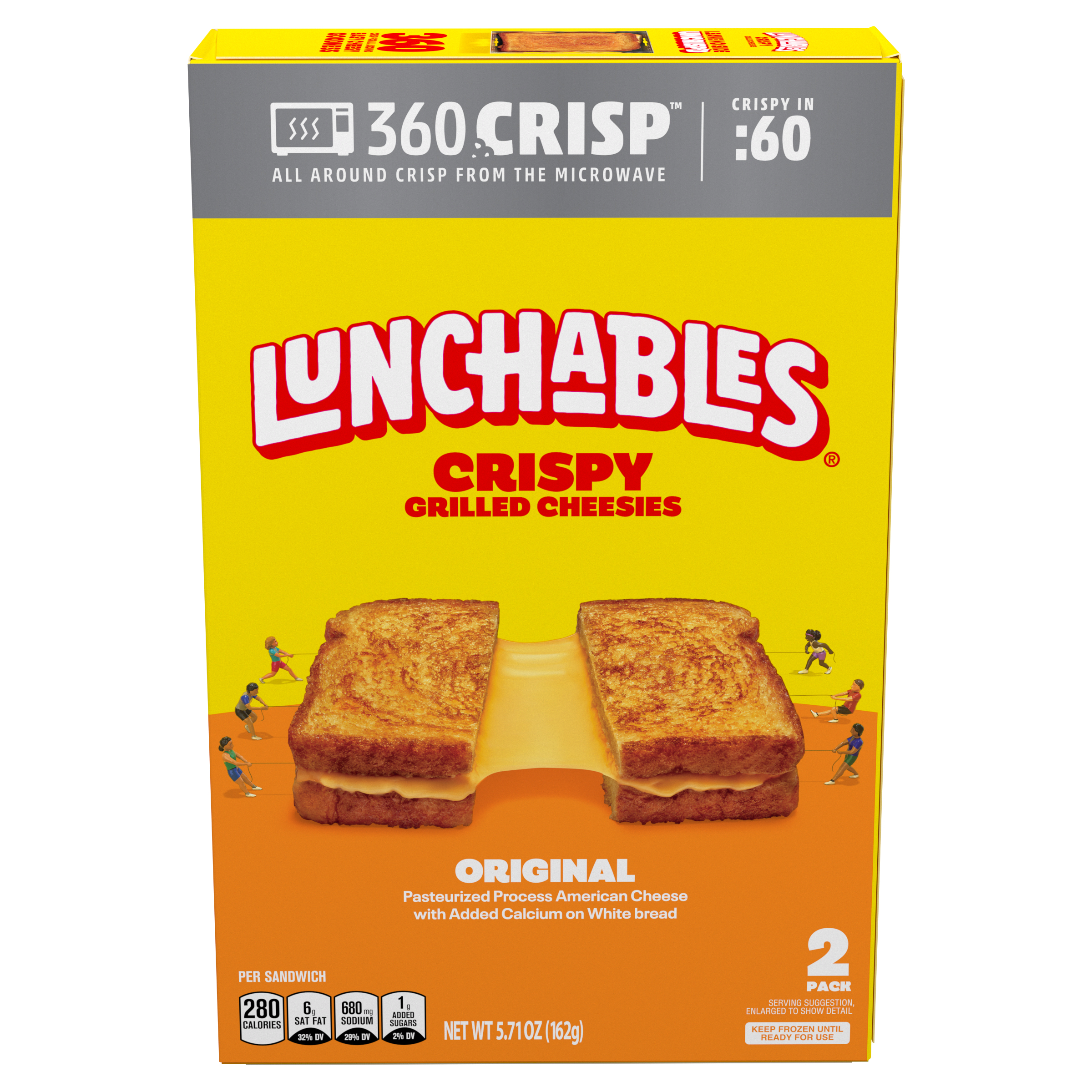
Classic toppings include sour cream, chives, shredded cheese, or leftover chili. For lighter options, try steamed vegetables or a fresh salad. Crispy grilled cheese 3703358 also makes an excellent side.
More Recipes You Will Love
Try these tasty ideas to complement your lunch menu. Our Crispy grilled cheese 3703358 lends a crunchy, cheesy edge to any meal.
For a cozy twist, the Cheezy mushroom melt 2012856 pairs fantastic with soft baked potatoes and adds depth of flavor.
Conclusion
Understanding why is it advisable not to wrap potatoes in foil while baking unlocks a simple secret to crispier skins and richer flavor. This foil-free method enhances texture and aroma, making every baked potato a pleasure. Try this approach next time and enjoy golden, crunchy skins paired with fluffy interiors. Share your results or questions below, and dont forget to check out our creative lunch recipes for more inspiration!
FAQs
When is the best time to eat why is it advisable not to wrap potatoes in foil while baking?
The best time to eat foil-free baked potatoes is immediately after baking, while the skin remains crisp and the inside stays fluffy. After about 30 minutes, the texture begins to soften, so serving promptly ensures optimal taste and crunch.
Can I bake a big batch of potatoes without foil and store them?
Yes, you can bake a large batch foil-free and store cooled potatoes in paper bags or breathable containers in the fridge for up to three days. Reheat them in the oven to restore the crispy skin before serving.
Does using fresh versus frozen potatoes impact the baking result?
Fresh potatoes bake more evenly and develop crispier skins, while frozen potatoes release extra moisture that can cause soggy skins and uneven cooking. For best results with foil-free baking, use fresh potatoes.
Is baking potatoes without foil safe for all diets, including pregnancy?
Absolutely. Foil-free baked potatoes are naturally gluten-free, vegan-friendly, and safe for all diets, including pregnancy. They provide essential nutrients like potassium and fiber as a wholesome carbohydrate option.
Why do potatoes sometimes taste dry or lack crispiness when baked?
Potatoes often taste dry or have soft skins if they were wrapped in foil, cooked at too low a temperature, or wrapped immediately after baking. High heat and baking without foil ensure a crispy skin and moist interior.