Vollkornbrot Recipe
Inspired by Dan Leader
- Yield: 2 loaves (9 x 5-inch)
- Total time: 1 day 11 hours 55 minutes
- Preparation: 8 hours 30 minutes
- Baking: 1 day 3 hours 25 minutes
Ingredients
- 2 cups (about 13 oz) whole rye berries
- 8 cups (64 fl. oz) boiling spring water
- 2 cups (18 oz) rye sourdough starter
- 8 cups (40 oz) medium grind rye flour
- 2 cups (9 oz) cracked rye
- 1 tablespoon (approx. 3/4 oz) fine sea salt
Instructions
- Place the rye berries in a bowl and pour roughly 6 cups of hot spring water over them, or just enough so the berries are submerged by at least an inch. Allow them to soak for 8 hours or overnight. If the water gets fully absorbed before the soaking time is up, refill with more hot water to cover the berries again. Once finished, drain the berries, reserving their soaking liquid. Add enough room temperature spring water to the reserved soaking water to reach 6 cups all together. Set this aside.
- In a large 6-quart mixing bowl, blend the rye sourdough starter, soaked rye berries, and the reserved water. Use a wooden spoon to break apart the starter and stir thoroughly until the mixture becomes slightly bubbly. Mix in 1 cup (5 1/2 oz) of rye flour and all of the cracked rye, blending well. Add sea salt and the rest of the flour, stirring until everything is evenly combined. The resulting mixture should be wet and sticky. Gauge the dough's temperature; it should be around 78F (25.5C). Drape a clean, damp towel over the bowl and keep it somewhere moderately warm (74-80F; 23-27C) and protected from drafts.
- If the dough is above 78F, transfer the bowl to a cooler spot (like the refrigerator) until it cools to 78F. If it's too cold, move it to a slightly warmer environment so it comes up to temperature. Aim to let the dough maintain this temperature throughout the fermentation. If you need to move the bowl, do it carefully; excessive shaking might cause the dough to collapse.
- Over the fermentation period, the dough will develop a spongy texture (though it won't bounce back), a pronounced sour aroma, and will expand in size by roughly one-fourth. Generously grease two 9 x 5 x 3-inch loaf pans with vegetable shortening, then dust with rye flour. Divide the dough between the pans and smooth the tops with a thin, damp cake spatula. Cover the loaves with a moist towel or plastic wrap, and let them rise again in a moderately warm, draft-free area until they form a gentle dome above the pan rims and have again expanded by about 25%.
- Set your oven to preheat at 300F (150C). Position the loaves in the center rack, baking them until they pull slightly away from the pan sides, the crusts have turned dark brown, and a toothpick inserted cleanly comes out cleanusually between 2 1/2 to 3 hours. After this, take the breads out of their pans and turn them over. Knock the bottoms with your finger, listening for a distinct hollow sound to confirm they are baked through; if dull, return them to the oven for an extra 15 minutes. Allow the bread to cool in the pans for about 10 minutes, then finish cooling completely on wire racks.
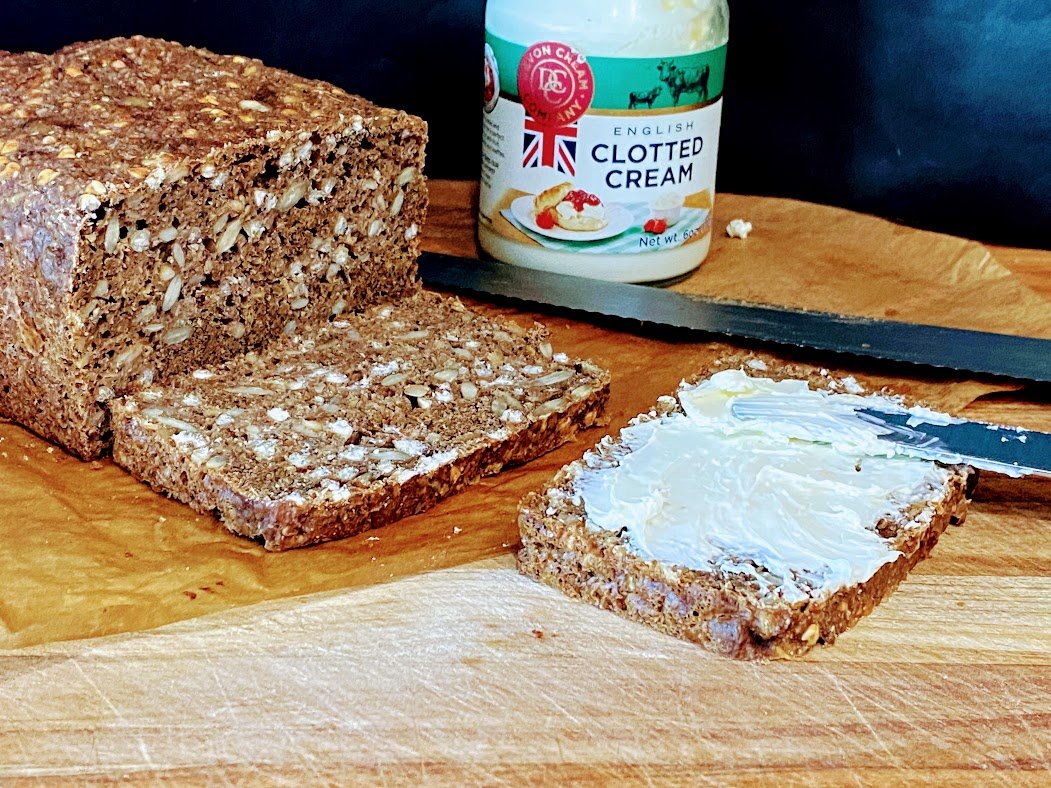
- Pro Tip for Perfection: For the best results, let your Vollkornbrot rest for 24 to 36 hours prior to slicingwhile it will seem moist in the center when first baked, this resting period allows moisture to distribute evenly, unlocking its full, nutty depth. Once fully cooled and rested, wrap the loaves securely in plastic wrap; properly stored at room temperature, they'll keep fresh for several weeks. Imagine slicing into this hearty masterpiece, pairing thin pieces with creamy cheeses, bold spreads, or smoked fishpure baking bliss awaits!
Notes
- Throughout both soaking and fermenting, keeping the dough at optimal temperature is essential for flavor and texture.
- Vollkornbrot improves with time, developing deeper flavors as it rests after baking.
- This recipe makes two sizable, hearty loavesperfect for slicing thin and pairing with cheeses, spreads, or smoked fish.