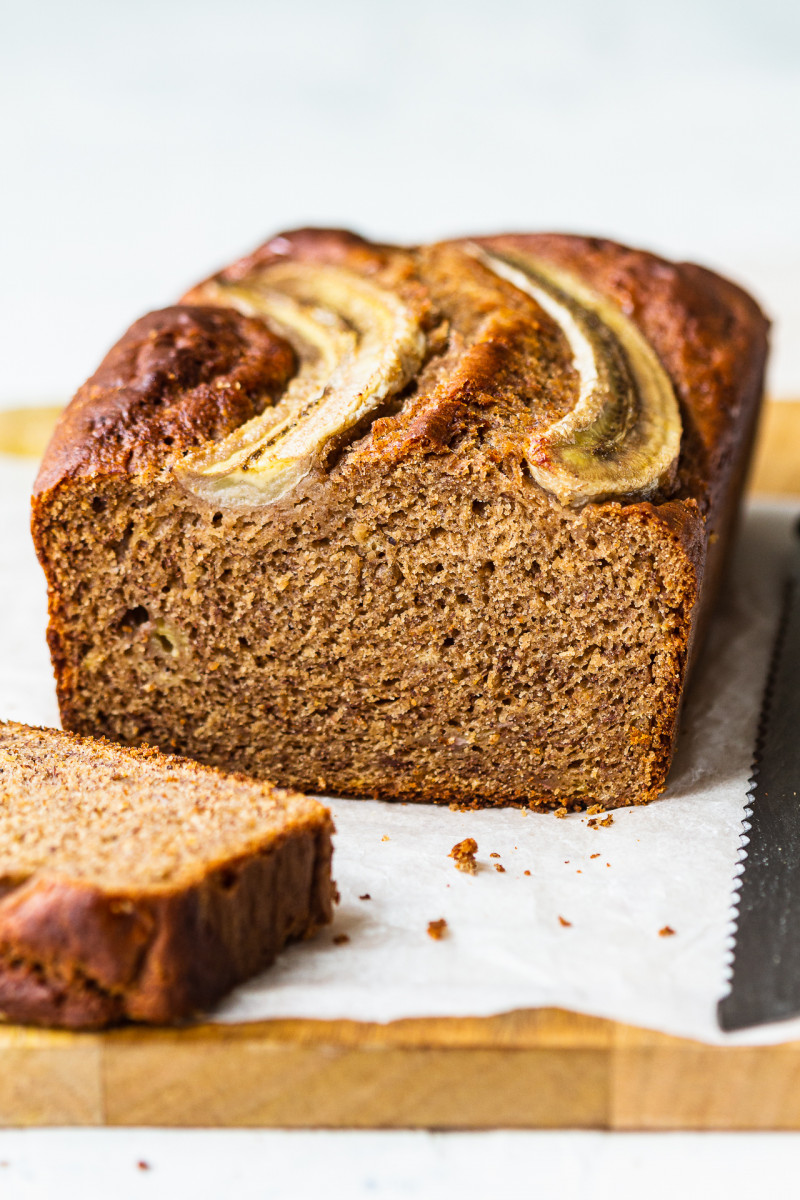
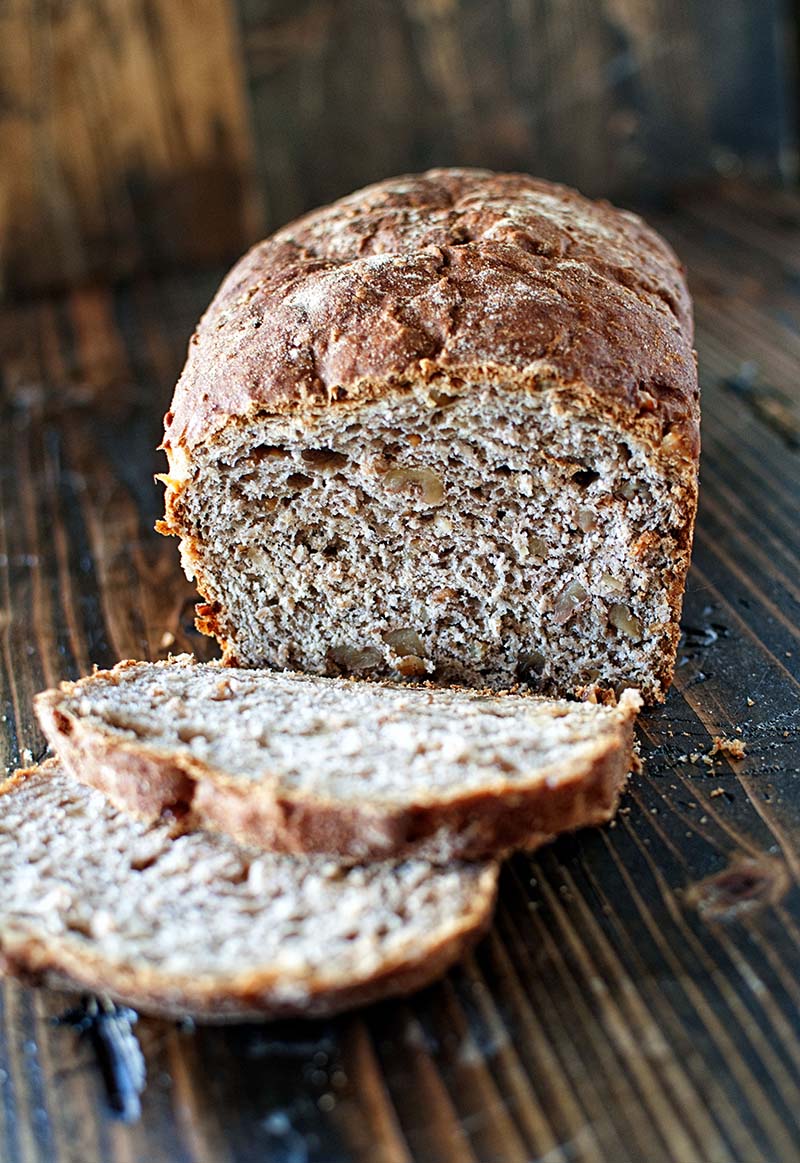
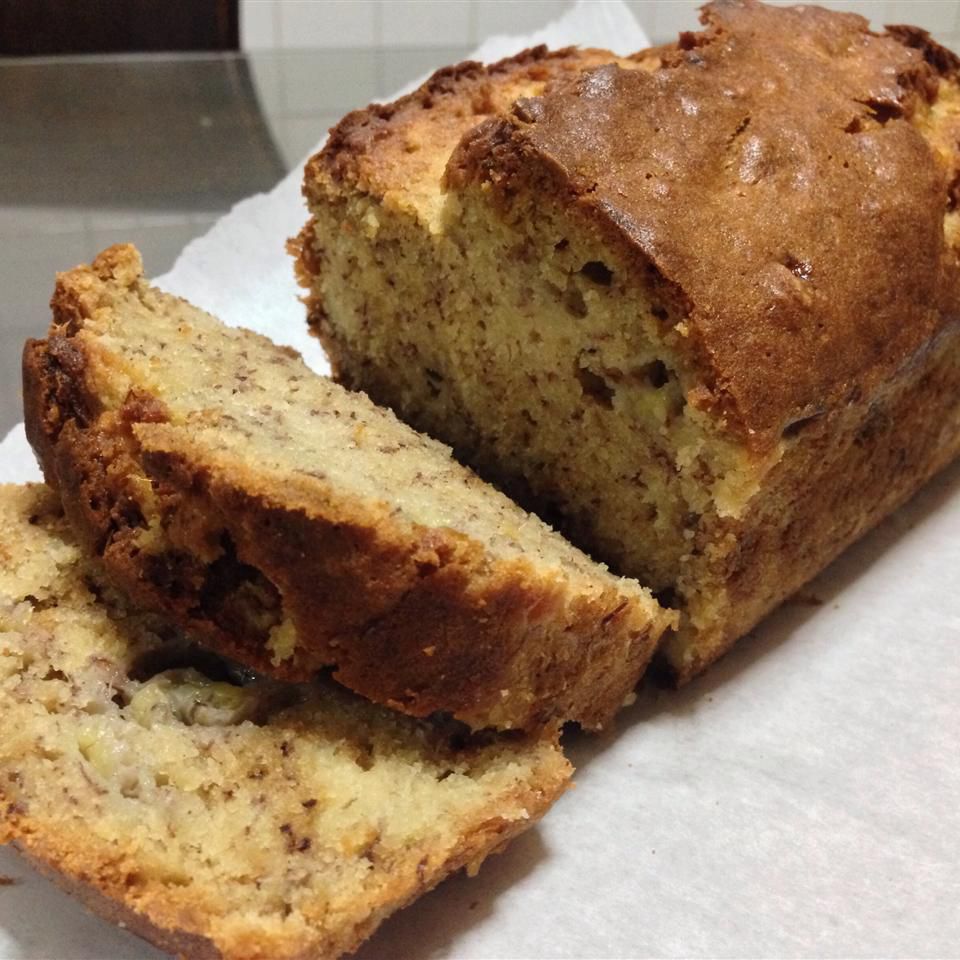
Hey there! If you’ve ever stared at a bunch of overripe bananas and thought, “What the heck do I do with these?” you’re in the right spot. In the next few minutes I’ll show you how to turn those bananas into a soft, moist banana bread that’s extra tender thanks to Greek yogurt. No butter, no fuss, just pure comfort in a slice. For a quicker version, try this simple healthy banana bread recipe that uses the same base ingredients.
Why Yogurt Works
First up, let’s talk about the star of the show: yogurt. You might wonder why swapping butter or oil for yogurt makes a difference. The secret lies in a little chemistry magic.
What does yogurt do to batter?
Yogurt is both acidic and creamy. The acidity reacts with baking soda (or baking powder) to create tiny bubbles of carbon dioxide, which lift the batter and give the loaf a light crumb. Meanwhile, the milk proteins coat the flour particles, trapping moisture and preventing the bread from drying out.
Yogurt vs. butter/oil
Compared with butter, yogurt reduces the overall fat content while adding a boost of protein and calcium. It also keeps the crumb extra moist—something you’ll notice right away when you bite into a slice. If you prefer a little extra richness, you can combine yogurt with a splash of oil, but the base recipe works perfectly on its own.
Science behind the lift
When lactic acid in yogurt meets baking soda, the reaction creates lift without the need for a lot of added fat. This is why the loaf stays moist banana bread with yogurt even after it cools.
Trusted sources
According to a food‑science article from the Harvard T.H. Chan School of Public Health, fermented dairy products like yogurt can improve texture in baked goods while adding probiotics and calcium.
Ingredient List
Here’s what you’ll need. Feel free to swap things around—this section is meant to be flexible, so you can tailor the loaf to your pantry.
Core ingredients
- 3 ripe bananas (mashed)
- 1 cup plain Greek yogurt (full‑fat or low‑fat)
- 2 large eggs
- ½ cup granulated sugar (or ½ cup honey for less refined sugar)
- ½ cup melted coconut oil or olive oil (optional, for extra richness)
- 1 ¼ cups all‑purpose flour
- 1 tsp baking soda
- ½ tsp baking powder
- ½ tsp salt
- 1 tsp vanilla extract
Optional add‑ins
- ½ cup chopped walnuts or pecans
- ½ cup chocolate chips
- ½ cup rolled oats (great for a banana bread with greek yogurt and oats twist)
- ¼ tsp cinnamon or nutmeg for extra warmth
Substitutions & no‑butter version
If you’re avoiding dairy, swap the Greek yogurt for a plant‑based yogurt (like soy or almond). For a truly no‑butter loaf, just leave out the oil—yogurt’s moisture is enough to keep the crumb tender. Want an ultra‑simple, sugar‑free slice? Check out the 4 ingredient banana bread (no sugar) version that relies on the bananas’ natural sweetness.
Step‑by‑Step
Ready to bake? Follow these simple steps. I’ve broken them down into bite‑size pieces so you won’t have to flip back and forth.
Prep time, cook time, servings
| Stage | Time |
|---|---|
| Preparation | 10 minutes |
| Cooking | 35‑40 minutes |
| Total | ~50 minutes |
| Servings | 8‑10 slices |
Mix dry ingredients
In a medium bowl whisk together the flour, baking soda, baking powder, and salt. This ensures an even distribution of leavening agents, which is key for a uniform rise.
Mix wet ingredients
In a large bowl mash the bananas until smooth. Add the Greek yogurt, eggs, vanilla, and sugar (or honey). If you’re using oil, drizzle it in now. Beat everything together until the mixture is glossy and slightly fluffy.
Expert tip
Don’t overmix once you combine the wet and dry parts. Overmixing develops gluten, which can make the bread dense instead of light.
Combine & fold
Gradually add the dry mixture to the wet, folding gently with a spatula. If you’re adding nuts, oats, or chocolate chips, sprinkle them in now and give the batter one last gentle stir.
Bake
Preheat your oven to 350°F (175°C). Grease a 9‑inch loaf pan or line it with parchment paper. Pour the batter in, smoothing the top with a spatula.
Place the pan in the middle rack and bake for 35‑40 minutes, or until a toothpick inserted into the center comes out clean (a few moist crumbs are okay). If the top starts to brown too quickly, tent it with foil.
Cooling
Let the loaf rest in the pan for 10 minutes, then transfer it to a wire rack. This prevents the bottom from becoming soggy and lets the steam escape, preserving that moist banana bread with yogurt texture.
Flavor Variations
One of the joys of this recipe is how adaptable it is. Here are a few ideas to keep things exciting.
Nutty crunch
Stir in ½ cup of chopped walnuts or pecans for a satisfying bite. The nuts also add healthy fats and a bit of extra protein.
Choco‑yogurt
Mix in ½ cup of dark chocolate chips for a sweet surprise. The chocolate pairs beautifully with the tang of Greek yogurt.
Oaty boost
For a heartier loaf, fold in ½ cup rolled oats. This creates a banana bread with greek yogurt and oats version that’s perfect for a quick breakfast on the go.
Oil‑enhanced
If you love a richer crumb, add a splash of coconut or olive oil (about ¼ cup). This gives you a banana bread with yogurt and oil hybrid—still healthier than full‑on butter but a little more indulgent.
Nutrition Facts
Below is a quick snapshot of the typical nutrition per slice (assuming 10 slices total). Numbers will vary slightly based on the exact ingredients you use.
| Nutrient | Amount per slice |
|---|---|
| Calories | 180 kcal |
| Protein | 5 g |
| Carbohydrates | 28 g |
| Fat | 6 g |
| Fiber | 2 g |
| Sugar | 12 g |
| Sodium | 140 mg |
Health benefits
The Greek yogurt contributes about 10 g of protein per serving, plus calcium and probiotics that support gut health. Using bananas as the primary sweetener cuts down on refined sugar, making this a healthy banana bread with yogurt option.
Potential pitfalls
Even though this loaf is lighter than traditional butter‑laden recipes, it still contains sugar and carbs. If you’re watching your intake, you can reduce the sugar or swap it for a natural sweetener like maple syrup (use a little less because it’s sweeter).
Balancing the sugar
Bananas are naturally sweet, especially when fully ripe. By adjusting the added sweetener, you can keep the loaf under 10 g of sugar per slice—perfect for a modest snack.
Dietary swaps
For a dairy‑free version, use a plant‑based yogurt enriched with calcium. For a gluten‑free loaf, swap the all‑purpose flour for a 1:1 gluten‑free blend.
Troubleshooting
Even seasoned bakers hit a snag now and then. Below are common issues and quick fixes.
Why is my bread dense?
Usually it’s because the batter was overmixed or the leavening agents weren’t fresh. Make sure your baking soda is no older than six months and stir just until the flour disappears.
Crumbly loaf?
If the crumb feels dry, you likely omitted enough moisture. Add an extra tablespoon of yogurt or a splash of milk next time.
Can I freeze it?
Absolutely! Let the loaf cool completely, slice it, and wrap each piece in foil or a freezer‑safe bag. It’ll keep for up to three months. Just toast or microwave a slice before serving.
How long does it stay fresh?
Stored at room temperature in an airtight container, the banana bread stays soft for about four days. For longer life, refrigerate (up to a week) or freeze as noted above.
Side‑by‑Side Comparison
Want a quick visual of how this yogurt‑based loaf stacks up against the classic butter version? Check out the table below.
| Feature | Yogurt Banana Bread | Traditional Butter Bread |
|---|---|---|
| Moisture | (acidic lift) | |
| Calories (per slice) | 180 kcal | 210 kcal |
| Protein | 5 g (Greek yogurt) | 3 g |
| Prep Time | 10 min | 15 min |
| Shelf‑life (room) | 4 days | 3 days |
| Suitable for | Low‑fat, high‑protein diets | Traditional taste lovers |
Source note
All nutritional figures are based on data from the USDA FoodData Central.
Real Stories
It always feels nicer when you hear how others have used a recipe.
Family‑friendly success
Emily, a busy mom of three, told me she bakes this loaf every Sunday for school lunches. The kids love the soft texture, and I feel good because there’s real yogurt in there, not just butter, she said.
Reddit experiment
On the r/Baking subreddit, a user posted a photo of a banana bread with yogurt and oil hybrid. He added a drizzle of honey on top before baking and called it the best of both worlds. The post received over 200 upvotes, proving the community’s love for variations.
Personal anecdote
When my own bananas went black on a rainy Saturday, I threw together this recipe with just what I had on hand—no butter, a tub of Greek yogurt that was about to expire, and a handful of walnuts. The result? A loaf that was so moist I actually sliced it while it was still warm. My cat even tried to sneak a bite (don’t do that at home; it’s not safe for cats!).
Final Thoughts & Call to Action
There you have it—a straightforward, easy banana bread with yogurt that delivers on flavor, texture, and nutrition. Whether you’re a seasoned baker or just looking for a quick way to use up those ripe bananas, this loaf checks all the boxes. For an even faster version, see this easy banana bread recipe that skips a few steps without sacrificing taste.
Give it a try, experiment with a handful of your favorite add‑ins, and let the aroma fill your kitchen. I’d love to hear how your version turns out—share your tweaks, ask a question, or just tell me which variation you liked best. Happy baking!
FAQs
Can I substitute regular yogurt for Greek yogurt?
Yes, plain regular yogurt works, but Greek yogurt gives a denser, protein‑rich crumb and extra moisture.
How long can I store the banana bread?
Keep it in an airtight container at room temperature for up to 4 days, or refrigerate for a week. It also freezes well for up to 3 months.
What can I use instead of bananas if I’m not a fan?
You can replace bananas with equal amounts of unsweetened applesauce or pumpkin puree, though the flavor will change.
Do I need to add oil if I use yogurt?
The yogurt provides enough moisture, so oil is optional. Adding a tablespoon of oil gives a richer crumb but isn’t required.
My bread turned out dense—what went wrong?
Over‑mixing the batter or using old leavening agents can cause density. Mix just until combined and ensure baking soda/powder are fresh.