Looking for that soft, pillowy dough that makes every bierock practically melt in your mouth? Youre in the right spot. Below youll get a stepbystep guide to the best dough for bierocks, plus shortcuts, variations, and the little tricks that keep the dough from turning into a rock.
Grab your mixing bowl, roll up your sleeves, and lets dive in. By the end youll be able to serve up authentictasting bierocks that even the most seasoned Germanheritage bakers would applaud.
Why Dough Matters
It might sound simple, but the dough is the unsung hero of any bierock. A good dough does three things:
- Creates texture. You want a light, slightly sweet crumb that cushions the hearty meatcabbage filling.
- Balances flavor. The doughs subtle sweetness lets the savory filling shine without competing.
- Forms a sturdy pocket. A wellstructured loaf holds the filling without leaking, even after a second rise.
Think of the dough like a good friend at a party supportive, never overbearing, and always there when you need it.
Key Ingredients
Understanding the role of each component helps you tweak the recipe with confidence.
FlourtoLiquid Ratio
The classic bierocks dough recipe uses a 4cups flour to 1cups warm water ratio (roughly 3:1). This creates a slightly sticky, easytohandle dough. Below is a quick reference table:
| Ingredient | Weight/Volume |
|---|---|
| Allpurpose flour | 4cups (500g) |
| Warm water (110F/43C) | 1cups (360ml) |
| Milk | cup (120ml) |
| Unsalted butter, melted | cup (55g) |
| Sugar | 2tbsp |
| Active dry yeast | 2tsp (7g) |
| Salt | 1tsp |
Enrichment: Milk, Butter, Sugar
Milk adds tenderness, butter contributes richness, and a pinch of sugar feeds the yeast while giving that signature faint sweetness. This is what makes a bierocks dough recipe stand out from a plain bread loaf.
Yeast Choice
Both active dry yeast and instant yeast work, but active dry gives you a visual cue (the frothy proof) that the yeast is alive. If youre in a hurry, instant yeast can skip the proofing step just sprinkle it straight into the flour. For a deeper dive on yeast types, see Allrecipes' yeast guide.
Frozen Dough Shortcut
Got a tight schedule? An easy bierocks recipe with frozen dough works surprisingly well. Thaw the dough in the refrigerator overnight, let it come to room temperature, then give it a gentle 5minute knead before shaping. The texture wont be quite as airy as a fresh batch, but its a lifesaver for busy weeknights.
StepbyStep
Now that the pantry is stocked, lets walk through the process.
Proof the Yeast
Combine warm water, a pinch of sugar, and the yeast in a small bowl. After 57 minutes you should see bubbles forming thats the yeast waking up. If nothing happens, the yeast might be dead; start over with fresh yeast.
Mix & Knead
In a large bowl, whisk together flour, salt, and the remaining sugar. Make a well in the center and pour in the proofed yeast, warm milk, and melted butter. Stir until a shaggy dough forms, then turn it onto a lightly floured surface.
Handson kneading: 810 minutes of rhythmic pushing, folding, and turning. The dough should become smooth, elastic, and just a tiny bit tacky. If youre using a standmixer, a mediumspeed dough hook will do the job in about 5 minutes.
First Rise
Place the dough in a lightly oiled bowl, cover with a damp towel, and let it rise in a warm spot (around 75F/24C) for 1 hour, or until doubled in size. No oven needed a turnedoff microwave with the light on works perfectly.
Shaping the Dough Balls
Punch down the risen dough, divide it into 12 equal pieces (about 34oz each). Roll each piece into a smooth ball, then let them rest for 10 minutes. This rest relaxes the gluten, making it easier to flatten later.
Second Rise (After Filling)
Once youve placed the filling inside each dough circle and sealed the edges, give them another 2030 minutes to puff up. This extra rise creates a steam pocket that makes the crust extra fluffy.
Dough Variations
If you like to experiment, these tweaks let you tailor the dough to your pantry or dietary needs.
WholeWheat Option
Swap out up to 30% of the allpurpose flour for wholewheat flour. Add an extra tablespoon of butter to keep the crumb tender. Youll get a nuttier flavor without sacrificing that signature softness.
GlutenFree Alternative
Blend rice flour, tapioca starch, and a bit of xanthan gum (1tsp) to mimic glutens elasticity. The dough will be slightly stickier, so handle it with a lightly oiled surface. Expect a denser bite, but its still delicious for those who cant have gluten.
Using Rhodes Rolls
Short on time? Bierrocks with Rhodes rolls are a clever shortcut. Slice a prebaked Rhodes roll, flatten it gently, add the filling, then bake for 1012 minutes. The rolls buttery crust adds an extra layer of richness.
HerbInfused Dough
Stir in a teaspoon of dried oregano or caraway seeds for a subtle aromatic twist. It pairs perfectly with traditional bierock filling ideas like seasoned ground beef and sauerkraut.
Common Mistakes
Even seasoned bakers slip up sometimes. Heres a quick cheatsheet to keep you on the right track.
Dense Dough
Causes: underproofed yeast, too much flour, or water thats too cold. Solution: make sure the water is warm (around 110F) and give the yeast a proper proof. If the dough looks dry, sprinkle a tablespoon of water and knead briefly.
Cracked Shape
Causes: overhydrated dough or insufficient gluten development. Solution: knead a little longer, or add a teaspoon of extra flour if the dough feels too sticky. Let the dough rest before shaping.
Dry Interior
Causes: overbaking or a filling thats too lean. Solution: keep the oven at 375F and bake until the crust is golden, not brown. For a juicier interior, increase the butter in the filling or add a splash of broth.
Personal Anecdote
My first attempt at the bierocks dough recipe was a disaster I overkneaded, and the rolls turned rubbery. I rescued them by letting the dough rest longer and reducing the kneading time on the second batch. The difference was night and day.
Storage & Reheating
Nothing beats freshbaked, but leftovers happen. Heres how to keep them perfect.
Testing Readiness
Press a finger gently into the dough ball; if the indentation springs back slowly, its ready. If it stays indented, the dough needs a little more time.
Refrigeration vs. Freezing
Store unbaked dough balls in an airtight container in the fridge for up to 24hours theyll continue a slow rise. For longer storage, freeze the dough balls flat on a parchment sheet, then transfer them to a ziplock bag. When youre ready, thaw overnight in the fridge and let them come to room temperature before baking.
Reheating
Preheat the oven to 350F, place the leftovers on a baking sheet, and warm for 1012 minutes. A quick blast of steam (a pan of water on the lower rack) revives the crusts softness.
Authentic vs. Modern
Theres a timeless charm to an authentic german bierocks recipe, but modern shortcuts can be just as tasty.
Traditional Roots
Original bierocks came from German immigrants in the Midwest, using a simple yeasted dough and a hearty meatcabbage filling. The dough was often made by hand, with a slow rise and a modest amount of butter. This method yields a slightly chewier bite, reminiscent of a rustic farmhouse loaf.
Modern Easy Versions
Today youll find a bierocks recipe pioneer woman that swaps butter for oil, adds a dash of honey, and often incorporates frozen dough for speed. While the flavor profile shifts a bit, the convenience is undeniable especially when feeding a crowd.
Pros & Cons Table
| Aspect | Traditional | Modern Shortcut |
|---|---|---|
| Flavor Depth | Rich, buttery, slightly chewy | Light, mildly sweet |
| Prep Time | 23hours (incl. rises) | 45minutes |
| Skill Level | Intermediate | Beginnerfriendly |
| Cost | Low (basic pantry items) | Higher (storebought dough) |
Bringing It All Together
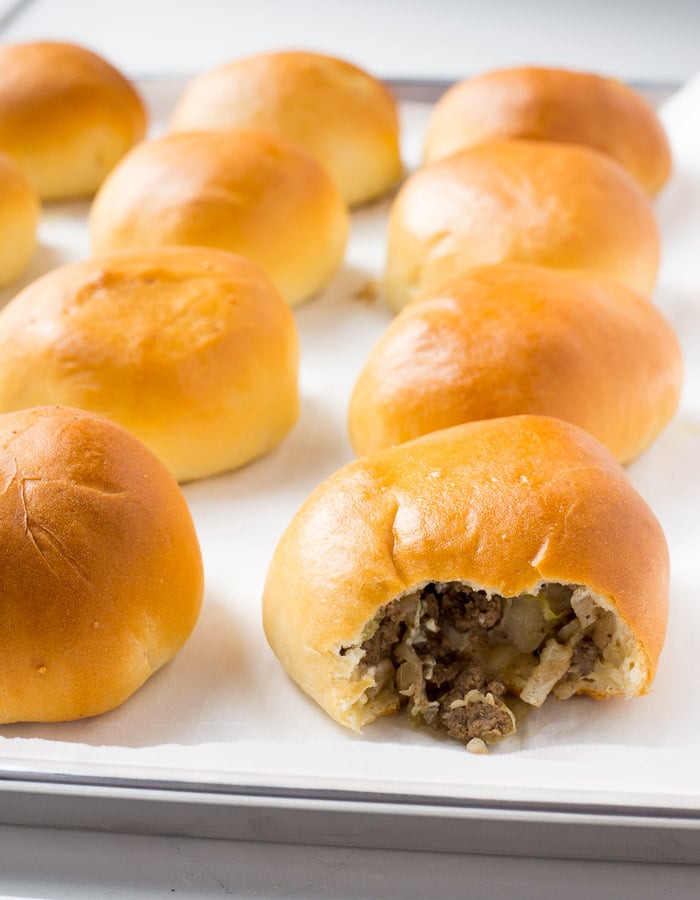
The best dough for bierocks isnt a secretits a blend of the right ratios, a gentle hand, and a little patience. Whether you follow the classic authentic german bierocks recipe, opt for an easy bierocks recipe with frozen dough, or get creative with wholewheat flour, the core principles stay the same: hydrate, enrich, and give the dough time to rise.
Now that youve got the knowhow, why not try a batch tonight? Grab your favorite fillingperhaps a classic beefsauerkraut mix or a daring mushroomcheese comboand watch the dough puff up into golden pockets of comfort.
Feel free to share your results, any twists you tried, or questions you still have. Happy baking, and may your bierocks always be fluffy, flavorful, and full of love!
FAQs
What makes the best dough for bierocks so soft and pillowy?
The combination of a proper flour‑to‑liquid ratio, enrichment with milk and butter, and enough rising time creates an airy crumb that stays tender after baking.
Can I use instant yeast instead of active dry yeast?
Yes. Instant yeast can be mixed directly into the flour, skipping the proofing step, though active dry yeast gives a visual cue that the yeast is alive.
How do I prevent my bierocks from becoming dense?
Make sure the water is warm (about 110°F/43°C), proof the yeast fully, and avoid adding too much extra flour. A proper first rise until doubled in size is crucial.
Is it possible to freeze the unbaked dough balls?
Absolutely. Freeze the shaped dough balls flat on parchment, then transfer to a zip‑lock bag. Thaw overnight in the refrigerator and let them come to room temperature before baking.
What are some easy variations for the dough?
You can substitute up to 30% whole‑wheat flour, use a gluten‑free blend with xanthan gum, or add herbs like oregano or caraway seeds for extra flavor.