Introduction
Why Indian Veg Sabzi Is a Flavorful and Nourishing Choice
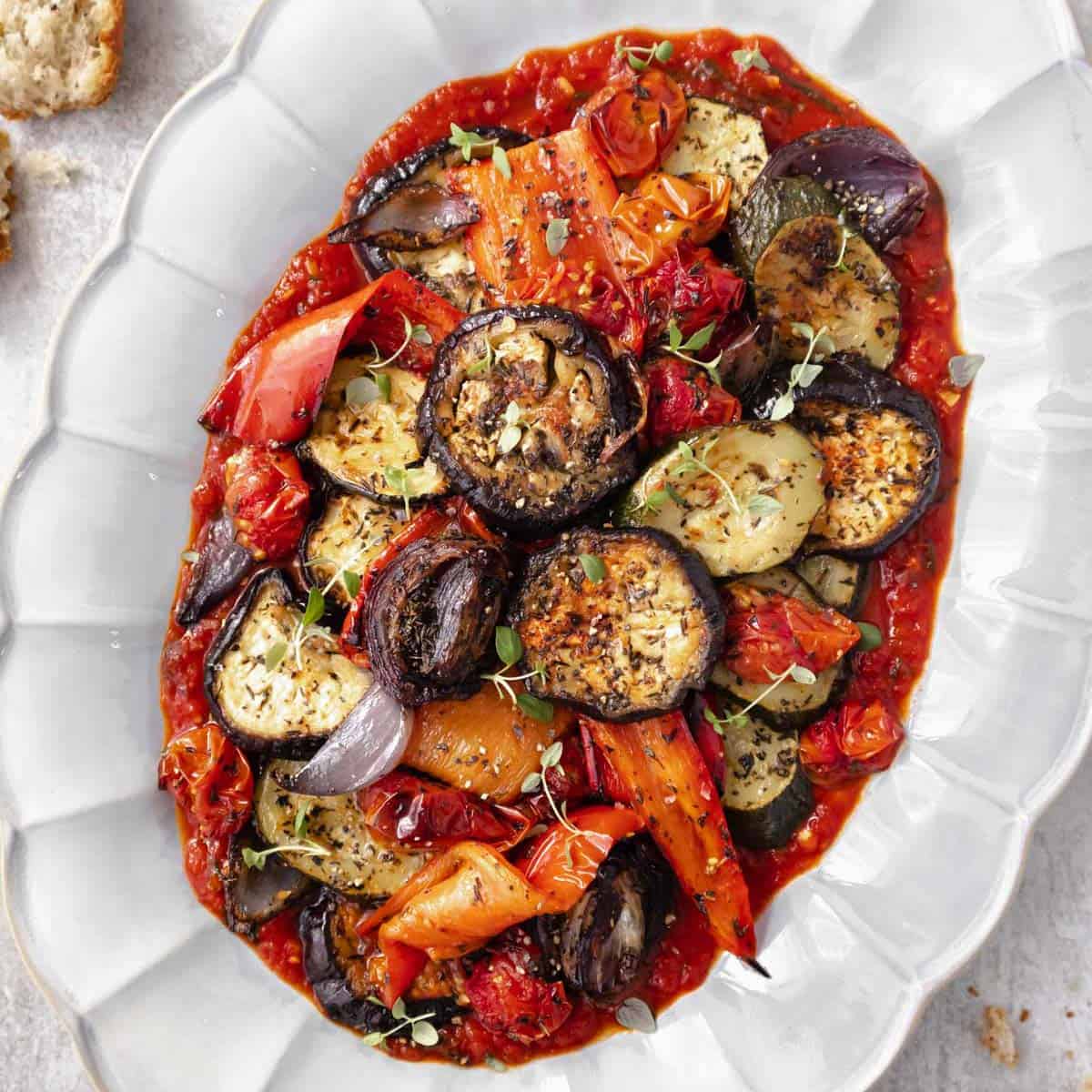
Indian veg sabzi is a vibrant, healthy Indian vegetable dish packed with fresh veggies and fragrant spices. This easy veg sabzi recipe highlights the perfect harmony between warmth, texture, and bold flavors. By mastering simple sabzi cooking techniques, you avoid watery or bland sabzi fix issues and enjoy a wholesome meal every time. Its traditional sabzi style makes it both comforting and deeply satisfying.
Who Should Try This Recipe Skill Level and Dietary Needs
This recipe fits beginners and experienced cooks seeking a quick vegetarian Indian sabzi variations dish. It suits vegan and gluten-free diets naturally, making it ideal for those focused on healthy, plant-based eating. Its straightforward steps help anyone learn essential indian vegetable curry tips with ease.
What Sets This Indian Veg Sabzi Apart from Other Recipes Online
This sabzi stands out by balancing spices perfectly while keeping vegetables tender, not mushy or overcooked. It avoids heavy oil usage yet retains robust flavor. With thoughtful timing, you get the right moisture balance, avoiding watery sabzi or dryness. Clear tips and substitutions ensure its adaptable to your kitchen pantry and taste preferences.
Key Highlights
Balanced Spices and Vegetable Texture for Maximum Flavor
The technique here allows each vegetable to shine with optimal bite. Cumin seeds bloom in hot oil while coriander and turmeric lend earthiness and color. Precise cooking times help vegetables stay firm yet tender, making it a truly traditional sabzi style dish packed with savory layers.
Nutritional Versatility and Digestive Benefits
Rich in fiber, vitamins, and antioxidants, this dish supports digestion and overall health. The blend of spices stimulates metabolism and offers anti-inflammatory benefits, with cumin and turmeric playing starring roles. Enjoy being nourished by this balanced, healthy Indian vegetable dish.
Considerations for Sensitive Stomachs or Allergies
If spice intensity is a concern, reduce chili powder or omit green chilies. Use mild oils like olive if mustard oil causes issues. Always check ingredient labels if allergies exist. This recipes flexibility helps accommodate most dietary needs without sacrificing flavor.
Ingredients & Preparation
Recipe Card Prep: 15 mins | Cook: 25 mins | Total: 40 mins | Servings: 4 | Calories: ~180 per serving | Diet Tags: Vegan, Gluten-Free, Dairy-Free
| Prep time | Cook time | Total time | Servings | Calories | Diet tags |
|---|---|---|---|---|---|
| 15 mins | 25 mins | 40 mins | 4 | ~180 | Vegan, Gluten-Free, Dairy-Free |
Detailed Ingredient List with Quantities and Substitutions
- Mixed vegetables (carrots, beans, peas, potatoes) 3 cups, chopped
- Tomato 1 medium, finely chopped
- Onion 1 medium, diced
- Green chili 1, slit (optional)
- Ginger-garlic paste 1 tsp
- Turmeric powder tsp
- Red chili powder 1 tsp (adjust to taste)
- Coriander powder 1 tbsp
- Cumin seeds 1 tsp
- Garam masala tsp
- Salt to taste
- Oil (preferably mustard or vegetable) 2 tbsp
- Fresh coriander leaves handful for garnish
Substitutions: Use olive oil instead of mustard oil for a milder aroma. Swap potatoes with sweet potatoes for a sweeter finish.
Essential Equipment for Cooking Indian Veg Sabzi
A medium saucepan or kadhai works best for even heat. A wooden spatula helps gently stir without breaking vegetables. No special gear is needed beyond a stovetop.
Choosing Quality Ingredients for Best Results
Pick fresh, firm vegetables to maintain a nice texture after cooking. Fresh spices deliver a golden aroma and deeper flavor. Organic choices enhance purity but fresh produce is key to flavorful sabzi.
Step-by-Step Instructions
Step 1 Prep: Wash and Chop Vegetables Uniformly
Rinse all vegetables well under running water. Chop into evenly sized pieces about to 1 inch for uniform cooking. Peel carrots and potatoes for smoother, creamier texture.
Step 2 Cook Spices and Vegetables: Temper Oil and Saut
Heat 2 tablespoons oil on medium-high heat until shimmering. Add 1 teaspoon cumin seeds; wait till seeds crackle and release aroma, about 30 seconds. Stir in diced onions and cook 5 minutes until translucent. Add 1 teaspoon ginger-garlic paste; saut 1 minute. Add chopped tomatoes and cook 57 minutes until soft and pulpy. Mix in turmeric, red chili powder, coriander powder, and salt; cook for 1 minute to toast spices lightly.
Step 3 Simmer: Cook Covered Until Vegetables are Tender
Add vegetables and stir well to coat. Pour cup water, cover with lid, and lower heat to medium-low. Simmer 1520 minutes, stirring every 5 minutes. Vegetables should be tender but not mushy or falling apart. Avoid excessive stirring to preserve shape.

Step 4 Finish and Serve: Add Garam Masala and Garnish
Sprinkle teaspoon garam masala, stir gently and cook uncovered 2 minutes to reduce extra moisture. Turn off heat and toss in fresh coriander leaves. Your sabzi is ready to serve hot with rice or roti.
Variations & Substitutions
Popular Variations Low Oil, Spicy, or Coconut-Flavored Versions
For lighter sabzi, reduce oil to 1 tablespoon. Add grated coconut or 2 tbsp coconut milk at the end for creamy texture. Spice levels adjust easily by increasing or skipping chili powder or green chilies.
Ingredient Swaps and Their Effects
Substitute potatoes with cauliflower for low-carb option though texture will differ. Using powdered ginger instead of fresh ginger-garlic paste offers convenience, but fresh adds sharper pungency and aroma.
Adjusting Spice and Moisture Levels as Needed
Add water slowly during simmering to avoid watery sabzi. Adjust salt and chili powder to perfect seasoning. Moderate cooking time helps tenderize vegetables without making them soggy or bland.

Storage & Shelf Life
Refrigerator Storage Store in Airtight Container for 3-4 Days
Cool sabzi to room temperature. Place in an airtight container and refrigerate. Reheat gently on low flame or microwave, stirring once or twice to maintain moist texture.
Freezing Option Freeze in Portions for up to 1 Month
Divide sabzi into meal-sized portions. Use freezer-safe containers or heavy-duty freezer bags. Thaw overnight in the fridge before reheating on stove or microwave.
Make-Ahead Batch Tips Scale Ingredients and Label Clearly
Double or triple ingredient quantities for larger batches. Use a large pot to maintain even cooking. Label containers with date and contents to track freshness accurately.
Pro Tips & Troubleshooting
Avoid Staining and Extract Maximum Flavor from Spices
Handling turmeric can stain hands or countertops use gloves or wash hands promptly with lemon juice. Toast cumin and coriander seeds before grinding or adding to oil to unlock their essential oils and aroma.
Common Errors and Fixes Watery, Bland, or Overcooked Sabzi
Too much water can dilute flavor; cook uncovered a few minutes to evaporate excess liquid. If the sabzi tastes bland, add a squeeze of fresh lemon juice to brighten the profile. Overcooked sabzi can be briefly crisped in a hot pan to improve texture.
Expert Upgrade Add a Squeeze of Lemon or a Pinch of Black Salt
A dash of fresh lemon juice at the end lifts flavors beautifully. Black salt adds a tangy depth that complements the warm spices, giving a restaurant-style touch.
When is the best time to eat indian veg sabzi?
Indian veg sabzi is perfect for lunch or dinner. Serve it warm alongside steamed rice or Indian flatbreads like chapati for a filling and comforting meal. Freshly cooked sabzi highlights the spices and textures at their best.
Can I make a big batch ahead of time?
Absolutely. Sabzi keeps well in the fridge for 34 days. Freezing works for up to one month. Reheat gently to preserve texture and flavor.
Fresh vegetables or frozen which is better?
Fresh vegetables yield a crisper, more vibrant sabzi. Frozen vegetables are convenient but can create a softer texture. Use fresh for best results.
Is this recipe safe for pregnant women and children?
Yes, with moderate spice levels. Reduce chili powder or omit green chilies for children or sensitive stomachs. Consult your healthcare provider for individual dietary advice.
How often can I eat this?
This vegetarian Indian sabzi variations dish fits well into daily meals or weekly rotations. Its balance of nutrition and flavor supports a healthy diet.
Why does my sabzi taste bitter?
Bitterness often results from burnt spices or over-toasting. Cook spices gently and avoid overheating oil. Fresh ingredients help prevent harsh flavors.
What pairs well with indian veg sabzi?
Serve with steamed basmati rice, soft chapati, or naan bread. Accompany with cooling raita or tangy pickle to balance the spices.
More Recipes You Will Love
Try other indian vegetable recipes easy to expand your home-cooking repertoire with simple and wholesome dishes rich in flavor.
For a warming drink accompanying your meal, our Classic Masala Chai Recipe offers comforting spice notes that complement vegetable curries beautifully.
If you want a luxurious twist, sampling festive options like Diwali snacks rounds out any Indian meal with diverse tastes and textures.
Conclusion
Indian veg sabzi celebrates fresh vegetables and perfectly balanced spices in every bite. Avoiding watery or bland sabzi fix errors ensures rich, satisfying flavors and bright textures. This easy veg sabzi recipe will quickly become a kitchen staple, whether for weekday meals or special occasions. Share your results or rate the recipe below, and explore our mixed vegetable curry for more inspiration.
FAQs
When is the best time to eat indian veg sabzi?
Indian veg sabzi is ideal for lunch or dinner. Serve it warm with steamed rice or Indian breads like chapati to enjoy a filling and comforting meal that highlights the spices and textures at their best.
Can I make a big batch of indian veg sabzi ahead of time?
Yes, you can prepare indian veg sabzi in advance. It keeps well in the refrigerator for 3-4 days and can be frozen for up to one month. Reheat gently to preserve texture and flavor.
Is fresh or frozen vegetables better for making indian veg sabzi?
Fresh vegetables are best as they yield a crisper, more vibrant sabzi. Frozen vegetables are convenient but tend to make the sabzi softer. For authentic texture and flavor, opt for fresh produce whenever possible.
Is this indian veg sabzi recipe safe for pregnant women and children?
Yes, the recipe is safe when prepared with mild spice levels. Reduce or omit chili powder and green chilies for children or sensitive stomachs. Always consult healthcare providers for personalized dietary advice during pregnancy.
What pairs well with indian veg sabzi for a complete meal?
Indian veg sabzi pairs wonderfully with steamed basmati rice, soft chapati, or naan bread. Adding cooling raita or tangy pickles complements the spices and balances the flavors for a satisfying meal.