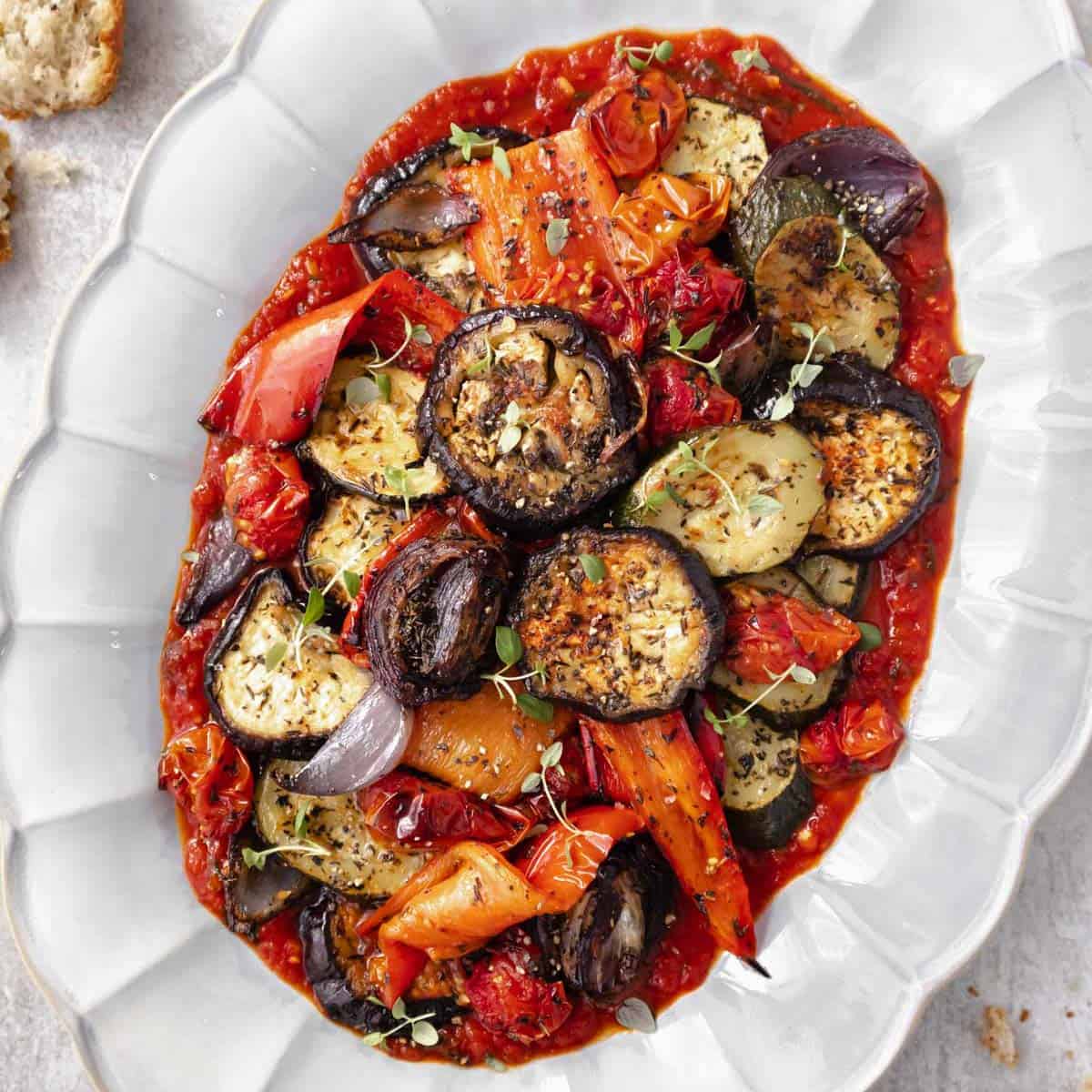
Looking for a sauce that tucks a rainbow of veggies into a silky, tomatorich blanket? Youre in the right place. Below is a straightforward vegetable tomato sauce recipe that you can whip up in under 30 minutes, perfect for pasta, pizza, or drizzling over roasted vegetables.
Skip the overpriced jars with hidden sugars and excess saltthis homemade version lets you control every ingredient, so you get all the flavor without the junk. Lets dive in.
Why Choose Homemade
Storebought hiddenveggie sauces often sound healthy, but they can be sneaky about sodium, added sugars, and preservatives. When you make it yourself, you cut out the mystery and keep the nutrients front and center.
What makes a hiddenveggie sauce healthier?
Because the vegetables are actually cooked into the sauce, you get fiber, vitamins, and antioxidants that youd miss in a plain marinara. The natural sweetness of carrots or bell peppers also reduces the need for added sugar.
| Aspect | StoreBought (average) | Homemade |
|---|---|---|
| Sodium (mg per cup) | 550 | 120 (you decide) |
| Added Sugar (g) | 8 | 02 (from veggies) |
| Preservatives | Yes | No |
| Fiber (g) | 1 | ~4 (from veggies) |
Which nutrients do the core veggies add?
Heres a quick snapshot of the power each vegetable brings:
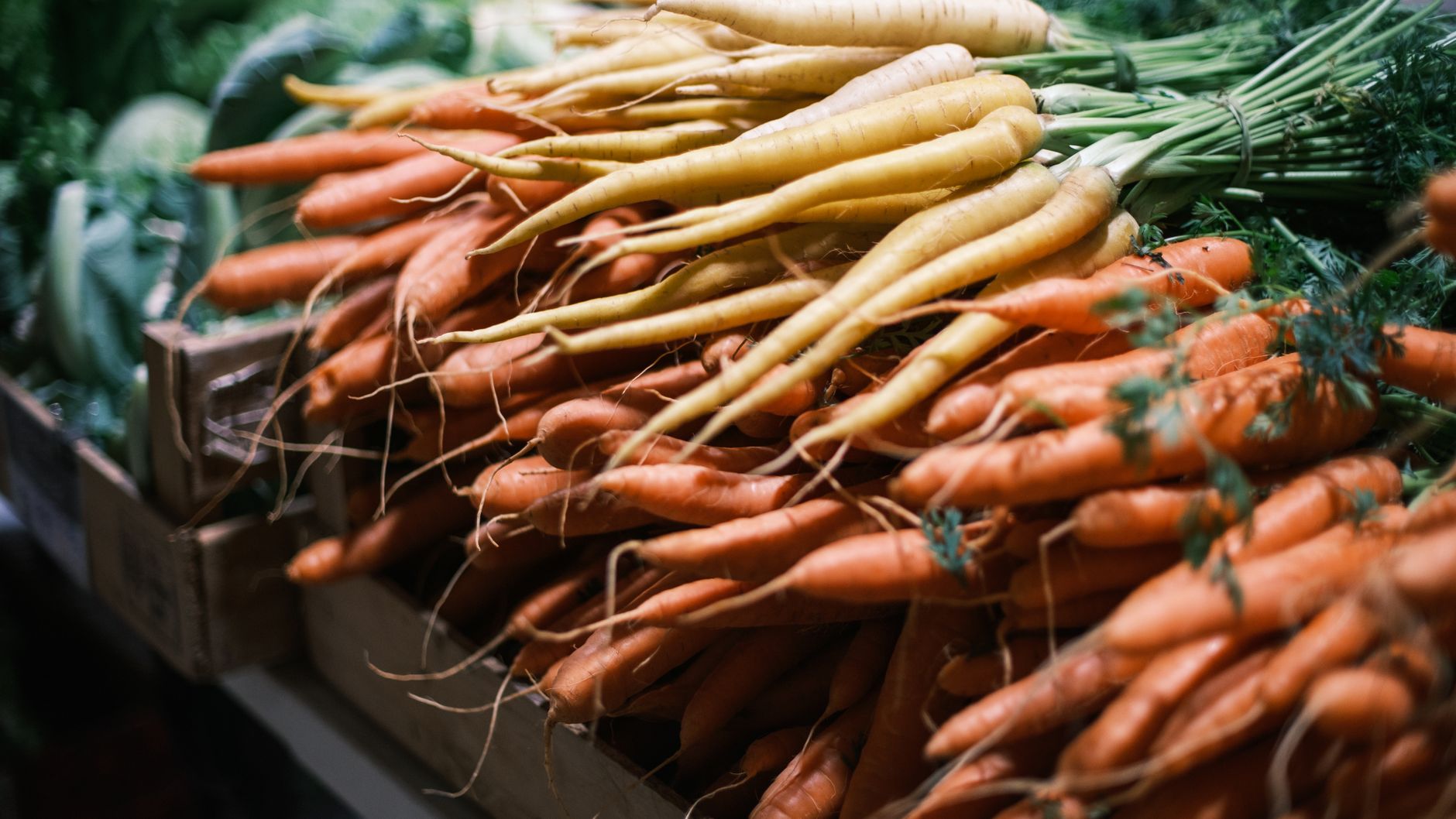
- Carrots carotene that converts to vitaminA, great for eye health.
- Spinach lutein and iron, a boost for energy.
- Bell peppers vitaminC, which helps the body absorb the iron from spinach.
- Zucchini lowcalorie moisture that keeps the sauce juicy.
USDA Nutrition Database confirms these values, making it easy to see how each bite is packed with goodness.
Core Ingredients Guide
Tomatoes fresh vs. canned
If tomatoes are in season, go fresh: ripe Roma or SanMarzano give a bright flavor. Out of season? A good-quality canned crushed tomato (look for no added salt on the label) works just as well and saves time.
The 7Veggie lineup
Heres my goto combo (feel free to swap based on what you have):
- 2cups diced zucchini
- 1 cup grated carrot
- 1 cup chopped bell pepper (any colour)
- cup finely chopped onion
- 2 cloves garlic, minced
- 2cups fresh spinach (or frozen, thawed)
- cup sliced mushrooms (optional, adds umami)
Olive oil, herbs & spices
What makes the sauce sing? A splash of extravirgin olive oil, a pinch of sea salt, cracked black pepper, and a blend of dried oregano, basil, and a pinch of thyme. For a Mediterranean twist, add a teaspoon of crushed red pepper flakes.
My experience
The first time I tried this, I was feeding my pickyteen who hated veggies. I grated the carrots fine, and the natural sweetness hid the veggie factor completelyby the second bite, she was asking for seconds. Its moments like that that remind me why I love cooking.
StepbyStep Recipe
What equipment do I really need?
A heavybottom pot (or Dutch oven), a wooden spoon, measuring cups, and an immersion blender (or a regular countertop blender) are all youll need. No fancy gadgets required.
How do I saut the base without burning?
Heat 2tablespoons of olive oil over medium heat. Add the onion firstlet it sweat for about 3minutes until translucent. Toss in the carrots and bell pepper, stirring for another 4minutes. Add garlic last; it only needs 30 seconds to release aroma without turning bitter.
When should I add the tomatoes and simmer?
Stir in the canned or fresh tomatoes, then bring the mixture to a gentle boil. Reduce to a simmer, partially cover the pot, and let it cook for 15minutes. This allows the flavors to meld and the veg to soften further.
How do I achieve a smooth hiddenveggie texture?
Turn off the heat and use an immersion blender directly in the pot. Blend until you reach your desired consistencysmooth for a classic pasta sauce, or a few seconds less if you prefer a little texture.
How to adjust thickness for pasta vs. pizza?
For pasta, you want a mediumthick sauce that clings to the noodles. If it looks too thick, whisk in a splash of vegetable broth or water (about cup per 2cups of sauce). For pizza, thin it out a bit more so it spreads easily.
Expert tip
According to a study from the National Institutes of Health, cooking tomatoes with a bit of oil increases the bioavailability of lycopene, the antioxidant linked to heart health. So dont skimp on that olive oil!
Flavor Variations & Twists
Chunky vegetable pasta sauce recipe
If you love a bit of bite, keep the zucchini, carrots, and bell pepper diced instead of pureeing. Add them back into the sauce after blending and simmer for another 5minutes. The result is a hearty chunky sauce thats perfect for kids who enjoy a little texture.
Creamy vegetable pasta sauce
For a dairyfree creamy version, stir in cup of soaked cashew cream or coconut milk after blending. A quick simmer and youve got a velvety sauce that pairs wonderfully with fettuccine.
Mediterranean vegetable pasta sauce recipe
To give the sauce a Mediterranean flair, add a handful of Kalamata olives, a tablespoon of capers, and a sprinkle of fresh oregano. Youll notice briny notes that make the sauce taste like it came from a seaside tavern.
Jamie Olivers 5veg pasta sauce recipe
Jamie Olivers famous fivevegetable sauce uses carrots, courgette, red pepper, onion, and tomato. Replicate his approach by using equal parts of those veggies, sauting them together, then blending. Its a great shortcut when youre short on time but still want that chefs touch.
Nutrition & Health Impact
How many calories per cup?
The homemade sauce clocks in at roughly 80kcal per cup, compared to about 110kcal for most storebought versions. Thats a saving of nearly a third of the caloriesperfect for lighter meals.
Are there any risks (nightshade sensitivity)?
If you have a nightshade sensitivity, tomatoes can cause discomfort. Swap half the tomatoes for roasted red peppers; youll still enjoy that deep, sweet flavor without the trigger.
Whats the fiber boost?
Each serving delivers around 4grams of fiber, supporting digestion and helping to regulate blood sugar. Pair it with wholegrain pasta for an even bigger health win.
Expert insight
Peerreviewed research in the Journal of Nutrition (2023) highlights that diets rich in vegetablebased sauces are linked to lower inflammation markers. So this sauce isnt just tastyits good for you, too.
Storage & MealPrep Hacks
How long does the sauce keep in the fridge?
Store it in an airtight glass jar and it stays fresh for up to 5days. Reheat gently on the stove, adding a splash of broth if it looks a bit thick.
Can I freeze it?
Absolutely. Portion the sauce into freezersafe bags, label with the date, and freeze for up to 3months. Thaw overnight in the fridge, then reheat as usual.
Quick reheating tips
When reheating, do it on low heat and stir constantly. This prevents the sauce from separating and keeps the texture smooth.
Conclusion
There you have ita versatile vegetable tomato sauce recipe that delivers color, nutrition, and flavor in every spoonful. Whether youre racing to get dinner on the table, planning a week of meal prep, or craving a Mediterranean twist, this sauce adapts to suit your mood. Give it a try, experiment with the variations, and enjoy the satisfaction of a sauce thats truly yours. If youve got a favorite veggie combo or a secret seasoning that works wonders, lets hear it. Happy cooking!
FAQs
How long does the vegetable tomato sauce keep in the fridge?
Stored in an airtight glass jar, it stays fresh for up to 5 days. Reheat gently and add a splash of broth if it thickens.
Can I freeze this vegetable tomato sauce recipe?
Yes. Portion the sauce into freezer‑safe bags or containers, label with the date, and freeze for up to 3 months. Thaw overnight in the fridge before reheating.
What vegetables can I substitute if I don’t have the listed ones?
You can swap any of the core veggies: use roasted red peppers for bell peppers, cauliflower for zucchini, or kale instead of spinach. The sauce will still be flavorful and nutritious.
How do I reduce the acidity of the sauce?
Add a pinch of sugar or a splash of grated carrot puree while simmering. A little extra olive oil also mellows the tanginess.
Is this sauce suitable for a low‑sodium diet?
Absolutely. Use unsalted canned tomatoes and control the amount of sea salt you add, keeping the sodium well under 150 mg per cup.