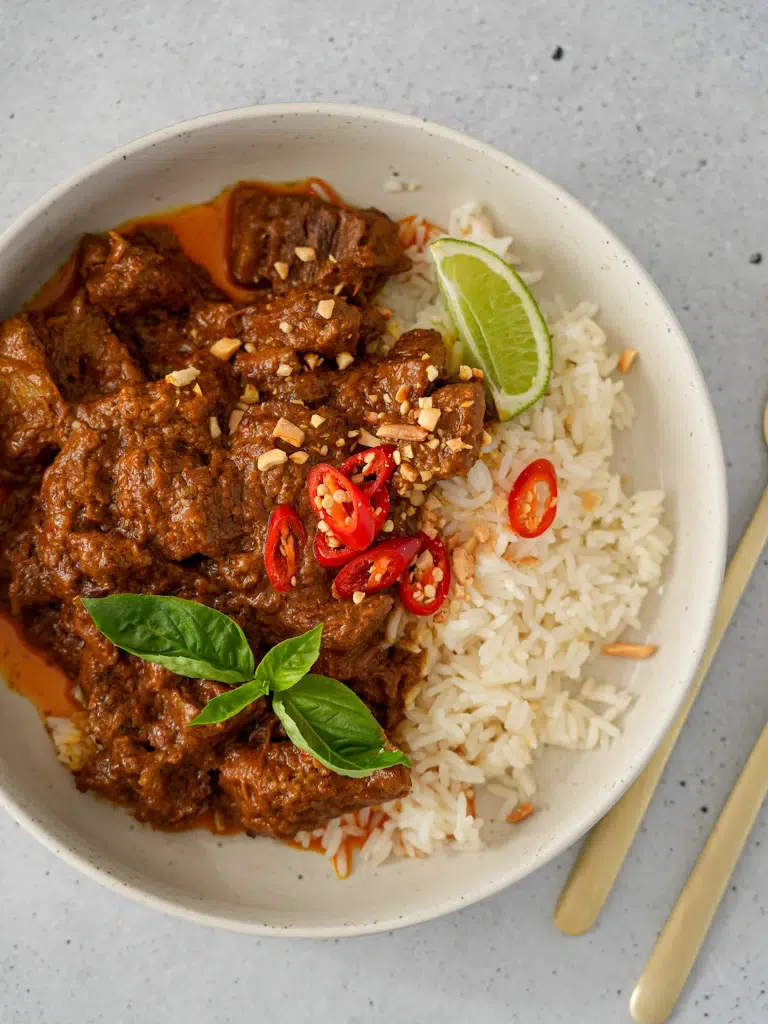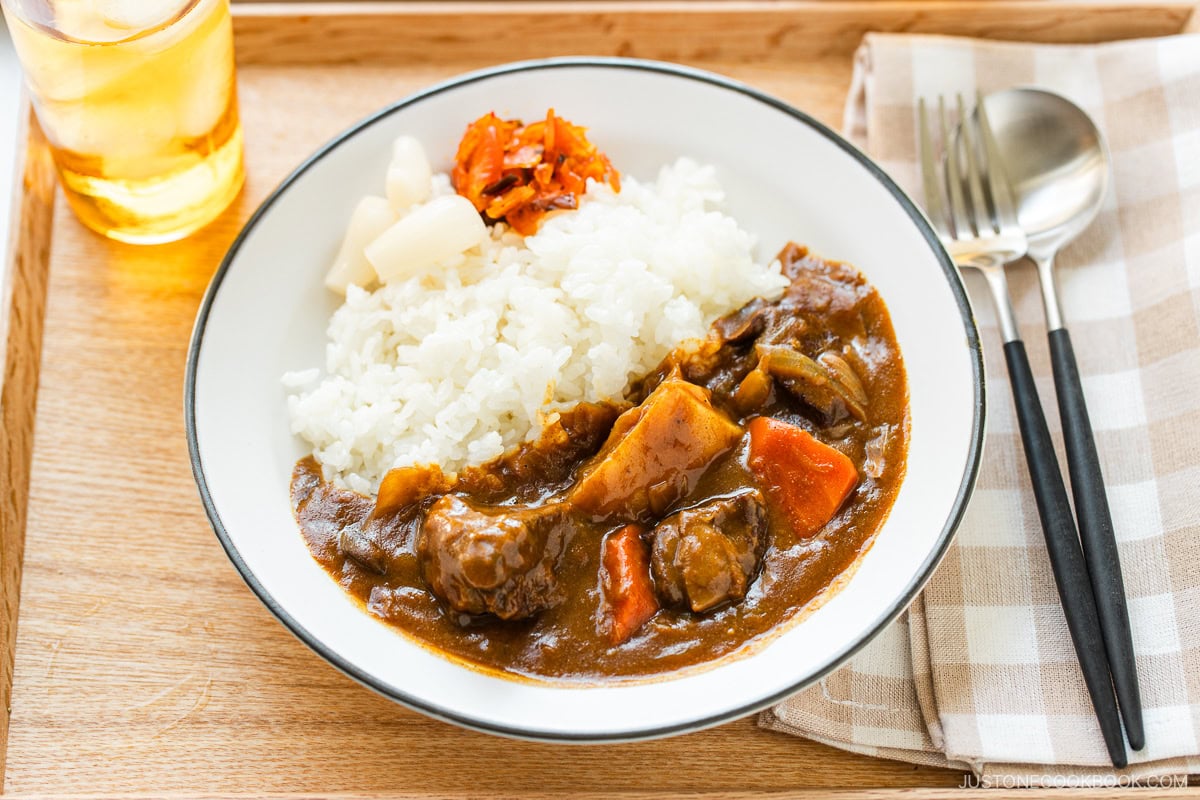
Imagine the comforting aroma of simmering beef, sweet onions, and a velvety orange sauce filling your kitchen, just like the warm hug you get from your favorite blanket on a rainy day. Good news: you can create that classic traditional Japanese beef curry recipe at home in under an hour, using ingredients you probably already have. Below youll find the exact steps, handy tips, and even a few fun twists to make the dish truly yours.
Quick Answer Intro
Answer #1: Heres the complete, foolproof recipe from the beef cut to the final garnish so you can dive straight into cooking without any guesswork.
Answer #2: By following this method youll get a richer, deeper flavor than most storebought curry packets, thanks to caramelized onions, a proper roux, and the right simmer time.
Why Curry Matters
Japanese kare isnt just a quick meal; its a cultural staple that brings families together. The traditional approach gives you a sauce thats silky, slightly sweet, and perfectly balanced with the umami of beef. The upside? Youll enjoy a healthier, proteinpacked dinner compared to fastfood options. On the flip side, skipping the caramelization step or using lowquality roux can leave the sauce flat and greasy. Keeping an eye on those details ensures you get the delicious, authentic taste that makes this dish a household favorite.
Ingredient CheatSheet
Gather everything before you start it makes the cooking flow much smoother.
- Beef chuck roast (500g), cut into 2inch cubes
- 1 large onion, sliced thin
- 2 carrots, diced
- 2 potatoes, cubed
- cup mushrooms, sliced (optional)
- 2 cloves garlic, minced
- 1tbsp fresh ginger, grated
- 2cups beef broth (lowsodium)
- 2tbsp soy sauce
- 1tbsp Worcestershire sauce
- 2 blocks of Golden Curry (or homemade roux see below)
- Optional: cup coconut milk for a silkier finish
- Salt & pepper to taste
- Fresh mitsuba or pickled ginger for garnish
The list covers the japanese beef curry ingredients you need for an authentic result, while also allowing room for the japanese beef curry with coconut milk variation if you crave extra creaminess.
How to Cook
Equipment
A heavybottom pot or Dutch oven, a wooden spoon, and a kitchen timer are all you really need.
StepbyStep Instructions
| Step | Action | Time | Temp (C) |
|---|---|---|---|
| 1 | Season beef, sear until browned | 5min | Mediumhigh |
| 2 | Saut onions, garlic, ginger until caramelized | 10min | Medium |
| 3 | Add carrots, potatoes, mushrooms; stir | 2min | Medium |
| 4 | Deglaze with a splash of red wine (optional) | 1min | Medium |
| 5 | Add broth, soy sauce, Worcestershire; simmer | 2025min | Lowmedium |
| 6 | Prepare roux (see Homemade Roux section) and melt Golden Curry blocks | 5min | Low |
| 7 | Stir roux into pot, thicken sauce | 3min | Low |
| 8 | Finish with coconut milk (if using) and garnish | 2min | Low |
Tip: When the onions turn a deep golden brown, youll know the flavor base is set. Its like the difference between a lukewarm hug and a warm embrace take the extra minute, its worth it.
Timing & Temperature CheatSheet
Keeping the heat low after the roux is added prevents the sauce from breaking. If the sauce looks too thin, simply whisk in an extra halfblock of Golden Curry.
Homemade Roux
Why Make Your Own?
Storebought blocks are convenient, but a homemade roux lets you control salt, spice level, and eliminates unnecessary additives. It also adds a subtle nutty note that elevates the whole dish.
Recipe
- 30g butter
- 30g allpurpose flour
- 2Tbsp Japanese curry powder
- tsp garam masala
- 1Tbsp apple puree (or grated apple)
Melt the butter, stir in the flour and cook for about 3minutes until its a light amber color. Add the curry powder and garam masala, whisk for another minute, then gradually whisk in a splash of beef broth until smooth. Finish with the apple puree for that faint sweet undertone.
Storebought vs. Homemade Comparison
| Feature | Storebought (Golden Curry) | Homemade |
|---|---|---|
| Salt% | 1.2% | Adjustable |
| Additives | Yes | None |
| Cost per serving | 80 | 65 |
| Flavor complexity | Medium | High |
If youre short on time, the Golden Curry block works beautifully. If you love tinkering, the homemade roux is a fun, rewarding side project.
FAQ
What cuts of beef work best?
Chuck roast or brisket give you that meltinyourmouth tenderness after simmering. Remember to cut into uniform cubes for even cooking.
Can I freeze the curry?
Absolutely. Let it cool completely, portion into airtight containers, and store for up to three months. Reheat gently over low heat, adding a splash of broth if the sauce thickens too much.
How to make it vegan?
Swap beef for seitan or firm tofu, use vegetable broth, and replace butter with a plantbased alternative. The same roux technique works just ditch the meatbased stock.
Is coconut milk authentic?
Traditional Japanese curry doesnt use coconut milk, but the modern fusion versionjapanese beef curry with coconut milkhas become popular for its luscious texture. Its a tasty deviation, not a replacement.
Serving Ideas
Classic Sides
Steamed shortgrain rice is the classic partner. A small dish of pickled daikon or a corn on the cob adds crunch and brightens the palate.
Modern Twists
Try ladling the curry over ramen noodles for a bowl of curryramen, or serve with toasted naan if youre feeling adventurous.
Presentation Checklist
- Color contrast: orange sauce, white rice, green garnish
- Portion size: 1cup curry per 150g cooked rice
- Garnish: fresh mitsuba, a slice of pickled ginger, or a drizzle of sesame oil
Troubleshooting
| Problem | Likely Cause | Fix |
|---|---|---|
| Sauce too thin | Not enough roux | Add 12 more roux blocks or homemade roux |
| Beef tough | Undercooked or lowquality cut | Simmer longer on low heat; use chuck |
| Overspiced | Too much curry powder | Thin with broth or add a splash of milk/coconut milk |
Nutrition Snapshot
Based on USDA data, a typical serving (about 1cup curry with 150g rice) contains roughly:
- 420kcal
- 28g protein
- 45g carbohydrates
- 12g fat
These numbers make the dish a balanced, satisfying meal that fuels you without the crash you get from a greasy takeout option.
Bonus Resources
Download a printable PDF of the recipe (includes the timing chart and a quickshopping list) to keep on your fridge. For visual learners, the Just One Cookbook video tutorial walks through each step with clear, closeup shots.
Conclusion
Mastering the traditional Japanese beef curry recipe is easier than you think once you understand the core steps: caramelize the onions, simmer the beef low and slow, and finish with a proper roux. Whether you stick to the classic version or experiment with coconut milk, this dish delivers comfort, flavor, and a sense of culinary achievement. Give it a try tonight, share your tweaks with friends, and enjoy the warm, inviting aroma that makes Japanese curry such a beloved staple. Happy cooking!
FAQs
What cut of beef gives the best texture for Japanese beef curry?
Chuck roast or brisket works best because the connective tissue breaks down during slow simmering, resulting in melt‑in‑your‑mouth tenderness.
Can I make the curry ahead of time and reheat it?
Yes. Cool the curry completely, store it in airtight containers, and refrigerate for up to 3 days or freeze for up to 3 months. Reheat gently over low heat, adding a splash of broth if needed.
How do I adjust the spiciness of the traditional Japanese beef curry?
Increase or decrease the amount of Japanese curry powder or add a pinch of chili flakes. For extra heat, stir in a dash of Sriracha or a splash of doubanjiang.
Is it possible to use a pressure cooker for this curry?
Absolutely. Sear the beef and vegetables first, then add the liquid and pressure‑cook on high for about 25‑30 minutes. Finish with the roux to thicken.
What are some good side dishes to serve with Japanese beef curry?
Steamed short‑grain rice is classic, but you can also pair it with pickled daikon, a simple cucumber salad, or even a side of miso‑glazed eggplant for extra flavor.