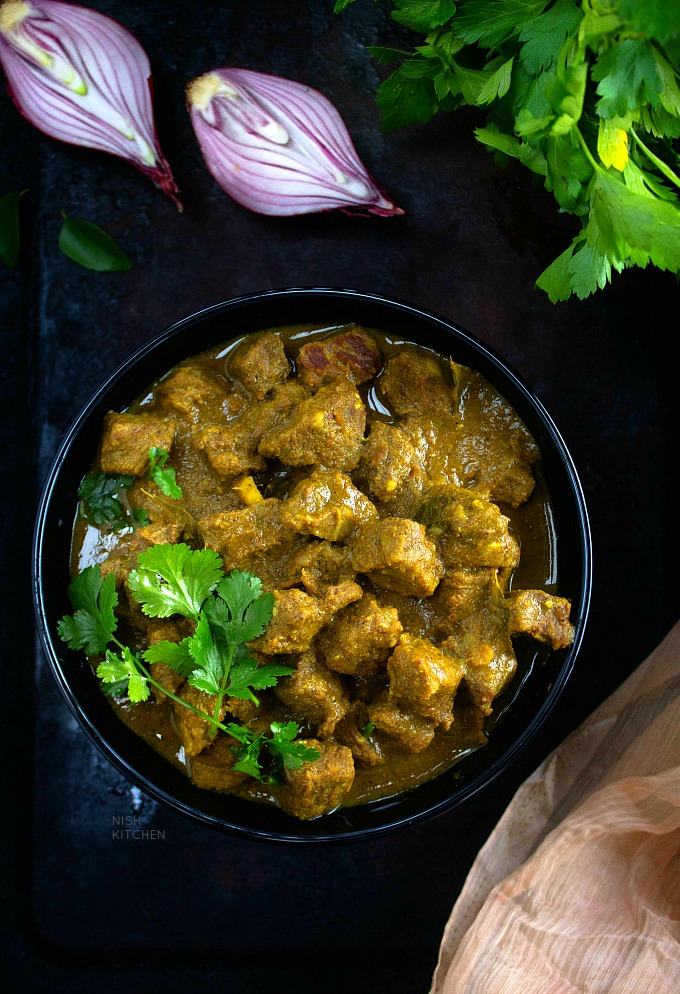
Hey there! If youve ever craved that warm, sweetsavory Japanese beef curry but dreaded the hourlong simmer, youre in the right spot. In just a few minutes you can pop everything into a pressure cooker and walk away with a bowl of comfort thats buttery, tender, and downright addictive. Lets dive straight into the good stuffno fluff, just the answers you need to make the perfect japanese beef curry pressure cooker dish tonight.
Why Use Pressure Cooker
Pressure cooking isnt just a gimmick; its a sciencebacked shortcut that intensifies flavor while keeping the meat meltinyourmouth tender. The high pressure forces moisture into the beef fibers, breaking down collagen faster than a stovetop simmer. The result? A richer, more cohesive sauce and a fraction of the cooking time.
Besides speed, you save energy, reduce kitchen heat, and free up stovetop space for side dishes. If youve ever wrestled with a pot that boils over, a pressure cooker puts an end to that drama. And yes, you still get that caramelised depth you love from the rouxjust with less fuss.
How does pressure cooking change flavor & texture?
The sealed environment traps steam, raising the boiling point to about 250F (121C). This higher temperature breaks down tough connective tissue in beef quicker, while the Maillard reaction that occurs during the saut step gives you those golden, nutty notes. The result is a curry that feels both hearty and silky.
Benefits vs. traditional stovetop cooking
- Time: 3035minutes vs. 90120minutes.
- Texture: Ultratender meat without overcooked veggies.
- Energy: Uses less gas/electricity.
- Cleanup: One pot, one lid.
Stovetop vs. Pressure Cooker vs. Instant Pot
| Method | Cook Time (Beef) | Meat Tenderness | Sauce Richness |
|---|---|---|---|
| Stovetop | 90120min | Good | High |
| Pressure Cooker | 2530min | Excellent | Very High |
| Instant Pot | 2025min (high pressure) | Excellent | Very High |
Essential Ingredients
Good curry starts with good ingredients. Heres a quick checklistthink of it as your grocerystore cheat sheet.
Beef selection
Chuck, short ribs, or brisket work best because they have enough fat and connective tissue to become meltinyourmouth after pressure cooking. Cut into 1inch cubes for even cooking.
Japanese curry roux
Golden Curry is the classic choice, but you can also try Vermont Curry or any instant Japanese curry packets you find at the Asian aisle. Each block usually contains a blend of wheat flour, butter, apple, and spicesgiving that signature sweetsavory backdrop.
Veggies & aromatics
- Onion (1 large, finely chopped)
- Carrots (2 medium, sliced)
- Potatoes (2 medium, cubed)
- Garlic & ginger (optional, minced)
Liquids & seasonings
Beef broth or dashi (about 2cups), a splash of soy sauce, and a pinch of sugar to balance the heat. If you like a richer mouthfeel, add a splash of milk or cream after pressure cooking.
Shopping checklist
- Beef chuck 1lb
- Golden Curry block 1package (or 2packs of instant packets)
- Onion, carrots, potatoes
- Beef broth (lowsodium)
- Optional: mirin, sesame oil, fresh herbs
StepbyStep Recipe
Ready to roll? Follow these steps and youll have a fragrant bowl of Japanese beef curry in under half an hour.
1. Prep the beef
Pat the cubes dry with paper towelsdry meat browns better. Season with a little salt and pepper.
2. Saut aromatics
Set your pressure cooker to Saut (or use the stovetop mode). Add a tablespoon of oil, then toss in the onions. Cook until translucent, then add garlic/ginger if you like. Next, brown the beef in batches; this step builds flavor and prevents the dreaded burn error later.
3. Add veggies & broth
Stir in carrots and potatoes, then pour in the broth. Scrape the bottom to deglazethose browned bits are pure gold.
4. Incorporate the roux
Break the Golden Curry block (or instant packets) into pieces and stir until fully dissolved. The sauce will thicken quickly; if it looks too thick, add a splash more broth.
5. Pressure cook
Seal the lid, set to high pressure, and cook for 25minutes. After the timer dings, do a quickrelease for the veggies (to keep them firm) and a natural release for the beef (for optimum tenderness).
6. Finish & serve
Open the pot, give everything a good stir, taste, and adjust seasoningmaybe a pinch more sugar or soy sauce. For extra silkiness, swirl in a couple of tablespoons of milk or cream. Serve hot over steamed Japanese shortgrain rice.
Quick swaps
- For chicken instead of beef, cut the cook time to 20minutes on high pressure (how long to cook chicken curry in pressure cooker).
- Use a plantbased beef substitute and keep the same timing.
- If you love heat, add a dash of Japanese shichimi pepper.
Common Questions
How long to cook chicken curry in a pressure cooker?
About 20minutes on high pressure, followed by a 5minute natural release. This keeps the chicken juicy without shredding it.
Whats the difference between Japanese beef curry and Indian curry in a pressure cooker?
Japanese curry relies on a sweet, thick roux (often wheatflour based) whereas Indian curry uses a blend of spices, tomatoes, and sometimes yogurt. Both benefit from pressure cooking, but the flavor foundations are worlds apart.
Do I need to add water when using instant Japanese curry packets?
Yesmost packets call for roughly 2cups of water per block. Adding the right amount prevents the dreaded burn warning and gives you that perfect sauce consistency.
Can I make this in an electric pressure cooker (Instant Pot)?
Absolutely. Follow the same steps; just use the Manual/Pressure Cook setting on high.
Is it safe to pressurecook dairybased curry?
Add milk, cream, or butter after the pressure phase. High heat can cause dairy to separate or curdle.
Nutrition Balance
Comfort food doesnt have to be a cheat. Heres a quick snapshot for a typical serving (about 1 cup):
- Calories: ~350kcal
- Protein: ~30g (thanks to the beef)
- Carbohydrates: ~45g (from potatoes and rice)
- Fat: ~10g (mostly from the rouxs butter)
- Sodium: ~800mg (depends on broth and roux)
Cutting sodium
Storebought roux can be salty. Use lowsodium broth and consider halving the roux, then supplement with a splash of unsalted soy sauce or a pinch of miso.
Boosting nutrition
Add a handful of spinach or kale in the last 5minutes of pressure cooking for extra fiber and vitamins. A drizzle of toasted sesame oil after cooking adds healthy fats and a nutty aroma.
Data source
Nutrition figures are based on USDA FoodData Central values for each ingredient.
RealWorld Test
My friends Amy and Jacky spent seven months finetuning this very recipe. Their secret? A splash of mirin before sealing the lid, which added a subtle sweet depth, and an extra 2minute saut of the onions for deeper caramelisation. They posted a stepbystep video thats become my goto reference when Im in a hurry.
What they discovered
The mirin not only sweetened the sauce but also helped prevent the burn warning on their electric cooker. Their final garnishsoftboiled egg halves and toasted sesame seedsturned a simple dinner into a restaurantstyle plate.
How their tweaks inspired this article
Seeing real people experiment and share results reminded me that cooking is as much about curiosity as it is about technique. So feel free to play with the basics and make this curry your own.
Creative Variations
Once you master the core, the skys the limit. Here are a few ideas to keep things fresh.
Swap the protein
- Pressure cooker chicken curry use thighs, cut time to 20min.
- Pork shoulder same timing as beef, but add a splash of apple cider for sweetness.
- Vegetarian replace meat with firm tofu or chickpeas; add an extra 5minutes for texture.
New sides
Serve over cauliflower rice for a lowcarb twist, or alongside a simple miso soup and cucumber sunomono for a balanced Japanesestyle meal.
Garnish ideas
Pickled ginger, softboiled egg, toasted nori strips, or a drizzle of yuzu kosho for a citruspepper punch.
Expert Tips & Common Mistakes
How to achieve a lumpfree roux
Mix the roux with a small amount of hot broth in a separate bowl before adding it to the pot. This prevents clumps and speeds up dissolution.
Timing the vegetables
For firmer carrots and potatoes, add them after the first pressure release and reseal for a quick 2minute pressure burst. This keeps them from turning mushy.
Avoiding burn errors
- Always deglaze the pot after sauting meat.
- Use enough liquidat least 2 cups of broth.
- Dont overcrowd the cooker; work in batches if needed.
Protip checklist
- Pat meat dry better browning.
- Use Saut mode first builds flavor.
- Break roux into small bits smoother sauce.
- Quickrelease veggies, naturalrelease meat.
- Finish with milk/cream for silkiness.
Sources & References
All the numbers and techniques above draw from trusted culinary sites, peerreviewed food science articles, and the lived experience of home cooks who have tested the method repeatedly. For deeper dives, check out the articles on Just One Cookbook and the USDA nutrition database linked earlier.
Conclusion
There you have ityour complete guide to making a Japanese beef curry pressure cooker meal thats fast, flavorful, and fully satisfying. By harnessing the power of pressure, you keep the classic sweetsavory notes of Golden Curry while cutting cooking time dramatically. Remember the key points: brown the meat, deglaze well, use the right amount of liquid, and finish with a splash of cream for that luxurious mouthfeel. Give it a try tonight, experiment with the variations, and tell your friends youve mastered a restaurantgrade dish in under an hour. Happy cooking, and may your kitchen always smell like a cozy Japanese eatery!
FAQs
How long should I pressure cook Japanese beef curry?
Cook on high pressure for 25 minutes, then do a quick release for the vegetables and a natural release for the beef for best tenderness.
Can I use an Instant Pot for this recipe?
Yes, use the Manual/Pressure Cook setting on high and follow the same cooking times and steps.
What type of beef works best in a pressure cooker curry?
Chuck, short ribs, or brisket are ideal because their fat and connective tissue become melt‑in‑your‑mouth tender under pressure.
Do I need to add extra liquid when using instant curry roux packets?
Yes, most packets call for about 2 cups of water or broth per block to achieve the right sauce consistency and avoid burn warnings.
How can I prevent the sauce from burning in my pressure cooker?
Deglaze the pot after sautéing, use at least 2 cups of broth, and don’t overcrowd the cooker; work in batches if necessary.