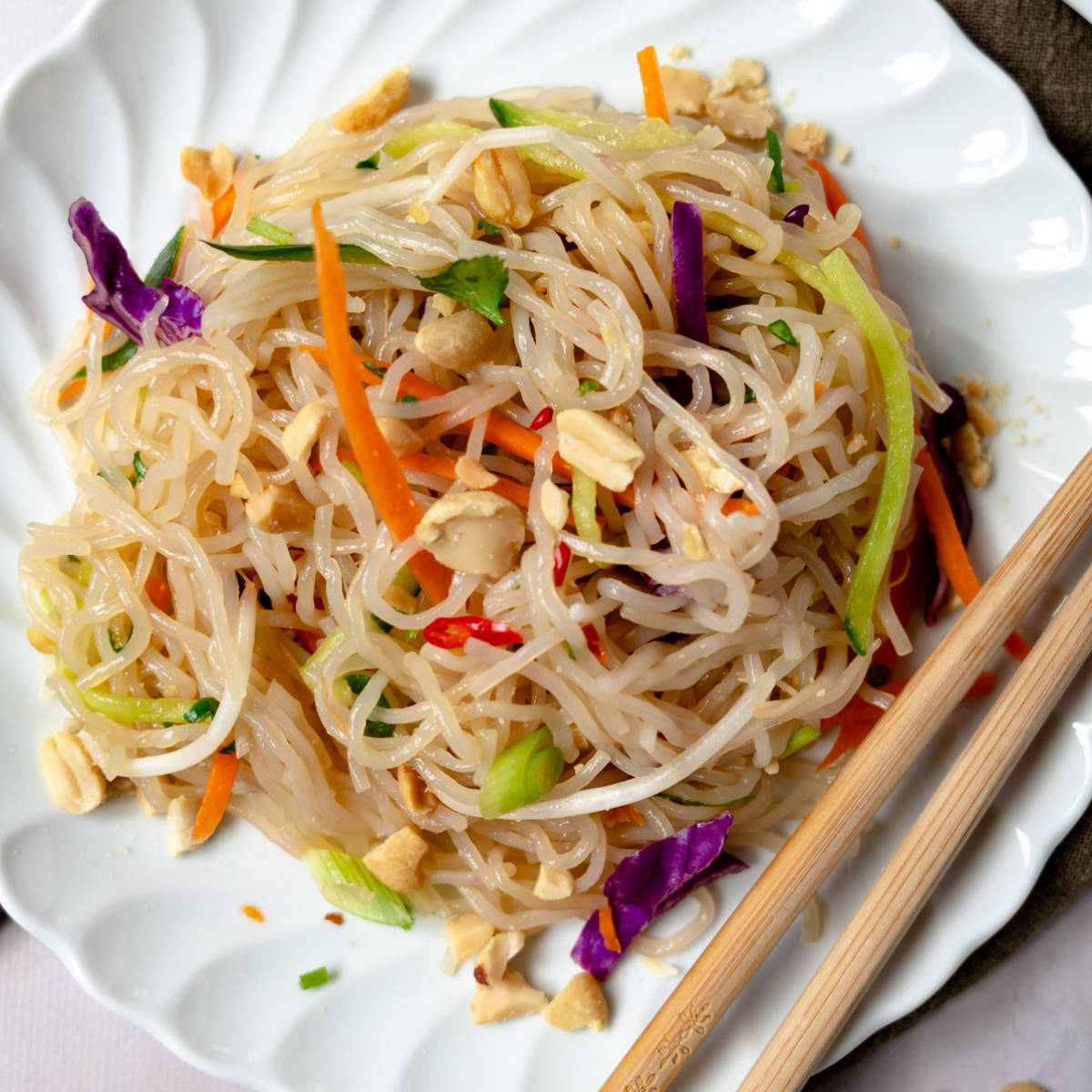
Imagine a bowl of silky glass noodles, bright veggies, and a punchy Thai sauceall ready in half an hour and completely plantbased. Thats exactly what youll get with this Thai glass noodles recipe vegetarian. No fuss, no meat, just pure comfort that fits right into a busy weeknight or a weekend gettogether. Lets dive straight into the good stuff, shall we?
Why Try This?
Can you make a truly vegetarian PadWoonSen in 30 minutes?
Yes! The secret is using the right noodles and a highheat stirfry, which locks in flavor without overcooking the veggies. In just 30 minutes youll have a dish that tastes like it was whipped up in a bustling Bangkok street market.
Quicklook at the benefits
- Lowcalorie, glutenfree base
- Loads of fiber from fresh vegetables
- Plant protein from tofu or tempeh
- Ready in under half an hourperfect for busy lives
Key Ingredients List
Which noodles are authentic?
Traditional Thai glass noodles are made from mung bean starch, often called bean thread or cellophane noodles. Theyre translucent when cooked and have a slightly chewy bite, which makes them a perfect canvas for the aromatic sauce.
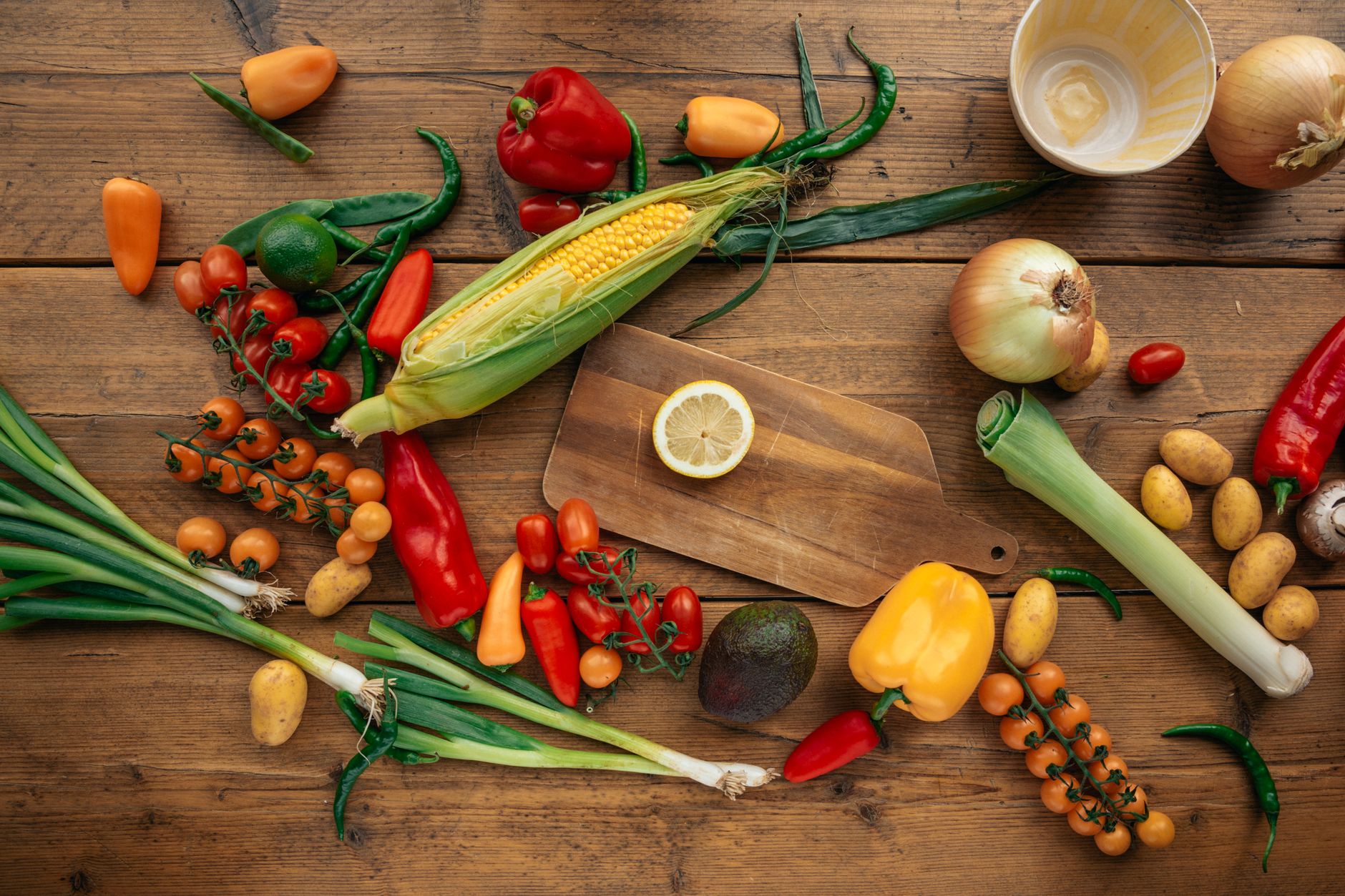
Ingredient checklist (serves 23)
| Ingredient | Quantity | Notes |
|---|---|---|
| Dried glass noodles (mung bean noodles) | 150g | Also called mung bean noodles. If you cant find them, look for Thai glass noodles near me at an Asian market. |
| Firm tofu, cubed | 200g | Press to remove excess water for a crispier fry. |
| Carrot, julienned | 1 medium | Adds sweetness and color. |
| Cabbage, thinly sliced | 1 cup | Gives a satisfying crunch. |
| Woodear mushrooms | cup | Provides a subtle earthy flavor. |
| Bell pepper, sliced | cup | Red or yellow for extra vibrancy. |
| Garlic, minced | 2 cloves | Essential aromatics. |
| Thai red chili paste | 1tsp | Adjust heat to taste. |
| Soy sauce (or tamari for glutenfree) | 2tbsp | Salty backbone. |
| Fresh lime juice | 1tbsp | Bright acidity. |
| Palm sugar (or brown sugar) | 1tsp | Balances the salt and heat. |
| Vegetable oil | 2tbsp | Highsmokepoint oil works best. |
Pro tip: Sourcing the noodles
If you type into your search engine, youll discover local Asian grocers that stock them in the rice noodle aisle. Online retailers also offer bulk packs that stay fresh for months.
StepbyStep Guide
Do I need to presoak the noodles?
Yes, but only briefly. Place the dried glass noodles in warm water for 57 minutes, then drain and set aside. Oversoaking makes them mushy later on.
Preparation timeline (30min total)
- Soak the noodles: 57min, then blot with a kitchen towel.
- Prep the veggies: Julienne carrots, slice cabbage, bell pepper, and mushrooms.
- Make the sauce: Whisk soy sauce, lime juice, palm sugar, and chili paste in a small bowl.
- Heat the pan: Use a wok or large skilletmediumhigh heat, add oil.
- Saut aromatics: Add garlic until fragrant (about 15seconds).
- Cook tofu: Add cubed tofu, let it brown on all sidesabout 34min.
- Stirfry veggies: Toss in carrots, cabbage, bell pepper, and mushrooms. Cook 23min, keeping them crisp.
- Combine noodles & sauce: Add the drained noodles, pour the sauce, and toss quickly for 12min. The heat should steam the noodles just enough to absorb the flavors.
- Finish with lime: Squeeze fresh lime over the dish, give a final toss, and serve hot.
How to get that perfect wokhot sear without a wok?
A heavy-bottomed skillet works finejust make sure its hot before you add the oil. Youll hear a gentle sizzle when the tofu hits the pan; thats the sound of flavor building.
Equipment alternatives & temperature tips
- Use a castiron skillet for even heat distribution.
- If you have a stovetop burner with a power boost setting, turn it on for the last 30 seconds of cooking to achieve that quick caramelization.
- Avoid overcrowding the pan; cook in batches if necessary.
Flavor Variations & Comparison
PadWoonSen vs. PadThai: Whats the real difference?
Both are beloved street foods, but the noodle base is the biggest divergence. PadThai uses flat rice noodles, while PadWoonSen relies on those translucent glass noodles, giving a lighter texture. The sauces differ tooPadThai leans on tamarind and peanuts, whereas PadWoonSen is all about soy, lime, and a subtle hint of chili.
Comparison table
| Aspect | PadWoonSen | PadThai |
|---|---|---|
| Noodle type | Glass (mung bean) noodles | Flat rice noodles |
| Typical protein | Tofu, shrimp, or pork | Shrimp, chicken, tofu |
| Flavor profile | Saltysour, mild heat | Sweetsour, nutty |
| Cooking time | 1520min | 2025min |
| Glutenfree? | Usually yes (if tamari used) | Often contains soy sauce |
Swap ideas for dietary needs
If youre watching sodium, replace regular soy sauce with a lowsodium version or even coconut aminos. For extra heat, add fresh birds eye chilies alongside the chili paste. And if youre craving a creamier texture, a splash of coconut milk at the end does wonders without compromising the vegan nature.
Hot Thai Kitchen inspiration
Fans of Hot Thai Kitchen often sprinkle toasted sesame seeds on their glassnoodle bowls. It adds a nutty aroma and a pleasant crunch.
Nutrition & Health
Whats the calorie count per serving?
A typical serving (about onethird of the recipe) contains roughly 320kcal. This makes it a light yet satisfying option for lunch or dinner.
Macro breakdown & key micronutrients
- Carbohydrates: ~45g (mostly from the noodles)
- Protein: ~12g (tofu + vegetables)
- Fat: ~10g (from oil and tofu)
- VitaminC: 30% of Daily Value (from bell pepper and lime)
- Iron: 15% DV (mung bean noodles + tofu)
For precise values, you can check the USDAs FoodData Central (FoodData Central), which provides detailed nutrient profiles for each ingredient.
Are there any downsides?
The main concern is sodium, especially if you use regular soy sauce. To keep salt levels in check, opt for lowsodium soy sauce or dilute the sauce with a splash of water. Also, some people find glass noodles a bit tricky to handle because they become slippery when wetjust a quick rinse before draining solves the problem.
Expert Tips & Experience
What do professional Thai chefs say about glassnoodle stirfry?
Chef Somchai from Bangkoks Siam Spoon school notes, The key to great PadWoonSen is timing. The noodles should stay slightly aldente, so they dont turn mushy when tossed with the hot sauce. This advice guided the cooking steps above.
Personal anecdote
My first attempt at this dish was a rainy Tuesday. I oversoaked the noodles, and the result was a gooey mess. After a quick Google search and a call to a local Thai chef, I learned the 5minute soak rule. The second try? A crisp, fragrant bowl that got rave reviews from my roommates. If I can master it on a rainy day, you definitely can.
Credible sources you can trust
For deeper technique insights, check out tutorials from the Culinary Institute of America () and the Vegetarian Resource Group (). Both provide evidencebased advice on plantbased cooking.
Common Mistakes & Fixes
Noodles turn mushy why?
Oversoaking or cooking them too long in the pan are the usual culprits. The quick fix is to reduce the soak to 5 minutes and make sure the pan is sizzling hot before adding the noodles.
Fix: Adjust soak time, drain well, stirfry on high heat.
Sauce too salty or too sweet?
Balancing flavors is a subtle art. If the sauce leans salty, add a splash of water or extra lime juice. If its sweet, a dash more soy sauce or a pinch of chili paste will restore harmony.
Quick tip: Taste before you finishadjust gradually.
Final Thoughts & Action
There you have ita Thai glass noodles recipe vegetarian thats quick, fresh, and adaptable to any palate. Whether youre a seasoned vegcook or just dipping your toes into plantbased meals, this dish delivers the satisfying chew of glass noodles, the crunch of garden vegetables, and a sauce that sings with Thai flair. Give it a try tonight, tweak the heat level to your liking, and feel free to share your own twists. Happy cooking, and may your kitchen be forever fragrant with the aromas of Thailand!
FAQs
Can I substitute the glass noodles with rice noodles?
Yes, rice noodles work but they change the texture. If you use them, soak for a slightly shorter time and adjust the sauce to keep the dish balanced.
How should I store leftovers and reheat them?
Cool the noodles and veggies completely, then store in an airtight container in the fridge for up to 2 days. Reheat quickly in a hot wok or microwave, adding a splash of water or extra lime juice to revive the sauce.
What’s the best way to make this dish spicier?
Increase the Thai red chili paste, add sliced fresh bird’s eye chilies, or finish with a drizzle of sriracha. Taste as you go to avoid over‑heating.
Is tofu mandatory, or can I use another protein?
Tofu gives a neutral, crisp bite, but you can swap it for tempeh, seitan, or even extra vegetables like snap peas for a lower‑protein version.
Can I make the recipe completely gluten‑free?
Use tamari or coconut aminos instead of soy sauce and ensure the noodles are labeled gluten‑free. All other ingredients are naturally gluten‑free.