Why Squash Casserole Is a Must-Try Dish
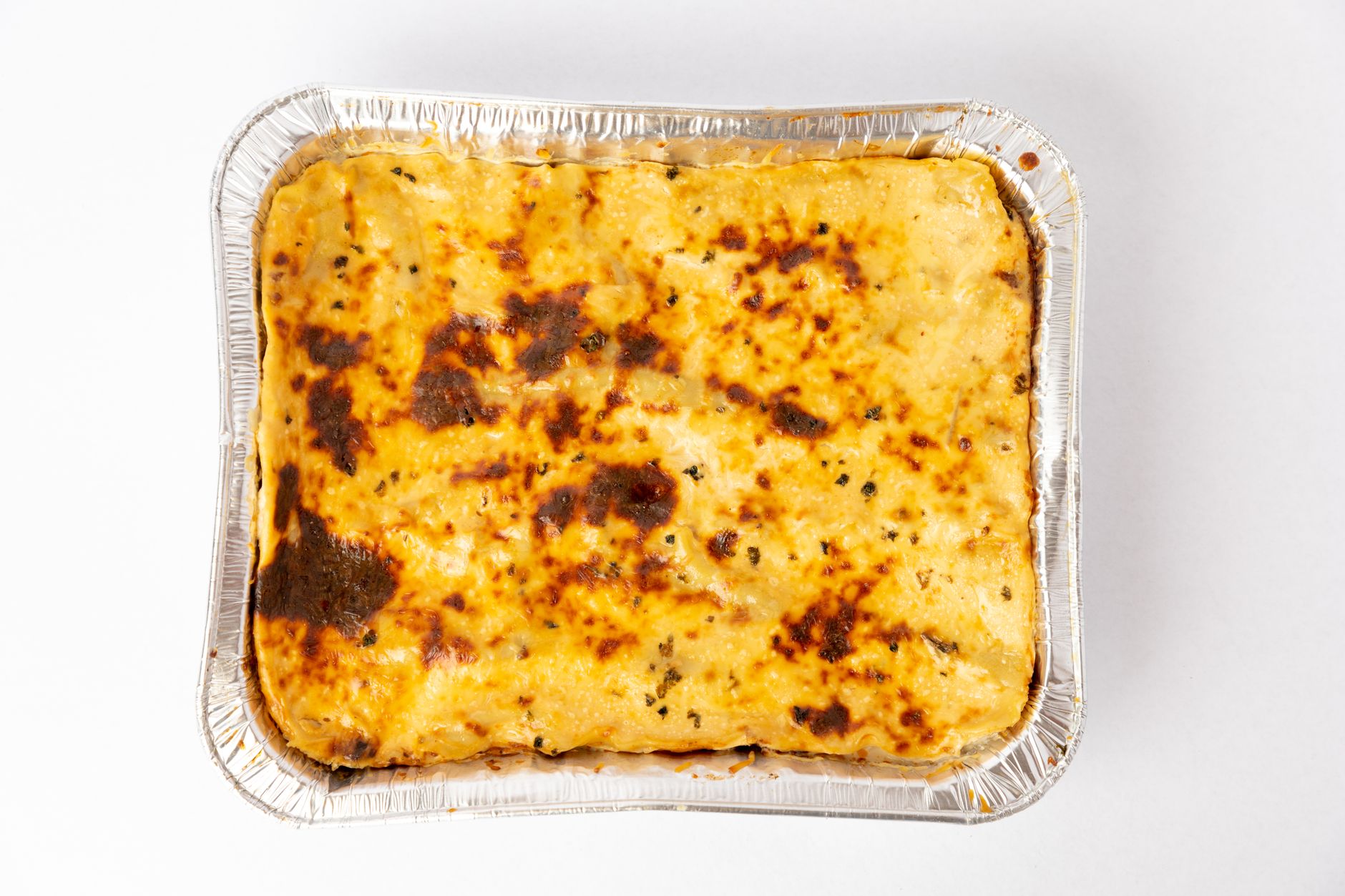
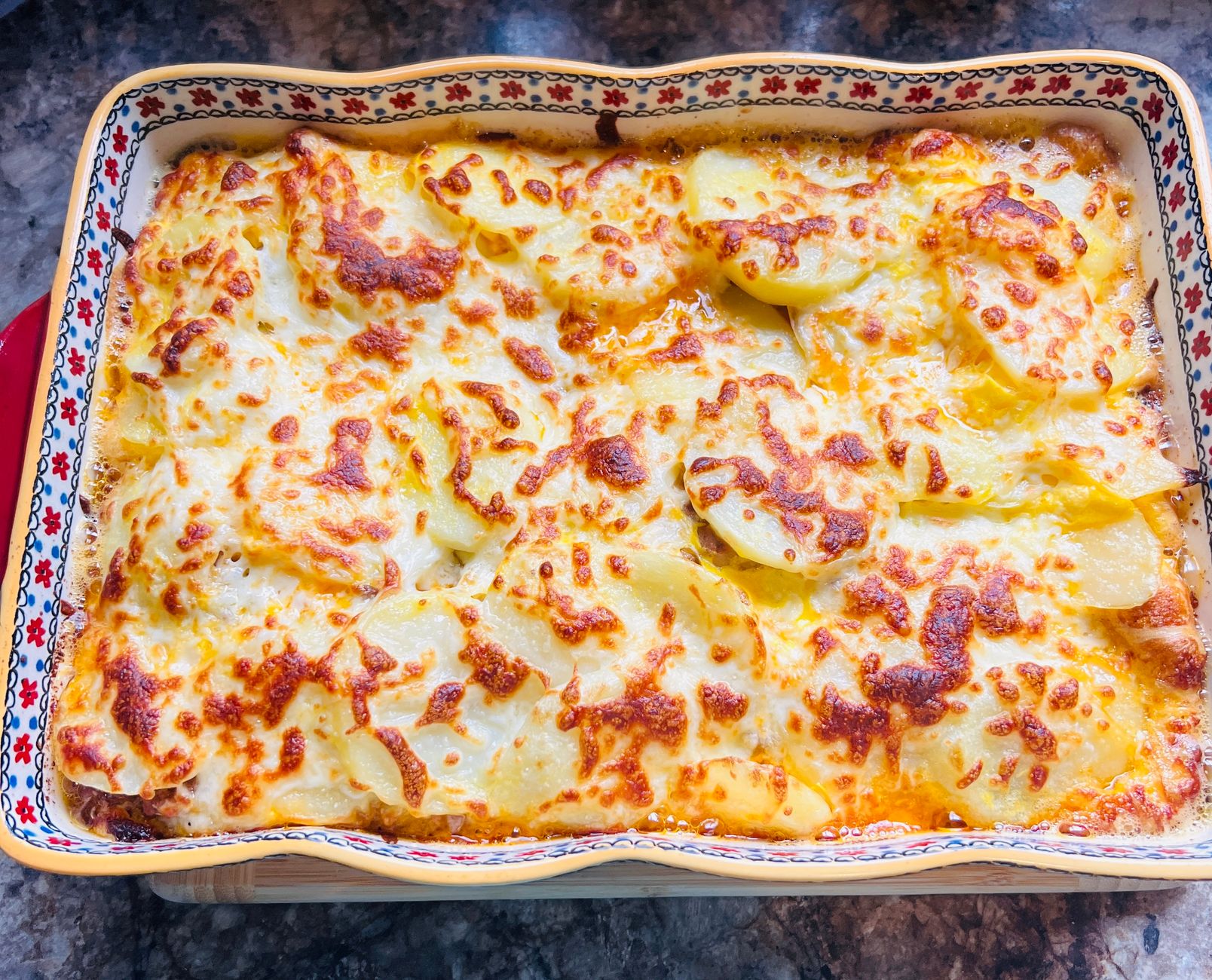
Imagine a golden casserole bubbling with melty cheese and tender squash, topped with a crunchy, buttery crust. Squash casserole brings that perfect homestyle comfort, combining creamy, savory flavors with a satisfying texture. This classic Southern side has earned a beloved place on holiday tables and weeknight dinners alike. The blend of fresh yellow squash, sharp cheeses, and fragrant herbs creates a dish that’s both familiar and exciting. Whether you’re serving it as a side or a vegetarian main, squash casserole delivers warmth and richness that make any meal feel special.
Health Benefits & Nutrition
Yellow squash is low in calories but packed with vitamins and fiber, supporting digestion and heart health. Rich in vitamin C and antioxidants, squash helps protect cells against oxidative stress (Harvard School of Public Health). The dish includes eggs and cheese, providing high-quality protein essential for muscle repair and satiety. However, due to the creamy ingredients and butter, it contains moderate saturated fats, so enjoy it in balance with your overall diet. For those with lactose intolerance or egg allergies, consider substitutions to keep it safe and delicious.
Ingredients & Preparation
Recipe Card
| Prep Time | Total Time | Servings | Calories (per serving) | Diet Tags |
|---|---|---|---|---|
| 40 minutes | 1 hour 25 minutes | 8 | 418 | Vegetarian |
Full Ingredient List
- 1 stick (8 tablespoons) unsalted butter, divided
- 3 pounds yellow squash (4 large or 5 medium), sliced ¼-inch thick
- 1 medium Vidalia onion, sliced (~1½ cups)
- 2 teaspoons kosher salt, plus more as needed
- ½ teaspoon freshly cracked black pepper, plus more as needed
- 2 large eggs, lightly beaten
- 8 ounces crème fraîche
- 4 ounces Gruyère cheese, shredded (about 1 cup)
- 2 ounces sharp Cheddar, shredded (about ½ cup)
- ¼ cup mayonnaise
- 2½ teaspoons fresh thyme, chopped
- 1 teaspoon Dijon mustard
- 1¼ cups panko breadcrumbs
- ¼ cup grated Parmesan cheese
- ¼ cup plus 2 tablespoons fresh parsley, chopped
Equipment Needed
- 2-quart baking dish
- Large heavy-bottom skillet
- Colander or large strainer
- Mixing bowls
- Measuring spoons and cups
- Microwave-safe bowl (for melting butter)
- Sheet pan or tray (optional for roasting method)
Tips for Choosing Quality Ingredients
- Select firm yellow squash with bright skin and no soft spots for the freshest flavor.
- Use high-quality cheeses like Gruyère and sharp Cheddar for balanced, rich taste.
- Fresh herbs such as thyme and parsley add bright notes—avoid dried unless fresh is unavailable.
- Opt for high-quality panko breadcrumbs or make your own from day-old bread for the best crunch.
- Vidalia onions are sweet and mild; if unavailable, substitute a sweet onion variety.
Step-by-Step Instructions
Step 1: Prep and Brown the Vegetables (20 minutes)
Preheat your oven to 350°F (175°C). Melt 2 tablespoons of butter in a large heavy skillet over medium-high heat. Add half the sliced squash and onions—avoid salting now to help them brown. Cook, stirring frequently, until the squash just becomes tender, about 8–10 minutes. Transfer to a bowl or sheet tray, then repeat with another 2 tablespoons butter and remaining vegetables.
Step 2: Season and Drain (10 minutes)
Combine both cooked batches gently, seasoning with 1 teaspoon kosher salt and a pinch of black pepper. Carefully stir to keep the squash intact. Transfer the mixture to a colander or fine strainer to drain excess moisture for 5 minutes, pressing lightly if needed. Discard any liquid to avoid a watery casserole.
Step 3: Mix the Creamy Filling (5 minutes)
In a large bowl, whisk together the beaten eggs, crème fraîche, Gruyère, sharp Cheddar, mayonnaise, thyme, and Dijon mustard. Add the remaining teaspoon salt and freshly cracked black pepper. Stir thoroughly to create a smooth, flavorful base.
Step 4: Combine and Fill (5 minutes)
Fold the drained squash and onion mixture into the creamy blend gently but evenly. Transfer this filling to a greased 2-quart baking dish, smoothing the top.
Step 5: Prepare the Breadcrumb Topping (5 minutes)
Melt the last 3 tablespoons of butter in a microwave-safe bowl (about 25 seconds). Toss together panko breadcrumbs, Parmesan cheese, melted butter, and 2 tablespoons chopped parsley. Evenly sprinkle this golden topping over the casserole.
Step 6: Bake to Golden Perfection (40 minutes)
Place the casserole in the preheated oven and bake uncovered for 40 minutes. The top will turn crispy and golden brown, while the inside stays creamy and tender. Let it rest for 5 minutes before serving.
Variations & Substitutions
- Cheese Swap: Replace Gruyère and Cheddar with mozzarella and Parmesan for a milder flavor and gooier texture.
- Vegan Version: Use plant-based crème fraîche, vegan cheese alternatives, and flax eggs (1 tablespoon flaxseed meal + 3 tablespoons water per egg) to achieve a dairy-free casserole.
- Spicy Kick: Add a pinch of cayenne pepper or finely chopped jalapeños to the filling for subtle heat that balances creaminess.
- Roasting Method: Instead of skillet cooking, toss squash and onions with melted butter, spread on sheet pans, and roast at 400°F for 25–30 minutes for caramelized flavor.
Storage & Shelf Life
Refrigeration: Store leftovers in an airtight container for up to 4 days. Reheat in the oven at 350°F until warmed through to keep the topping crispy.
Freezing: Squash casserole freezes well. Cover tightly with foil and freeze for up to 2 months. Thaw overnight in the fridge before reheating.
Signs of Spoilage: Discard if you notice sour smell, mold, or slimy texture. The creamy ingredients could spoil faster if left out at room temperature for long.
Pro Tips for Perfect Squash Casserole
- Drain Excess Moisture: Squash releases water as it cooks. Proper draining prevents a soggy casserole.
- Don’t Overmix: Fold mixture gently to maintain tender, distinct pieces of squash and onion.
- Breadcrumb Texture: Toast the panko lightly before mixing with butter for extra crunch and nuttiness.
- Butter Distribution: Melt butter evenly and toss gently with breadcrumbs to achieve a golden, evenly baked crust.
- Herb Freshness: Add parsley after baking for a pop of freshness and color contrast.
When is the best time to eat Squash Casserole?
Squash casserole shines at dinner, especially during late summer and early fall when fresh squash is abundant. It’s a perfect side for holiday meals and pairs beautifully with meats and roasted vegetables. You can also enjoy it as a satisfying vegetarian main—it’s comforting any time you crave creamy, cheesy goodness with a crispy bite.
Can I prepare squash casserole ahead of time?
Yes, you can assemble the casserole up to a day in advance and store it covered in the fridge. Bake it fresh when ready, adding a few extra minutes to the baking time if chilled. This flexibility makes it a great make-ahead option for busy weeknights or entertaining.
How do I prevent the casserole from being watery?
Draining the cooked squash and onions well is key. Using a colander and pressing gently to remove liquid helps avoid excess moisture. Also, avoid salting the vegetables too early during cooking, which can cause additional water release.
Can I substitute the cheeses used?
Absolutely. Gruyère and sharp Cheddar provide depth and tang, but you can swap them with mozzarella, fontina, or even Monterey Jack for different flavor profiles. Just ensure the cheese melts well for a creamy texture.
What’s a good side dish to serve with squash casserole?
This casserole pairs wonderfully with roasted chicken, grilled pork, or a fresh green salad. For heartier options, try it alongside a meat lovers quiche to complement the richness or a bacon wrapped pork tenderloin with sour cherry sauce recipe for contrasting flavors.
Is there a vegan substitute for eggs in this recipe?
Yes, you can replace eggs with a flax egg (1 tablespoon flaxseed meal mixed with 3 tablespoons water per egg) or commercial egg replacers. These bind the casserole without compromising texture.
Can squash casserole be made gluten-free?
To make it gluten-free, substitute the panko breadcrumbs with gluten-free breadcrumbs or crushed gluten-free crackers. Verify all processed ingredients like Dijon mustard and mayonnaise are gluten-free as well.
More Recipes You Will Love
If you enjoy the creamy comfort of squash casserole, you’ll likely appreciate the hearty richness of Meat lovers quiche, packed with savory goodness and a flaky crust. For a flavorful protein pairing, try the Bacon wrapped pork tenderloin with sour cherry sauce recipe—its tangy sauce perfectly complements creamy vegetable sides like this casserole.
Conclusion
Squash casserole is a timeless dinner recipe that brings together creamy textures, earthy flavors, and a golden, crispy topping. It’s easy to prepare, highly adaptable, and delivers satisfaction in every bite. Whether you’re serving it for a special occasion or a cozy weeknight, this dish offers comfort and flavor that your family will love. Feel free to share your thoughts or your own twists on this classic—your feedback means the world to us!
FAQs
When is the best time to eat Squash Casserole?
Squash casserole is a versatile dish perfect for holiday dinners, weeknight meals, or potlucks. It works well as a comforting side during cooler months or as a creamy vegetarian main any time squash is in season.
Can I make Squash Casserole ahead of time?
Yes, you can prepare squash casserole a day before baking. Assemble it in the baking dish, cover tightly, and refrigerate. When ready to serve, bake it until bubbly and golden for best results.
What can I substitute if I have lactose intolerance?
For lactose intolerance, substitute crème fraîche with lactose-free sour cream or plain dairy-free yogurt. Use dairy-free cheese alternatives and plant-based butter to keep the dish creamy yet suitable for your needs.
How do I get a crispy topping on Squash Casserole?
To achieve a crispy topping, use quality panko breadcrumbs mixed with melted butter and Parmesan cheese. Sprinkle this mixture evenly on top and bake uncovered until the crust is golden and crunchy.
Can Squash Casserole be frozen for later?
Squash casserole freezes well. Cool it completely before wrapping tightly. Freeze for up to 3 months, then thaw in the refrigerator before reheating in the oven to maintain its creamy texture.