Why Lobster Stock Recipe Is a Game-Changer in Seafood Cooking
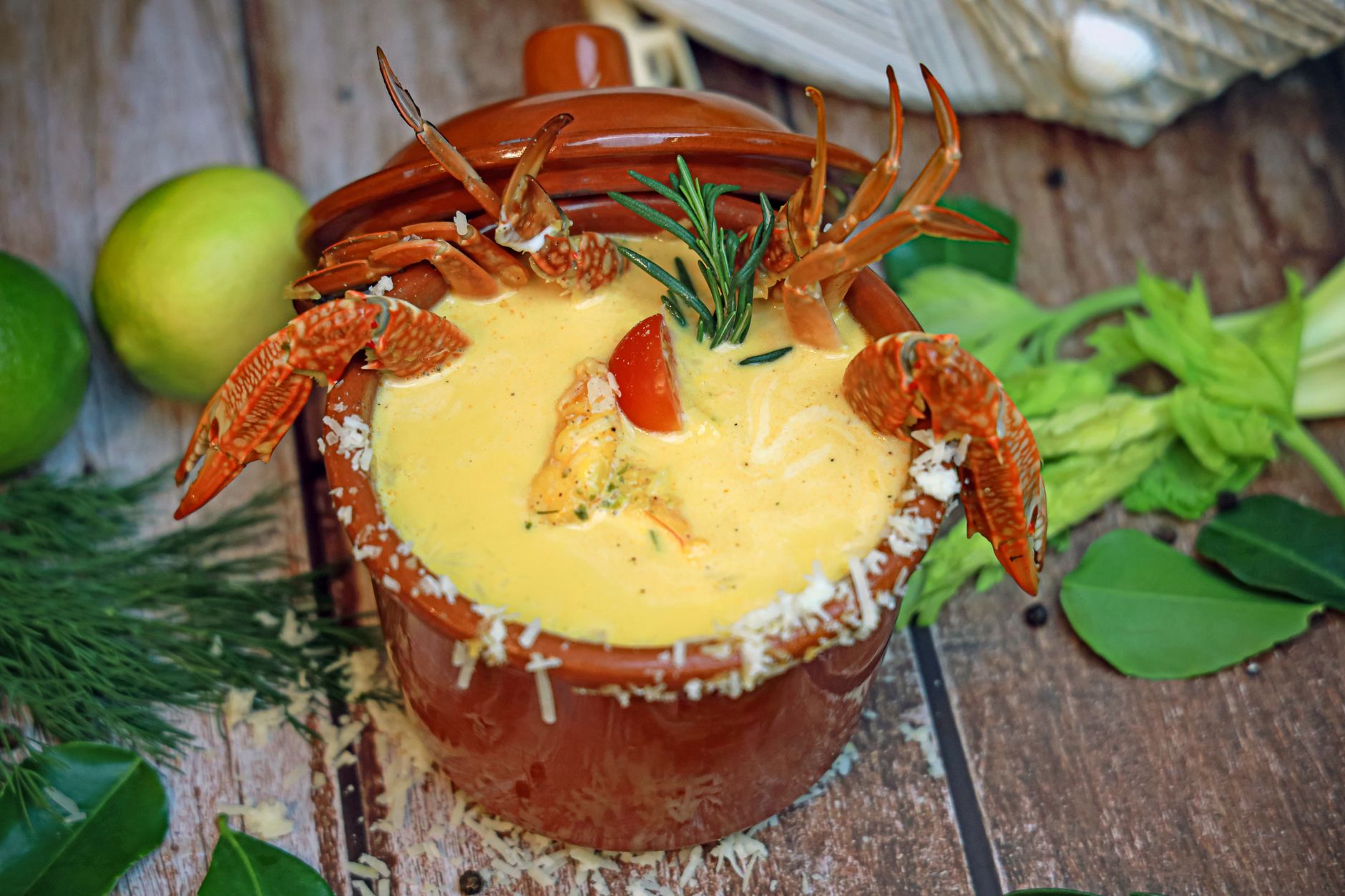
Imagine opening your kitchen to the intoxicating aroma of simmering lobster shells, delicate herbs, and a splash of wine. That deep, savory fragrance signals the transformation of humble lobster shells into a luxurious lobster stock recipe that elevates any seafood dish. Using lobster shells to create stock not only maximizes flavor but also reduces waste, delivering a rich, umami-packed foundation for soups, risottos, and sauces. This seafood treasure ignites layers of taste that store-bought broths simply can’t match. Whether you’re preparing a lobster bisque or jazzing up your favorite seafood stew, homemade lobster stock makes every bite shine.
Health Benefits & Nutrition of Lobster Stock
Lobster stock offers more than just mouthwatering flavor—it provides nutritional perks as well. First, it’s rich in minerals like calcium, magnesium, and zinc, all slowly extracted from the shells into the broth as it simmers, supporting bone health and immune function (Harvard Health Publishing). The naturally occurring collagen from crustacean exoskeletons contributes to improved joint, skin, and gut health. Second, it’s low in calories while high in protein, making it a nourishing ingredient for balanced diets. However, lobster stock can be high in sodium and cholesterol, so moderation is key, especially for those with heart conditions or salt sensitivities. Also, shellfish allergies or pregnancy require caution before enjoying lobster-based dishes.
Ingredients & Preparation
Recipe Card
| Prep Time | Cook Time | Total Time | Servings | Calories (per serving) | Diet Tags |
|---|---|---|---|---|---|
| 30 minutes | 2 hours | 2 hours 30 minutes | 16 | 282 | Gluten-Free, Low Carb |
Complete Ingredient List
- 4 whole lobsters (about 1 1/2 pounds each) or 4 pounds crayfish
- 8 tablespoons unsalted butter (1 stick)
- 1/4 cup olive oil
- 2 medium onions, finely chopped
- 2 carrots, peeled and chopped
- 2 stalks celery, peeled and chopped
- 1 1/2 teaspoons salt
- 2 cups dry white wine
- 1 cup Madeira wine
- 5 cups fish stock, clam juice, or water
- 3 cups tomato juice
- 1 head garlic, halved horizontally with skins on
- 1/2 bunch fresh parsley with stems
- 1 tablespoon black peppercorns
- 2 bay leaves
- 1 1/2 teaspoons dried tarragon
- 1 teaspoon dried thyme
- 1/2 teaspoon cayenne pepper
Equipment Needed
- Large stockpot (8-quart or bigger)
- Large pot for boiling lobsters
- Food processor or blender
- Mallet or hammer for crushing shells
- Fine mesh sieve or cheesecloth
- Large mixing bowls
- Wooden spoon or spatula
Tips for Choosing Quality Ingredients
Start with fresh, live lobsters or high-quality frozen lobster if live isn’t accessible. Freshness impacts stock depth tremendously. Select vibrant vegetables free from blemishes for sweetness and aroma. Choose a dry white wine with crisp acidity, like Sauvignon Blanc, to brighten flavors. Opt for high-quality tomato juice without added sugars or preservatives to maintain a clean taste. Fresh herbs are best; dry herbs can substitute but use sparingly to avoid overpowering. Using homemade fish stock or clam juice amplifies the seafood essence, but filtered water works if unavailable.
Step-by-Step Instructions
Step 1: Boil and Prepare Lobsters – 10 minutes at high boil + cooling
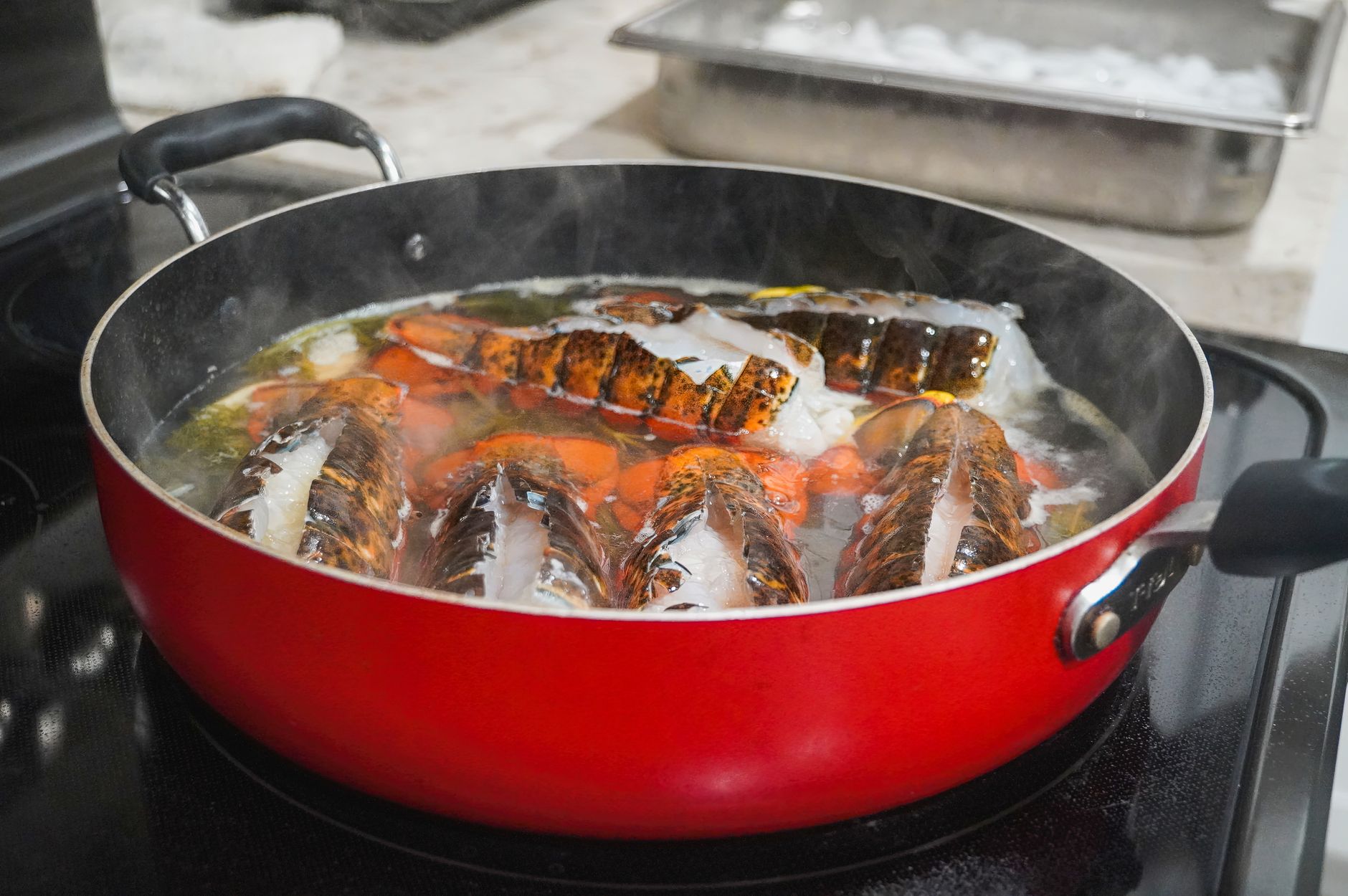
Bring a large pot of water to a rolling boil. Submerge lobsters and cook vigorously for 10 minutes until bright red and cooked through. Transfer lobsters immediately to an ice bath to stop cooking and cool. Remove tail and claw meat to serve separately or save for later dishes.
Step 2: Crush Lobster Shells – 10 minutes
Over a large bowl, crack lobster shells with a mallet or hammer. This step helps release flavor. Collect any juices from lobster meat removal and add to shells. Use a food processor to crush shells finely, creating a flavorful base for stock.
Step 3: Sauté Aromatics and Shells – 10 minutes on medium-high heat
Melt butter and olive oil in a large stockpot. Add chopped onions, carrots, celery, and salt. Cook while stirring until onions turn golden and vegetables soften, about 10 minutes. Stir in crushed lobster shells, white wine, and Madeira.
Step 4: Reduce Liquids – 15 minutes on high heat
Turn heat to high and boil the mixture until the liquid reduces by half, intensifying flavors. This concentration is essential for a deeply rich stock.
Step 5: Add Remaining Liquids and Herbs – 1 hour 15 minutes simmer
Pour in fish stock or clam juice and tomato juice. Bring to a gentle boil, skimming off any foam that rises to the surface for clarity. Add garlic halves, fresh parsley, peppercorns, bay leaves, tarragon, thyme, and cayenne pepper. Reduce heat and simmer uncovered for 75 minutes.
Step 6: Strain and Store – 15 minutes
Carefully strain the stock through a fine mesh sieve or cheesecloth into a clean container. Discard solids. Refrigerate up to 2 days or freeze for longer storage.
Variations & Substitutions
- Shellfish Swap: Replace lobster shells with crab or shrimp shells for a different yet equally rich seafood flavor.
- Wine Options: Substitute Madeira with dry Marsala or omit alcohol altogether, replacing with additional fish stock and a splash of apple cider vinegar for acidity.
- Vegetarian Version: Use roasted vegetables and seaweed (kombu) to simulate the umami taste if avoiding seafood altogether.
- Spice Adjustments: Swap cayenne for smoked paprika for a smoky twist or add fresh ginger slices for a touch of warmth.
Storage & Shelf Life
Store lobster stock in airtight containers in the refrigerator for up to 2 days. Always cool stock completely before refrigerating to avoid bacteria growth. For longer storage, freeze in meal-sized portions using freezer-safe containers or silicone ice cube trays. Frozen lobster stock retains its flavor for up to 6 months. Signs of spoilage include sour or off smells, mold growth, or unusual cloudiness once reheated—discard immediately if detected.
Pro Tips for the Perfect Lobster Stock
- Crushing shells thoroughly breaks them down for maximum flavor extraction—don’t skip this step.
- Sautéing vegetables until golden adds a nutty sweetness that balances the seafood richness.
- Skimming foam during simmering improves the stock’s clarity and taste.
- Use fresh garlic with skins on to mellow harshness while adding aromatic depth.
- Letting the stock simmer uncovered concentrates flavors and reduces excess liquid effectively.
- Wear gloves when crushing shells if sensitive to shellfish, and clean surfaces promptly to avoid staining.
When is the best time to use Lobster Stock Recipe?
The lobster stock shines best when freshly made or within two days of refrigeration. It’s perfect to use as a base for lobster bisque, seafood risottos, or gourmet sauces that benefit from an intense seafood essence. You can also freeze some for spontaneous weeknight dishes.
Can I make lobster stock using frozen lobster shells?
Yes. Frozen lobster shells work well for stock and are convenient if you save shells over time. Just thaw completely before crushing and cooking to ensure even extraction of flavors.
What can I substitute if I don‘t have Madeira wine?
You can replace Madeira with dry Marsala, sherry, or omit alcohol by increasing fish stock and adding a teaspoon of white wine vinegar. Each offers a slight variation of sweetness or acidity.
Is lobster stock high in sodium?
Lobster stock can contain a moderate to high sodium level, especially if using commercial fish stock or clam juice. Adjust salt in your final dishes accordingly to avoid over-salting.
How do I avoid shellfish allergies when making this stock?
If you or guests have shellfish allergies, it’s best to avoid lobster stock entirely as allergens can concentrate during cooking. Opt instead for vegetable or fish-based stocks without shellfish.
Can I use lobster stock as a cooking liquid for grains?
Absolutely. Using lobster stock instead of water to cook rice, quinoa, or couscous infuses them with rich, savory notes that complement seafood dishes beautifully.
How should I reheat lobster stock safely?
Reheat lobster stock gently in a saucepan over medium heat until steaming but not boiling. Boiling can break down delicate flavors and alter texture. Stir occasionally to prevent scorching.
More Recipes You Will Love
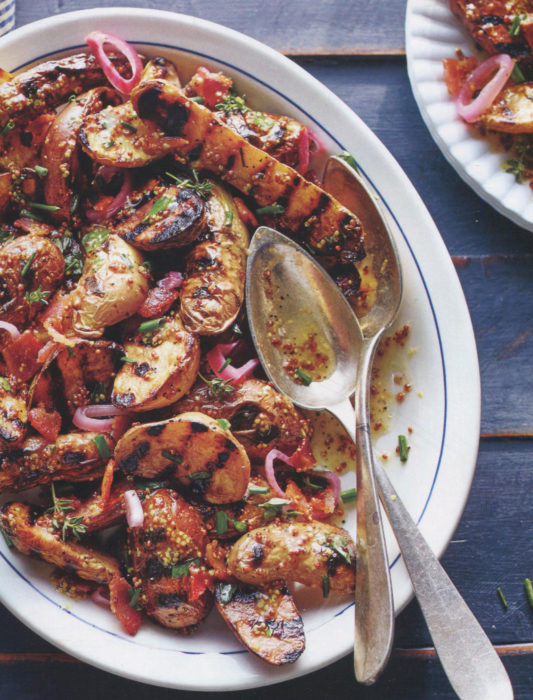
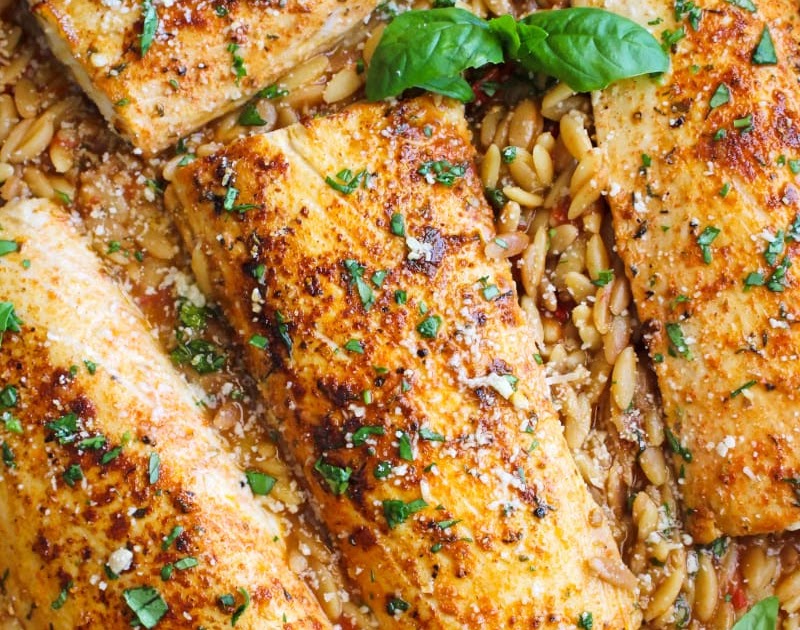
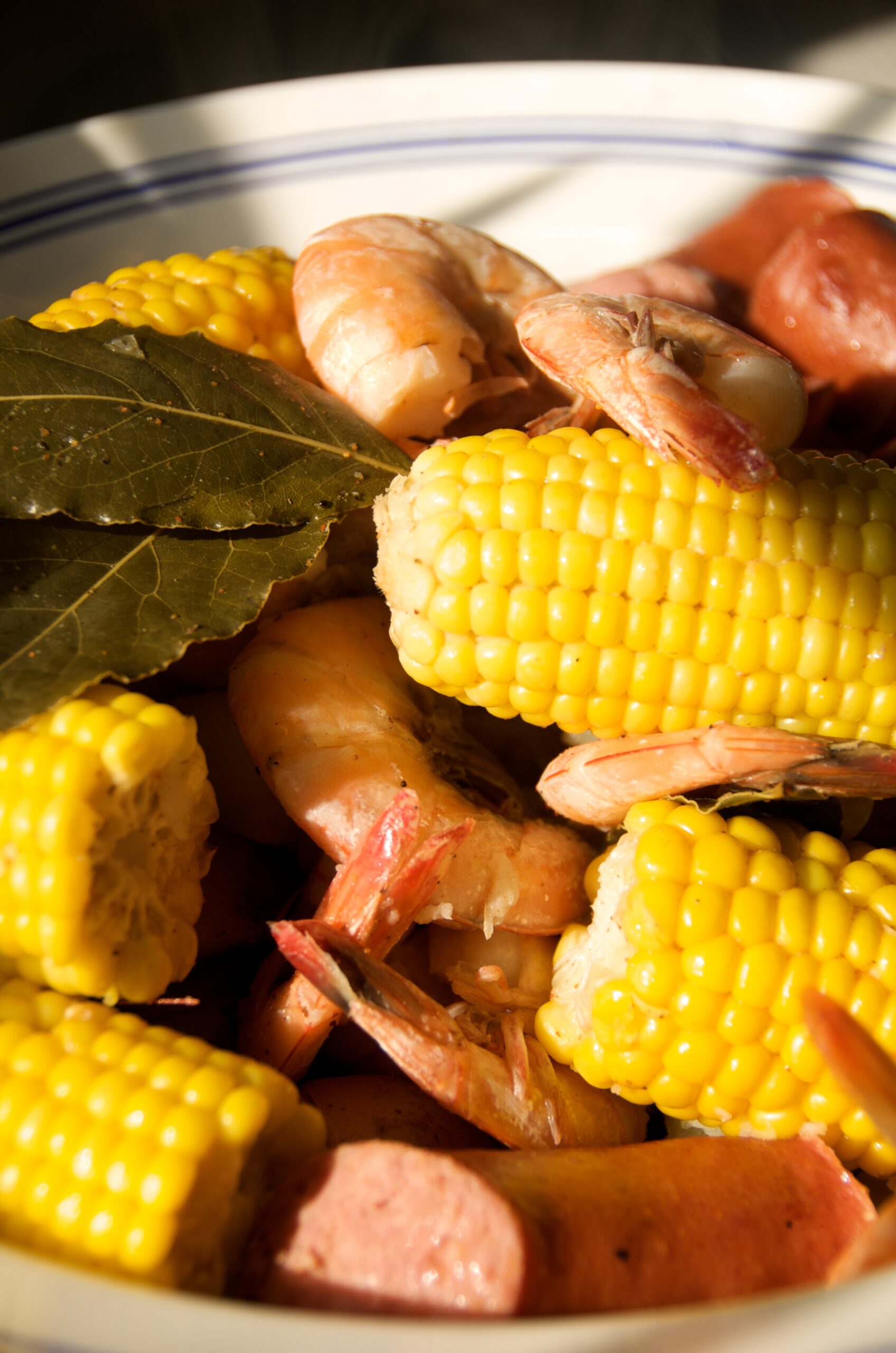
If this lobster stock recipe ignites your seafood passion, you‘ll enjoy the lively flavors of our Mahi mahi with watercress and arugula salad with melon and pickled onions recipe. It pairs exceptionally well with a subtle homemade seafood stock. For those who love crustaceans, our Crawfish boil recipe for 40 to 45 pounds of crawfish recipe captures the festive spirit of shellfish feasts with robust spice blends and communal charm.
Conclusion
Making your own lobster stock recipe unlocks deep, complex flavors that lift any seafood dish to new heights. The process is straightforward, rewarding, and makes use of lobster shells that might otherwise be discarded. Once you taste the golden, aromatic liquid, you’ll understand why it’s a kitchen favorite for enhancing sauces, soups, and risottos alike. Feel free to share your results or ask questions below—we’d love to hear how this stock transforms your cooking!
FAQs
When is the best time to use Lobster Stock Recipe?
The best time to use lobster stock recipe is when preparing seafood soups, bisques, risottos, or sauces that benefit from a rich, umami flavor. It's perfect for elevating dishes whenever you want to add depth and complexity to seafood meals.
Can I make lobster stock recipe ahead and store it?
Yes, you can make lobster stock recipe in advance and store it. Keep it refrigerated for up to 3 days or freeze it in airtight containers for up to 3 months. This allows for convenient use whenever you need a flavorful seafood base.
What can I substitute if I don’t have fresh lobster shells?
If fresh lobster shells aren’t available, you can use crab shells, shrimp shells, or even high-quality fish stock as a substitute. These alternatives provide similar seafood flavors, though fresh lobster shells give the richest taste.
Is lobster stock recipe suitable for low-sodium diets?
Lobster stock recipe can be high in sodium, especially if using clam juice or added salt. To make it suitable for low-sodium diets, reduce added salt and use low-sodium broths or filtered water. Always consume in moderation based on dietary needs.
How do I ensure lobster stock recipe is allergen safe?
Lobster stock recipe contains shellfish, a common allergen. It should be avoided by individuals with shellfish allergies. Pregnant women should also consult healthcare providers before consuming. Always label and handle carefully to prevent cross-contamination.