Why Make This Spicy Yogurt Sauce Recipe?
The first spoonful is cool and creamy, followed by warm cumin, bright tomato, and a gentle chile kick.
This Spicy Yogurt Sauce Recipe makes a smooth, savory sauce by cooking onions, chiles, cumin, coriander, and tomato before folding in plain yogurt. The sauce is ready in about 35 minutes and serves four. Keep the heat low after adding the yogurt so it stays creamy instead of curdling. Serve it with roasted vegetables, rice, flatbread, grilled foods, or beans.
I like this recipe because the sauce tastes more developed than a quick stirred yogurt dip. The cooked onion gives it sweetness, while tomato adds body and a little acidity. You can also adjust the chile easily, making it mild enough for a family dinner or hot enough for a bold side dish.

Health Benefits & Nutrition
This sauce combines plain yogurt with vegetables, herbs, and a modest amount of oil. It is a flavorful way to add moisture and tang to a meal without relying on heavy cream or a large amount of cheese.
- Yogurt provides protein and calcium. Plain yogurt contributes protein, calcium, and a creamy texture. The exact amount varies by brand and whether you choose regular or Greek yogurt.
- Onion and tomato add produce. The onion and tomato provide natural sweetness, water, and useful nutrients while forming the sauce’s savory base.
- Spices add flavor without much extra food. Cumin and coriander bring earthy, citrusy notes, so you can build a satisfying sauce without adding much sugar.
- Heat can make simple meals more appealing. Chiles add aroma and flavor, which can help turn plain rice, beans, or roasted vegetables into a more interesting meal.
Nutrition is an estimate, not a laboratory analysis. One serving contains approximately 135 calories, 4 grams of protein, 12 grams of carbohydrates, and 8 grams of fat, depending on the yogurt, oil, and chile used.
This recipe contains dairy and may contain gluten if your flour is not certified gluten-free. For a dairy allergy, use a suitable unsweetened plant-based yogurt, though the texture may change. Anyone managing a medical condition or following specific dietary advice should check ingredient choices with a qualified healthcare professional or dietitian.
Ingredients & Preparation
Recipe Card
| Prep time | 15 minutes |
|---|---|
| Cook time | 20 minutes |
| Total time | 35 minutes |
| Servings | 4 servings |
| Calories | Approximately 135 per serving |
| Diet tags | Vegetarian; gluten-free adaptable |
Full Ingredient List
- 1 cup finely chopped yellow onion
- 1 to 2 fresh chiles, finely minced
- 2 tablespoons neutral vegetable oil
- 1 teaspoon ground cumin
- 1 teaspoon ground coriander
- 1 large tomato, finely chopped, about 1 cup
- 2 teaspoons all-purpose flour
- 1 cup plain yogurt
- 1/2 teaspoon fine salt, plus more to taste
Equipment Needed
- 8- to 10-inch skillet or sauté pan
- Cutting board and sharp knife
- Wooden spoon or heatproof spatula
- Small bowl for tempering the yogurt
- Measuring spoons and a measuring cup
Tips for Choosing Quality Ingredients
Use plain yogurt without added sugar or fruit. Whole-milk yogurt gives the roundest texture, while low-fat yogurt works well but can look slightly thinner. Greek yogurt makes a thicker sauce, so stir in one or two tablespoons of water if needed.
Choose a ripe tomato that feels heavy for its size. A juicy tomato melts into the onion mixture more smoothly than a firm, underripe one. For the chiles, jalapeño gives moderate heat, while serrano creates a sharper kick. Remove the seeds and inner ribs for a milder sauce.
Freshly ground spices are especially noticeable here. If your cumin has been open for many months, taste a small pinch first. Flat, dusty-smelling cumin will not give the same warm aroma as a fresh jar.
For a gluten-free version, replace the all-purpose flour with an equal amount of certified gluten-free all-purpose flour or cornstarch. If using cornstarch, mix it with a tablespoon of cool water before adding it to the pan.
Step-by-Step Instructions
1. Prepare the vegetables and yogurt
Finely chop the onion and tomato, then mince the chile. Measure the cumin, coriander, flour, and salt before cooking. Place the yogurt in a small bowl and stir it until smooth. Let it sit at room temperature while the vegetables cook, but do not leave it out for more than 30 minutes.
2. Soften the onion and chile for 10 minutes
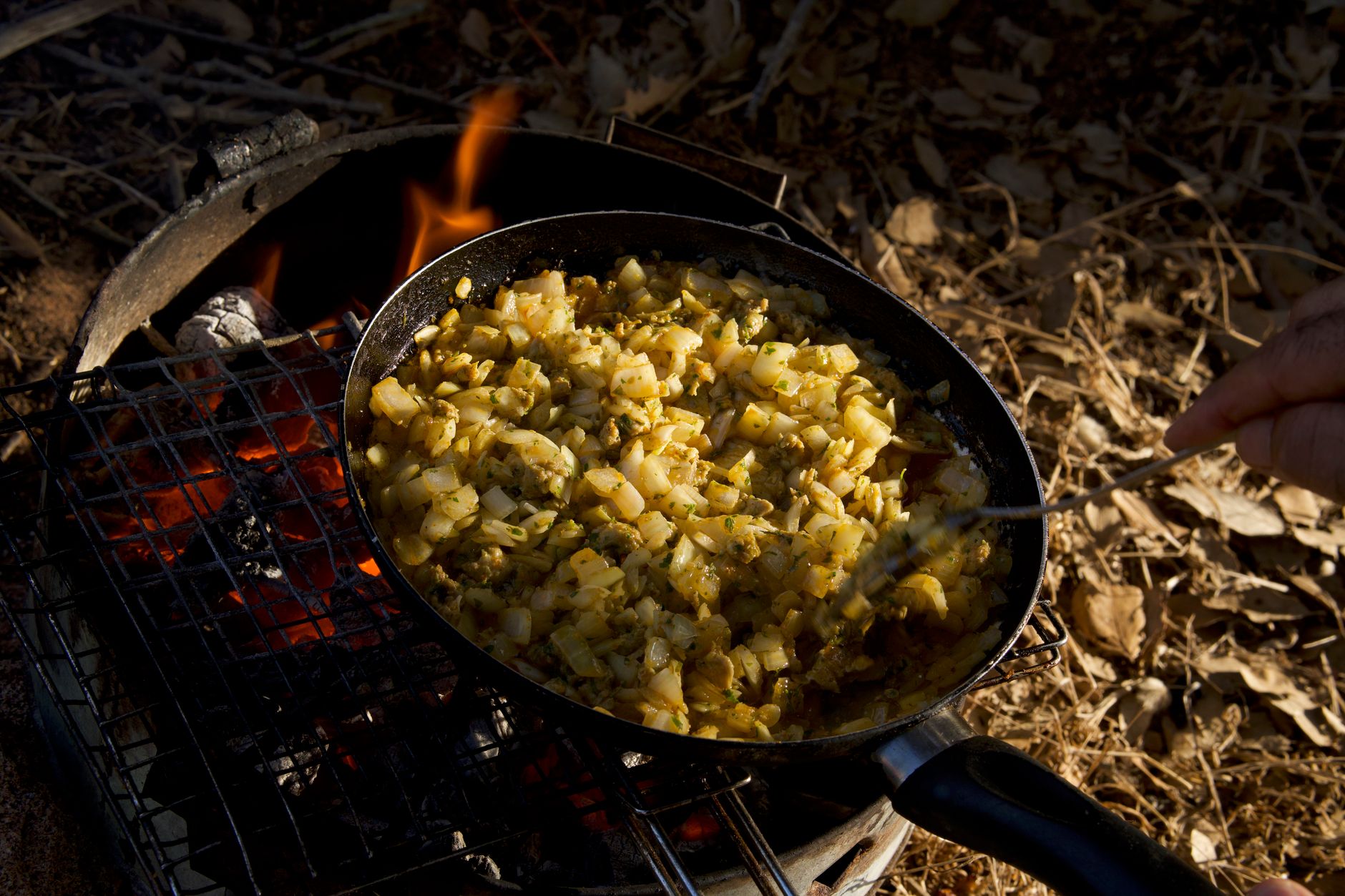
Set an 8- to 10-inch skillet over medium heat and add the oil. Add the onion and chile, then cook for 10 minutes, stirring every minute or two. The onion should become translucent and soft, with no browned edges. If it starts catching, reduce the heat to medium-low and add a teaspoon of water.
3. Toast the spices for 1 minute
Add the cumin and coriander to the softened onion mixture. Cook over medium-low heat for 1 minute, stirring constantly. The spices are ready when their earthy aroma becomes noticeable and the mixture sounds gently sizzly rather than wet. Do not let the spices darken, because burnt cumin can taste bitter.
4. Cook the tomato and flour for 2 minutes
Stir in the chopped tomato, flour, and salt. Cook over medium heat for 2 minutes, stirring frequently. The tomato should begin to soften, and the flour should disappear into the juices. The mixture will look slightly thick and glossy. The first time I made this, I added the flour after the yogurt, which left small lumps; adding it with the tomato prevents that problem.
5. Add the yogurt and warm gently for 5 minutes
Reduce the heat to low. Add the yogurt gradually, stirring after each spoonful until smooth. Warm the sauce for 5 minutes, stirring often, but do not allow it to boil. It is ready when steam rises from the surface and the sauce coats the back of a spoon. Taste and add more salt if needed.
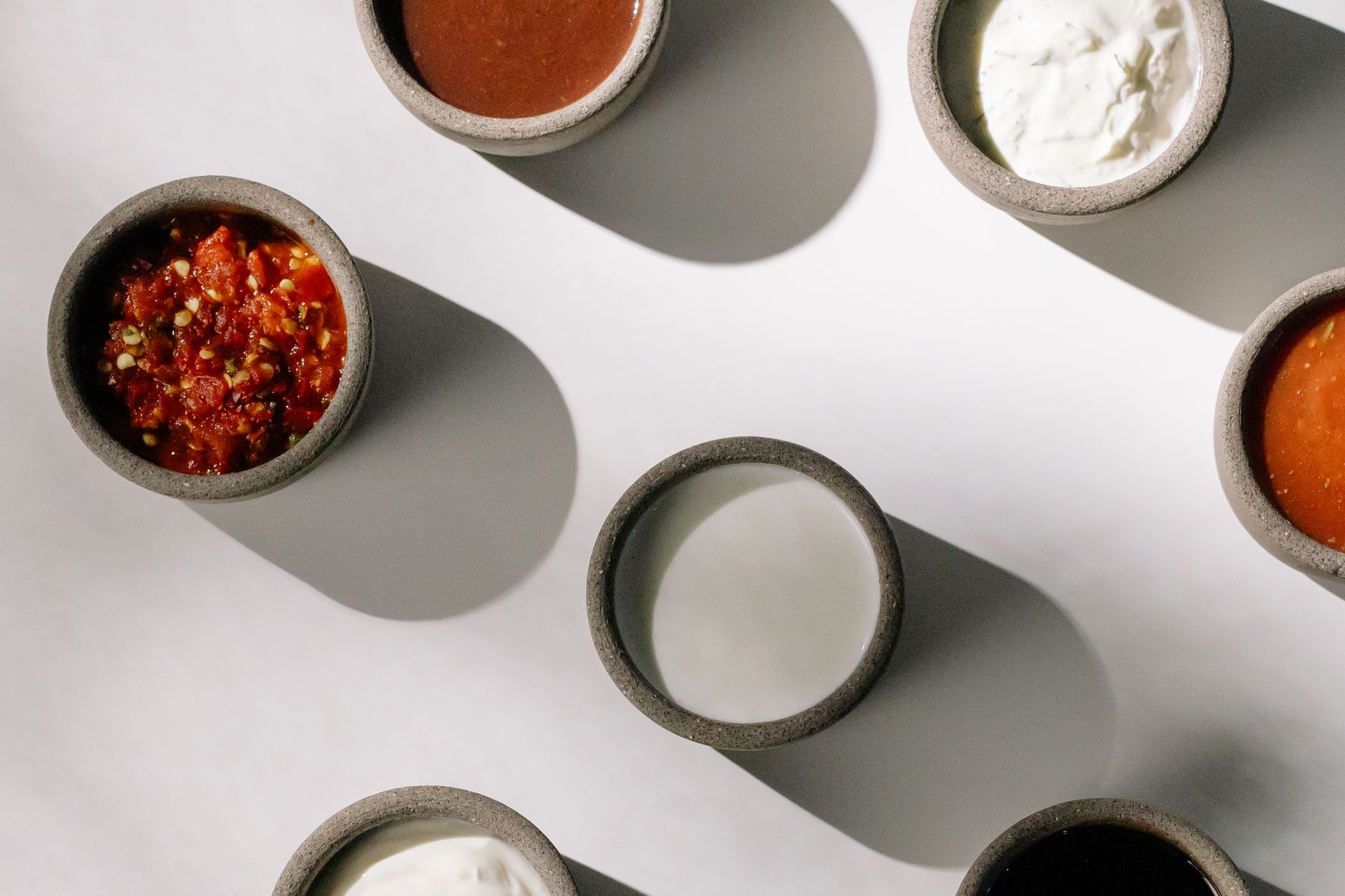
Serve the sauce warm or let it cool for 10 to 15 minutes. It thickens slightly as it stands. If the texture becomes too thick, stir in warm water one teaspoon at a time.
Variations & Substitutions
- Milder chile yogurt sauce: Use half of one jalapeño, or replace the fresh chile with 1/4 teaspoon of mild paprika. Remove the seeds and inner ribs for less heat.
- Extra-hot version: Use two serrano chiles instead of one or two mild chiles. Add them with the onion so the heat softens into the sauce rather than tasting raw.
- Greek yogurt version: Replace the plain yogurt with 1 cup plain Greek yogurt. Stir in 2 tablespoons of water before heating to prevent an overly thick sauce.
- Dairy-free version: Use 1 cup unsweetened, unflavored coconut or soy yogurt. Soy yogurt tends to keep a more neutral flavor; coconut yogurt adds a noticeable sweetness.
- Gluten-free version: Replace the 2 teaspoons of flour with 2 teaspoons gluten-free flour blend, or use 1 teaspoon cornstarch mixed with 1 tablespoon cold water.
- Garlic variation: Add 1 small finely grated garlic clove during the final 2 minutes of cooking. Adding it earlier may cause it to scorch while the onions soften.
For a thicker dip, use Greek yogurt and reduce the added water. For a pourable sauce, use regular yogurt and loosen it with one tablespoon of warm water after cooking. I tried adding raw cucumber during testing, but it released too much water and diluted the tomato and spice flavors, so I prefer keeping cucumber as a separate side.
This sauce also fits naturally beside roasted vegetables. If you are planning a larger vegetable meal, browse these Easy vegetarian dutch oven recipes for hearty pairings.
Storage & Shelf Life
Transfer cooled sauce to a clean, airtight container and refrigerate it within two hours of cooking. It keeps for up to 3 days in the refrigerator. Stir before serving, because a little separation is normal.
Reheat gently in a small saucepan over low heat for 3 to 5 minutes. Do not boil it. You can also serve it cold or at room temperature after stirring. If the sauce has thickened in the refrigerator, add warm water a teaspoon at a time.
Freezing is not recommended because yogurt can separate and become grainy after thawing. If you need to prepare ahead, cook the onion, chile, spices, tomato, and flour mixture for up to 2 days. Refrigerate that base, then add fresh yogurt while reheating gently.
Discard the sauce if it develops an unpleasant sour or fermented smell, mold, unusual discoloration, bubbling, or a slimy texture. Do not taste food to determine whether it is safe.
Pro Tips
Cook the onion slowly enough. The onion should soften and turn translucent, not brown deeply. Browning is not dangerous, but it shifts the sauce toward a sweeter, heavier flavor and can overpower the fresh tomato.
Toast spices briefly. One minute is enough to release their aroma into the oil. Stir continuously and lower the heat if the cumin starts to darken. Ground spices burn quickly in a hot, dry pan.
Temper the yogurt if your kitchen is cold. Stir two tablespoons of the warm tomato mixture into the yogurt first. Then add the loosened yogurt to the skillet. This small step reduces the temperature shock that can cause curdling.
Keep the final heat low. Yogurt separates when it boils. A gentle steam and a sauce that coats the spoon are better doneness cues than vigorous bubbling. If you see large bubbles, remove the pan from the heat immediately.
Balance the flavor at the end. Salt brings out the tomato and spices, while a small amount of extra yogurt softens excessive heat. If the sauce tastes flat, add salt first rather than more chile.
Protect pale surfaces. The tomato and chile can stain light wooden boards or fabric. Use a washable cutting board and rinse utensils soon after cooking, before the tomato juices dry.

Serving and Troubleshooting
When is the best time to use Spicy Yogurt Sauce Recipe?
The best time to use this sauce is immediately after cooking or within three days when refrigerated. Serve it warm with roasted vegetables, rice, beans, grilled foods, or flatbread. It is also good cold as a dip. Let refrigerated sauce sit for a few minutes, then stir it before serving.
Can I make this sauce less spicy?
Yes, use half a chile and remove its seeds and inner ribs. You can also replace the fresh chile with 1/4 teaspoon mild paprika. Add more yogurt if the finished sauce is still too hot. Avoid adding extra tomato alone, because it can make the sauce thinner without fully balancing the heat.
Why did my yogurt sauce curdle?
The yogurt most likely overheated or was added too quickly. Keep the pan on low heat, stir the yogurt smooth first, and mix in a few spoonfuls of the warm tomato base before combining everything. A slightly curdled sauce is still usable, but it will not have the same creamy appearance.
Can I use Greek yogurt instead of plain yogurt?
Yes, Greek yogurt works well, but it creates a thicker sauce. Stir 2 tablespoons of water into the cup of Greek yogurt before adding it. Full-fat Greek yogurt gives the smoothest result, while fat-free Greek yogurt may look slightly grainier when heated.
What can I serve with this sauce?
Serve it with roasted potatoes, cauliflower, carrots, green beans, rice, lentils, grilled vegetables, or warm flatbread. It also works as a topping for grain bowls. For an outdoor meal, pair it with a Veggie grill basket recipe and spoon the sauce over the vegetables just before serving.
Can I make the sauce ahead of time?
Yes, make it up to 3 days ahead and refrigerate it in an airtight container. Reheat it over low heat for 3 to 5 minutes, stirring often. Do not let it boil. For the freshest texture, prepare the cooked vegetable base ahead and stir in the yogurt shortly before serving.
How can I thin a thick yogurt sauce?
Thin the sauce with warm water, adding 1 teaspoon at a time until it reaches the consistency you want. You can also use a tablespoon of warm milk if dairy is suitable. Stir gently rather than whisking aggressively, which can make the sauce look loose and uneven.
More Recipes You Will Love
If you enjoy sauces that make vegetables more satisfying, try this alongside roasted cauliflower, potatoes, or a bowl of spiced lentils. The creamy texture contrasts nicely with crisp roasted edges and chewy grains.
For a complete vegetarian spread, serve the sauce with warm flatbread, a fresh chopped salad, and a tray of grilled vegetables. It is especially useful when you want one sauce that works across several dishes without requiring separate preparation.
Those Easy vegetarian dutch oven recipes are also useful for cool-weather meals, while grilled vegetables pair well with the sauce during warmer months.
Conclusion
This Spicy Yogurt Sauce Recipe turns everyday ingredients into a creamy, tangy accompaniment with earthy spice and adjustable heat. Cook the onion gently, toast the spices briefly, and keep the yogurt below a simmer for the smoothest finish. Serve it with vegetables, rice, beans, or flatbread, and store leftovers for up to 3 days. If you make it, please leave a rating or comment and share how you adjusted the chile.
FAQs
When is the best time to eat Spicy Yogurt Sauce Recipe?
The best time to eat this Spicy Yogurt Sauce Recipe is within a day of making it, while it is still cool and creamy. It pairs well with dinner, especially alongside roasted vegetables, rice, flatbread, grilled foods, or beans. Serve it chilled or at room temperature so the tangy yogurt and warm cumin stand out.
Can I make Spicy Yogurt Sauce Recipe ahead of time?
Yes, you can make Spicy Yogurt Sauce Recipe a day ahead. Let the sauce cool completely, transfer it to an airtight container, and refrigerate it. Yogurt can separate slightly as it chills, so stir well before serving to restore a smooth, creamy texture.
How do I keep the yogurt from curdling in Spicy Yogurt Sauce Recipe?
Keep the heat low after you add the yogurt, and never let the sauce boil. If it starts to bubble, remove the pan from direct heat. Tempering the yogurt in a small bowl before stirring it in and stirring gently will help the sauce stay smooth rather than grainy.
Can I use dairy-free yogurt in Spicy Yogurt Sauce Recipe?
Yes, an unsweetened plant-based yogurt can replace dairy yogurt, though the texture and flavor may change. Choose a plain variety without added sugar, and taste before adding salt because some brands are thinner or tangier. If you have a dairy allergy or a medical condition, check ingredient choices with a qualified healthcare professional or dietitian.
How do I make Spicy Yogurt Sauce Recipe less spicy?
To make this sauce milder, use one chile instead of two and remove the seeds and white membranes before mincing. Adding a little extra plain yogurt also dilutes the heat. Taste after cooking, since chile strength varies from one pepper to another.