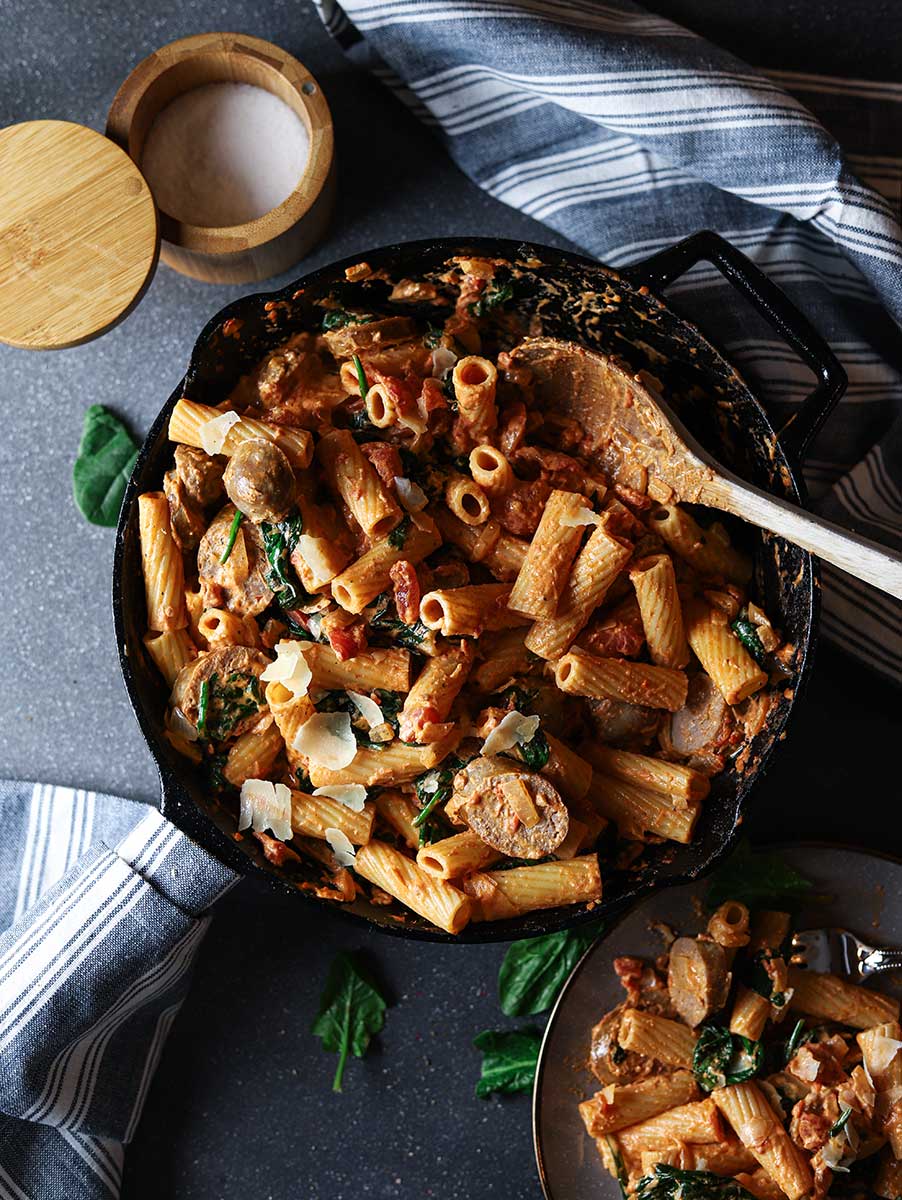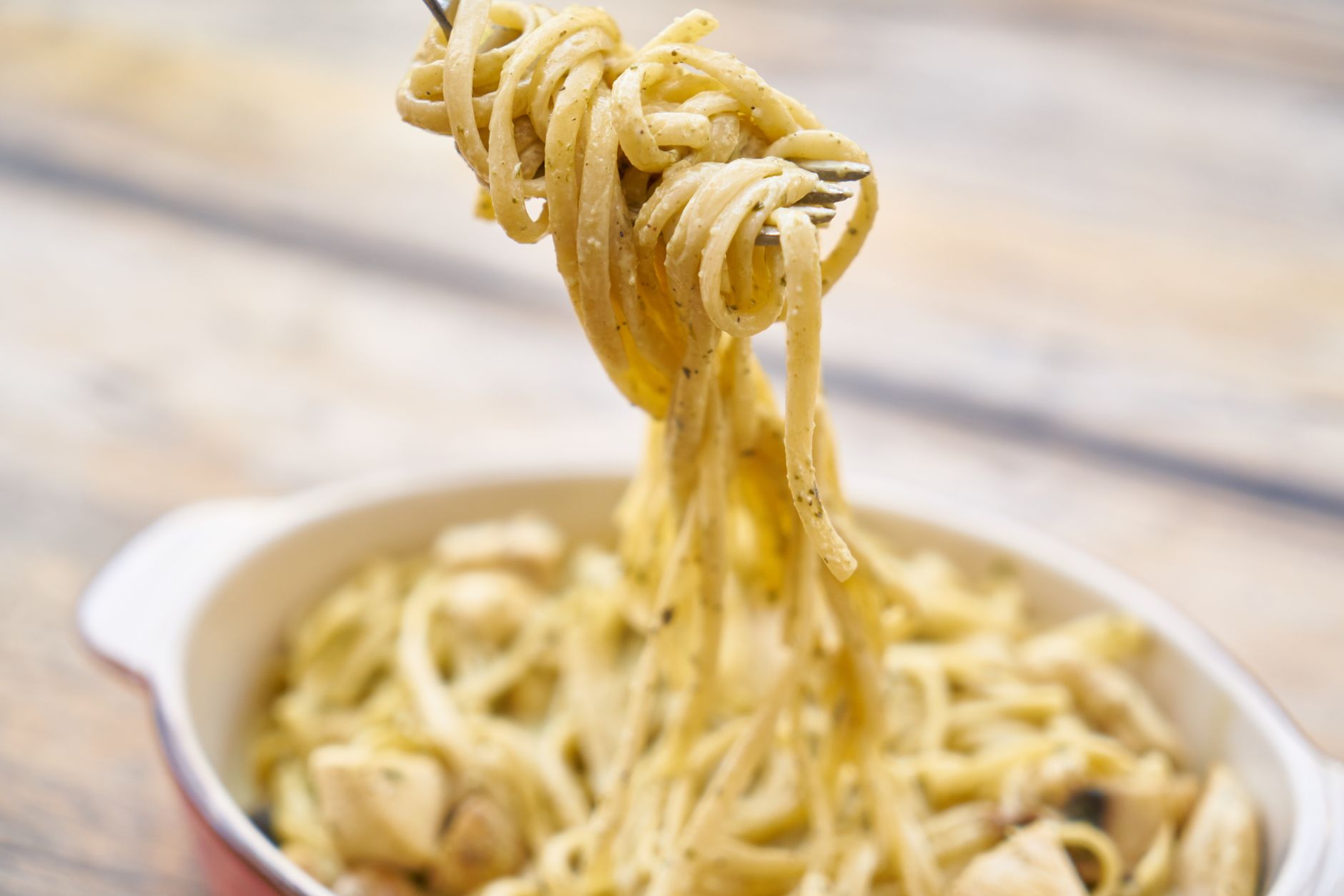
Why Spaghetti Carbonara Recipe is a Must-Try Classic
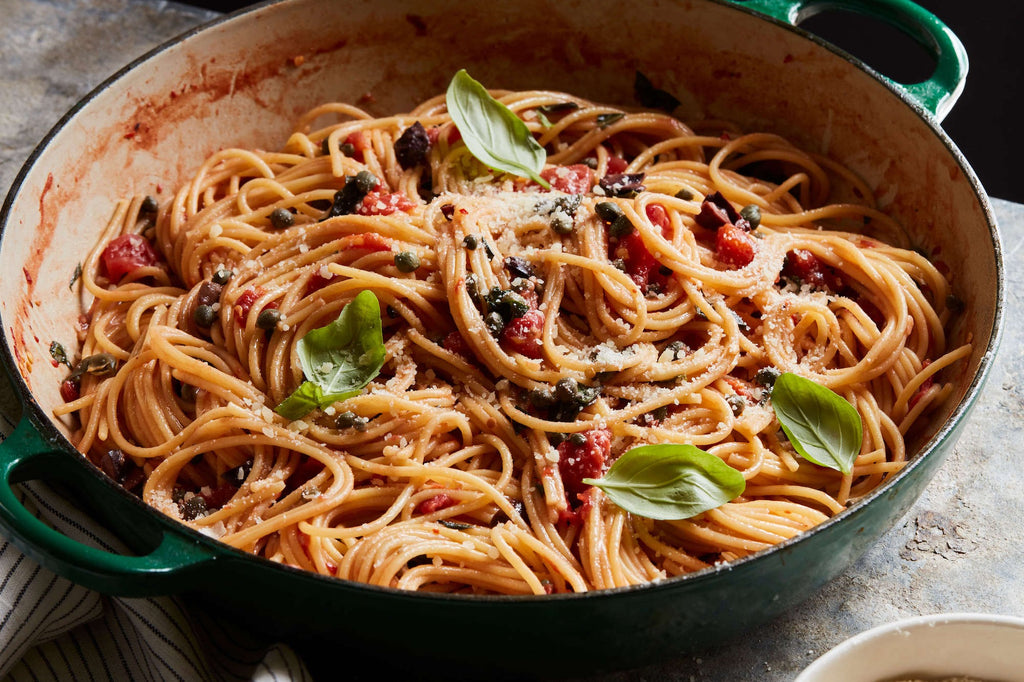
The rich aroma of golden pancetta sizzling in olive oil, combined with a creamy sauce clinging to perfectly al dente spaghetti, makes this Spaghetti Carbonara Recipe truly irresistible. Originating from Rome, this timeless Italian dish balances savory, salty, and earthy flavors with silky textures. What makes carbonara unique is its blend of simple ingredients transformed into a luxurious comfort meal in just half an hour. Whether you’re cooking for family or craving a quick gourmet dinner, this recipe brings authentic Italian flair straight to your plate.
Health Benefits & Nutrition
While indulgent, spaghetti carbonara has nutritional perks when enjoyed in moderation. Eggs provide high-quality protein and are rich in essential amino acids that support muscle repair (Harvard T.H. Chan School of Public Health). Parmesan and pecorino cheeses are sources of calcium, important for bone health. Pancetta or bacon adds flavor and iron, though it‘s wise to consume cured meats occasionally due to their sodium content. This dish also contains carbohydrates from pasta, fueling your energy for daily activities. Pregnant individuals should ensure the eggs are fresh and properly cooked to avoid risks from raw eggs.
Ingredients & Preparation
Recipe Card
| Prep Time | Cook Time | Total Time | Servings | Calories (per serving) | Diet Tags |
|---|---|---|---|---|---|
| 16 minutes | 14 minutes | 30 minutes | 6 | 888 kcal | Gluten (can be gluten-free with substitute), Dairy, Contains Eggs |
Full Ingredient List
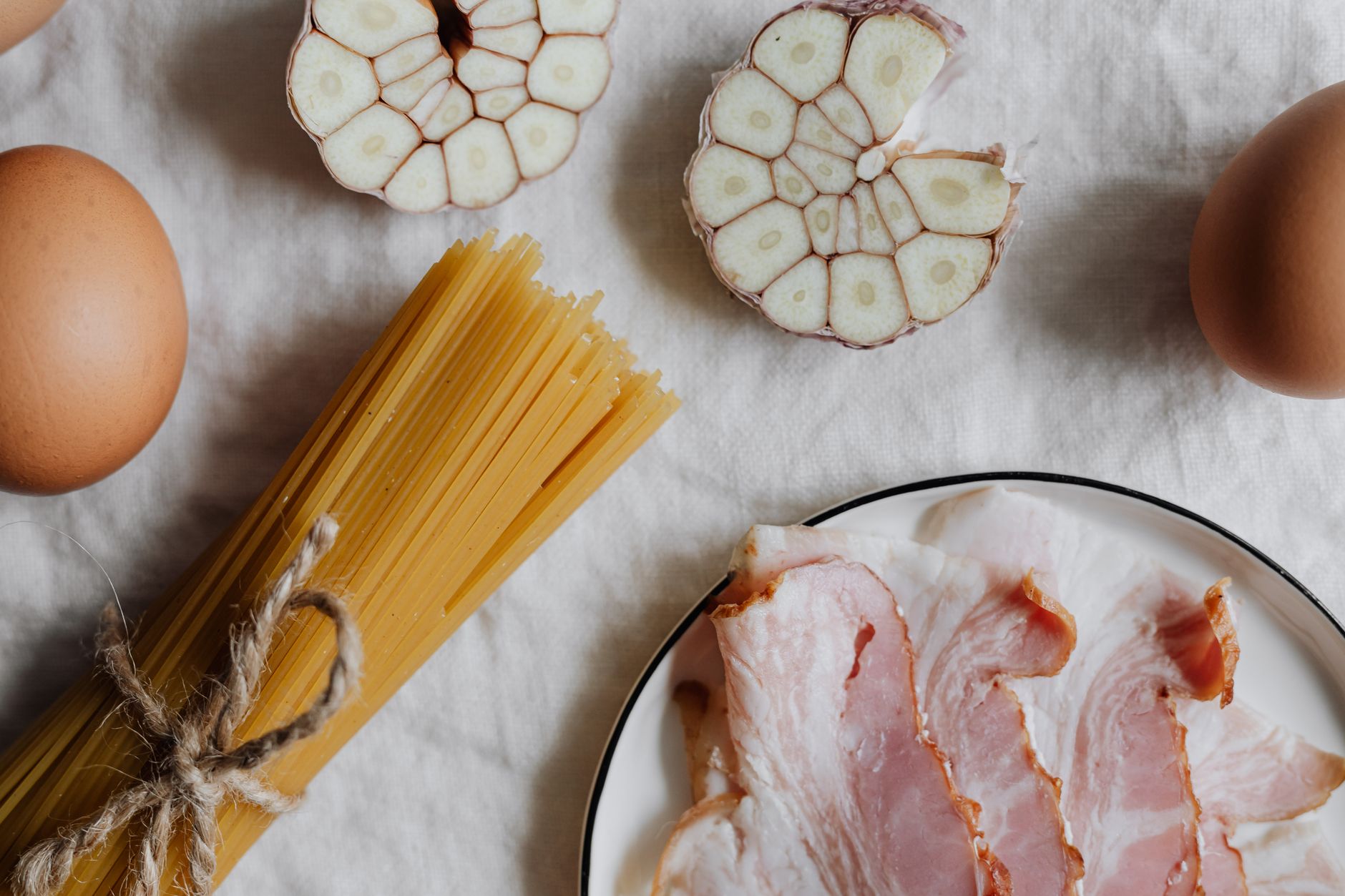
- 6 slices thick-cut bacon, cut into ½-inch pieces
- 2 tablespoons extra-virgin olive oil
- 3 cloves garlic, crushed
- ½ teaspoon minced fresh rosemary
- 2 red jalapeño peppers, seeded and minced (optional for heat)
- ¼ cup cognac or brandy (optional)
- 12 ounces spaghetti
- 3 large eggs
- ¾ cup freshly grated Parmesan cheese, plus extra for garnish
- ½ cup freshly grated Pecorino Romano cheese
- 2 tablespoons chopped fresh parsley
- Kosher salt, to taste
- Freshly ground black pepper, to taste
Equipment Needed
- Large pot for boiling pasta
- Large skillet or frying pan
- Mixing bowls
- Whisk
- Tongs or pasta fork
- Measuring cups and spoons
- Grater for cheese
Tips for Choosing Quality Ingredients
- Select thick-cut bacon or authentic Italian guanciale if available for rich flavor and texture.
- Use fresh, high-quality eggs—preferably organic—for a smooth, creamy sauce.
- Choose freshly grated Parmesan and Pecorino Romano cheeses over pre-grated for the best taste and melt.
- Pick durum wheat spaghetti for al dente bite and optimal sauce adherence.
- Opt for good extra-virgin olive oil with a fruity aroma to brighten the dish.
Step-by-Step Instructions
Step 1: Crisp the Bacon and Prepare the Flavor Base (12 minutes)
Start by heating a large skillet over medium-high heat. Add the bacon, olive oil, crushed garlic, rosemary, and jalapeños with ¼ cup water. Cook, stirring occasionally, until the water evaporates and the bacon turns golden and crispy, about 12 minutes. Remove and discard the garlic. If using, carefully add cognac to the pan, allowing it to flare up and cook down until fully evaporated. Reserve ¼ cup of this flavorful bacon mixture for garnishing later, then set the skillet aside.
Step 2: Cook Pasta to Perfection (8-10 minutes)
Meanwhile, bring a large pot of salted water to a rolling boil. Add spaghetti and cook according to package instructions until al dente, usually 8 to 10 minutes. Reserve ¼ cup of pasta cooking water before draining. This starchy water will help create the silky sauce later.
Step 3: Mix Creamy Egg and Cheese Sauce
In a bowl, whisk together the eggs, Parmesan cheese, Pecorino Romano, parsley, and freshly ground black pepper until smooth. This mixture will gently cook when combined with the hot pasta, creating carbonara’s signature creaminess.
Step 4: Combine Pasta and Sauce (3-4 minutes)
Return the skillet with the bacon mixture to medium-high heat. Add the drained pasta and toss to coat evenly. Remove the pan from heat and slowly whisk in reserved pasta water into the egg and cheese mixture. Immediately pour this sauce over the pasta while tossing quickly to ensure eggs do not scramble. The heat from the pasta cooks the sauce to a creamy, silky texture.
Step 5: Serve with Garnish
Divide the pasta into bowls or onto plates. Garnish with the reserved crispy bacon mixture and extra Parmesan cheese. Add a sprinkle of freshly ground pepper and chopped parsley for a fresh finish.
Variations & Substitutions
- Vegetarian Carbonara: Replace bacon with smoked mushrooms or sun-dried tomatoes for depth of flavor while keeping the sauce rich and creamy.
- Gluten-Free Version: Swap traditional spaghetti for gluten-free pasta made from rice or quinoa to accommodate dietary needs.
- Spicy Twist: Add extra jalapeños or a pinch of red pepper flakes during bacon cooking to boost heat without overwhelming the classic taste.
- Cheese Variations: Experiment with aged Asiago or Grana Padano cheeses if Parmesan or Pecorino Romano aren’t available.
Storage & Shelf Life
Store leftover carbonara in an airtight container in the refrigerator for up to 2 days. Avoid keeping it longer, as the creamy sauce can deteriorate and affect texture. For leftovers, reheat gently over low heat, stirring constantly, or use a microwave with short intervals to prevent the eggs from scrambling.
Freezing carbonara is not recommended because the sauce may separate and become grainy upon thawing. Watch for signs of spoilage such as off smells, changes in color, or slimy texture before consuming leftovers.
Pro Tips for Perfect Carbonara Every Time
- Use freshly grated cheeses for a smooth melt and superior taste.
- Temper the eggs by whisking in reserved pasta water before combining with hot pasta; this ensures a silky sauce instead of scrambled eggs.
- Cook the bacon slowly with aromatics to render fat without burning, which develops a balanced savory flavor.
- Toss pasta vigorously off the heat to coat strands evenly and create that signature creamy texture.
- Serve immediately after preparation to enjoy the sauce at its most luscious consistency.
When is the best time to eat Spaghetti Carbonara Recipe?
Spaghetti Carbonara shines as a cozy dinner option when you want quick, satisfying comfort food. It’s ideal for midweek meals or special weekend gatherings. The creamy texture and savory notes make it perfect for cooler evenings. Enjoy it fresh, as the sauce gets best right after cooking.
Can I use pancetta instead of bacon in this recipe?
Yes, pancetta is a traditional ingredient for carbonara and provides a milder, slightly sweeter flavor than bacon. Use the same amount and cooking method for authentic taste.
Is it necessary to use raw eggs in carbonara sauce?
The eggs are gently cooked by the residual heat of the pasta, creating a creamy sauce without scrambling. This method avoids additional cream and keeps the dish authentic. Be sure your eggs are fresh to minimize food safety risks.
Can I make this dish vegetarian?
Absolutely. Substitute the bacon with smoky mushrooms, roasted eggplant, or sun-dried tomatoes to replicate the umami flavor while keeping the creamy sauce intact.
Why does my carbonara sauce turn out lumpy or scrambled?
This often happens when eggs are added directly to hot pasta on heat. To avoid this, remove the pan from heat before adding the egg mixture and whisk in some reserved pasta water to temper the eggs before combining.
What pasta is best for carbonara?
Traditional recipes call for spaghetti, but fettuccine, bucatini, or rigatoni also work well because they hold the sauce beautifully. Choose quality durum wheat pasta for optimal texture.
Can I prepare carbonara sauce in advance?
Preparing the egg and cheese mixture ahead is possible, but it’s best to combine with pasta and bacon right before serving for freshness. The sauce doesn’t reheat well once combined.
How can I reduce the sodium content in carbonara?
Opt for low-sodium bacon or guanciale and reduce added salt in pasta water. Using fresh herbs and black pepper enhances flavor without extra sodium.
More Recipes You Will Love
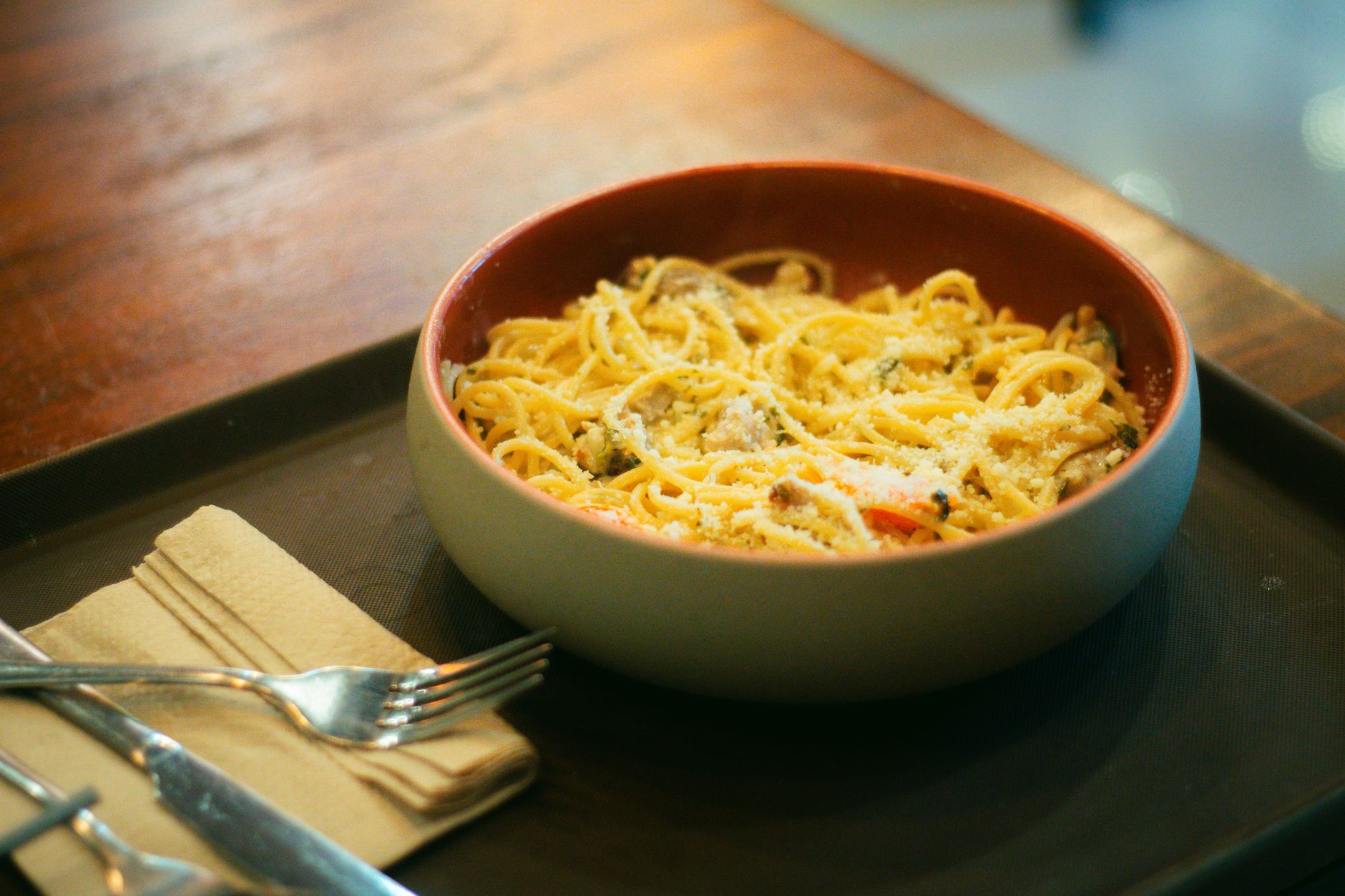
If you enjoy the silky richness of carbonara, you might also love experimenting with other classic Italian dishes. For a fresh, vibrant meal, the pasta primavera recipe delivers a light vegetable-packed pasta perfect for spring and summer.
For those who like bold, layered flavors on a crispy crust, try the savory pesto pizza with feta and artichokes. It’s a wonderful way to enjoy Italian flair beyond pasta.
Conclusion
This spaghetti carbonara recipe captures the essence of traditional Italian cooking with its creamy sauce and crispy, flavorful bacon. The simplicity of ingredients, combined with expert technique, makes it a dish you can recreate effortlessly in your own kitchen. Once you try it, you’ll appreciate how a few quality components can deliver such a memorable meal. Share your experiences or tip us on your favorite carbonara twists in the comments below. Your perfect plate awaits!
FAQs
When is the best time to eat Spaghetti Carbonara Recipe?
Spaghetti Carbonara is perfect for lunch or dinner, especially when you want a comforting yet quick meal. It works well as a hearty weeknight dinner or when hosting guests for a classic Italian dish.
Can I make Spaghetti Carbonara Recipe gluten-free?
Yes, you can use gluten-free spaghetti as a substitute to make this recipe gluten-free while keeping the authentic flavors intact. Ensure other ingredients also meet gluten-free standards.
Is it safe to use raw eggs in Spaghetti Carbonara Recipe?
For safety, use fresh, high-quality eggs and cook the pasta before mixing so the residual heat gently cooks the eggs, creating a creamy sauce without scrambling. Pregnant individuals should ensure eggs are fully cooked.
What cheese is traditionally used in Spaghetti Carbonara Recipe?
The traditional cheeses are freshly grated Parmesan and Pecorino Romano. They add salty, savory depth and help create the creamy texture characteristic of classic carbonara sauce.
Can I add vegetables to Spaghetti Carbonara Recipe?
While traditional carbonara doesn’t include vegetables, you can add extras like peas or spinach for variation. Keep in mind this changes the classic profile but adds freshness and color.