Quick answer: to thicken soup fast, stir in a starch slurry, a roux, or pureed veggiespick the method that matches whats already in your pantry. Each technique adds body, improves mouthfeel, and keeps the flavor bright without turning your broth into a gummy mess.
Thats the good part. The tricky part is balancing the benefits (richer texture, fuller taste) with the risks (grainy lumps, floury aftertaste). Below you'll discover the why, the how, and the pitfalls, so you can confidently make soup thicker every time you stir the pot.
Why Soups Thin
Most of us have poured a steaming bowl of soup only to discover its as thin as water. The usual culprits are:
- Overdilution with too much stock or water.
- Low-starch ingredients like carrots, celery, or lean broth.
- Long, gentle simmering that breaks down any natural thickening agents.
When a soup needs that comforting, spoon-coating consistencythink creamy potato soup, hearty vegetable chowder, or a silky bisqueknowing how to make soup thicker becomes a kitchen superpower.
Whats the ideal soup viscosity?
The classic test: dip a spoon into the soup and lift it. If the liquid clings to the back of the spoon and slides slowly, youve hit the sweet spot. Anything that slides off immediately is too thin; if it clumps thickly and sticks, youve gone overboard.
How does temperature affect thickening?
Heat activates starches. A cold slurry will stay smooth, but once it hits a gentle boil, the starch gelatinizes and the soup gains body. However, too high a boil can break the gel, sending your soup back to wateryland.
Quick visual cue
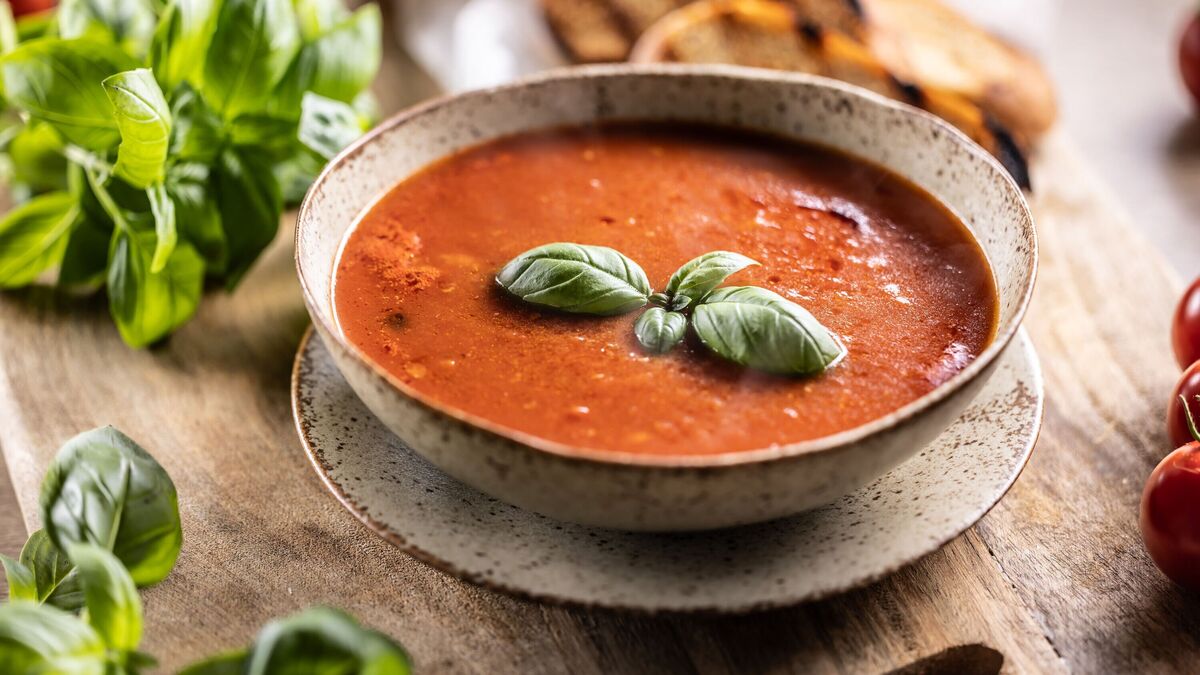
Imagine coating the back of a spoon with a thin layer of melted chocolatesmooth, glossy, and just enough to stay without dripping. Thats the texture youre aiming for.
| Soup Type | Typical Thickness | Desired Spoon Test |
|---|---|---|
| Clear broth | Thin | Slides off quickly |
| Vegetable chowder | Medium | Coats spoon, slow drip |
| Bisque / Puree | Thick | Sticks, little movement |
Starch Techniques
Starches are the workhorses of thickening. Whether you reach for flour, cornstarch, or a gluten-free alternative, the principle is the same: gelatinize the starch molecules so they trap water and create a velvety network.
How to Make Soup Thicker with Flour
Flour is classic, reliable, and already sits in most pantries. There are two main ways to use it:
- Roux method: Melt 1Tbsp butter in a saucepan, whisk in 1Tbsp all-purpose flour, cook 23 minutes until it turns a light golden hue. This extra step removes the raw flour taste and adds a nutty richness.
- Flour slurry: Mix 1Tbsp flour with 23Tbsp cold soup broth (or water) until smooth, then whisk into the hot pot.
Both create a smooth, thickened basegreat for cream soups, chowders, and even a quick gravy.
Expert tip
Cook the roux longer (up to 5 minutes) if you want a deeper, toasted flavor. Just keep stirring, or youll risk burning it.
How to Make Soup Thicker with Cornstarch
Cornstarch gives a glossy, almost translucent bodyperfect for clear soups or Asian-style broths. Heres the classic slurry:
- 1Tbsp cornstarch + 1Tbsp cold water = 1Tbsp slurry (enough to thicken about 1 cup liquid).
- For a light body, use 1tsp per cup of soup; for a thick, velvety finish, double that.
When you add the slurry, bring the soup to a gentle boil, then simmer for just 23 minutes. Remove from heat as soon as it reaches the desired consistency.
How much cornstarch to thicken soup?
Think of it as a ratio: 1tsp cornstarch per cup of liquid yields a sauce-like thickness; 2tsp per cup gives a hearty, stew-like body. Adjust in small incrementsonce youre over, theres no easy way to thin it back out.
Non-Flour, Non-Cornstarch Options
If youre avoiding both flour and cornstarch (maybe gluten-free, or just running low), you still have some solid alternatives:
- Arrowroot powder: Same slurry method; works best at low heat and leaves a clear finish.
- Tapioca starch: Gives a slightly chewy texture; ideal for tropical-flavored soups.
- Rice flour: Mild flavor, works well in Asian-style broths.
All behave similarlymake a cold slurry, stir in, and heat gently.
Safety note
Never dump a dry starch straight into hot liquid; youll get lumps faster than a bad karaoke night.
Non-Starch Options
Sometimes you want thickness without any added starchmaybe youre on a low-carb plan, or you just love the flavor boost that vegetables bring. Below are the most popular natural methods.
How to Thicken Soup with Pureed Vegetables
Pureeing cooked veggies not only adds body but also layers of flavor. Potato, cauliflower, carrots, and even pumpkin work wonders.
Step-by-step: Thickening Potato Soup
- Cook diced potatoes until fork-tender (about 15 minutes).
- Scoop out 1 cup of potatoes, blend with 1 cup of the cooking liquid until smooth.
- Stir the puree back into the pot, heat for 5 minutes, and season to taste.
The result is a silky, hearty bowl that feels like a warm hug on a cold day.
How to Thicken Soup with Milk
Milk, especially whole or 2% milk, can add creaminess while providing a subtle sweet note. The trick is to avoid curdling:
- Heat the soup to no more than 80C (176F) before adding milk.
- Whisk in 1/2 cup milk slowly, stirring constantly.
- For an ultra-rich texture, first make a small roux (1Tbsp butter + 1Tbsp flour) then stir in the milk.
If youre dairy-free, swap in coconut milk or oat milkthe same principle applies.
How to Thicken Soup Without Flour or Cornstarch
When both traditional starches are off-limits, consider these tricks:
- Cooked grains: A handful of rice, barley, or quinoa releases starch as it softens.
- Legumes: Mash a spoonful of cooked lentils or beans into the broth.
- Nut butter: A tablespoon of almond or cashew butter can thicken and add a nutty depth.
These methods keep the soup wholesome and often boost its nutritional profile.
Comparison Table Starch vs. Vegetables vs. Grains
| Method | Time to Thicken | Flavor Impact | Best For |
|---|---|---|---|
| Flour/Roux | 57 min | Mild, buttery | Cream soups |
| Cornstarch Slurry | 23 min | Glossy, neutral | Clear broths |
| Pureed Veg | 510 min | Earthy, hearty | Potato, cauliflower |
| Grains/Pasta | 1520 min | Subtle, adds body | Rustic stews |
Troubleshooting
Even seasoned cooks hit a snag now and then. Below are the most common hiccups and how to fix them.
Soup Still Too Thin After Thickener
When your first slurry doesnt do the trick, simply repeat with half the original amount. Remember, its easier to add more than to chase it out.
Gummy or Lumpy Texture
This usually means youve overcooked the starch. Reduce the heat, whisk vigorously, or blend with an immersion blender to smooth out any clumps.
Flavor Loss When Using Flour or Starch
Starches are flavor carriers but can mute seasoning if you add too much. After thickening, taste and adjust with a pinch of salt, a splash of acid (lemon juice or vinegar), or fresh herbs.
Quick-Fix Checklist
- Check pot temperature (gentle simmer, not rolling boil).
- Confirm slurry ratio (1Tbsp starch to 23Tbsp liquid).
- Taste for raw flour; if present, cook a little longer.
Pro Chef Tips (Authority Boost)
We asked a culinary instructor from the Institute of Culinary Education for her go-to advice.
When I need a glossy finish for a consomm, Ill always reach for a cornstarch slurry. For richer, buttery soups I start with a rouxcooking it until it reaches a light amber gives a subtle nutty note that elevates the entire dish. Chef Maya L., Instructor
According to the USDA, the gelatinization temperature for most starches sits between 6272C, reinforcing why a gentle boil is the sweet spot for thickening without breaking the gel.
The National Agricultural Library also emphasizes that using whole-grain flours introduces more fiber, which can affect texture but provides a healthier alternative for health-conscious cooks.
Conclusion
Whether you reach for flour, cornstarch, or a humble handful of pureed potatoes, knowing how to make soup thicker gives you control over every bowl you serve. Remember the basic rule: starch + cold slurry + gentle boil = silky success. Pair that with a pinch of seasoning, and youve got a soup that feels like a warm embrace.
Give one of these methods a try tonightmaybe start with a simple potato puree, or if youre feeling adventurous, whisk in a cornstarch slurry for that glossy finish. Wed love to hear which technique you favorite, so feel free to share your experience or ask any lingering questions. Happy simmering!
FAQs
What is the best thickener for clear soups?
For crystal‑clear broths, a cornstarch slurry (1 tsp cornstarch mixed with 1 tsp cold water per cup of liquid) gives a glossy, neutral body without clouding the stock.
How much flour should I use to thicken a pot of soup?
Start with 1 Tbsp of flour per cup of liquid. Make a smooth slurry with cold broth, then whisk it in and simmer 2–3 minutes. Add more in small increments if needed.
Can I thicken soup without using starch?
Yes. Pureed cooked vegetables (potato, cauliflower, carrots), cooked grains, mashed legumes, or a dab of nut butter all add body while boosting flavor and nutrition.
Why does my soup become lumpy when I add cornstarch?
Lumps form when the starch meets hot liquid directly. Always dissolve cornstarch in an equal amount of cold water (or broth) before stirring the slurry into a gently simmering pot.
How long should I simmer after adding a thickener?
After the thickener is incorporated, simmer 2–5 minutes for flour‑based roux or slurry, and just 1–2 minutes for cornstarch or arrowroot. Longer cooking can break the gel and thin the soup again.