Making your own recipes for diabetic smoothies can completely change how you manage blood sugar while still enjoying tasty, satisfying drinks. Using the right balance of fiber, healthy fats, and low-glycemic fruits keeps these smoothies blood sugar friendly without sacrificing flavor. The key is choosing ingredients that stabilize glucose and avoid sudden spikes all blended into creamy, refreshing goodness.
Why These Recipes Work
What Ingredients Help Regulate Blood Sugar in These Smoothies?
Each recipe combines ingredients that slow sugar absorption or improve insulin sensitivity. For example, berries offer antioxidants and fiber with low glycemic impact. Avocados provide healthy monounsaturated fats that promote satiety and steady blood glucose. Leafy greens like spinach add bulk without added carbs, reducing overall glycemic load.
Incorporating nuts or seeds adds protein and fats that further blunt blood sugar spikes after drinking. Using unsweetened plant-based milk or Greek yogurt gives creaminess without unnecessary sugars. Finally, spices like cinnamon may help lower blood sugar according to emerging research from the Journal of Nutritional Biochemistry 2023.
How Fiber and Healthy Fats Make a Difference for Diabetics Type 2
Fiber is the unsung hero in blood sugar control. Soluble fiber dissolves in water to form a gel-like substance, slowing digestion and glucose absorption. Healthy fats, like those in nut butters or flaxseed, help you feel full longer while offering anti-inflammatory benefits. This combo helps reduce insulin spikes and cravingscrucial for type 2 diabetes management.
Why Avoiding Added Sugars and Juices Matters
Many store-bought smoothies are loaded with added sugars or fruit juices that cause rapid blood sugar surges. These spikes undo the benefits of fiber and fats. Homemade diabetic smoothies eliminate this risk by controlling every ingredient, so you know exactly whatand how muchsugar you consume.
Ingredients Overview
| Prep time | Total time | Servings | Calories | Diet tags |
|---|---|---|---|---|
| 10 minutes | 10 minutes | 2 | 220280 | Gluten-free, Low-carb, Vegan options |
Key Diabetic-Friendly Ingredients and Their Benefits
- Avocado: Adds creaminess and healthy fat that supports blood sugar stability.
- Frozen Berries: Blueberries, raspberries, and strawberries provide antioxidants with low glycemic load.
- Spinach or Kale: Leafy greens add fiber and nutrients with almost no calories or carbs.
- Chia or Flaxseeds: Excellent sources of fiber and omega-3s that help reduce inflammation.
- Unsweetened Almond Milk: Low in carbs, a great base liquid without added sugars.
- Greek Yogurt: Adds protein and beneficial probiotics (use plain, no added sugar).
With these ingredients on hand, your diabetic smoothies not only taste great but support your glucose management effectively.
Ingredient Substitutions
If avocados arent your thing or unavailable, try silken tofu for a similar creamy texture with protein. For leafy greens, watercress or swiss chard also work. Unsweetened coconut milk can replace almond milk but watch portions as it has more fat. If you prefer dairy-free, swap Greek yogurt with coconut or soy yogurt, ensuring they have no added sugars.
| Fruit | Net Carbs (per 100g) | Glycemic Index (GI) |
|---|---|---|
| Strawberries | 7.7g | 40 |
| Blueberries | 12.1g | 53 |
| Raspberries | 5.4g | 32 |
| Banana (ripe) | 20.2g | 51 |
| Apple | 11.4g | 38 |
Step-by-Step Preparation
Preparing Ingredients for Best Nutrition and Texture
Start by measuring your frozen fruits and spinach accurately. Frozen berries work best because they retain freshness and chill your smoothie pleasantly. Peel and slice half an avocado or scoop out silken tofu. If using flaxseeds whole, grind them to release nutrients during blending.
Blending Instructions
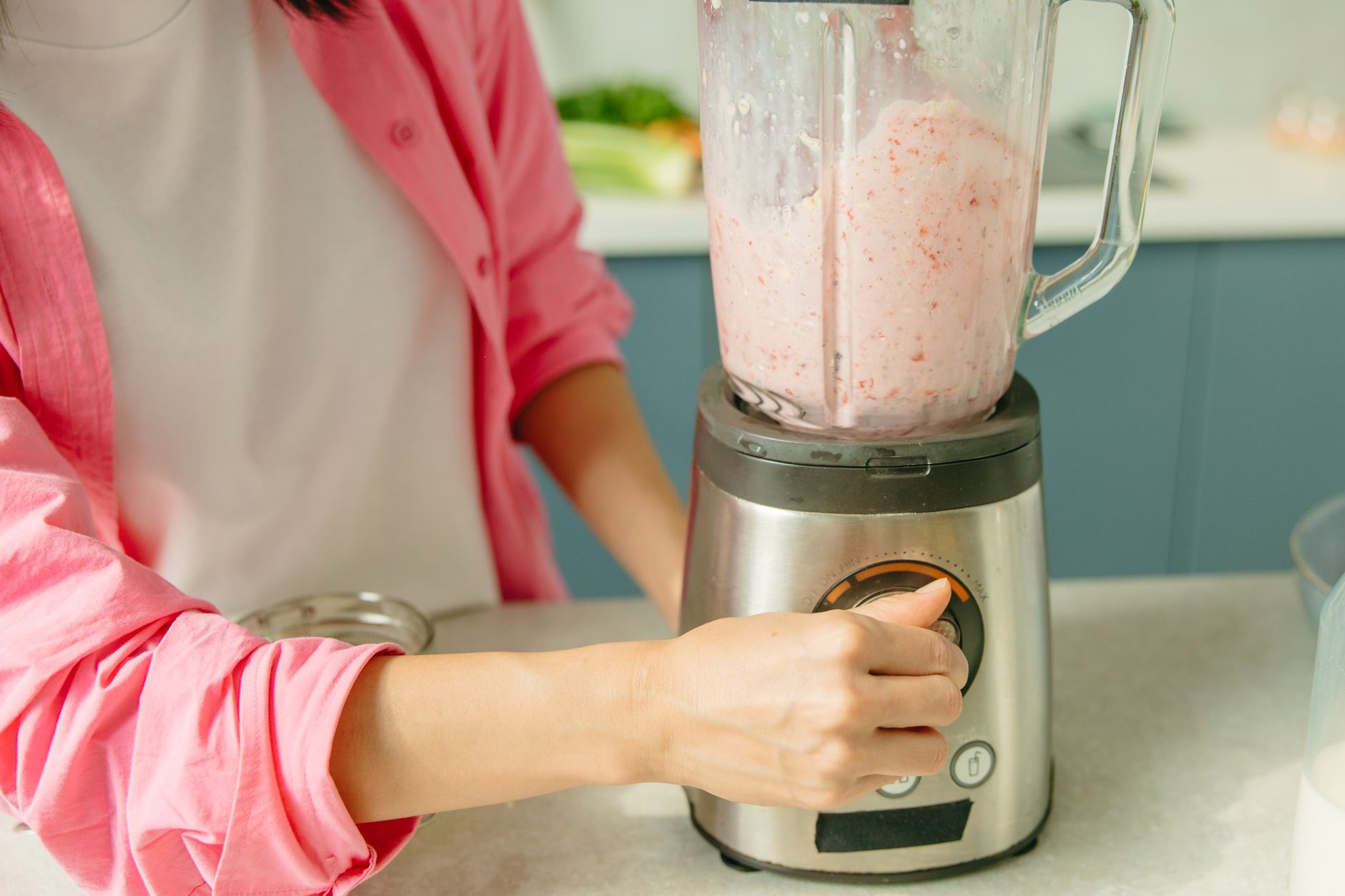
Use a high-speed blender for optimal texture. Add liquid first around 1 cup of unsweetened almond milk per serving ensures smooth blending. Next, add the greens, then fruits and avocado. Blend on medium-high speed for 45 seconds. Check consistency: add 12 tablespoons of water if too thick or a few ice cubes for extra chill before pulsing an additional 15 seconds.
Common Mistakes to Avoid
- Avoid overloading with fruit. More than 1 cup per smoothie can spike blood sugar.
- Dont add fruit juices or sweetened yogurtsuse unsweetened versions only.
- Watch portion sizes closely; even healthy smoothies can add calories if portions are large.
Following these tips ensures your diabetic smoothie remains balanced and enjoyable.
Variations for Special Diets
Vegan and Dairy-Free Options
Replacing Greek yogurt with coconut or soy yogurt keeps it vegan and creamy. Add a tablespoon of nut butter for extra protein. Use plant-based milks like oat, hemp, or almond. Keep unsweetened labels to avoid sugar spikes.
Low-Carb Adjustments
Stick mainly with leafy greens, avocado, and seeds, limiting fruit to low-glycemic berries under cup. Use water or coconut water instead of milk to slash carbs. This keeps smoothies ideal for ketogenic or strict low-carb plans.
Green Smoothies Without Bitterness
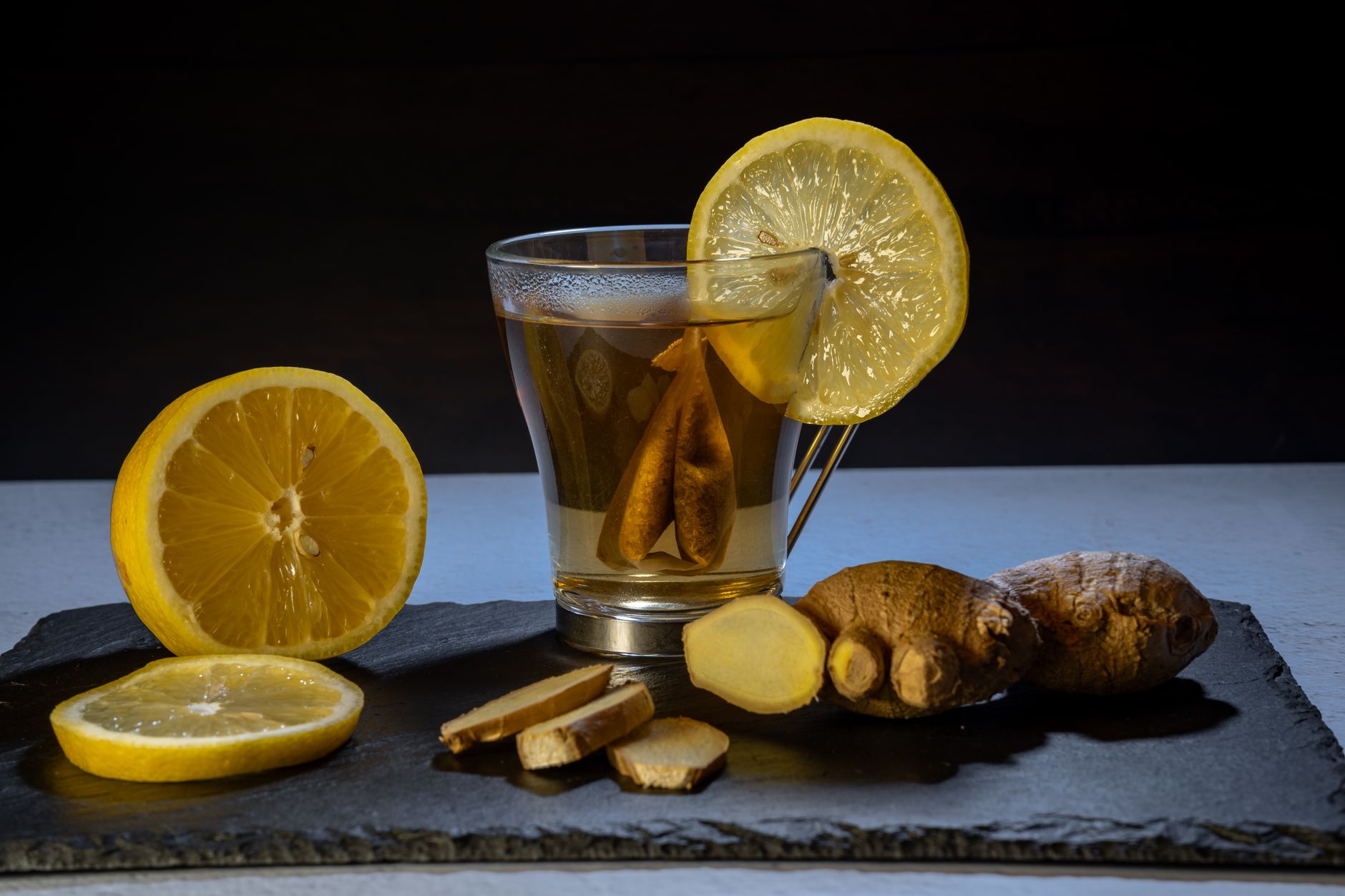
Add citrus zest or a squeeze of orange juice (no added sugar) to brighten flavor. A small amount of fresh ginger or cinnamon mask the earthy taste of greens. Blending frozen fruits thoroughly ensures smooth, sweet texture that balances greens well.
Try these easy diabetic smoothie recipes to mix and match your favorites for refreshing variety.
Serving Suggestions
Best Times to Enjoy Smoothies
Breakfast or mid-morning snack are prime times for diabetic smoothies. They offer fiber, protein, and healthy fats that fuel energy and curb hunger. Post-workout smoothies with a protein boost help recovery without spiking glucose.
Pairing for Balanced Meals
Pair your smoothie with a small handful of nuts or a boiled egg to add protein and fat. This combo slows digestion and keeps you satisfied longer. Avoid pairing with sugary snacks or refined carbs that may counteract the benefits.
Portion Control Tips
Keep servings between 8 to 12 ounces depending on your calorie needs. Using smaller glasses helps avoid unintentional extra intake. Measuring ingredients until you know your ideal portion is a good practice.

Storage and Make-Ahead Tips
Preparing Smoothies in Advance
You can pre-package dry ingredients into freezer bags for quick blending. However, fully blended smoothies are best made fresh. If you must prepare ahead, keep smoothie refrigerated in an airtight container.
Storage Guidelines
Refrigerate leftovers for 4 to 5 days at 38F (3C). Before drinking, stir well to recombine separated ingredients. Avoid leaving smoothies at room temperature longer than 2 hours for food safety.
Reheating and Refreshing Smoothies
Reheating isnt usually recommended as heat breaks down nutrients and alters texture. Instead, add a splash of cold water or milk and blend briefly for a refreshed taste and creamy consistency.
Pro Tips for Smoothie Success
- Balance sweetness: Use ripe frozen berries for natural sweetness. Add a pinch of cinnamon or vanilla extract without extra sugar.
- Texture fix: Too watery? Add half an avocado or a spoonful of chia seeds to thicken within 12 minutes soaking time.
- Freshness boost: Add fresh mint or basil for extra aroma that complements greens and berries.
- Extraction tip: Grind flaxseeds just before blending to maximize omega-3 availability.
- Flavor upgrade: A tiny pinch of sea salt enhances flavor depth and balances sweetness beautifully.

When is the best time to drink recipes for diabetic smoothies?
The best time is during breakfast or as a mid-morning snack when your body can efficiently use the nutrients for energy. Drinking them post-workout also helps with muscle recovery while avoiding blood sugar spikes from more processed snacks.
Can I include bananas if I have type 2 diabetes?
Bananas are higher in carbs, so limit to small portionsabout of a banana per smoothieor choose less ripe bananas, which have a lower glycemic index. Combining with fiber and fats helps reduce blood sugar impact.
Are smoothies better than whole fruits for blood sugar control?
Whole fruits generally slow sugar absorption better because of intact fiber. However, diabetic smoothies made with whole fruits, fiber, protein, and fats can offer similarly balanced blood sugar benefits when ingredients are chosen carefully.
How many calories should diabetic smoothies have for weight loss?
Keep smoothies between 180300 calories depending on your daily needs. Including protein and healthy fats increases satiety. Always adjust portion size and ingredients to stay within your total calorie goals.
Where can I find diabetic smoothie recipes PDF or recipe books?
Look for downloadable recipe PDFs from trusted diabetes organizations or diabetes-friendly cookbooks. Many bloggers provide free printable versions on their sites for easy offline access.
What are the best green smoothies for diabetics type 2?
Green smoothies featuring leafy greens, avocado, frozen berries, chia seeds, and unsweetened almond milk work best. Adding cinnamon or ginger enhances flavor and may improve glucose metabolism according to research.
Is it safe to use artificial sweeteners in diabetic smoothies?
Artificial sweeteners are generally safe in moderation but may affect gut health or cravings in some people. Natural sweetening with berries or spices is often a better choice.
For more inspiration, try these easy diabetic smoothie recipes that keep things simple and nourishing. And if you want a hearty meal at home, check out this Garlic and herb steak recipe for a savory option.
More Recipes
If you enjoy experimenting with flavors, the Triple xxx root beer cake offers a unique sweet treat with nostalgic flair. For wholesome meal ideas beyond smoothies, the garlic and herb steak recipe pairs well with steamed vegetables or a light salad.
Conclusion
These recipes for diabetic smoothies prove you dont have to compromise flavor while managing blood sugar. With simple ingredients and easy steps, you can whip up creamy, nutritious drinks tailored to your needs. Try the recipes, customize your favorites, and let us know how they work for youyour perfect smoothie awaits.
FAQs
When is the best time to drink recipes for diabetic smoothies?
The best times to drink diabetic smoothies are at breakfast or mid-morning when your body efficiently uses the nutrients for energy. They also work well post-workout for muscle recovery without causing blood sugar spikes.
Can I include bananas if I have type 2 diabetes?
You can include bananas but limit portion size to about a quarter of a banana per smoothie. Choosing less ripe bananas with lower glycemic index and pairing with fiber and healthy fats helps reduce blood sugar impact.
Are smoothies better than whole fruits for blood sugar control?
Whole fruits generally slow sugar absorption better due to intact fiber. However, smoothies made with whole fruits plus fiber, protein, and healthy fats can offer similar blood sugar control when ingredients are carefully selected.
How many calories should diabetic smoothies have for weight loss?
Diabetic smoothies should contain between 180 to 300 calories depending on your daily goals. Including protein and healthy fats boosts satiety, so adjust portion size and ingredients to fit your calorie needs.
Is it safe to use artificial sweeteners in diabetic smoothies?
Artificial sweeteners are generally safe in moderation but may affect gut health or cravings in some individuals. Using natural sweetness from berries or spices like cinnamon is often a healthier choice.