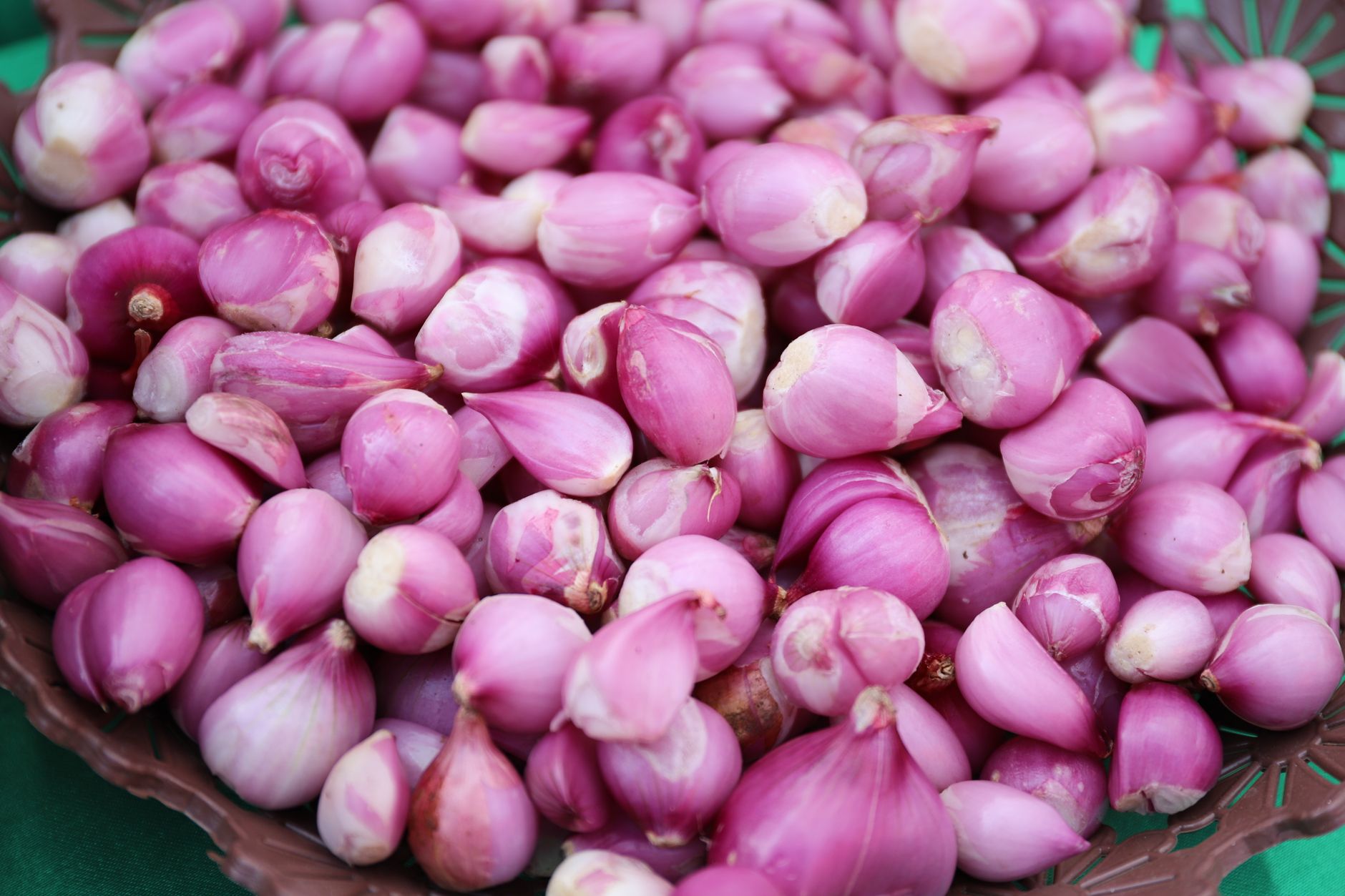
Why Shallot Vinaigrette Recipe?
The sharp, delicate bite of shallots paired with the tangy zest of vinegar creates a vinaigrette that awakens your taste buds with every drizzle. This shallot vinaigrette recipe brings a fresh burst of flavor to salads, roasted vegetables, and even grilled proteins. The pungent aroma of minced shallots mixes beautifully with creamy Dijon mustard and smooth extra-virgin olive oil, making it a versatile dressing you’ll want to keep on hand. Its simple ingredients form a harmonious balance of tanginess and subtle sweetness that brightens up even the most basic dishes.
Health Benefits & Nutrition
Shallot vinaigrette does more than enhance flavors; it offers notable health perks. Shallots are rich in antioxidants like quercetin, which studies suggest may reduce inflammation and support cardiovascular health. The olive oil provides heart-healthy monounsaturated fats that help improve cholesterol levels and lower blood pressure, according to research from the American Heart Association. Vinegars, especially wine or sherry vinegar, contribute acetic acid, which some research ties to improved blood sugar regulation. This vinaigrette contains no cholesterol and minimal carbohydrates, making it suitable for low-carb and heart-conscious diets. However, if you have allergies to sulfur-containing vegetables like onions or garlic, proceed with caution. Also, consult your healthcare provider if you’re on blood-thinning medications.
Ingredients & Preparation
Recipe Card
| Prep Time | 10 minutes |
|---|---|
| Total Time | 10 minutes |
| Servings | 8 servings (about 1 cup) |
| Calories (per serving) | 164 kcal |
| Diet Tags | Gluten-Free, Vegetarian, Keto-Friendly |
Full Ingredient List
- 1/4 cup white wine vinegar, champagne vinegar, or aged sherry wine vinegar
- 2 to 3 teaspoons Dijon mustard
- 1 teaspoon kosher salt
- Freshly ground black pepper, to taste
- 2 tablespoons finely minced shallots
- 2/3 cup extra-virgin olive oil
Equipment Needed
- Small mixing bowl
- Whisk
- Measuring spoons and cups
- Sharp knife for mincing shallots
- Storage jar or airtight container
Tips for Choosing Quality Ingredients
- Pick firm shallots with smooth, papery skins—avoid any soft spots to ensure fresh flavor.
- Select extra-virgin olive oil labeled cold-pressed for optimal taste and health properties.
- Opt for a high-quality vinegar such as champagne or aged sherry for a complex tanginess.
- Use fresh Dijon mustard with visible mustard seeds for a robust, creamy base.
Step-by-Step Instructions
Step 1: Combine Vinegar and Mustard (2 minutes)
In your small bowl, whisk together 1/4 cup of your vinegar choice and 2 to 3 teaspoons Dijon mustard until fully blended and creamy.
Step 2: Season (1 minute)
Add 1 teaspoon kosher salt and freshly ground black pepper to taste. Whisk until the salt dissolves completely to build a well-seasoned foundation.
Step 3: Stir in Shallots (2 minutes)
Finely mince 2 tablespoons of shallots and fold them into the vinegar mixture. This releases their sharp, aromatic character into the dressing.
Step 4: Emulsify with Olive Oil (4–5 minutes)
Slowly drizzle in 2/3 cup extra-virgin olive oil while whisking vigorously. Continue until the vinaigrette thickens and forms a smooth, golden emulsion with a glossy texture.
Step 5: Store or Serve (1 minute)
Use your shallot vinaigrette immediately to dress your greens or vegetables. To save, transfer to an airtight container and refrigerate.

Variations & Substitutions
Customize your shallot vinaigrette to suit your palate or dietary needs with these options:
- Vinegar swap: Substitute apple cider vinegar for a fruitier tang or balsamic vinegar for a sweeter depth.
- Mustard alternative: Use whole grain mustard for added texture or honey mustard for a touch of sweetness.
- Oil options: Try avocado oil for a buttery flavor or walnut oil to add a subtle nutty note.
- Add herbs: Fresh thyme, tarragon, or parsley folded in after whisking add herbal freshness.
- Make it creamy: Stir in a tablespoon of Greek yogurt or mayonnaise for a richer, creamier dressing.
Storage & Shelf Life
Keep your shallot vinaigrette refrigerated in a sealed container. It stays fresh for up to 7 days. Before each use, give it a good shake or whisk as the oil and vinegar naturally separate.
Freezing is not recommended as the emulsion may break, and the texture can become grainy once thawed. Always check for signs of spoilage such as off smells, discoloration, or mold before use.
Pro Tips
- Use a sharp knife and mince shallots finely to release maximum flavor without overwhelming harshness.
- Whisk oil in slowly to create a stable emulsion that won’t separate quickly.
- If you want a silky texture, strain the vinaigrette through a fine sieve to remove shallot bits.
- To mellow sharpness, let the vinaigrette rest at room temperature for 15 minutes before serving.
- Use light-colored vinegars to keep the vinaigrette visually appealing and versatile with various dishes.
When is the best time to use Shallot Vinaigrette Recipe?
The vinaigrette shines when freshly made, ideally within the first day or two. It’s perfect drizzled over crisp salads, roasted veggies, or grilled fish to add vibrant acidity and a subtle shallot punch. You can also use it as a marinade or dipping sauce. For best flavor, avoid letting it sit out in warm temperatures for long.
Can I prepare this vinaigrette ahead of time?
Yes, making the vinaigrette ahead is convenient. Store it well-covered in the fridge for up to a week. Remember to whisk or shake before serving to recombine separated ingredients.
Is this recipe suitable for keto or low-carb diets?
Absolutely. With minimal carbohydrates and healthy fats from olive oil, this vinaigrette fits perfectly into keto and low-carb meal plans.
What can I do if the vinaigrette is too sharp or acidic?
Add a small pinch of sugar or a drizzle of honey to balance the acidity. Alternatively, mixing in a bit more olive oil softens the sharp tang while maintaining flavor.
Can I use red onions instead of shallots?
Red onions have a stronger, more pungent flavor. If substituting, use less quantity and finely mince to avoid overpowering the vinaigrette’s delicate balance.
Does the type of vinegar affect the flavor much?
Yes, choosing between white wine, champagne, or sherry vinegar changes the dressing’s character. Champagne vinegar offers subtle fruitiness, sherry provides deeper, nuttier undertones, and white wine vinegar brings a crisp, clean acidity.
Is the vinaigrette safe for people with allergies?
Shallots belong to the allium family and may trigger sensitivities in some. If you have allergies to onions or garlic, consult a healthcare provider before consuming to avoid adverse reactions.
How can I make the vinaigrette thicker?
Whisk in a teaspoon of mustard or blend the vinaigrette briefly in a blender to create a creamier, thicker texture that clings better to salads.

More Recipes You Will Love
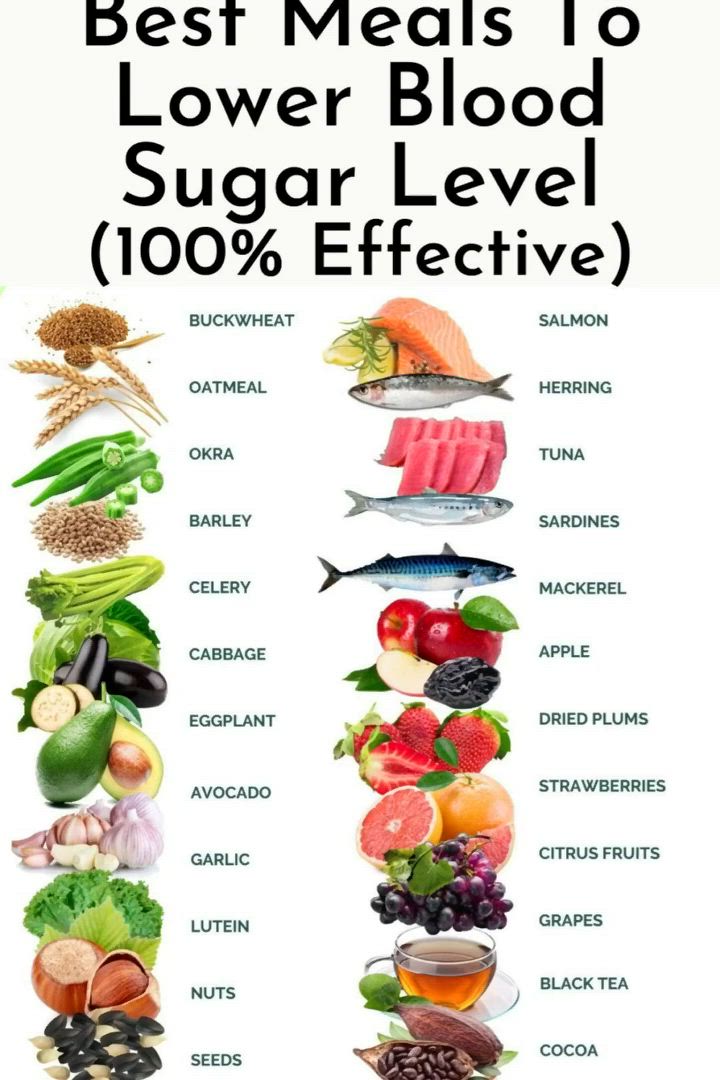
If you enjoy this shallot vinaigrette recipe, explore other vibrant dressings and healthy dishes to elevate your table. Try a zesty lemon-tahini dressing for creamy salads or a classic balsamic vinaigrette for an earthy, tangy kick. For plant-based meal ideas, check out our in-depth Diabetes plant name guide that offers insight on balancing flavors with nutrition here.
Looking for soothing treats? Our article on Sore throat only at night covid discusses comforting foods and drinks that can complement your meals, especially during recovery.
Conclusion
This shallot vinaigrette recipe is your go-to for a quick, flavorful, and healthful dressing that transforms simple dishes into culinary delights. Its bright acidity, creamy texture, and aromatic shallots make it a staple you’ll return to again and again. Feel free to share your experience, rate the recipe, or leave a comment to let others know your favorite way to enjoy this classic vinaigrette.
FAQs
When is the best time to use Shallot Vinaigrette Recipe?
The best time to use Shallot Vinaigrette Recipe is right before serving salads, roasted vegetables, or grilled proteins. Its fresh and tangy flavor is most vibrant when freshly whisked and applied just before eating to maximize brightness and aroma.
Can I prepare Shallot Vinaigrette Recipe in advance?
Yes, you can prepare the vinaigrette a day ahead. Store it in an airtight container in the refrigerator and whisk well before using, as separation may occur. This helps the flavors meld, enhancing the overall taste.
Is Shallot Vinaigrette Recipe suitable for low-carb or keto diets?
Absolutely. This recipe contains minimal carbohydrates and no cholesterol, making it ideal for keto and low-carb eating plans. The healthy fats from extra-virgin olive oil also support these diets well.
What kind of vinegar works best in Shallot Vinaigrette Recipe?
The recipe shines with white wine vinegar, champagne vinegar, or aged sherry vinegar. These vinegars provide a balanced tanginess and subtle complexity that complements the shallots without overpowering the dressing.
Can I substitute shallots with other ingredients in this vinaigrette?
While shallots give a unique mild onion flavor, you can substitute with finely minced red onions or green onions if needed. However, the flavor profile will differ slightly, potentially making the vinaigrette less delicate.