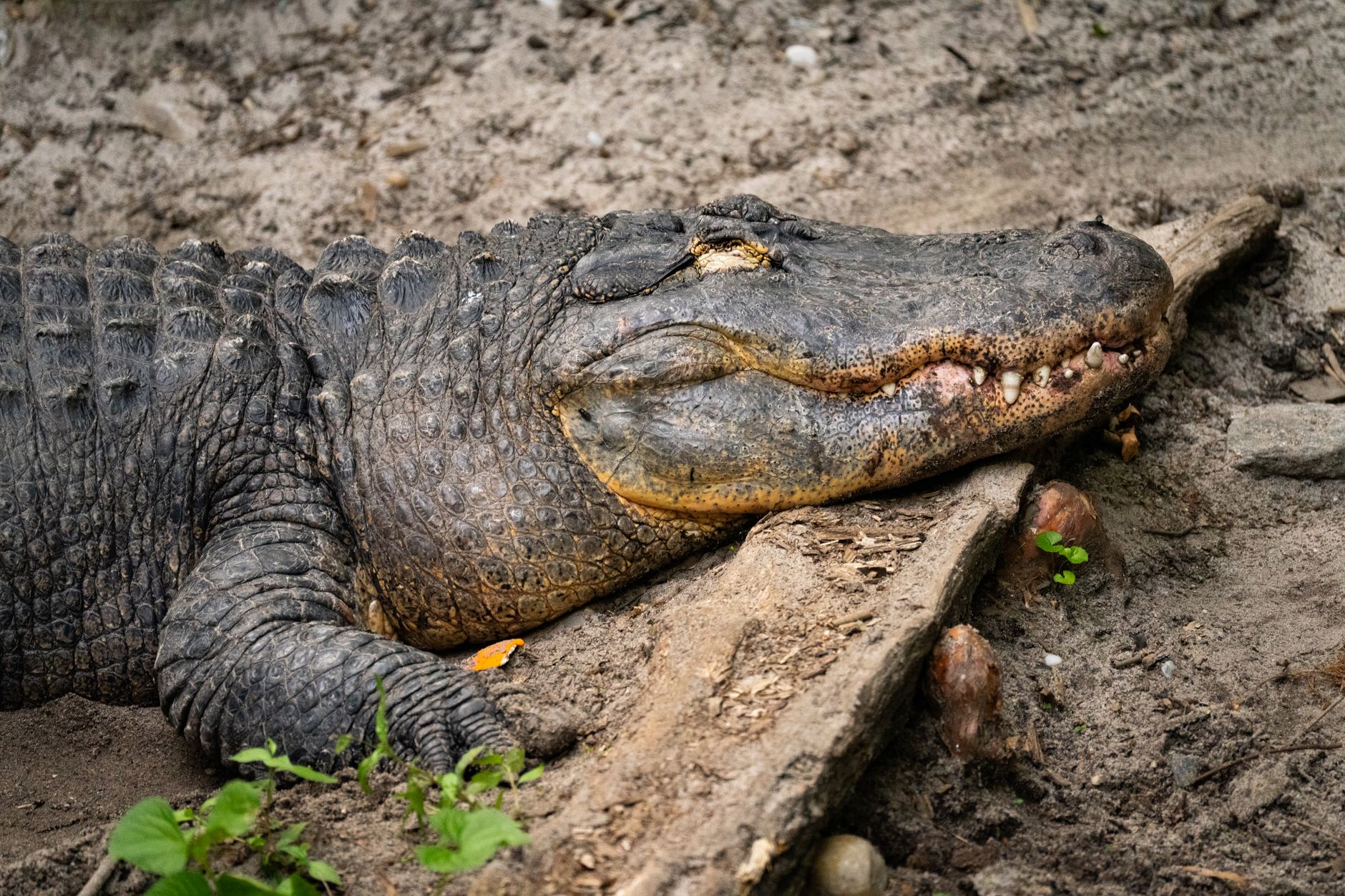
Why Blackened Alligator? A Taste Sensation with a Cajun Kick
The moment you hear "blackened alligator," you might imagine a smoky, spicy crust enveloping tender, mild meat. This dish bursts with bold flavors that awaken your senses—crackling with a charred crust and a juicy center. Blackened alligator marries Cajun spices with a unique protein known for its lean, firm texture and subtle sweetness. If you enjoy adventurous cooking or crave authentic Southern flavors, this blackened alligator recipe delivers an unforgettable experience that’s quick and easy to prepare.
Health Benefits & Nutrition of Alligator Meat
Alligator meat is not only a culinary curiosity but also an excellent nutritional option:
- High Protein Content: With approximately 25 grams of protein per serving, it supports muscle growth and repair (USDA Nutrient Database).
- Low Fat: Compared to beef or pork, alligator meat contains less saturated fat, making it heart-healthier (Journal of Food Science).
- Rich in Essential Minerals: It provides vital nutrients like phosphorus and potassium, beneficial for bone strength and electrolyte balance.
- Low Carbohydrates: Ideal for low-carb and keto diets, the meat has minimal sugar and carbs.
Safety note: While alligator is generally safe, pregnant women should ensure it is thoroughly cooked. Individuals with seafood allergies should consult a physician before trying alligator meat.
Ingredients & Preparation
Recipe Card
| Prep Time | 10 minutes |
|---|---|
| Cook Time | 5 minutes |
| Total Time | 15 minutes |
| Servings | 4 |
| Calories per Serving | 183 |
| Diet Tags | Gluten-Free, Low-Carb, High-Protein |
Ingredients
- 1 pound alligator loin meat
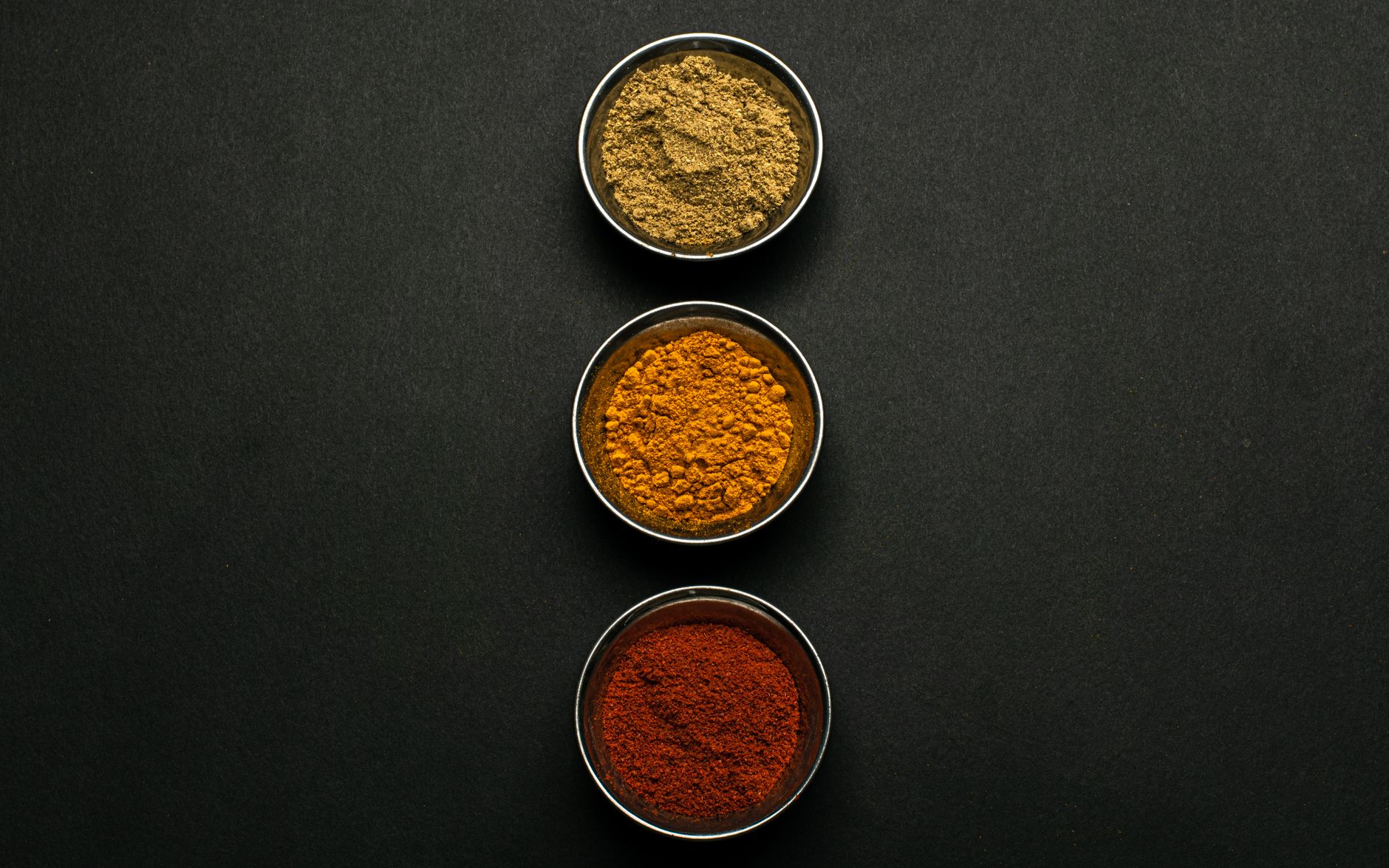
- 1½ tablespoons blackening seasoning (blend of paprika, cayenne, thyme, oregano, garlic powder, salt, black pepper)
- 1 tablespoon cooking oil (vegetable or canola oil)
Equipment Needed
- Meat mallet or rolling pin (to flatten meat)
- Cast iron skillet or heavy-bottomed frying pan
- Tongs for turning the meat
- Cutting board and sharp knife for slicing
Tips for Choosing Quality Ingredients
Select fresh alligator loin, which should appear firm and pale pink without any off-putting odor. Blackening seasoning can be bought pre-made or combined fresh for better aroma—fresh spices enhance the earthy and smoky profile. Use a high-quality cooking oil with a high smoke point like canola to allow proper searing without burning.
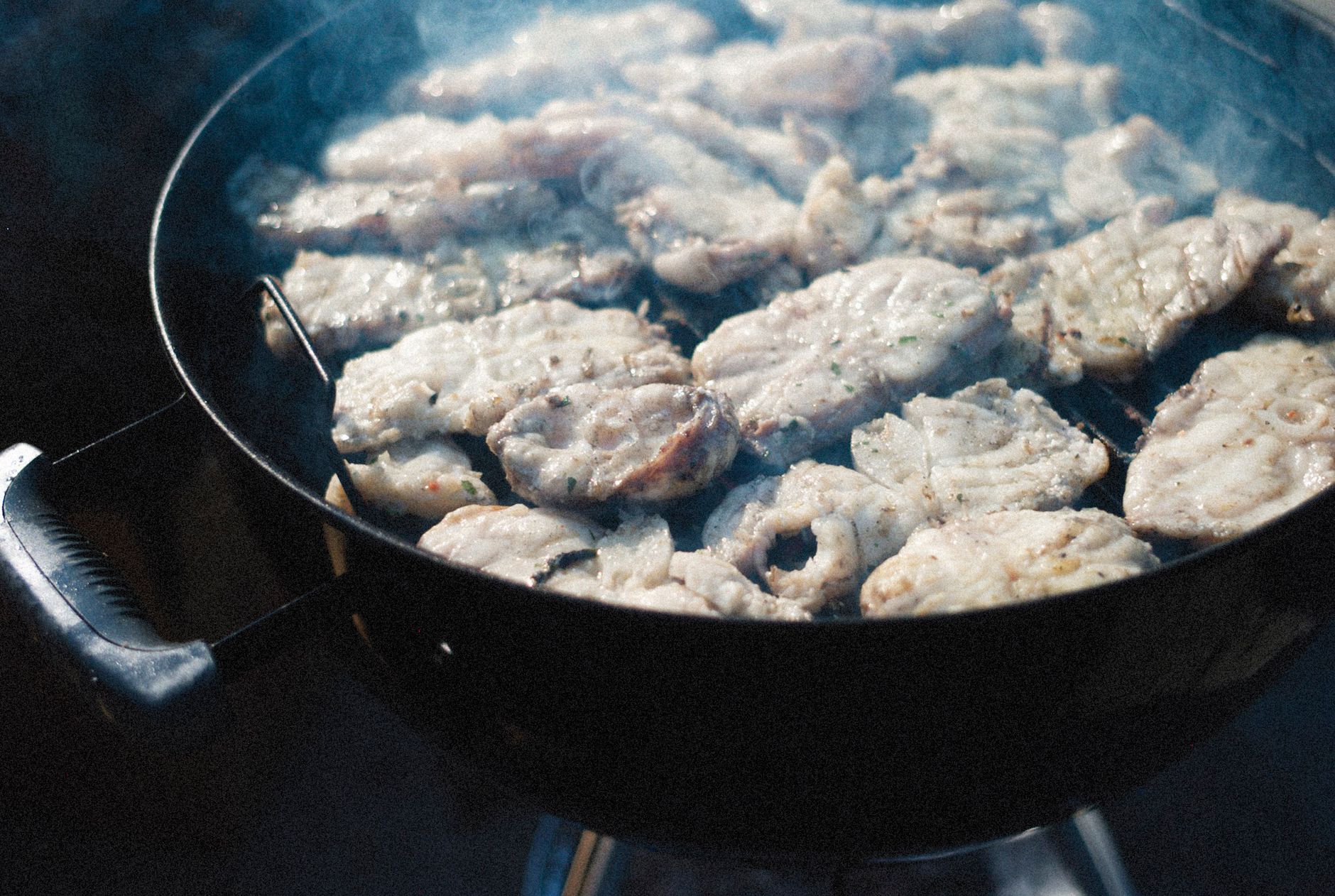
Step-by-Step Instructions for Blackened Alligator
Step 1: Prepare the Meat (10 minutes)
Use a meat mallet to gently pound the alligator loin to about ½-inch thickness. This ensures even cooking and tenderizes the meat. Next, evenly coat both sides of the alligator with the blackening seasoning, pressing gently so the spices stick well.
Step 2: Heat the Pan and Oil (2 minutes)
Place your cast iron skillet on medium-high heat and add 1 tablespoon of cooking oil. Heat until the oil shimmers but does not smoke—about 3 minutes. The hot oil will create the signature blackened crust.
Step 3: Cook the Alligator (5 minutes)
Carefully place the seasoned alligator loin into the pan. Cook for 1 minute, then begin turning the meat continuously to avoid burning and promote even blackening. Continue turning for a total of 4 to 5 minutes until the exterior is crisp and golden blackened, and the meat feels firm to the touch.
Step 4: Drain and Slice (3 minutes)
Remove the alligator from the pan and set it on a plate lined with paper towels to drain excess oil. After resting 2 minutes, slice into medallions or strips and serve immediately for the best flavor and texture.
Step 5: Serve and Enjoy
Pair your blackened alligator with sides like creamy coleslaw, cornbread, or a Big green salad with tiny hasselback potatoes and horseradish dressing 17204739 for a balanced meal.
Variations & Substitutions
- Spice Modifications: Adjust the cayenne pepper in the blackening mix for milder or hotter heat.
- Alternative Meats: Substitute alligator with catfish or chicken breast for a similar texture and flavor profile if alligator is unavailable.
- Herb Twists: Add smoked paprika or dried thyme for extra depth of smokiness and herbaceous notes.
- Cooking Method: Instead of pan-frying, try blackening on a hot grill for a charred aroma with a hint of smoke.
Storage & Shelf Life
Store cooked blackened alligator in an airtight container in the refrigerator for up to 3 days. For longer storage, freeze portions wrapped tightly in plastic wrap and foil to prevent freezer burn; frozen alligator lasts up to 3 months.
Signs of spoilage include off smells, slimy texture, or discoloration. Always reheat thoroughly to 165°F before consuming leftovers.
Pro Tips for Perfect Blackened Alligator
- Pat dry the alligator loin before seasoning—the drier the surface, the better the crust.
- Use a cast iron skillet to achieve that signature blackened color and crispy crust due to its superior heat retention.
- Turn the meat constantly after the initial minute to prevent burning while still allowing a flavorful charred surface.
- Rest cooked meat for a couple of minutes to lock in juices.
- Avoid overcrowding the pan; cook in batches if needed so the meat sears properly instead of steaming.
When is the best time to eat Blackened Alligator Recipe?
Blackened alligator is perfect as a hearty lunch or dinner, especially when you crave bold Cajun flavors. It pairs wonderfully with warm fall or winter evenings but can be enjoyed year-round whenever you want a unique, protein-rich dish.
Can I use other parts of the alligator for blackening?
Yes, while alligator loin is prized for tenderness, tail meat and ribs also work well. Tail meat is slightly fattier and juicier, making it perfect for blackening, though it requires similar cooking times.
How spicy is the blackening seasoning?
The heat depends on the cayenne pepper quantity in the seasoning. It can range from mildly spicy to fiery. You can tailor the spice level by adjusting cayenne to your preference, ensuring both flavor and comfort.
Is alligator meat sustainable and ethically sourced?
Alligator farming in the US is regulated, focusing on sustainability and ethical harvesting. Wild alligator populations are monitored closely to ensure ecological balance, making farmed and regulated wild alligator meat a responsible choice.
Can I prepare blackening seasoning at home?
Absolutely! Combine paprika, cayenne, garlic powder, onion powder, dried thyme, oregano, salt, and black pepper for a fresh, aromatic blend. Fresh seasoning often provides brighter and more complex flavors than store-bought mixes.
How do I know when the alligator is fully cooked?
Properly cooked alligator should be firm and opaque with no translucent areas. For safety, it should reach an internal temperature of 145°F. Overcooking can make it tough, so watch cooking times closely.
Can I use other oils besides vegetable or canola?
Yes, any oil with a high smoke point like grapeseed or avocado oil works well. Avoid olive oil since it smokes at lower temperatures, which can hamper the blackening process.
How should I serve blackened alligator?
Sliced blackened alligator can be served over rice, tossed in tacos, or alongside fresh vegetables. Its smoky, crispy exterior makes it versatile for various dishes with a Cajun twist.

More Recipes You Will Love
If you enjoy the bold flavors of Cajun cuisine, you might also like our Japanese curry recipe with golden curry for a fusion of spices and creamy texture that complements well-seasoned proteins. For a refreshing side, try our vibrant Big green salad with tiny hasselback potatoes and horseradish dressing 17204739, which balances the richness with bright, tangy notes.
Conclusion
Blackened alligator offers a deliciously unique way to explore Cajun cooking that’s both quick and satisfying. With its crispy, spice-laden crust and lean, flavorful meat, this dish can easily become a staple for your adventurous palate. Give this blackened alligator recipe a try, and don’t forget to share your thoughts or questions below — your feedback makes cooking even better!
FAQs
When is the best time to eat Blackened Alligator Recipe?
Blackened alligator is a versatile dish ideal for lunch or dinner. It is best enjoyed freshly cooked when the exterior is crisp and the meat stays tender and juicy, offering maximum flavor impact.
Can I substitute alligator meat with another ingredient in this recipe?
If alligator is unavailable, you can substitute with firm white fish like catfish or chicken breast, but the unique flavor and texture of alligator are unmatched by other proteins.
How spicy is the Blackened Alligator Recipe?
The heat level depends on the amount of cayenne and blackening seasoning used. Typically, it offers a moderate spicy kick that can be adjusted by reducing or increasing the cayenne pepper.
Is Blackened Alligator suitable for those on a keto diet?
Yes, this recipe is great for keto diets since alligator meat is low in carbohydrates and high in protein, making it an excellent choice for low-carb meal plans.
What safety precautions should I take when preparing alligator meat?
Ensure the alligator meat is thoroughly cooked to avoid any foodborne illness. Pregnant women should consult with their doctor before consuming alligator, and anyone with seafood allergies should proceed carefully.