Why Sardinian Gnocchi with Shrimp and Arugula?
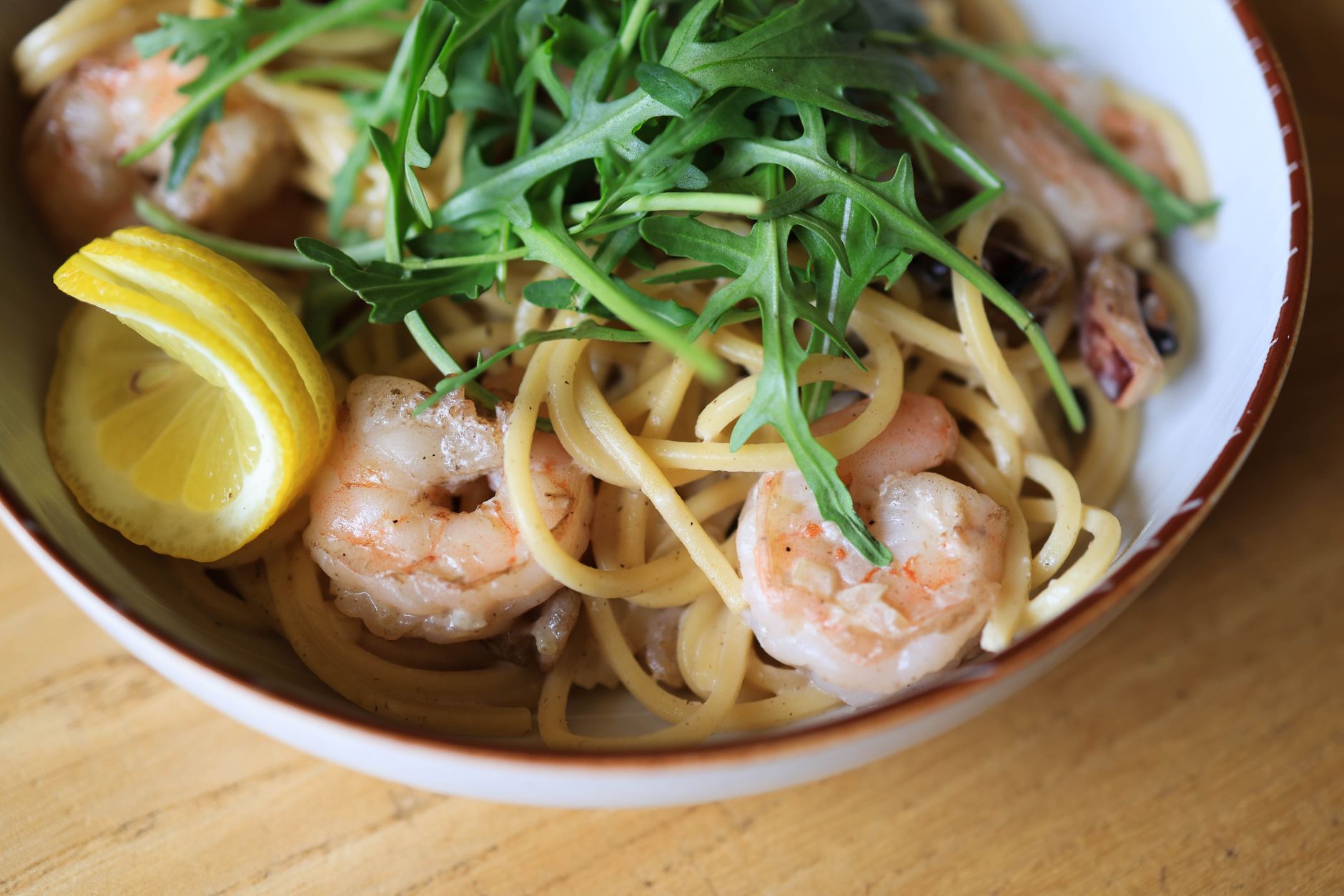
Imagine tender, golden gnocchi made from semolina, perfectly paired with juicy shrimp and peppery arugula. Sardinian gnocchi with shrimp and arugula brings the vibrant flavors of Italian coastal cuisine right to your plate. This dish balances the creamy texture of handmade gnocchi with the briny freshness of shrimp and the peppery bite of arugula, creating a meal that’s both comforting and sophisticated. Whether you‘re craving authentic Italian or impressing guests, this recipe delivers a delightful taste adventure.
Health Benefits & Nutrition
This Sardinian gnocchi with shrimp and arugula recipe isn’t just delicious; it offers several nutritional benefits. Shrimp is a lean source of protein rich in omega-3 fatty acids, which support heart health and brain function (Harvard T.H. Chan School of Public Health). Arugula adds antioxidant vitamins like A and K, which promote eye and bone health. Meanwhile, semolina flour provides complex carbohydrates that sustain energy levels. The dish’s moderate fat content primarily comes from olive oil, a healthy fat known for its anti-inflammatory properties. However, those with shellfish allergies or on low-sodium diets should approach with caution.
Ingredients & Preparation
Recipe Card
| Prep Time | 45 minutes |
|---|---|
| Resting Time | 1 hour |
| Total Time | 1 hour 50 minutes |
| Servings | 4 to 6 |
| Calories | 368 per serving |
| Diet Tags | Gluten, Shellfish |
Full Ingredient List
- For Sardinian Gnocchi:
- 1 cup semolina flour (such as Caputo)
- 1 cup 00 flour (such as Caputo), plus extra for dusting
- ¾ cup warm water (more as needed)
- ¼ teaspoon kosher salt
- 1 pound Sardinian gnocchi (prepared from above dough)
- 3 tablespoons olive oil
- 2 cloves garlic, smashed and peeled
- 1 pound medium shrimp, peeled and deveined
- ½ teaspoon red pepper flakes
- ½ cup dry white wine
- ½ cup freshly grated Parmesan cheese, plus extra for topping
- Half of a 5-ounce container baby arugula, roughly chopped
- 1 teaspoon grated lemon zest
- Kosher salt, to taste
Equipment Needed
- Large mixing bowl
- Fork or wooden spoon for mixing dough
- Plastic wrap
- Rolling surface (clean countertop or cutting board)
- Large pot for boiling water
- Colander
- Large skillet or sauté pan
- Measuring cups and spoons
- Grater for lemon zest and Parmesan cheese
Tips for Choosing Quality Ingredients
- Flours: Opt for high-quality semolina and 00 flour for authentic texture. Caputo brand is a trusted choice used by many Italian chefs.
- Shrimp: Fresh or sustainably farmed medium shrimp, peeled and deveined, offer the best flavor and texture.
- Olive Oil: Use extra virgin olive oil with a fruity aroma to enhance the dish‘s depth.
- Arugula: Choose fresh, bright green leaves with no wilting or discoloration for a vibrant peppery kick.
- Parmesan: Freshly grated Parmigiano-Reggiano delivers a nutty, savory finish that pre-grated varieties can‘t match.
Step-by-Step Instructions
1. Prepare the Sardinian Gnocchi Dough (8–10 minutes kneading, 1-hour resting)
In a large bowl, mix semolina and 00 flour and create a well in the center. Pour warm water and kosher salt into the well. Gradually incorporate flour into water using a fork until a rough dough forms. Knead the dough on a floured surface for 8 to 10 minutes until it springs back when pressed. Shape the dough into a square, wrap tightly in plastic wrap, and let it rest at room temperature for 1 hour.
2. Shape and Cook the Gnocchi (2 minutes boiling per batch)
Divide the dough into six pieces. Roll each piece into a rope about ⅓ inch thick, then cut into bite-sized gnocchi. Bring a large pot of salted water to a boil. Cook gnocchi in batches until they float and are just tender, about 2 minutes. Drain, reserving ½ cup of pasta water.
3. Sauté Shrimp with Aromatics (4 minutes on medium-high heat)
Heat olive oil in a large skillet over medium-high heat. Add garlic and sauté for 2 minutes until fragrant. Introduce shrimp, red pepper flakes, and ½ teaspoon salt. Cook shrimp, stirring frequently, until pink and mostly cooked through (about 1 minute). Pour in white wine, season with another ½ teaspoon salt, and simmer for 2 minutes to reduce slightly and finish cooking shrimp.
4. Combine and Finish the Dish (3 minutes mixing)
Add cooked gnocchi to the shrimp skillet. Sprinkle freshly grated Parmesan and toss gently. Add chopped arugula and lemon zest, stirring until arugula wilts slightly. If needed, add reserved pasta water to create a silky sauce. Serve immediately, garnished with extra Parmesan if desired.
Variations & Substitutions
- Protein Swap: Replace shrimp with seared scallops or sautéed chicken breast for an alternative flavor profile.
- Vegetarian Version: Omit shrimp and increase arugula or add sautéed mushrooms for earthy richness. Use vegetable broth in place of white wine for deglazing.
- Gluten-Free Option: Use gluten-free flour blend designed for pasta making or substitute with store-bought gluten-free gnocchi.
- Spice Variation: Increase red pepper flakes or add a pinch of smoked paprika for a smoky heat.
Storage & Shelf Life
Refrigerator: Store leftover cooked gnocchi with shrimp and arugula in an airtight container for up to 2 days. The texture of gnocchi may soften slightly after refrigeration.
Freezing: While you can freeze uncooked gnocchi by spreading them on a baking sheet, freezing this fully cooked dish is less ideal as shrimp texture might degrade. Freeze gnocchi separately; thaw and reheat with fresh shrimp and arugula for best results.
Signs of Spoilage: Discard any stored gnocchi or shrimp mixture if it emits a sour smell, shows discoloration, or develops sliminess.
Pro Tips
- Kneading Dough: Achieving the right dough elasticity is key. Knead until smooth yet still slightly firm to ensure tender gnocchi that hold their shape.
- Cooking Gnocchi: Avoid overcrowding the boiling pot to prevent sticking. Quick removal upon floating preserves their delicate texture.
- Shrimp Doneness: Cook shrimp briefly over medium-high heat to maintain juiciness and prevent rubbery bites.
- Balancing Sauce: Use reserved pasta water sparingly to create a light sauce that clings to gnocchi without heavy oiliness.
- Enhancing Flavor: Fresh lemon zest brightens the dish—grate it just before serving to preserve the citrus aroma.
When is the best time to eat Sardinian Gnocchi with Shrimp and Arugula?
This dish is perfect for a cozy dinner or special occasion when you crave rich, comforting Italian flavors. It shines in spring and summer when fresh arugula is at its peak. Serve it immediately after cooking to enjoy its warmth and vibrant textures.
Can I prepare the gnocchi dough ahead of time?
Yes, you can make the dough up to 24 hours ahead. Wrap it tightly in plastic wrap and refrigerate. Let it come to room temperature before shaping and cooking to ensure pliability.
Is it possible to use store-bought gnocchi?
Absolutely. Quality fresh or frozen gnocchi can save time. Just adjust cooking time according to package instructions and proceed with the shrimp and arugula sauce as directed.
What wine pairs well with this dish?
A crisp, dry white wine like Pinot Grigio or Vermentino complements the seafood and cuts through the richness of Parmesan and olive oil beautifully.
How can I make this dish spicier?
Increase the amount of red pepper flakes gradually while cooking the shrimp. Alternatively, add a pinch of fresh chopped chili or a dash of hot sauce for more heat.
Can I substitute the arugula with another green?
Yes, peppery baby spinach or watercress work well as alternatives, although the flavor will be milder and less peppery.
Is Sardinian gnocchi different from other gnocchi?
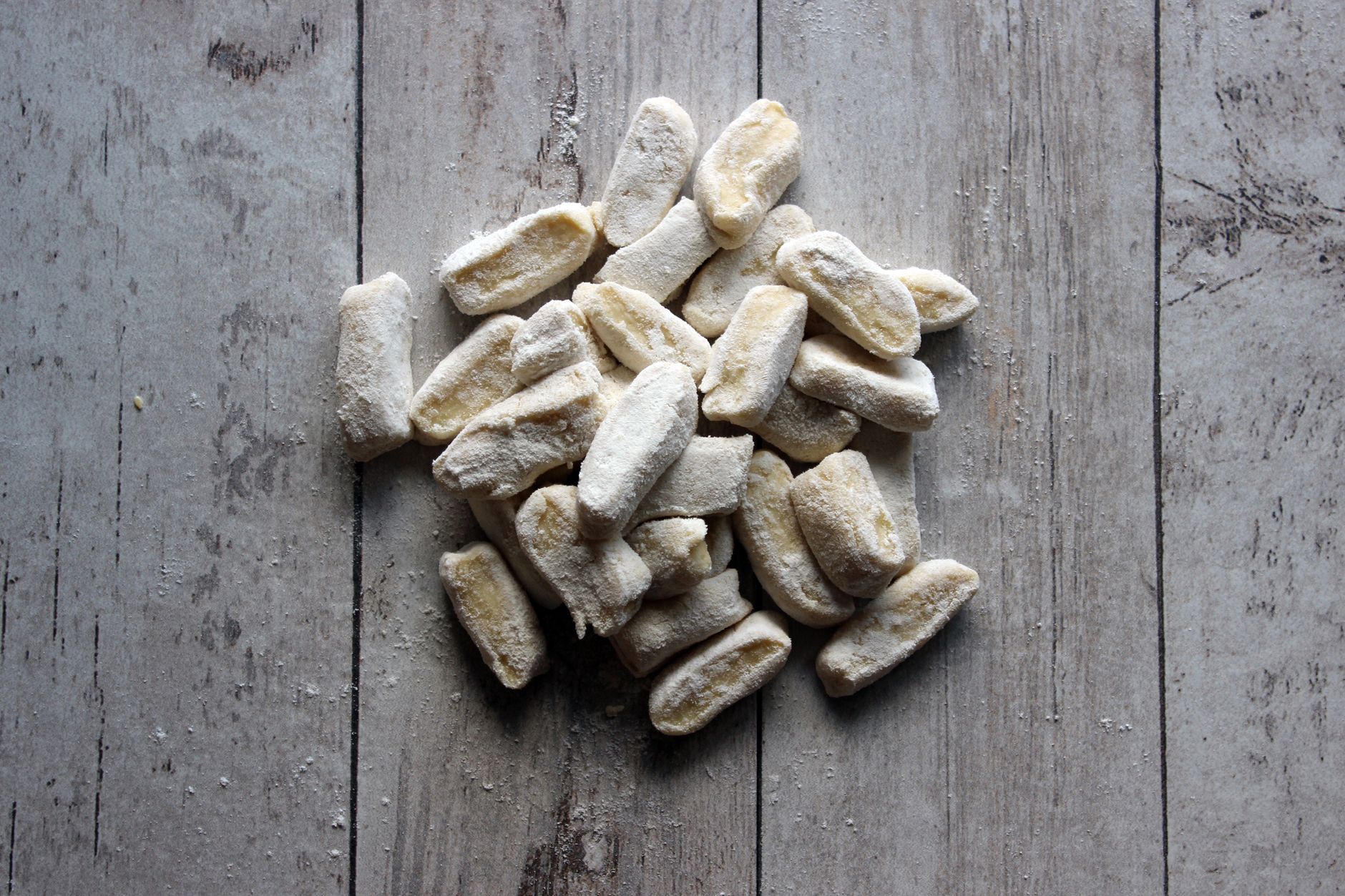
Yes, Sardinian gnocchi is traditionally made with semolina flour and has a firmer texture and slightly golden color, unlike potato gnocchi which are softer and paler.
How do I prevent the gnocchi from sticking together?
Make sure to dust gnocchi lightly with flour before boiling and cook them in small batches. Also, stir gently once they’re in the boiling water to separate them.

More Recipes You Will Love
If you enjoy the creamy yet tangy flavors of this Sardinian gnocchi with shrimp and arugula, you’ll love trying the rich four cheese pasta ingredients recipe. It brings a luscious cheese blend perfect for cozy nights.
For a delightful appetizer to complement your meal, consider the easy and elegant goat cheese toasts recipe 2013743. Its crispy bread topped with creamy goat cheese and herbs makes a fantastic starter.
Conclusion
Sardinian gnocchi with shrimp and arugula combines creamy handmade pasta, succulent seafood, and fresh greens in a way that’s truly memorable. This easy-to-make dish brings elegant Italian flavors to your dining table without fuss. Give it a try and share your experience—your comments and ratings help inspire others to enjoy authentic flavors in their kitchen.
FAQs
When is the best time to eat Sardinian Gnocchi With Shrimp And Arugula?
Sardinian Gnocchi With Shrimp And Arugula is best enjoyed as a special lunch or dinner meal. Its hearty yet fresh flavors make it perfect for weekend gatherings or when you crave authentic Italian coastal cuisine.
Can I prepare Sardinian gnocchi from scratch for this recipe?
Yes, this recipe guides you to make Sardinian gnocchi using semolina and 00 flour. Freshly made gnocchi enhances the dish’s texture and flavor, but you can also use store-bought gnocchi if pressed for time.
Is Sardinian Gnocchi With Shrimp And Arugula healthy?
Yes, the dish offers high protein from shrimp and antioxidants from arugula, along with complex carbs from semolina. Using olive oil adds healthy fats, making it a balanced and nutritious Italian meal.
What type of wine pairs well with Sardinian Gnocchi With Shrimp And Arugula?
A dry white wine such as Pinot Grigio or Sauvignon Blanc complements the shrimp’s briny flavor and the peppery arugula, enhancing the overall dining experience with fresh and crisp notes.
Can I substitute arugula if unavailable?
If arugula is unavailable, you can use peppery greens like watercress or baby spinach for a similar texture and mild bite. However, arugula’s distinctive peppery flavor best matches the dish’s intended taste.