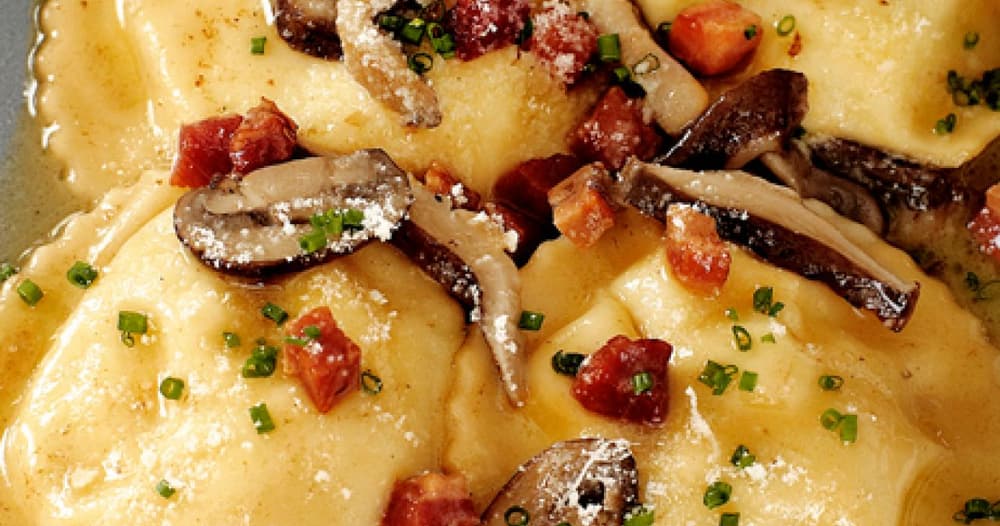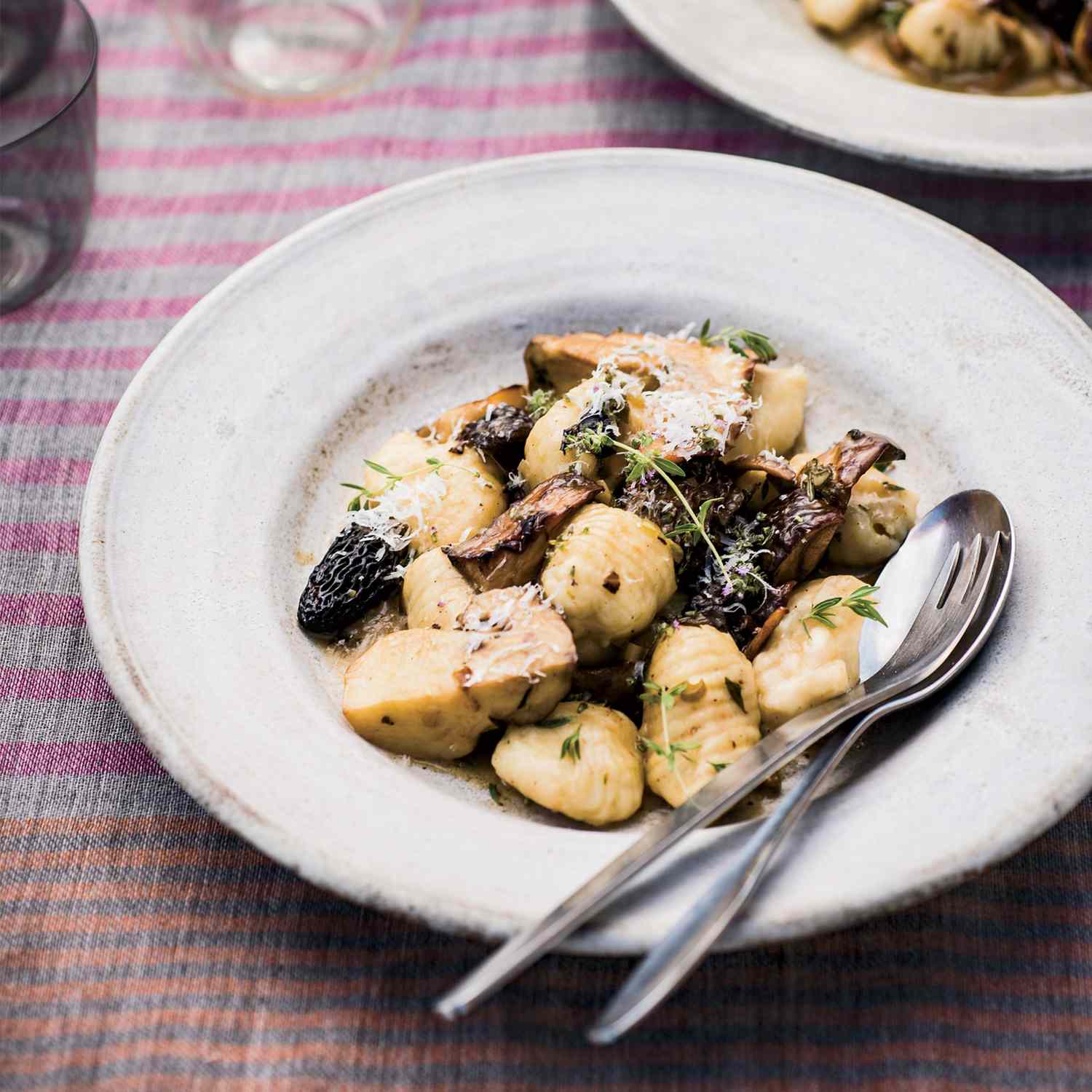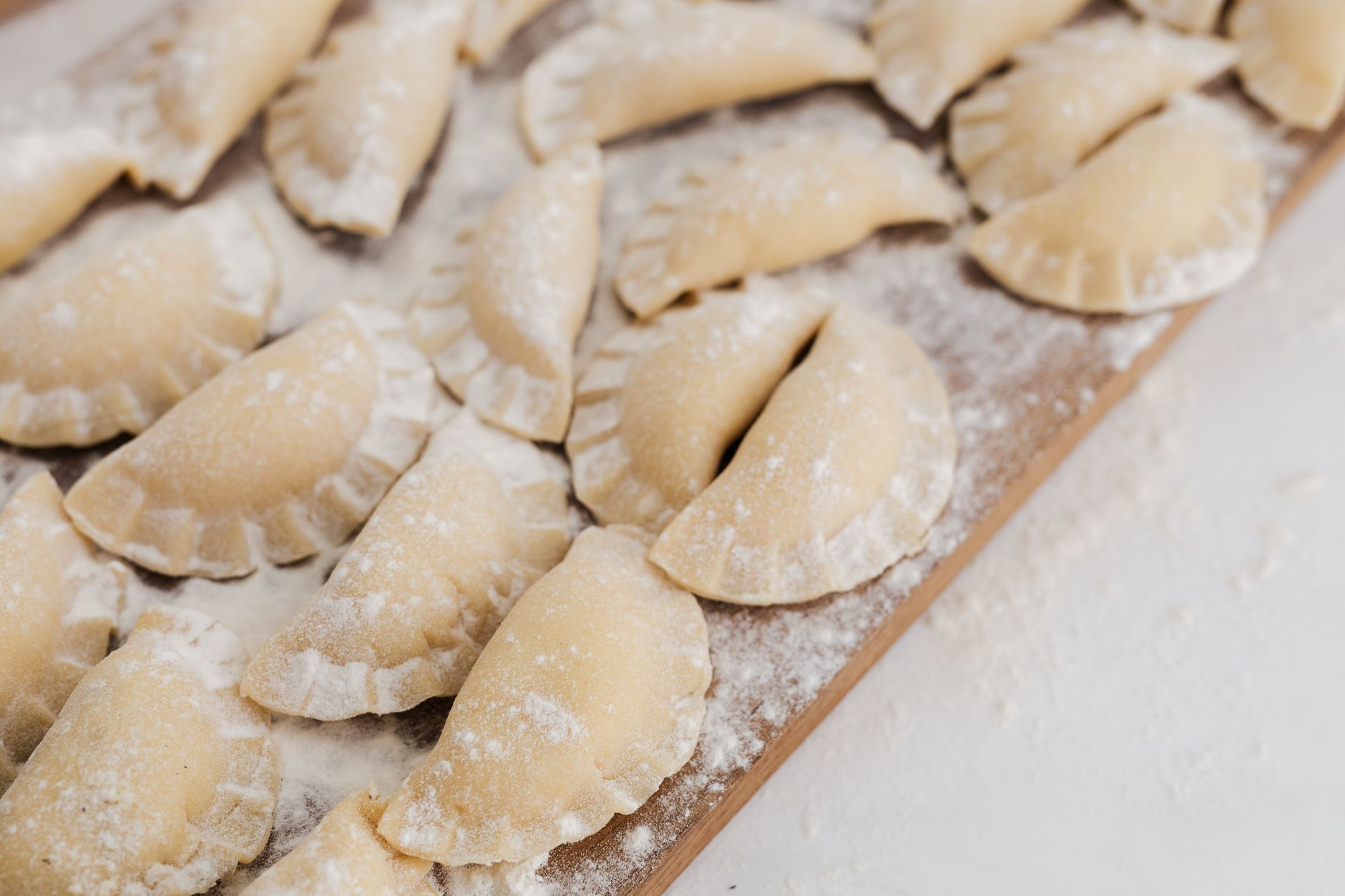
Why Homemade Tortelli Stuffed With Stewed Oxtail?
The kitchen fills with the rich aroma of red wine, rosemary, and slowly braised beef as these pasta parcels come together.
Homemade Tortelli Stuffed With Stewed Oxtail combines tender, wine-braised oxtail with fresh egg pasta and a glossy butter-vinegar sauce. The oxtail cooks until the meat slips from the bone, then gets mixed with Parmesan, egg, and breadcrumbs for a firm, savory filling. This is a special-occasion pasta recipe that rewards careful preparation.
I make the oxtail filling a day ahead when possible. It becomes easier to shred once chilled, and the finished tortelli are much quicker to assemble. The sauce uses the strained braising liquid, so none of that deep beef flavor goes to waste.

Health Benefits & Nutrition
This is a rich pasta dish, best enjoyed as an occasional centerpiece rather than an everyday meal. Oxtail provides protein, while the vegetables and herbs add flavor, aroma, and small amounts of fiber and micronutrients.
- Protein for satisfaction: Oxtail, eggs, Parmesan, and flour-based pasta provide a substantial amount of protein and energy in each serving.
- Vegetable-based flavor: Carrot, celery, onion, and garlic contribute fiber and natural sweetness to the braising liquid without relying on a heavy cream sauce.
- Calcium from dairy: Parmesan and Vezzena cheese add calcium along with a concentrated salty, nutty flavor.
- Less food waste: The recipe uses both the shredded meat and the strained cooking juices. Using the braising liquid as sauce also avoids discarding valuable flavor.
The approximate nutrition is high in calories, saturated fat, cholesterol, and sodium because the recipe contains oxtail, butter, eggs, and cheese. It also contains wheat, eggs, and dairy. For allergies, dietary restrictions, pregnancy-related questions, or medical conditions requiring sodium or fat limits, check the ingredient labels and ask a doctor or registered dietitian for personal advice.
Ingredients & Preparation
Recipe Card
| Prep time | 2 hours 15 minutes |
|---|---|
| Cook time | 3 hours 30 minutes |
| Total time | 5 hours 45 minutes |
| Servings | 6 servings |
| Calories | Approximately 1,100 per serving |
| Diet tags | Italian-inspired, high-protein, contains wheat, eggs, and dairy |
Full Ingredient List
- 2 tablespoons olive oil, divided
- 2 pounds oxtails
- 2 carrots, roughly chopped
- 2 celery stalks, roughly chopped
- 1 white onion, roughly chopped
- 2 garlic cloves, roughly chopped
- 6 juniper berries, roughly chopped
- 4 fresh sage leaves, roughly chopped
- 1 rosemary sprig, leaves removed and roughly chopped
- 1 pint beef stock
- 1 pint dry red wine
- 1 teaspoon fine sea salt, plus more for the pasta water
- 1/2 teaspoon freshly ground black pepper
- 2 large eggs
- 1 handful freshly grated Parmesan cheese, about 1/2 cup
- 10 ounces stale Italian bread, finely grated
- 1 pound all-purpose flour, plus extra for dusting
- 4 jumbo eggs
- 1 tablespoon olive oil
- 1 teaspoon fine sea salt
- 2 tablespoons unsalted butter
- 1 tablespoon sherry vinegar
- 2 handfuls freshly grated Vezzena cheese, about 1 cup
Equipment Needed
- Large heavy skillet or Dutch oven with a tight-fitting lid
- Fine-mesh strainer
- Large mixing bowl
- Pasta machine
- Round pasta cutter, approximately 3 inches wide
- Rolling pin, bench scraper, and clean work surface
- Large pot for boiling the tortelli
- Slotted spoon
Tips for Choosing Quality Ingredients
Choose oxtail pieces with a good balance of meat, bone, and visible connective tissue. The bones and collagen help create a full-bodied braising liquid. Ask the butcher for pieces of similar size so they finish cooking at roughly the same time.
Use a dry red wine that you would happily drink. A very sweet or heavily oaked wine can make the sauce taste unbalanced. Fresh sage and rosemary should smell fragrant when rubbed gently between your fingers.
Stale Italian bread works better than fresh bread because it absorbs moisture without turning gummy. If your bread is still soft, dry the grated crumbs on a baking sheet at 300°F for 10 to 12 minutes, then cool them before using.

Step-by-Step Instructions
1. Brown the oxtail and build the braising base
Heat 1 tablespoon of olive oil in a large heavy skillet or Dutch oven over high heat for 2 minutes. Add the oxtails and brown them for about 10 minutes, turning every 2 minutes, until the surfaces are deeply golden and crisp in spots. Transfer the meat to a plate. Lower the heat to medium, add the remaining 1 tablespoon olive oil, and cook the carrots, celery, onion, garlic, juniper, sage, and rosemary for 5 minutes. Add the oxtail, beef stock, red wine, salt, and pepper.
2. Braise until the meat is tender
Cover the pan tightly with foil and then its lid. Cook at a steady simmer over medium-low heat for 3 hours. Check after 90 minutes and turn the oxtail pieces if they are not mostly covered by liquid. The meat is ready when a fork slides in easily and the connective tissue pulls apart without resistance. Cool the covered pan for 60 minutes.
3. Shred the filling and prepare the pasta dough
Remove the oxtails and strain the cooking liquid through a fine-mesh strainer, reserving the liquid. Pick the meat from the bones and discard the bones, then finely shred the meat. Mix the meat with 2 large eggs, Parmesan, and grated stale bread. Cover and chill for 30 minutes. Meanwhile, knead 1 pound flour, 4 jumbo eggs, 1 tablespoon olive oil, and 1 teaspoon salt for 8 to 10 minutes, then cover and rest the dough for 30 minutes at room temperature.
4. Roll, fill, and shape the tortelli
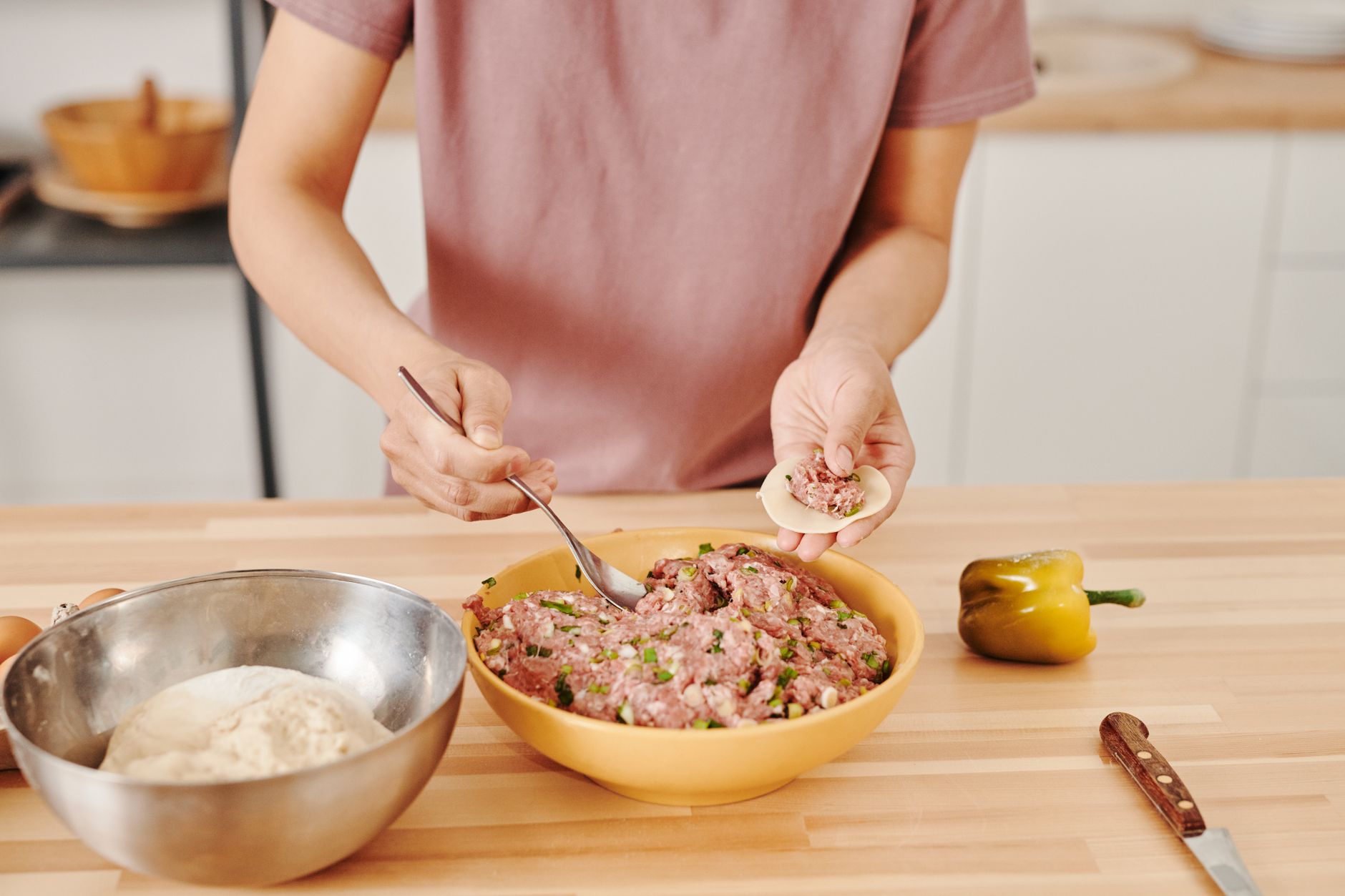
Divide the dough into 4 pieces and keep unused pieces covered. Roll each piece through a pasta machine, starting on the widest setting and reducing the setting one notch at a time until the sheets are thin but not translucent. Cut 3-inch rounds, place 1 heaped teaspoon of filling in the center of each, and brush the edges lightly with water. Fold, press out the air, and seal firmly. Keep shaped tortelli under a lightly floured towel.
5. Cook the pasta and finish the sauce
Bring a large pot of salted water to a rolling boil. Cook the tortelli in batches for 3 to 4 minutes, until the pasta is tender and the parcels float. Meanwhile, simmer the reserved braising liquid with 2 tablespoons butter and 1 tablespoon sherry vinegar over medium heat for 15 minutes, until glossy and slightly reduced. Transfer the tortelli into the sauce with a slotted spoon, gently toss for 30 seconds, and finish with the Vezzena cheese.
The first time I made these, I overfilled several parcels and lost filling in the cooking water. A heaped teaspoon is enough. Pressing the air out before sealing makes a bigger difference than using extra water around the edge.
When the tortelli are done, listen for a gentle simmer rather than a violent boil. Aggressive bubbling can split the pasta. The finished parcels should feel tender but still hold their shape when lifted with a slotted spoon.

Variations & Substitutions
- Wine-free filling: Replace the 1 pint red wine with 1 pint additional beef stock. Add 2 tablespoons balsamic vinegar to the braising liquid for acidity, or leave it out for a milder sauce.
- Different pasta flour: Replace up to 4 ounces of the all-purpose flour with 00 flour for a softer, silkier dough. Do not replace the full amount unless you are comfortable adjusting hydration, as different flours absorb eggs differently.
- Breadcrumb adjustment: Use 8 ounces of stale bread for a softer filling or the full 10 ounces for a firmer filling that is easier to shape. Add the crumbs gradually and stop when the mixture holds together.
- Cheese substitution: Replace Vezzena with an equal amount of aged Asiago or Parmesan. The sauce will taste slightly sharper, but the texture will remain smooth.
- Herb variation: Replace the sage with 1 tablespoon chopped fresh thyme. Keep the rosemary because it gives the braising liquid a deeper, woodsy aroma.
I tried using fresh breadcrumbs once, and the filling became soft and pasty. Dry breadcrumbs are the better choice here because they absorb the braising juices while leaving the shredded meat distinct.
Storage & Shelf Life
Store cooked tortelli and sauce in an airtight container in the refrigerator for up to 3 days. Let the food cool briefly before refrigerating, but do not leave it at room temperature for more than 2 hours.
For uncooked tortelli, arrange the parcels in a single layer on a flour-dusted or parchment-lined tray. Freeze for 1 hour, then transfer them to a freezer bag or sealed container. Cook directly from frozen for about 5 to 7 minutes, adding them to boiling water without thawing.
The oxtail filling can be refrigerated for up to 3 days before shaping. It can also be frozen for up to 2 months in a tightly sealed container. Thaw it overnight in the refrigerator and stir it well before filling the pasta.
Discard the dish if it develops a sour or unpleasant smell, sticky meat, slimy sauce, mold, or unusual discoloration. If the sauce separates slightly after chilling, gentle reheating and stirring can restore its texture; spoilage odors cannot be corrected by reheating.
Pro Tips for Better Tortelli
Strain the braising liquid while it is still warm, but let it settle for a few minutes first. Spoon off excess fat from the surface if there is a thick layer. Leaving a little fat helps the sauce taste rounded, while too much can make it greasy.
Cool the meat before mixing the filling. Warm oxtail can partially cook the eggs and soften the breadcrumbs unevenly. Chilled filling is also easier to portion and less likely to smear across the pasta dough.
Keep pasta sheets covered at all times. Exposed fresh pasta dries quickly around the edges, creating cracks that will not seal properly. A clean kitchen towel or overturned bowl works well for short pauses.
Use only a light dusting of flour when rolling. Excess flour can prevent the seams from sticking and can make the cooking water cloudy. If the dough feels tacky, dust the machine rollers lightly rather than burying the whole sheet in flour.
Balance the sauce at the end. The sherry vinegar should brighten the beef flavor, not make the sauce taste sharp. Add it gradually if your braising liquid is already acidic from the wine. Vezzena is salty, so taste before adding extra salt.
For a polished finish, warm the serving plates while the pasta cooks. Spoon a little sauce onto each plate first, arrange the tortelli, then add more sauce and cheese. This helps the pasta stay glossy instead of sitting in a pool of liquid.
Serving and Troubleshooting
When is the best time to eat Homemade Tortelli Stuffed With Stewed Oxtail?
The best time to eat this dish is immediately after cooking, while the pasta is tender and the sauce is glossy. Serve it as a main course for a relaxed dinner or special gathering. The filling and braising liquid can be prepared ahead, but shaped tortelli are best cooked just before serving.
Can I make the oxtail filling the day before?
Yes, making the filling one day ahead is an excellent approach. Chill the strained meat and braising liquid separately in airtight containers for up to 3 days. The cold meat is easier to shred and portion, while the chilled liquid makes it simple to remove excess fat before reducing the sauce.
Why did my tortelli open in the cooking water?
Tortelli usually open because air, excess filling, or flour remains along the seam. Use about 1 heaped teaspoon of filling, press around the mound to remove air, and seal the edges firmly. Brush away loose flour before folding, and avoid boiling the pasta in water that is bubbling too aggressively.
Can I use store-bought pasta sheets?
Yes, fresh store-bought pasta sheets can be used when you want to shorten the preparation. Roll them slightly thinner if needed, cut 3-inch rounds, and keep them covered while working. Avoid dried lasagna sheets because they are difficult to seal and do not have the same delicate texture.
How do I know when the oxtail is fully cooked?
The oxtail is fully cooked when the meat separates easily from the bone and a fork passes through the thickest part with little resistance. Toughness usually means it needs more time, not that it has been overcooked. Keep the pan covered and continue braising in 20-minute increments.
Can I make the tortelli without juniper berries?
Yes, you can omit the juniper berries without changing the method. They contribute a piney, slightly peppery note, but the dish will still have plenty of flavor from the wine, herbs, vegetables, and beef. Add a small extra rosemary leaf or a pinch of crushed black pepper if desired.
What should I serve with this stuffed pasta?
Serve the tortelli with a simple bitter green salad or lightly dressed vegetables. Avoid a heavy side dish because the oxtail filling and butter sauce are already rich. For another Italian pasta idea, try Orecchiette with broccoli rabe and sausage 5176922 for a more casual meal.
More Recipes You Will Love
If you enjoy hearty Italian pasta with savory meat and bold sauces, Cheesecake factory copycat recipe pasta offers a comforting option with a quicker cooking process.
For a lighter contrast, serve this tortelli with roasted vegetables, crisp greens, or a salad dressed with lemon and olive oil. The fresh acidity keeps the meal balanced without competing with the braised beef.
Other stuffed pasta shapes can use the same technique. Try smaller rounds for bite-sized parcels, or make larger tortelli when you want the filling to be the main feature on the plate.
Conclusion
Homemade Tortelli Stuffed With Stewed Oxtail takes time, but each stage has a clear purpose. Slow braising creates tender meat, stale bread keeps the filling manageable, and fresh pasta gives the dish its delicate finish. Prepare the oxtail ahead to make the final assembly easier. If you make this recipe, share how your tortelli turned out, leave a rating, or tell us about your favorite variation.
FAQs
When is the best time to eat Homemade Tortelli Stuffed With Stewed Oxtail?
The best time to eat Homemade Tortelli Stuffed With Stewed Oxtail is freshly cooked and served hot as a dinner centerpiece. Because the full process takes about 5 hours 45 minutes, it suits weekend dinners or special occasions. Serve the tortelli right after cooking so the butter-vinegar sauce stays glossy and the pasta keeps its texture.
Can I make the oxtail filling ahead of time?
Yes, you can make the oxtail filling a day ahead. Chilling the braised, shredded oxtail firms it up, which makes it easier to portion and combine with grated Parmesan, egg, and breadcrumbs. Keep the filling covered in the refrigerator until you are ready to fill the pasta sheets.
How do you store leftover or frozen tortelli?
Store leftover cooked tortelli in an airtight container in the refrigerator and eat them within two to three days. To freeze uncooked tortelli, arrange them in a single layer on a floured tray, freeze until firm, then transfer them to a sealed bag. Cook frozen tortelli directly in boiling salted water, allowing a minute or two extra.
Can I use a different cheese instead of Vezzena?
Yes, a firm, aged cheese with a nutty flavor works well in place of Vezzena. Aged Asiago or a mix of Parmesan and Pecorino Romano are common choices that keep the filling savory. Avoid soft, fresh cheeses, since they add too much moisture and can make the filling loose.
Why is my tortelli filling dry or crumbly?
A dry or crumbly filling usually means the oxtail was not shredded finely enough or the bread ratio was too high. Shred the meat finely, remove any gristle, and add a spoonful of the strained braising liquid to loosen the mixture. Bind it with the egg and Parmesan before chilling and filling the pasta.