Why Roasted Tomato Salsa Salsa Asada?
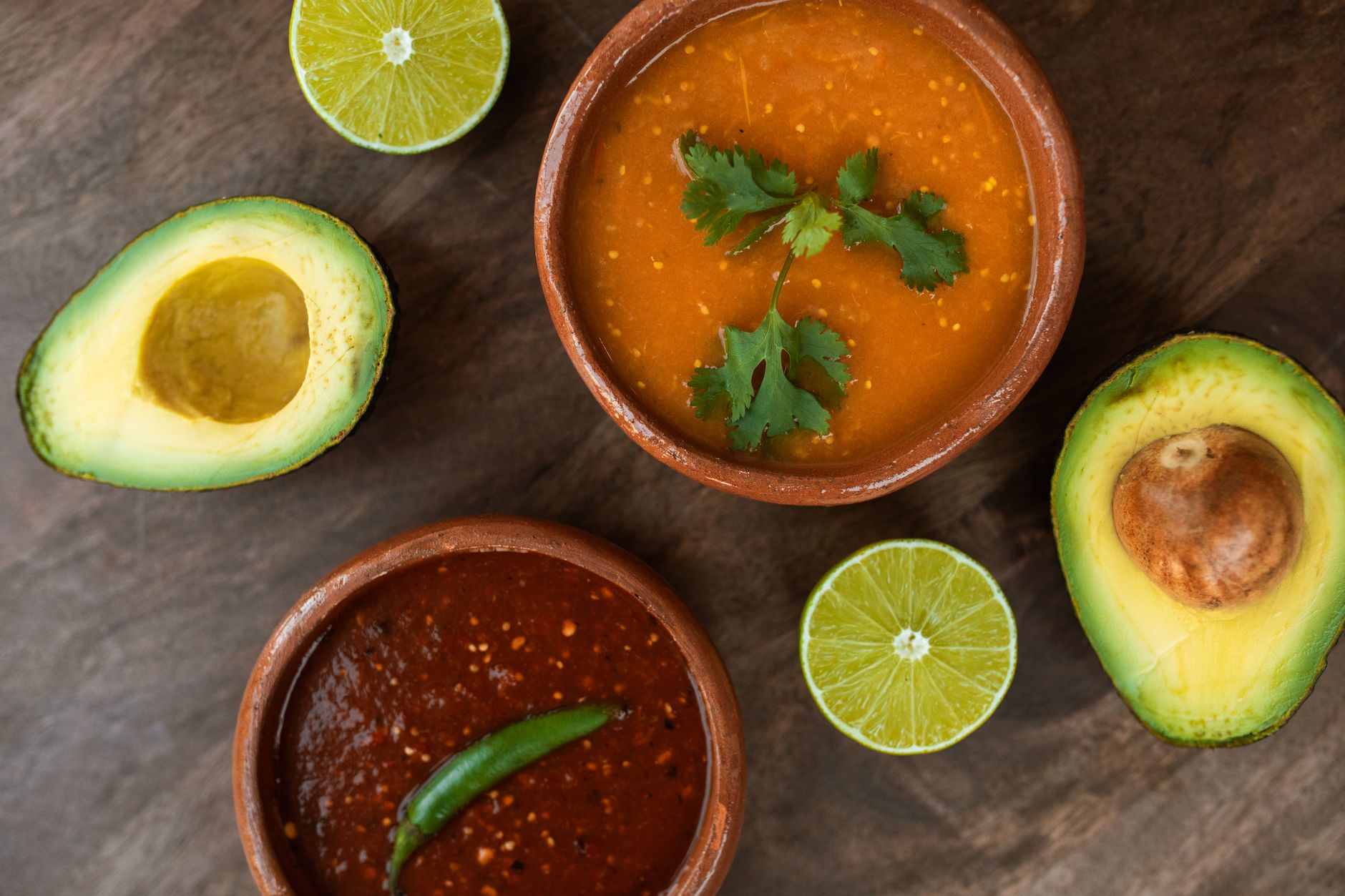
Tomatoes blistered on a hot skillet develop smoky edges, a sweeter aroma, and much more character than raw tomatoes. This roasted tomato salsa salsa asada combines those tomatoes with serrano chile, shallot, cilantro, and a small splash of broth for a quick Mexican-style table salsa.
Roasted Tomato Salsa Salsa Asada is a warm, smoky tomato dip made by charring whole tomatoes, serrano chile, and shallot in a dry skillet, then pulsing them with broth and cilantro. The finished salsa has a slightly rustic texture, gentle acidity, fresh herbal flavor, and adjustable heat. Serve it with tortilla chips, tacos, grilled meat, eggs, or rice.
The recipe takes about 35 minutes from start to finish, including preparation and skillet roasting. You can serve it warm, at room temperature, or chilled. Roasting the vegetables is the key step, so do not rush the browning.
Health Benefits & Nutrition
This salsa is built mostly from tomatoes, chile, shallot, and fresh cilantro, so it adds plenty of flavor without needing oil or a heavy sauce. The nutrition will vary with tomato size, broth, and serving size, but each portion is naturally light.
- Tomatoes provide vitamin C and potassium. They also contribute water and natural sweetness, which helps balance the chile.
- The vegetables add fiber. Tomatoes and shallot provide a modest amount of fiber in each serving, especially when the salsa is pulsed rather than strained.
- Serrano chile brings flavor without added fat. Its heat can make a small portion of salsa taste lively and satisfying.
- The recipe uses no added oil. Roasting the vegetables in a dry skillet keeps the salsa bright and relatively low in fat.
These benefits are general nutrition information, not medical advice. If you need to limit sodium, choose no-salt-added broth and season gradually. For a vegetarian salsa, use vegetable broth instead of chicken broth. Anyone with a chile sensitivity should omit the serrano or use a mild pepper.
For four servings, one serving is approximately 25 to 35 calories, with about 1 gram of protein, 5 to 7 grams of carbohydrates, and less than 1 gram of fat. These figures are estimates rather than laboratory-tested values and do not include chips or other foods served with the salsa.
Ingredients & Preparation
Recipe Card
| Prep time | Cook time | Total time | Servings | Calories (approx) | Diet tags |
|---|---|---|---|---|---|
| 15 minutes | 20 minutes | 35 minutes | 4 servings | 30 calories per serving | Gluten-free, dairy-free, oil-free; vegetarian with vegetable broth |
Full Ingredient List
- 4 medium Roma tomatoes, cored
- 1 serrano chile, stemmed
- 1 small shallot, peeled
- 2 1/2 tablespoons low-sodium chicken broth or vegetable broth
- 1 small handful fresh cilantro sprigs
- 1/4 teaspoon kosher salt, plus more to taste
- 1/8 teaspoon freshly ground black pepper, plus more to taste
Equipment Needed
- Medium heavy griddle or cast-iron skillet
- Tongs or a heatproof spatula
- Food processor
- Measuring spoons
- Heatproof bowl or storage container
Tips for Choosing Quality Ingredients
Choose Roma tomatoes that feel firm but not hard. They should smell faintly sweet at the stem and have smooth, unbroken skin. Very soft tomatoes can release excess liquid before their skins develop a good char.
For a balanced salsa, select a serrano that is bright green and firm. Smaller serranos are often hot, but chile heat varies, so taste a tiny piece only if you are comfortable doing so. A fresh shallot should feel solid and have dry, papery skin.
Fresh cilantro should have lively green leaves without dark, wet spots. If you use boxed broth, low-sodium broth gives you more control over the final seasoning. Regular broth can work, but add the salt only after blending.

Step-by-Step Instructions
1. Prepare the vegetables
Set the cored tomatoes, stemmed serrano, and peeled shallot beside the stove. Pat them dry with a clean towel. Excess surface moisture can slow browning and cause the vegetables to steam instead of blister. Keep the tomatoes whole so their juices stay inside during the first part of roasting.
2. Preheat the skillet for 5 minutes
Place a medium heavy griddle or cast-iron skillet over medium-high heat and warm it for 5 minutes. Do not add oil or water. The pan is ready when a drop of water evaporates almost immediately, but the surface should not be smoking heavily.
3. Roast the vegetables for 12 to 15 minutes
Place the tomatoes, serrano, and shallot in the dry skillet. Roast for 12 to 15 minutes, turning the vegetables with tongs every 2 to 3 minutes. The tomatoes should show dark golden-brown to nearly black patches, the shallot should soften, and the serrano should have blistered skin.
Listen for a gentle sizzle rather than a loud crackle. The aroma will shift from fresh and grassy to sweet, earthy, and lightly smoky. The first time I made this salsa, I left the shallot against the pan too long and burned one side before the inside softened. Turning it more often prevents that bitter spot.
4. Pulse the salsa for 1 to 2 minutes
Transfer the roasted tomatoes, serrano, and shallot to a food processor. Add 2 1/2 tablespoons of broth and the cilantro. Pulse 8 to 12 times for a rustic salsa with small pieces, or process on high for 20 to 30 seconds for a smoother texture.
Stop once or twice to scrape down the bowl. Avoid running the processor continuously for too long, because the tomatoes can become watery and the cilantro may turn dull. I found that pulsing works better than blending for keeping a spoonable texture.
5. Season and rest for 5 minutes
Transfer the salsa to a bowl and stir in the kosher salt and black pepper. Taste after 5 minutes, then add more salt if needed. Resting gives the roasted juices time to settle into the broth and helps the chile flavor spread evenly.
Serve warm, cool it to room temperature, or refrigerate it in a covered container. If the salsa seems thicker than you prefer, stir in broth 1 teaspoon at a time rather than adding a large splash.

Variations & Substitutions
- Milder roasted salsa: Replace the serrano with half of a seeded jalapeño. For very little heat, use 1/4 cup of roasted green bell pepper instead.
- Hotter salsa: Keep the serrano seeds and add a second serrano. Add the extra chile before blending so you can stop when the heat tastes right.
- Vegetarian version: Replace the 2 1/2 tablespoons of chicken broth with the same amount of vegetable broth or water. Vegetable broth gives a fuller savory flavor.
- Garlic variation: Roast 1 peeled garlic clove with the other vegetables. Add it to the processor for a deeper, sweeter flavor.
- More acidic salsa: Stir in 1 teaspoon of fresh lime juice after processing. Add a second teaspoon only if the tomatoes taste especially sweet.
- Chunkier texture: Pulse 5 to 7 times, then stir by hand. This keeps larger tomato pieces for serving with grilled foods or spooning over eggs.
- Smokier flavor: Replace half of the Roma tomatoes with 2 small plum tomatoes and roast them until their skins have several dark blistered patches. Avoid adding liquid smoke, which can overpower the vegetables.
I tried making this with canned diced tomatoes, but the result was much wetter and lacked the roasted aroma of fresh tomatoes. Canned tomatoes are useful for other salsas, but fresh firm tomatoes work better here because they can char before releasing all their liquid.
Storage & Shelf Life
Cool the salsa promptly and place it in an airtight container. Store it in the refrigerator for up to 5 days. Use a clean spoon each time you serve it, and keep the container chilled rather than leaving it at room temperature for long periods.
For freezing, spoon the cooled salsa into a freezer-safe container or small silicone portions, leaving a little space for expansion. Freeze for up to 2 months for the best flavor. Thaw it overnight in the refrigerator, then stir well. Freezing may soften the tomato texture, but the salsa will still work well in tacos, rice dishes, and cooked sauces.
Discard the salsa if it develops mold, a fermented or unpleasant smell, unusual bubbling, sliminess, or a strongly sour flavor that was not present when freshly made. Do not taste food to test whether it has spoiled.
Pro Tips
- Use a heavy pan. Cast iron holds enough heat to brown the tomato skins quickly. A thin skillet may cool each time you add a vegetable, which encourages steaming.
- Do not overcrowd the pan. Keep the vegetables in a single layer with room for the hot surface to contact their skins.
- Turn with purpose. Move each vegetable every few minutes, but let one side sit long enough to develop color. Constant movement prevents proper blistering.
- Control moisture carefully. Start with the measured broth. Roasted tomatoes release liquid as they break down, so you can always add more broth later.
- Pulse instead of puréeing. Short pulses distribute the roasted juices while preserving tiny pieces of tomato and shallot. This makes the salsa feel fuller on a chip.
- Season after blending. Roasting concentrates the vegetables, and the broth may already contain salt. Adjusting at the end prevents an overly salty salsa.
- Protect countertops from staining. Use a glass or stainless-steel bowl when possible, and rinse tomato splashes quickly. A damp cloth is easier to use before the juices dry.
- Balance heat with acidity. If the chile tastes sharp, a small amount of lime juice can brighten the salsa. Add it gradually so the roasted tomato flavor remains central.
Questions & Answers
When is the best time to eat Roasted Tomato Salsa Salsa Asada?
The best time to eat Roasted Tomato Salsa Salsa Asada is within a few hours of making it or after a short chill. Serving it warm highlights the roasted aroma, while a 30-minute rest in the refrigerator gives the flavors more time to combine. It is especially good with tortilla chips, tacos, eggs, grilled chicken, or roasted vegetables.
Can I make this roasted tomato salsa less spicy?
You can make it less spicy by replacing the serrano with half a seeded jalapeño or a small piece of green bell pepper. Removing the serrano seeds may reduce some heat, although the flesh still contains plenty of chile flavor. Add only part of the roasted pepper at first, pulse, taste, and add more if needed.
Do I need to peel the roasted tomatoes?
You do not need to peel the roasted tomatoes before blending. The blistered skins add color and a lightly smoky taste, while the food processor breaks them into small pieces. If you prefer an exceptionally smooth salsa, cool the tomatoes briefly and slip off the loosest skins before processing.
Can I use a blender instead of a food processor?
You can use a blender, but pulse it carefully instead of blending continuously. Add the broth first, followed by the roasted vegetables and cilantro, then use short pulses until the salsa reaches your preferred texture. A blender can turn the mixture thin more quickly, so stop as soon as no large pieces remain.
Why did my salsa turn watery?
Your salsa may turn watery if the tomatoes were very ripe, the vegetables were covered while roasting, or too much broth was added. Start with the measured 2 1/2 tablespoons and add more only when necessary. You can also pulse briefly and let the salsa rest uncovered for a few minutes before serving.
Can I make the salsa without cilantro?
You can make it without cilantro, although the flavor will be less fresh and herbal. Replace the cilantro with 1 tablespoon of chopped parsley, or omit it completely for a simpler roasted tomato flavor. Add lime juice carefully if the finished salsa needs brightness after the herbs are removed.
What can I serve with roasted tomato salsa?
Serve it with tortilla chips, tacos, quesadillas, scrambled eggs, grilled chicken, fish, beans, or roasted vegetables. It also works as a spooned sauce for rice and baked potatoes. For a Mexican-inspired meal, pair it with Mexican mac n cheese 2640037.
More Recipes You Will Love
If you enjoy smoky, chile-forward flavors, try serving this salsa alongside grilled foods and a refreshing Cactus rose cocktail recipe. The bright drink can balance the warm roasted notes and gentle heat.
For a comforting side dish, the salsa pairs naturally with Mexican mac n cheese. Spoon it over the top just before serving, or set it on the table so everyone can add the amount they like.
You can also use leftover salsa as a quick cooking sauce. Stir it into black beans, spoon it over rice, or add a little broth and use it to simmer eggs or shredded chicken.
Conclusion
Roasted Tomato Salsa Salsa Asada is a simple way to turn fresh tomatoes into a smoky, flavorful condiment. The dry skillet creates the important char, while short food-processor pulses preserve a pleasantly rustic texture. Adjust the serrano, broth, and lime to suit your table, then serve the salsa with chips, tacos, eggs, or grilled food. If you make it, leave a rating or comment and share how you served it.
FAQs
When is the best time to eat Roasted Tomato Salsa Salsa Asada?
The best time to eat Roasted Tomato Salsa Salsa Asada is soon after it is made, while the charred tomato flavor is bright and the texture is fresh. It works warm, at room temperature, or chilled, so serve it with chips at a party, spoon it over tacos or eggs at a meal, or enjoy it as a light snack.
Can I make Roasted Tomato Salsa Salsa Asada ahead of time?
Yes, you can prepare Roasted Tomato Salsa Salsa Asada a few hours ahead and keep it covered in the refrigerator. Chilling lets the flavors blend, though fresh cilantro can fade over time, so stir in a little more before serving. Let it sit at room temperature briefly so the flavor opens up.
How do I store leftover Roasted Tomato Salsa Salsa Asada?
Store leftover Roasted Tomato Salsa Salsa Asada in an airtight container in the refrigerator and use it within a few days. Keep it cold and do not leave it at room temperature for long periods. Taste before serving, since salt and acidity can shift as it sits.
Why is my Roasted Tomato Salsa Salsa Asada too watery?
Watery salsa usually happens when the tomatoes are very soft and release juice before their skins char. Choose firm Roma tomatoes and roast them until the skins blister. Add broth only a little at a time while pulsing, since extra liquid thins the salsa quickly.
Can I make Roasted Tomato Salsa Salsa Asada less spicy?
Yes, you can make Roasted Tomato Salsa Salsa Asada milder by removing the serrano entirely or swapping it for a mild pepper. Removing the seeds and membranes from the chile also lowers its heat. Taste as you go, and add more chile only if you want extra spice.