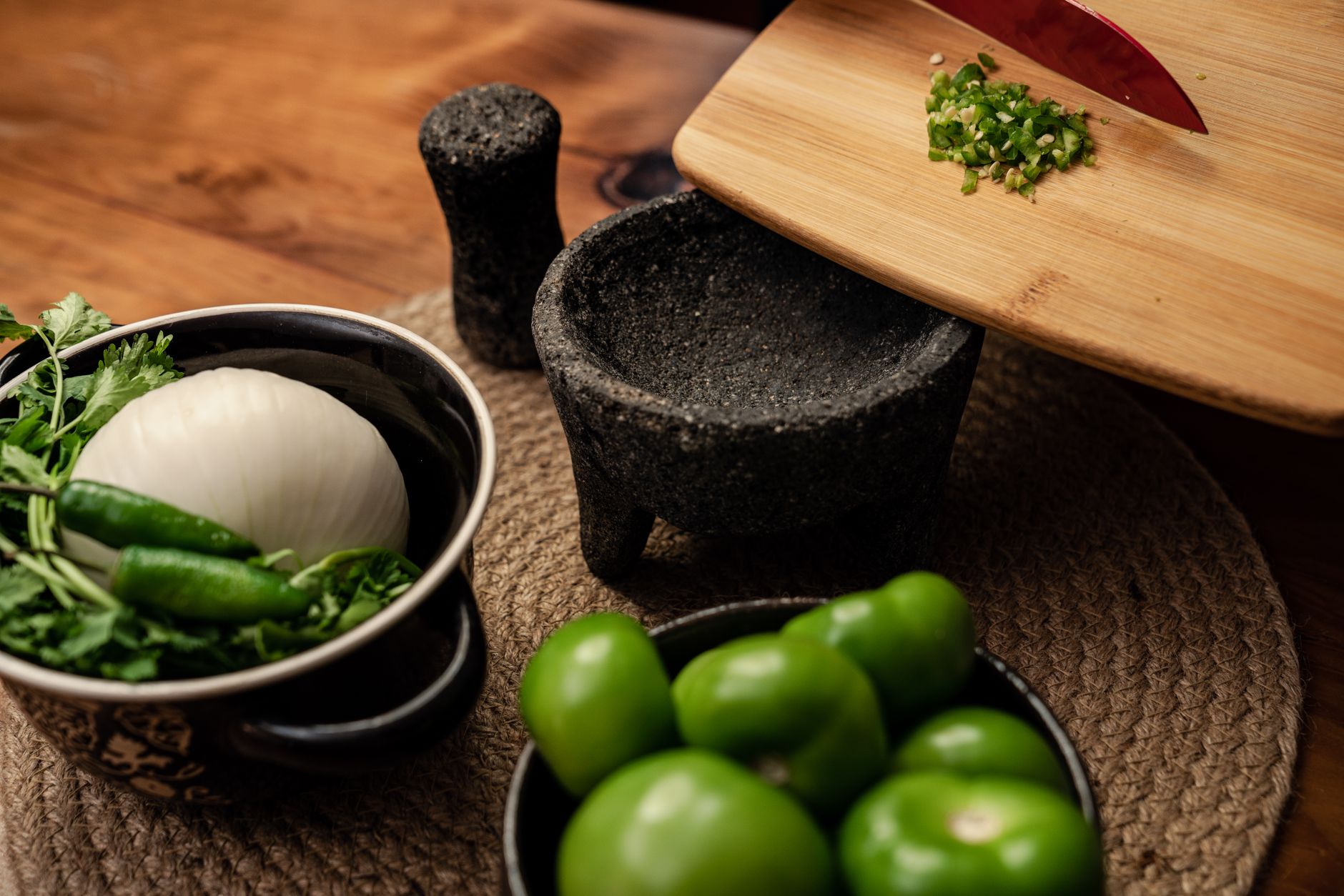
Why Roasted Tomatillo Salsa?
The tomatillos blister and sizzle in the oven, releasing a bright, citrusy aroma as their green skins turn golden in spots. That gentle roasting softens their sharp edge while adding a light smoky flavor.
Roasted Tomatillo Salsa is a tangy Mexican-style sauce made by roasting tomatillos, jalapeños, onion, and garlic, then pulsing them with cilantro, lime juice, olive oil, and salt. The finished salsa is chunky, fresh, lightly smoky, and ready in about 35 minutes. Serve it with tortilla chips, tacos, burritos, grilled chicken, eggs, or roasted vegetables.
I have made this salsa many times, and the small details matter. Keeping the food processor on pulse preserves a pleasant texture, while adding the oil slowly prevents the mixture from becoming watery. The recipe makes about 5 cups, so it works well for a party or several meals.
Health Benefits & Nutrition
This salsa brings fresh vegetables, herbs, and citrus together without added sugar. Its nutrition will vary slightly with the size of the vegetables and the amount of oil used, but each serving offers several useful qualities:
- Tomatillos provide fiber and vitamin C. Their tart green flesh adds fiber while contributing vitamin C to the recipe.
- Fresh produce adds plant variety. Tomatillos, onion, jalapeños, garlic, cilantro, and lime each contribute different flavors and plant nutrients.
- Olive oil adds satisfying fat. The oil carries the roasted flavors and gives the salsa a smoother, more rounded mouthfeel.
- The recipe is naturally low in cholesterol. It contains no meat, eggs, or dairy, making it suitable for many plant-based eating patterns.
For an estimate, one of ten servings contains about 85 calories, 6 grams of fat, 7 grams of carbohydrates, 2 grams of fiber, and 1 gram of protein. These numbers are approximate and depend on the exact ingredients used.
Jalapeños can irritate sensitive mouths or stomachs, and cilantro may cause an allergic reaction for some people. If you need advice related to a medical condition, medication, pregnancy, or a specific dietary restriction, consult a qualified doctor or dietitian.
Ingredients & Preparation
Recipe Card
| Prep time | Cook time | Total time | Servings | Calories (approx.) | Diet tags |
|---|---|---|---|---|---|
| 15 minutes | 20 minutes | 35 minutes | 10 servings, about 5 cups | 85 per serving | Vegan, vegetarian, dairy-free, gluten-free |
Full Ingredient List
- 2 pounds fresh tomatillos, husked and well rinsed
- 2 fresh jalapeño peppers
- 1 medium white onion, quartered
- 4 tablespoons olive oil, divided
- 4 garlic cloves, unpeeled
- 1/2 cup loosely packed fresh cilantro leaves
- Juice of 1/2 lime
- 1 teaspoon kosher salt, plus more to taste
Equipment Needed
- Large rimmed baking sheet
- Food processor
- Chef’s knife and cutting board
- Heatproof spatula or tongs
- Small bowl for cooling the roasted garlic
- Clean storage container with a tight-fitting lid
Tips for Choosing Quality Ingredients
Choose tomatillos with firm, bright green skin and papery husks that are not moldy or excessively dried out. The fruit should feel heavy for its size. A few small marks are fine, but avoid tomatillos with soft patches or a fermented smell.
White onion gives the cleanest, sharpest flavor here. Yellow onion also works, but it tastes slightly sweeter after roasting. Select jalapeños that are firm and glossy. For a milder salsa, use smaller peppers and remove their seeds after roasting.
Fresh cilantro should look perky rather than wilted. Use a mild olive oil because a strongly peppery oil can overpower the tomatillos. Rinse the fruit after removing the husks; the sticky coating underneath is normal but can taste unpleasant if left behind.

Step-by-Step Instructions
1. Heat the oven and prepare the vegetables
Set the oven to 450°F and allow it to heat for about 10 minutes. Remove the papery husks from the tomatillos, rinse away their sticky coating, and dry them. Arrange the tomatillos, whole jalapeños, and quartered onion on a large rimmed baking sheet. Drizzle with 1 tablespoon of olive oil and turn the vegetables until lightly coated.
2. Roast until lightly charred
Roast the vegetables at 450°F for 7 minutes. Turn the tomatillos, jalapeños, and onion with tongs, then add the four unpeeled garlic cloves. Roast for another 7 to 8 minutes, until the tomatillos soften, the onion edges show brown spots, and the garlic smells sweet and fragrant. The vegetables should sizzle when moved, but they do not need deep black charring.
3. Cool and prepare the roasted vegetables
Let the vegetables cool on the baking sheet for 5 minutes, just until they are safe to handle. Peel the garlic and discard the skins. Cut the stems from the jalapeños. Remove the seeds for less heat, or leave some seeds in for a hotter salsa. The first time I made this, I blended the vegetables while they were still piping hot, which produced a thinner salsa and made the food processor lid puff with steam. A short cooling period gives you better control.
4. Pulse the salsa mixture
Add the roasted tomatillos, jalapeños, onion, and peeled garlic to a food processor. Pulse 8 to 10 times for 1-second pulses, scraping the bowl once if needed. Add the cilantro, lime juice, and 1 teaspoon kosher salt, then pulse 3 to 4 more times. Stop when the salsa is combined but still has small pieces of onion and tomatillo visible.
5. Add the oil and adjust the seasoning
Set the food processor to low and slowly stream in the remaining 3 tablespoons of olive oil over 20 seconds. Taste after 30 seconds of resting, then add more salt or lime juice if needed. The finished salsa should look loose enough to spoon easily but should not resemble a smooth green purée. Serve immediately or chill for up to 4 days.

Variations & Substitutions
Mild roasted salsa: Replace both jalapeños with one poblano pepper. Roast it with the other vegetables, then remove the stem and seeds before blending. The result is earthy and gently peppery without much heat.
Hotter version: Keep the seeds from both jalapeños and add one small serrano pepper. Use the serrano in place of one jalapeño, not in addition to both, if you want heat with a cleaner flavor.
Creamier salsa: Replace 1 tablespoon of the olive oil with 2 tablespoons of ripe avocado. Add the avocado during the final pulse. This makes the salsa thicker, so stir in 1 to 2 tablespoons of water if it becomes difficult to spoon.
Roasted tomato variation: Replace 1/2 pound of tomatillos with 1/2 pound of plum tomatoes. The salsa will be sweeter and less tart. Roast the tomatoes with the tomatillos and follow the same instructions.
Oil-free option: Omit the olive oil and add 2 tablespoons of water during blending. The salsa will taste brighter and feel less rich, but the roasted vegetables will still provide plenty of flavor.
I tried using dried cilantro in an earlier batch, and it did not work well. It added a dusty herbal note instead of the fresh finish this salsa needs, so fresh cilantro is the better choice.
Storage & Shelf Life
Store the cooled salsa in a clean, airtight container in the refrigerator for up to 4 days. Press a piece of food-safe parchment or plastic wrap directly against the surface before sealing if you want to reduce air exposure and prevent the top from darkening.
For longer storage, freeze the salsa in small containers or silicone freezer trays for up to 2 months. Leave a little space at the top because the mixture expands as it freezes. Thaw it overnight in the refrigerator, then stir well. The texture may be slightly softer after freezing, but the flavor remains useful for tacos, soups, and cooked dishes.
Discard the salsa if it develops mold, a fizzy or fermented smell, unusual bubbling, a slimy texture, or a strongly sour taste that was not present when it was fresh. Do not taste food to decide whether visibly moldy salsa is safe.
Pro Tips
Control moisture on the baking sheet. Do not crowd the vegetables in a small pan. Extra moisture causes them to steam instead of roast, leaving the salsa watery and less flavorful. A large rimmed sheet gives the tomatillos room to brown.
Use the pan juices carefully. The baking sheet may collect a little roasted tomatillo juice. Add only the vegetables to the food processor at first. If the salsa seems too thick, add the juices one teaspoon at a time rather than pouring everything in.
Pulse instead of blending continuously. Continuous blending breaks down the onion and seeds too aggressively. Short pulses create a salsa with small, distinct pieces and prevent the mixture from becoming foamy.
Balance tartness after resting. Tomatillos can taste sharper when they are hot. Let the salsa sit for 5 to 10 minutes before making the final seasoning decision. Add salt first, then lime juice only if the flavor still needs brightness.
Prevent green stains. Use a glass or stainless-steel cutting board when possible, and rinse the food processor bowl soon after use. Tomatillo juice can leave a green film if it dries on plastic.
Keep the cilantro fresh. Add the leaves near the end rather than roasting them. Roasting cilantro makes the flavor dull and can turn the salsa slightly bitter.
Questions & Answers
When is the best time to eat Roasted Tomatillo Salsa?
The best time to eat this salsa is after it rests for 5 to 10 minutes, when the salt, lime, and roasted flavors have settled together. It is also delicious chilled for a sharper taste. Serve it with chips, tacos, eggs, grilled meats, rice bowls, or spoon it over warm beans and roasted vegetables.
Can I make this salsa without a food processor?
Yes, you can make it without a food processor by finely chopping the roasted vegetables with a knife. Start with the onion and jalapeños, then chop the tomatillos and garlic. Combine everything in a bowl with cilantro, lime juice, salt, and oil. The texture will be more rustic but still flavorful.
How can I make the salsa less spicy?
Remove the jalapeño stems and seeds before processing to reduce the heat. For an even milder result, use one poblano pepper instead of two jalapeños. You can also increase the tomatillos by 1/2 pound, but taste and adjust the salt and lime because the extra fruit will dilute the seasoning.
Why is my tomatillo salsa watery?
Watery salsa usually comes from over-roasting, overcrowding the pan, or adding too much liquid from the baking sheet. Roast the vegetables in a single layer, allow them to cool, and add the olive oil gradually. If the salsa is already thin, pulse in another roasted tomatillo or chill it before serving.
Can I roast the vegetables on a grill?
Yes, grill the tomatillos, jalapeños, and onion over medium-high heat for 8 to 12 minutes, turning often. Add the garlic in a small foil packet for the final 5 minutes. Remove the vegetables when they have softened and developed browned spots, then continue with the cooling and food processor steps.
Can I use frozen tomatillos?
Yes, frozen tomatillos can work, but thaw and drain them thoroughly first. They contain more moisture and may not brown as readily as fresh fruit. Roast them in a single layer, and expect the finished salsa to be slightly softer. Add the lime juice gradually because frozen tomatillos can vary in tartness.
What can I do with leftover tomatillo salsa?
Use leftover salsa as a sauce for enchiladas, baked fish, chicken, roasted potatoes, or scrambled eggs. Stir a few spoonfuls into rice or black beans for extra acidity. It also makes a flavorful base for a quick green soup when combined with broth and shredded chicken or vegetables.
More Recipes You Will Love
For a warming meal, pair this salsa with our Chicken tortilla soup recipe. A spoonful stirred into the bowl just before serving adds fresh acidity and a mild roasted pepper flavor.
If you enjoy contrasting sweet and spicy flavors, try the Pineapple ginger habanero salsa recipe. Its fruit-forward profile makes a lively topping for grilled fish, shrimp, tacos, and crunchy tortilla chips.
You can also serve both salsas at the same gathering. The tomatillo version brings savory roasted flavor, while the pineapple salsa offers sweetness, heat, and ginger freshness.

Conclusion
Roasted Tomatillo Salsa is an easy way to turn a few fresh vegetables into a bright, smoky sauce with real texture. Roasting softens the tomatillos, sweetens the onion, and gives the garlic a mellow depth. Keep the vegetables in a single layer, pulse rather than purée, and season after the salsa rests. Serve it with chips, tacos, soup, eggs, or grilled foods. If you make it, leave a comment, rate the recipe, or share how you adjusted the heat.
FAQs
When is the best time to eat Roasted Tomatillo Salsa?
The best time to eat Roasted Tomatillo Salsa is within a day or two of making it, when the roasted flavors are bright and the texture is still chunky. It works at any meal: with chips as a snack, spooned over eggs at breakfast, on tacos at lunch, or alongside grilled chicken at dinner. Serve it at room temperature for the fullest flavor, or chilled straight from the refrigerator.
Can I make Roasted Tomatillo Salsa ahead of time?
Yes, you can make Roasted Tomatillo Salsa ahead of time and store it in a clean container with a tight-fitting lid in the refrigerator. Keep it chilled and eat it within a few days for the best texture and flavor. Stir before serving, since the liquid may separate slightly, and adjust the lime juice or salt if needed.
How do I keep tomatillo salsa from getting watery?
To keep Roasted Tomatillo Salsa from getting watery, pulse the ingredients in the food processor instead of running it continuously, and add the olive oil slowly while the machine is running. If the roasted tomatillos look very juicy, drain some of their liquid before blending. Pulsing also helps the salsa stay chunky rather than thin.
Can I substitute something for jalapeños in Roasted Tomatillo Salsa?
You can substitute serrano peppers or other fresh green chiles for jalapeños in Roasted Tomatillo Salsa, though the heat and flavor will change. Serranos are noticeably hotter, while poblanos are milder and add a richer, earthier taste. For less heat without changing the pepper, remove the seeds and ribs after roasting.
Is Roasted Tomatillo Salsa safe for people who dislike spicy food or cilantro?
Roasted Tomatillo Salsa can be made milder, but it is not automatically suitable for everyone. Remove the seeds from the jalapeños and reduce or omit the cilantro if you dislike its taste or have a sensitivity to it. People with medical conditions, medication concerns, or specific dietary restrictions should check with a doctor or dietitian before eating it regularly.