Introduction
How Roasted Squash and Zucchini and Onions Bring Vibrant Flavor and Texture to Your Dinner
Roasted squash and zucchini and onions create a delightful mix of flavors and textures. The oven-roasting method browns the vegetables beautifully, giving them crisp edges while keeping the centers tender and juicy. This roasted summer vegetables recipe brings natural sweetness and a rich, caramelized aroma to your plate. Its an easy dinner side dish that brightens any meal with minimal effort.
Who Benefits Most from This Roasted Vegetable Recipe
This recipe is perfect for anyone seeking healthy roasted vegetable benefits without fuss. It suits vegetarians, vegans, and those on gluten-free or dairy-free diets. If you value quick, nutritious meals or meal prepping, this blend of roasted squash, zucchini, and onions fits right in. Busy home cooks will appreciate how easy it is to customize and scale.
What Sets This Roast Apart from Other Recipes
Unlike steaming or boiling vegetables, this roasting technique for vegetables enhances flavor through caramelization and the Maillard reaction. Tossing the veggies halfway ensures even cooking and prevents soggy roasted vegetables, a common pitfall. The end result delivers a perfect balance of crispy and tender textures, unlocking earthy, sweet notes few recipes achieve.
Key Highlights
The Science Behind Perfect Roasted Vegetables: Maillard Reaction Unlocks Flavor
When you roast squash, zucchini, and onions at high heat, the Maillard reaction occurs. This chemical process browns sugars and proteins, intensifying flavors and producing complex, savory aromas. It transforms simple vegetables into a rich, golden-hued side dish that sings with caramelized sweetness and subtle earthiness.
Versatility and Nutritional Value
This dish packs fiber, vitamins A and C, and antioxidants, making it both filling and nourishing. It pairs wonderfully with grilled meats, grains, or can stand on its own in vegan dinner recipes. The natural sweetness and tender textures make it a versatile choice any night of the week.
Caution for Specific Dietary Concerns
Most people can enjoy roasted squash and zucchini and onions without worry. Those with nightshade sensitivities should double-check their seasoning blends to avoid issues. Other than that, its free from common allergens and safe for children and adults alike.
Ingredients & Preparation
| Prep time | Total time | Servings | Calories | Diet tags |
|---|---|---|---|---|
| 10 minutes | 35 minutes | 4 | 110 per serving | Vegan, Gluten-Free, Dairy-Free |
Full Ingredient List with Quantities and Substitutions
- 2 cups butternut squash, peeled and cubed (or sweet potato)
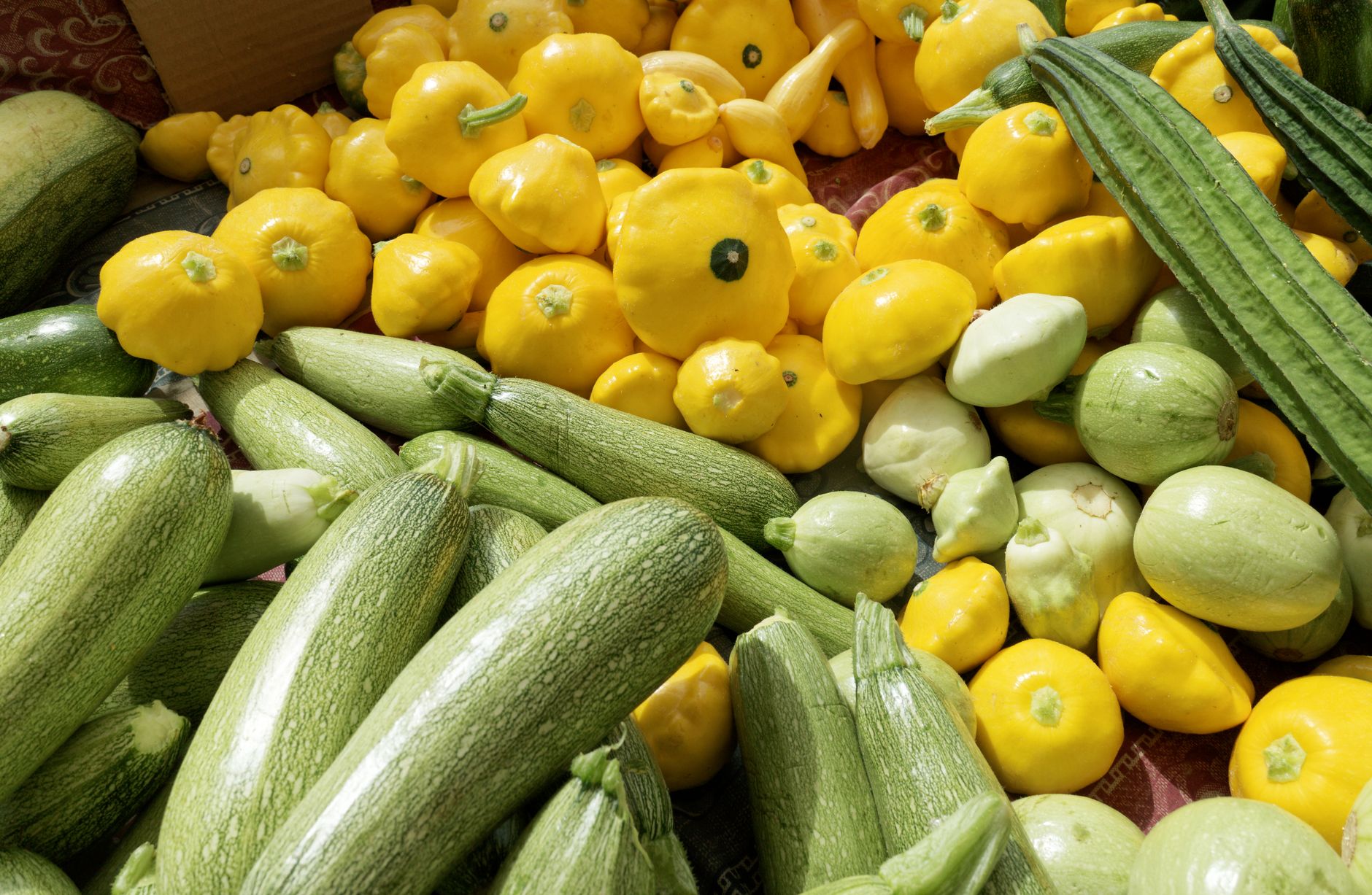
- 2 cups zucchini, sliced into half-moons (yellow squash optional)
- 1 large onion, sliced (red or white)
- 3 tablespoons olive oil (avocado oil for higher smoke point)
- 1 teaspoon sea salt
- teaspoon black pepper
- 1 teaspoon dried thyme or rosemary (optional)
Substitutions: Use coconut oil for paleo diets. Add nutritional yeast if you want a cheesy flavor boost.
Equipment Needed
A sturdy baking sheet or roasting pan with edges is essential to contain the veggies. Use a sharp knife and cutting board for uniform slices, ensuring even roasting and preventing uneven cooking spots. No special appliances required.
Tips for Choosing the Best Ingredients
Pick firm, blemish-free squash and zucchini to ensure freshness. Organic is preferred but not mandatory. Onions with firm skins bring stronger flavor, while fresh herbs lighten the dish; dried herbs work well in a pinch.
Step-by-Step Instructions
Step 1 Prepare the Veggies: Wash, Peel, and Chop Uniformly
Wash all vegetables thoroughly under cold water. Peel the butternut squash carefully; keep zucchini skins for nutrients and bright green color. Cut both squash and zucchini into roughly 1-inch cubes or half-moon slices. Slice the onion into similar thickness to help everything cook evenly.
Step 2 Roast at 425F for 25 Minutes, Tossing Halfway
Preheat your oven to 425F (220C). In a large bowl, toss the veggies with olive oil, salt, pepper, and herbs until well coated. Spread them evenly in a single layer on your baking sheetdont overcrowd. Roast for 12 to 13 minutes, then gently toss the vegetables for even browning. Roast for another 12 to 13 minutes until golden edges form and centers are tender.
Step 3 Season After Roasting and Mix Gently
Remove from the oven and sprinkle an extra pinch of black pepper or fresh herbs if desired. Toss lightly to blend flavors, taking care not to crush the soft vegetables. Avoid adding salt after roasting since it can pull moisture out and make the veggies soggy.
Step 4 Serve Warm or Store in Airtight Container
Serve warm alongside your favorite proteins or grains. If saving leftovers, let the vegetables cool completely before transferring them to an airtight container for refrigeration.
Variations & Substitutions
Popular Dietary Variation: Add Garlic and Chili Flakes for a Spicy Vegan Version
For a lively twist, mince two cloves of garlic and toss with a pinch of chili flakes before roasting. This quick addition makes a punchy vegan dinner recipe suitable for spice lovers, adding warmth and depth to the veggies.
Ingredient Swaps and Their Effects
Try swapping in bell peppers or carrots for added color and sweetness. Adjust roasting time by about 3 to 5 minutes as these vegetables differ in density. Using dried herbs shortens prep time but may dull freshness.
Adjust Flavor Strength and Seasoning
If your vegetables taste mild, add a dash more salt or drizzle with balsamic vinegar right after roasting. For subtler flavors, reduce herbs or shorten cooking time to keep natural sweetness in balance.
Storage & Shelf Life
Refrigeration: Keeps Well 45 Days in a Sealed Glass Container
Place cooled roasted vegetables in airtight glass containers. Refrigerate promptly and consume within 4 to 5 days for best texture and flavor.
Freezing Option: Use Ice Cube Trays for Single-Serve Portions; Freeze up to 3 Months
Freeze leftover veggies by spooning portions into ice cube trays. Once frozen solid, transfer cubes to freezer bags. Defrost in the fridge overnight and reheat gently to retain texture. Use within 3 months.
Make-Ahead Batch: Double or Triple Ingredients; Use Wide, Shallow Roasting Pans
When cooking for a crowd, increase amounts proportionally but spread veggies over large baking sheets to avoid overcrowding. Label containers with content and date to keep track.
Pro Tips & Troubleshooting
Hands-On Tips to Perfect Roasting Every Time
Line your baking sheet with parchment paper to prevent sticking and cut cleanup time. Avoid piling vegetables; a single layer ensures crisp edges and avoids steaming. Tossing gently at the halfway point creates uniform browning. Use a high smoke point oil like avocado oil when possible to prevent burning.
Why Your Roast Might Be Soggy or Bitter and How to Fix It
Soggy vegetables usually mean the pan was overcrowded or the oven temperature too low. For crispy edges, ensure high heat and space. Bitter notes often come from burnt onions or over-roastingtry lowering oven temperature by 25F or reduce cook time slightly next round.
Expert Upgrade: Add a Splash of Lemon Juice Right Before Serving
Brighten the dish with a squeeze of fresh lemon juice after roasting. The acid cuts through sweetness, balancing flavors and awakening the palate with a fresh, tangy zest.

When is the best time to eat roasted squash and zucchini and onions?
These roasted vegetables shine best when served warm, right out of the oven. This preserves the crisp edges and tender interior. They work well as a dinner side or a light main any time you want a quick, flavorful meal.
Can I make a big batch ahead of time?
Absolutely. Roasted squash, zucchini, and onions store well refrigerated for 4 to 5 days. Freeze portions for up to 3 months. Just reheat gently to keep the texture intact, perfect for meal prep or family dinners.
Fresh squash and zucchini or frozen which is better?
Fresh vegetables provide the best texture and flavor for roasting. Frozen squash or zucchini tends to release moisture and become mushy under high heat, which interferes with getting crisp edges.
Is this recipe safe for pregnant women, kids, or people on medication?
Yes, its generally safe as it uses only natural vegetables and common seasonings. There are no known harmful ingredients or allergens. As always, consult a healthcare professional if you have specific diet restrictions or concerns.
How often can I include roasted squash and zucchini and onions in my meals?
Theres no limit to how often you can enjoy this dish. Roasted vegetables complement nearly every meal. Including them multiple times a week promotes healthy eating and variety in your vegetable intake.
Why does my roasted squash and zucchini taste bitter?
Bitterness typically comes from overcooking, which burns delicate sugars, or from using overly mature vegetables. Try reducing oven temperature or cook time. Selecting fresh, firm squash and onions helps minimize bitterness.
What pairs well with roasted squash and zucchini and onions?
They pair beautifully with grilled chicken, sauted tofu, or hearty grains like quinoa. You might also enjoy adding them alongside a fresh salad to create a balanced, nutrient-rich plate.
For extra inspiration, check out this how to grill squash in the oven tutorial. It offers a slightly different approach that complements the roasting technique outlined here.
More Recipes You Will Love
Roasted Root Vegetables with Herbs hearty dinner side similar in style
Try this hearty roasted root vegetable medley with rosemary and garlic. Its a comforting companion to any main course on chilly evenings.
Quinoa Salad with Roasted Vegetables a nutritious cross-category meal
Combine roasted vegetables with quinoa and fresh herbs for a protein-packed, vibrant lunch packed with texture and flavor.
Winter Comfort Baked Pasta with Squash seasonal recipe for colder months
This creamy baked pasta features roasted squash and is a cozy option to warm your home during the cold season.
Conclusion
Roasted squash and zucchini and onions create an easy, healthy dinner option full of caramelized flavor and satisfying textures. The oven-roasting method unlocks the natural sweetness and adds crisp edges that make every bite a delight. Give this recipe a try tonight, then drop a comment or rating to share your experience. For another tasty vegetable side, explore our Roasted Root Vegetables with Herbs recipe and enjoy the variety.
FAQs
When is the best time to eat roasted squash and zucchini and onions?
Roasted squash and zucchini and onions are best served warm, right out of the oven. This preserves their crisp edges and tender centers, making them perfect as a flavorful side dish or light main any time you want a quick, delicious meal.
Can I make a big batch of roasted squash and zucchini and onions ahead of time?
Yes, you can prepare large batches and store leftovers in the refrigerator for 4 to 5 days. Freezing single-serve portions for up to 3 months is also great for meal prep. Just reheat gently to preserve texture and flavor.
Is fresh or frozen squash and zucchini better for roasting?
Fresh squash and zucchini are best for roasting because they retain their texture and develop crispy edges. Frozen vegetables release moisture when cooking, often resulting in mushy textures and less desirable crispness.
Why does my roasted squash and zucchini sometimes taste bitter?
Bitterness usually comes from overcooking or using overly mature vegetables. To avoid this, roast at the recommended temperature, monitor cooking time closely, and select fresh, firm squash and onions for best results.
What dishes pair well with roasted squash and zucchini and onions?
These roasted vegetables complement grilled chicken, sautéed tofu, or hearty grains like quinoa. They also work well alongside fresh salads, offering a balanced and nutrient-rich dinner plate.