Why Philadelphia-Style Butter Cake Is a Must-Try
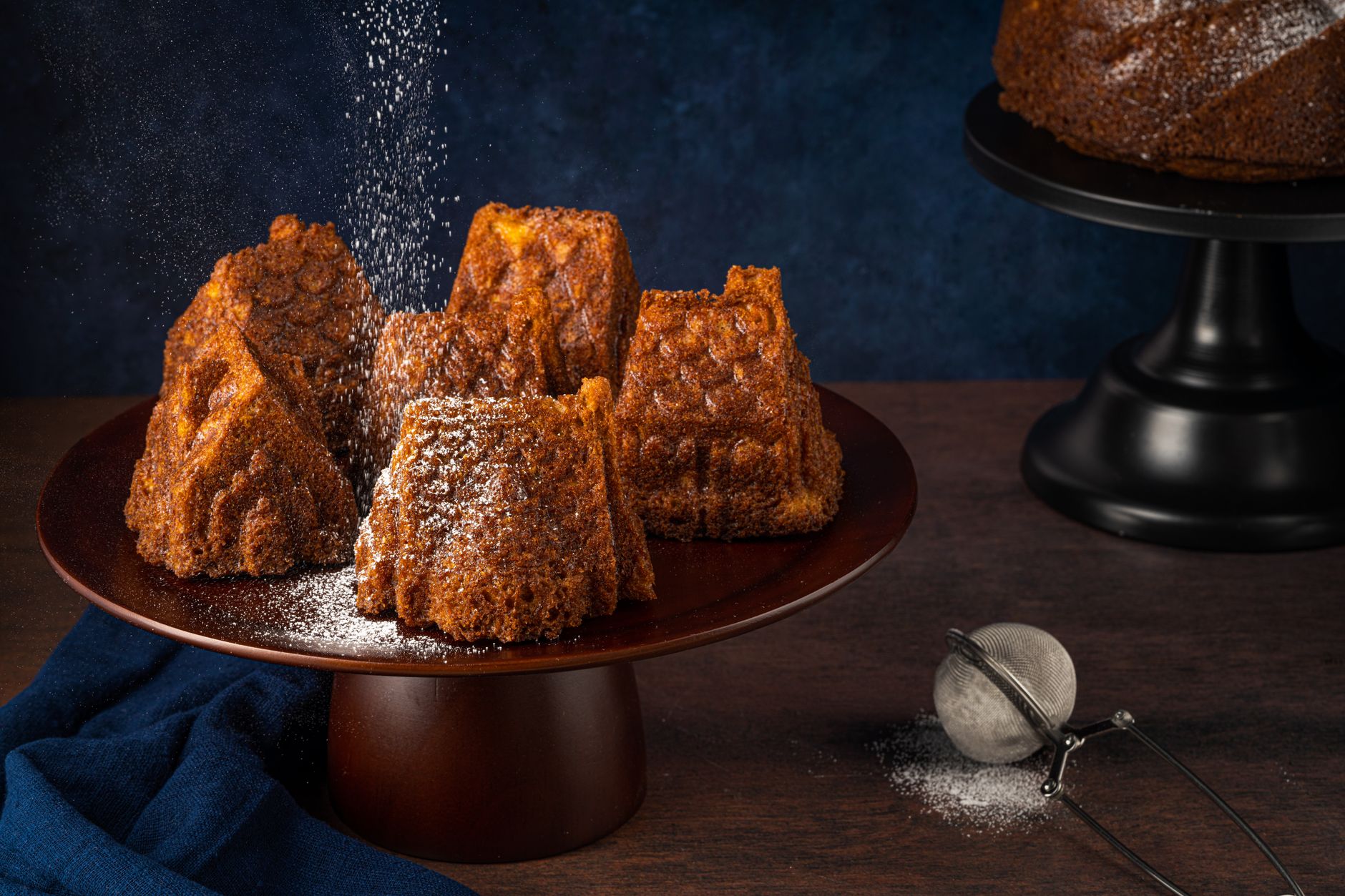
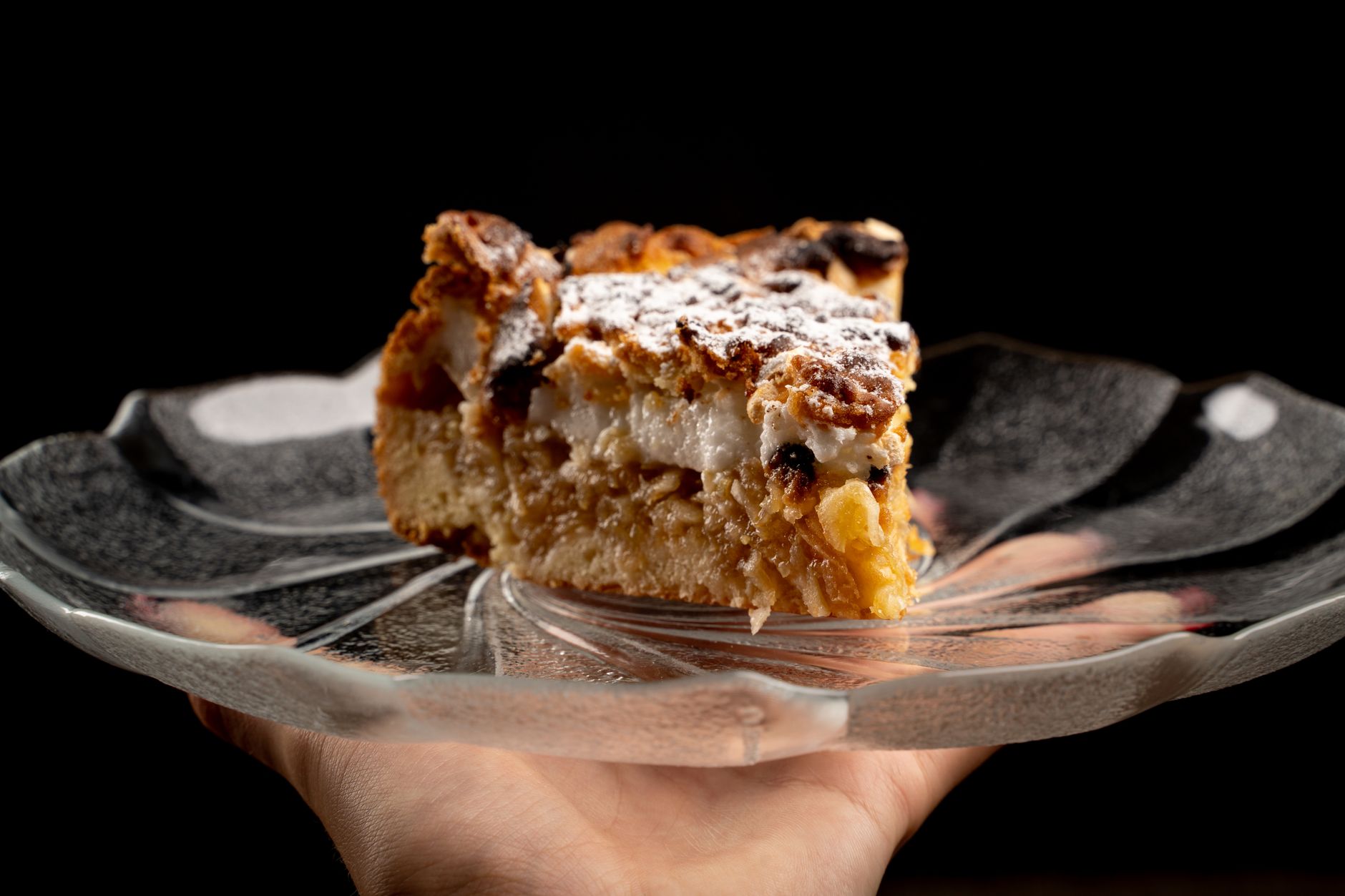
Imagine a golden sheet cake with a crackly crust that gives way to a gooey, buttery vanilla filling—this irresistible treat is Philadelphia-Style Butter Cake. Originating from Northeast Philadelphia, this cake marries a soft yeast dough with a rich filling that melts in your mouth. Its unique texture and aroma bring a comforting warmth that makes every bite unforgettable. You’ll love how this cake balances silky butteriness with a subtle vanilla sweetness. Once you try it, you’ll understand why it remains a cherished favorite across American kitchens.
Health Benefits & Nutrition
While Philadelphia-Style Butter Cake is undeniably indulgent, it‘s possible to appreciate a few benefits tied to its ingredients. Butter provides fat-soluble vitamins like A, D, and E, essential for healthy skin and immune function (Harvard T.H. Chan School of Public Health). Eggs contribute high-quality protein and choline, supporting brain health. Though rich in calories and fat, enjoying this cake as an occasional treat fits well within a balanced diet. Always be mindful if managing cholesterol or saturated fat intake. Since this recipe contains dairy and eggs, it’s not suitable for those with allergies or dietary restrictions.
Ingredients & Preparation
Recipe Card
| Prep Time | Total Time | Servings | Calories (per serving) | Diet Tags |
|---|---|---|---|---|
| 25 minutes | 3 hours 20 minutes | 10-12 | 469 | Vegetarian |
Full Ingredient List
- Dough: 1/2 cup whole milk
- 1/4 oz packet active dry yeast
- 4 tbsp unsalted butter, room temperature (plus extra for pan)
- 1/4 cup granulated sugar
- 1/2 tsp kosher salt
- 1 large egg, room temperature
- 2 tsp pure vanilla extract
- 2 1/4 cups all-purpose flour
- Vegetable oil for greasing
- Filling: 2 sticks (1 cup) unsalted butter, room temperature
- 2 cups superfine sugar
- 2 large eggs, room temperature
- 5 tbsp whole milk
- 2 tsp pure vanilla extract
- 2/3 cup all-purpose flour
- 1 tsp kosher salt
Equipment Needed
- Stand mixer with paddle and dough hook attachments
- Small saucepan
- 9x13-inch baking pan
- Measuring cups and spoons
- Plastic wrap
- Mixing bowls
Tips for Choosing Quality Ingredients
For the creamiest filling, select high-fat unsalted butter such as European-style butter. Fresh whole milk enriches the dough’s flavor and texture better than low-fat versions. Use active dry yeast fresh from a sealed packet for reliable rising. Pick organic, pasture-raised eggs if possible to enhance richness. Choose pure vanilla extract over imitation for the most authentic aroma. Finally, sift your all-purpose flour to avoid lumps and encourage even mixing.
Step-by-Step Instructions
Step 1: Activate the Yeast (5 Minutes)
Heat 1/2 cup whole milk in a small saucepan over low heat until it reaches 105–115°F (warm to the touch but not hot). Pour into a bowl and sprinkle the yeast over the surface. Let it sit undisturbed for 5 minutes until foamy.
Step 2: Prepare the Dough (10 Minutes)
In a stand mixer fitted with the paddle attachment, cream 4 tablespoons of butter, 1/4 cup sugar, and 1/2 teaspoon kosher salt on medium speed until smooth, about 1 minute. Add the egg and 2 teaspoons vanilla extract, mixing 1 minute until fully combined. Switch to the dough hook attachment. Add 2 1/4 cups flour and the activated yeast mixture, starting on low speed. Increase to medium and knead for 2–3 minutes until a soft dough forms that pulls away from the bowl.
Step 3: First Rise (1–1.5 Hours)
Lightly oil a large bowl with vegetable oil. Transfer the dough, turning it to coat all sides. Cover tightly with plastic wrap and leave in a warm place until doubled in size, about 1 to 1.5 hours.
Step 4: Prepare the Pan & Shape Dough (5 Minutes)
Grease a 9x13-inch baking pan thoroughly with butter. Turn the risen dough into the pan and gently press with your fingers to spread evenly without tearing.
Step 5: Make the Filling (5 Minutes)
In a mixing bowl, beat 2 sticks of softened butter with 2 cups superfine sugar until creamy. Add 2 eggs, 5 tablespoons milk, and 2 teaspoons vanilla, mixing well. Stir in 2/3 cup flour and 1 teaspoon kosher salt until smooth.
Step 6: Assemble & Bake (50 Minutes)
Spread the filling evenly over the dough in the pan. Bake in a preheated oven at 350°F for 50 minutes until the top is golden brown and crackly. Allow the cake to cool completely before slicing.
Variations & Substitutions
- Whole Wheat Flour: Substitute up to half of the all-purpose flour with whole wheat for a nuttier flavor and added fiber. Adjust rising time slightly as whole wheat dough tends to be denser.
- Almond Extract: Replace 1 teaspoon of vanilla extract in the filling with almond extract for a fragrant twist.
- Lactose-Free Milk: Use lactose-free or plant-based milk alternatives like oat or almond milk in the dough and filling to make it dairy-friendly. Keep butter as is or switch to vegan butter for full dairy-free.
- Chocolate Chips: Sprinkle 1 cup of chocolate chips over the filling before baking to add a sweet crunch.
Storage & Shelf Life
Store leftover Philadelphia-Style Butter Cake in an airtight container at room temperature for up to 2 days. To extend freshness, wrap tightly and refrigerate for 4 to 5 days. When refrigerating, let the cake come to room temperature before serving to bring back its buttery softness.
For longer storage, freeze the cooled cake wrapped in plastic wrap and aluminum foil for up to 3 months. Thaw overnight in the fridge, then warm at 300°F for 10 minutes to revive the golden crust and gooey filling.
Discard the cake if you notice any off smells, mold, or unusually soggy texture.
Pro Tips
- Temperature Control: Milk temperature between 105–115°F activates the yeast perfectly without killing it. Use a thermometer for accuracy.
- Kneading: Avoid over-kneading when mixing dough. It should be soft and elastic but not stiff. This keeps the crumb tender.
- Even Filling Layer: Spread the filling gently in a thin, uniform layer to prevent sinking. This helps create that gooey center characteristic of Philadelphia-Style Butter Cake.
- Cooling: Allow the cake to cool fully in the pan so the filling sets nicely. Cutting too early causes the butter layer to run out.
When is the best time to eat Philadelphia Style Butter Cake?
This cake shines as an afternoon treat alongside a cup of coffee or tea. It’s also perfect for celebrations, brunches, or any cozy gathering where its buttery richness can be savored slowly.
Can I make Philadelphia-Style Butter Cake ahead of time?
Yes, you can prepare the cake a day in advance. Bake it, let it cool, and store tightly covered. Warm it slightly before serving for a fresh-baked experience.
Is Philadelphia-Style Butter Cake suitable for beginners?
Definitely. The recipe uses simple ingredients and straightforward steps. Just allow time for the dough to rise, and you’ll get impressive results with minimal effort.
Can I substitute active dry yeast with instant yeast?
Yes, use instant yeast but reduce it to about 75% of the amount. Instant yeast can be mixed directly with flour, so skip the activation step.
How do I avoid the cake becoming too greasy?
Use room temperature butter and ensure it’s well incorporated in both dough and filling. Avoid overusing butter to grease the pan – a light coating is sufficient.
Is this cake gluten-free or can it be adapted?
Traditional Philadelphia-Style Butter Cake contains wheat flour and is not gluten-free. For adaptation, use a gluten-free all-purpose flour blend with xanthan gum and expect a slightly different texture.
What’s the best way to serve this cake?
Serve at room temperature or slightly warm to enjoy the silky filling fully. Pair with fresh fruit or a dollop of whipped cream for an extra indulgence.
More Recipes You Will Love
If you enjoy rich, buttery desserts like this cake, you might like trying the Cheesecake factory vinaigrette recipe for a fresh homemade salad dressing that pairs beautifully with vibrant, creamy dishes. For bakers interested in mastering foundational skills, a foolproof pie crust recipe 1915025 will elevate your dessert game with flaky, buttery bases—perfect companions to decadent fillings like this butter cake.
Exploring these recipes adds variety to your kitchen while complementing the classic American flavors you love.
Conclusion
Philadelphia-Style Butter Cake offers a truly unique dessert experience, combining a soft yeast dough with a luscious, buttery filling that delights every palate. The golden crackly top contrasts beautifully with the creamy interior, inviting you to savor each bite. Whether you’re an experienced baker or just starting, this recipe fits perfectly in any kitchen. Try it yourself and share your results or tips in the comments below—we’d love to hear your take on this classic American treat.
FAQs
When is the best time to eat Philadelphia Style Butter Cake?
Philadelphia Style Butter Cake is perfect for any occasion, especially during afternoon tea, family gatherings, or as a comforting dessert after dinner. Its rich buttery flavor makes it a great treat for holidays and celebrations.
Can I make Philadelphia Style Butter Cake ahead of time?
Yes, you can prepare the cake a day in advance. Store it covered at room temperature or in the refrigerator. Bring it to room temperature before serving to enjoy its full buttery texture and flavor.
Is Philadelphia Style Butter Cake suitable for vegetarians?
Yes, this cake is vegetarian-friendly since it contains no meat or gelatin. However, it does include dairy and eggs, so it is not suitable for vegans or those with certain allergies.
What makes Philadelphia Style Butter Cake unique compared to other butter cakes?
Unlike typical butter cakes, this version uses a yeast dough base that creates a soft, airy texture combined with a rich, gooey vanilla butter filling. The crackly crust adds a distinct contrast in every bite.
Can I substitute ingredients to make the cake dairy-free?
Traditional recipes rely heavily on butter, milk, and eggs, making substitutions challenging without altering the texture. Using dairy-free butter and plant-based milk may work, but the yeast dough and filling texture might differ significantly.