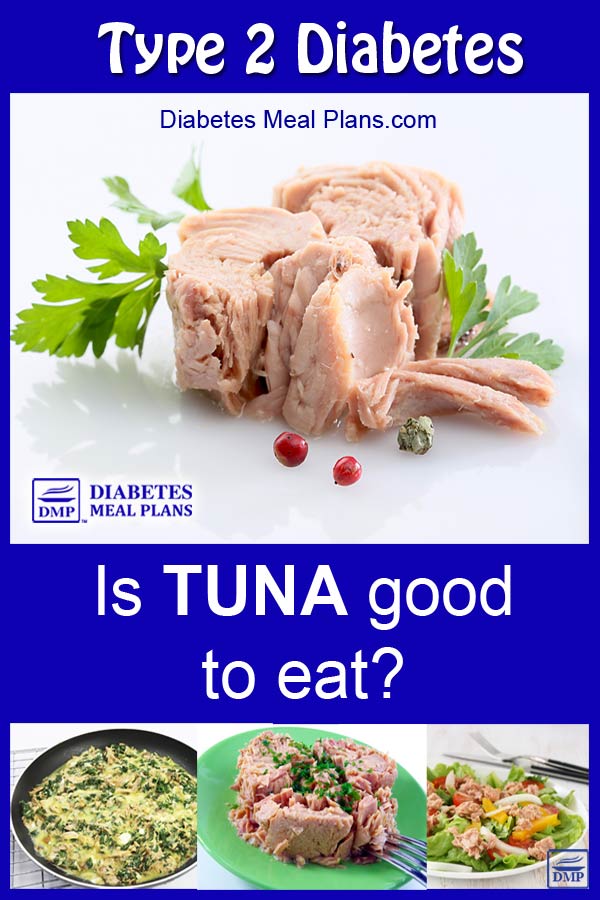
Short answer: tuna itself is a diabetes‑friendly powerhouse, but the mayo you drizzle on top can either be a harmless sidekick or a sneaky calorie‑and‑fat bomb. The bottom line? Choose the right tuna, pick a smart mayo, and keep portions in check, and you’ll have a tasty, low‑carb snack that won’t derange your blood‑sugar.
In the next few minutes we’ll break down the nutrition, answer “how much tuna can a diabetic eat?”, point you toward the best canned tuna and mayo choices, bust a few myths, and hand you three simple recipes you can whip up tonight. Grab a cup of coffee (or a glass of water, if you’re watching carbs) or even a quick diabetic milkshake recipe for a low‑sugar boost, and let’s dive in.
Nutrition Snapshot
Understanding why tuna is often lauded by dietitians starts with the numbers. Below is a quick side‑by‑side comparison of a typical 85‑gram (3‑ounce) can of tuna packed in water and a tablespoon of mayonnaise.
| Component | Tuna (water, 85g) | Mayonnaise (1 Tbsp) |
|---|---|---|
| Calories | 70 kcal | 90‑100 kcal |
| Carbohydrates | <1g | <1g |
| Protein | 15g | 0g |
| Total Fat | 0.5g (mostly omega‑3) | 10g (mostly oil) |
| Sodium | 200‑300mg | 70‑90mg |
That table tells a simple story: tuna gives you high‑quality protein and heart‑healthy omega‑3s with almost no carbs, while mayo adds calories and fat, but virtually no carbs. For a person managing diabetes, the carbohydrate count is the hero‑stay low in both ingredients, yet the extra fat can affect insulin sensitivity if you overdo it.
Why tuna is a superfood for diabetes
Omega‑3 fatty acids, especially EPA and DHA, have been shown to improve insulin sensitivity and reduce inflammation. A review in Diabetes Care notes that regular fish intake correlates with modest drops in fasting glucose. Add in the high‑protein content, which helps keep you full longer, and tuna becomes an excellent low‑glycemic option.
What’s in mayonnaise that matters
Most store‑bought mayo is an emulsion of egg yolk, oil (often soybean or canola), vinegar or lemon juice, and a pinch of salt. The type of oil determines the fat profile—olive‑oil‑based mayo offers more monounsaturated fats, which are gentler on blood‑lipid levels than the polyunsaturated‑heavy varieties. Some light mayos replace part of the oil with water or skim milk, slashing calories by up to 40%.
Calorie versus carb impact
Even though mayo is carb‑free, its calorie density matters because excess calories can lead to weight gain, a major driver of insulin resistance. A single tablespoon adds roughly 100 kcal, which on a 1,800‑calorie daily plan is only 5%—still okay if you’re mindful, but double that and you’re quickly drifting into overeating territory.
Tuna Portion Guide
How much tuna can a diabetic eat? is a common question, and the answer hinges on overall daily calorie goals, medication timing, and personal tolerance. Here’s a practical framework you can adapt.
Recommended weekly servings
Most nutritionists suggest 2‑3 servings of fish per week, with each serving about 150‑200g of cooked fish. For canned tuna, that translates to roughly 1 to 2 cans (each 85g) per day, provided you balance the rest of your meals for total calories and sodium.
Portion‑size calculator
Think of a can of tuna as a protein brick. One brick (120g) supplies ~20g of protein and ~80 kcal. If you’re pairing it with a tablespoon of mayo, you’re looking at ~180 kcal total—a modest snack for most adults.
Interaction with meds
If you’re on metformin or a sulfonylurea, a high‑fat snack can delay gastric emptying, causing a slower rise in glucose—a good thing for some, but it might also mask hypoglycemia symptoms. The safest route is to keep mayo portions ≤2 Tbsp per meal and monitor your blood sugar afterward for a few days to see how your body reacts.
Sample daily meal plan
Below is a quick sketch of a 1,800‑kcal day where tuna‑mayo appears twice without upsetting blood‑sugar control.
| Meal | Food | Approx. Net Carbs | Calories |
|---|---|---|---|
| Breakfast | Greek yogurt + berries | 12g | 250 |
| Midmorning | Small apple | 15g | 80 |
| Lunch | Tuna (85g) + 1 Tbsp light mayo + lettuce wrap | 2g | 180 |
| Afternoon snack | Almonds (15g) & a side of chips and dip for diabetics | 4g | 150 |
| Dinner | Grilled chicken, quinoa, steamed broccoli | 30g | 500 |
| Evening snack | Tuna (85g) + 1 Tbsp avocado mayo + cucumber slices | 3g | 190 |
| Total | 64g | 1,290 |
Notice the net carbs stay comfortably under the typical 45g/meal target for many type‑2 plans, while the extra calories are well within a daily budget.
Best Canned Tuna
Not all cans are created equal. Here’s what to scan for at the grocery aisle.
Water‑packed vs. oil‑packed
Water‑packed tuna is the clear winner for a low‑fat diet. One can contains ~70 kcal versus 150 kcal for oil‑packed. If you love the richer mouthfeel of oil‑packed, limit the mayo you add later, or rinse the tuna briefly under cold water to strip excess oil.
Species matters
Albacore (white tuna) has a higher omega‑3 content but also a bit more mercury. Skipjack (light tuna) has less mercury and still provides a decent EPA/DHA dose. For most people, alternating between the two keeps things safe and flavorful.
Sodium‑low brands
Look for “no‑salt added” or “low‑sodium” labels. A few reliable picks:
| Brand | Protein (g/85g) | Omega‑3 (mg) | Sodium (mg) | Price (USD/Can) |
|---|---|---|---|---|
| Starkist Light | 15 | 250 | 130 | 0.90 |
| Bumble Bee No‑Salt | 16 | 220 | 120 | 1.00 |
| Wild Planet Albacore | 20 | 400 | 150 | 1.40 |
Real‑world anecdote
John, a 58‑year‑old with type‑2 diabetes, switched to low‑sodium skipjack and reduced his daily mayo portion to one tablespoon. After four weeks he logged a 5 mg/dL drop in fasting glucose—an encouraging nudge that small tweaks add up.
Mayonnaise Safety Check
If you’ve ever wondered “is mayonnaise good for diabetics?” the short answer is: it’s not a sugar problem, but the fat content can be. Here’s how to keep it friendly.
Carb count—why it’s not a concern
Most mayos contain <1g of carbs per tablespoon, so they won’t spike glucose directly. The hidden trouble is the extra calories that can contribute to weight gain, a known factor worsening insulin resistance.
Choosing a healthier mayo
When scanning the label, prioritize:
• Olive‑oil or avocado‑oil bases (more monounsaturated fats).
• Light or reduced‑fat versions that replace part of the oil with water or Greek yogurt.
• Low‑sodium formulations, if you’re watching your salt.
Portion control tips
One tablespoon is a useful benchmark. If you’re making a sandwich, spread the mayo thinly—think a whisper, not a blanket. For a quick snack, try mixing one tablespoon of mayo with one tablespoon of Greek yogurt; you’ll halve the calories while retaining that creamy texture.
DIY lite mayo recipe
Ingredients: 1 egg yolk, 1 cup olive oil, 1 Tbsp lemon juice, pinch of salt. Whisk the yolk, drizzle oil slowly while whisking, then finish with lemon. You’ll end up with about 8 Tbsp, each roughly 70 kcal—still richer than store‑bought light mayo but free of hidden sugars.
Tuna‑Mayo Recipes
Below are three low‑carb ideas that keep the flavor party going without sending your blood sugar on a rollercoaster.
| Recipe | Net Carbs (g) | Prep Time |
|---|---|---|
| Classic Tuna Salad (1 can + 1 Tbsp light mayo) | 2 | 5 min |
| Tuna‑Avocado Lettuce Wrap (tuna + 1 Tbsp avocado mayo) | 4 | 8 min |
| Spicy Tuna Cups (tuna + 1 Tbsp Greek‑yogurt mayo + sriracha) | 1 | 10 min |
Classic Tuna Salad
Mix one drained can of tuna with a tablespoon of light mayo, a squeeze of lemon, diced celery, and a pinch of pepper. Serve on romaine leaves or a low‑carb tortilla. Net carbs stay under 3 g, and you get 20 g of protein for muscle health.
Tuna‑Avocado Lettuce Wrap
Blend tuna with one tablespoon of avocado‑oil mayo, half a mashed avocado, and chopped red onion. Spoon the mixture into butter lettuce cups. The avocado adds healthy monounsaturated fats that help blunt any post‑meal glucose rise.
Spicy Tuna Cups
Swap mayo for a half‑and‑half mix of Greek yogurt and regular mayo (1 Tbsp total). Add a dash of sriracha, fresh cilantro, and a few sliced jalapeños for heat. Scoop into cucumber or bell‑pepper cups. This version trims the calorie count by ~30% while keeping the creamy texture you love.
Substitutions table
| Original | Swap | Impact |
|---|---|---|
| Regular mayo | Light mayo | -40% calories |
| Mayonnaise | Greek yogurt | -50% calories, +2 g protein |
| Mayonnaise | Mustard | Zero fat, adds tang |
Myths & FAQs
Why is tuna not good for diabetics?
The myth stems from a misunderstanding of protein’s effect on glucose. Protein can stimulate a modest insulin release, but it does not raise blood sugar the way carbs do. In fact, high‑protein meals often blunt post‑prandial spikes, especially when paired with healthy fats.
Is tuna in oil good for diabetics?
Oil‑packed tuna boosts calories and total fat, which can hinder weight‑loss goals. If you love the richer flavor, limit the mayo you add later or choose a light mayo. For strict calorie control, stick to water‑packed.
Is tuna fish sandwich good for diabetics?
Yes—if you replace white bread with a low‑carb alternative (like a whole‑grain pita, a lettuce wrap, or a cloud‑bread bun) and keep the mayo modest. The sandwich then delivers protein, fiber, and minimal carbs.
Is mayonnaise good for diabetics?
It’s not a bad food, but it’s calorie‑dense. Choose light or oil‑rich versions, watch the serving size, and pair it with high‑protein, low‑carb foods like tuna or boiled eggs.
What is the best mayonnaise for diabetics?
Brands such as Primalseafoods Olive Oil Mayo (olive‑oil base, 70 kcal per tbsp) or any light mayo that lists <5 g total fat per tablespoon are solid choices.
How much tuna can a diabetic eat?
Generally 1‑2 cans per day, split across meals, works well for most adults. Adjust based on total daily calories, sodium goals, and personal glucose response.
Actionable Takeaways
Here’s a quick checklist you can print or pin to your fridge:
- Buy water‑packed, low‑sodium tuna (skipjack or albacore).
- Choose light mayo or an olive‑oil‑based mayo; keep portions ≤2 Tbsp per serving.
- Pair tuna‑mayo with leafy greens, cucumber, or low‑carb wraps—not white bread.
- Log your blood sugar 30 minutes after the first tuna‑mayo meal of the week to see your personal response.
- Rotate recipes: classic salad, avocado lettuce wrap, spicy yogurt‑mayo cup.
- For a hearty side dish, try a comforting Finnish meat pie recipe made with a low‑carb crust.
By treating tuna and mayo as building blocks rather than indulgent extras, you’ll enjoy a tasty snack without the guilt and keep your glucose steady.
What’s your favorite way to jazz up a tuna‑mayo combo? Share your ideas in the comments, and let’s keep the conversation going. If you have any lingering questions—whether about portion sizes, specific brands, or blood‑sugar patterns—don’t hesitate to ask. Here’s to delicious, diabetes‑friendly meals!