Why Peanut Brittle
The first bite gives you a loud crack, followed by roasted peanuts and a buttery caramel finish. Homemade peanut brittle looks impressive, yet the ingredient list is surprisingly short.
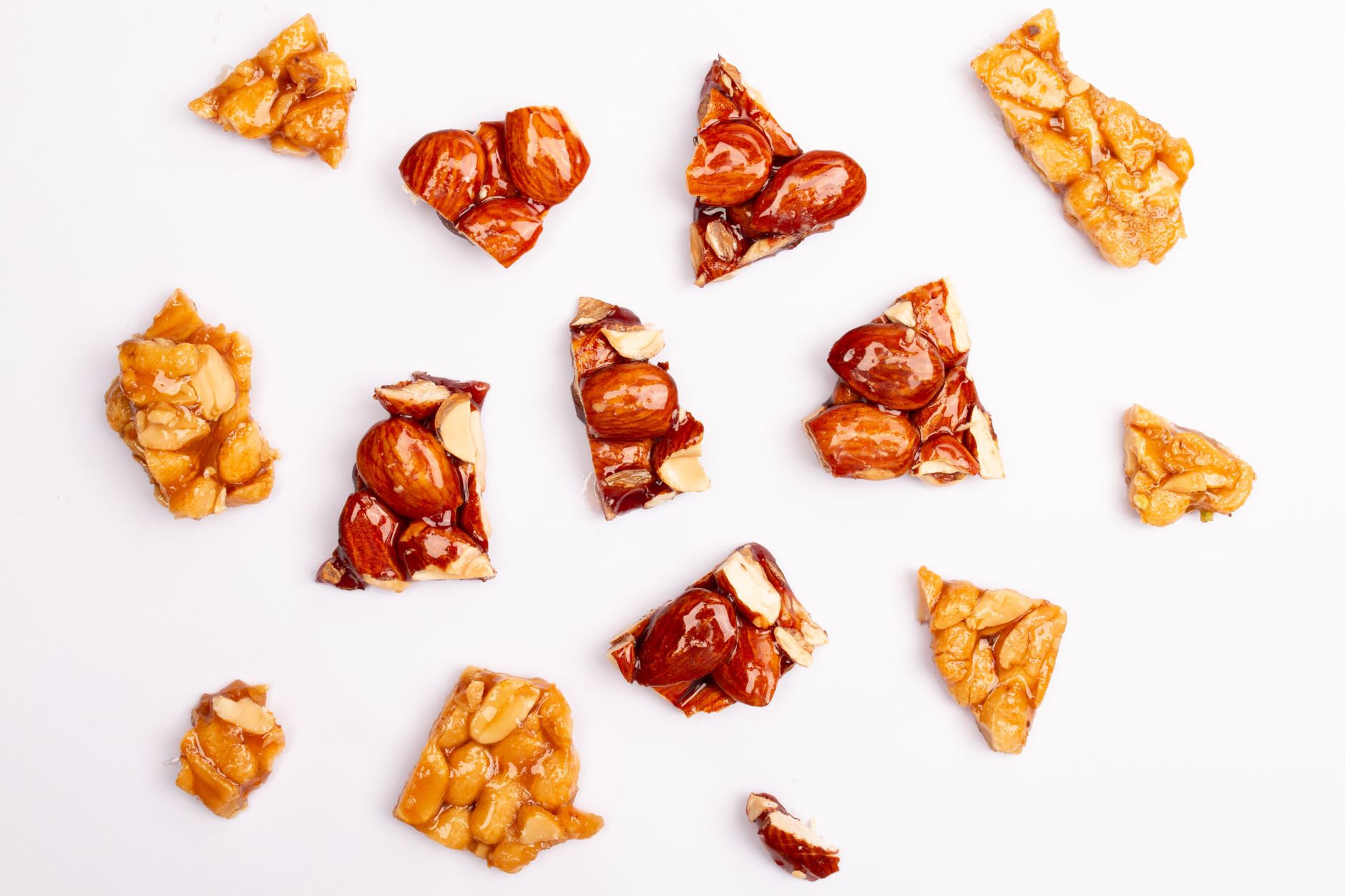
Peanut Brittle is a crisp candy made by boiling sugar and corn syrup to the hard-crack stage, then mixing in peanuts, butter, vanilla, baking soda, and salt. The finished mixture is spread thinly, cooled until firm, and broken into crunchy pieces. A candy thermometer makes the texture much more reliable.
I like this version because it produces a thin, airy crunch instead of a dense slab. The baking soda creates tiny bubbles while the candy is stirred, helping the brittle snap cleanly. It makes a generous batch for holiday tins, edible gifts, or a dessert tray.
Health Benefits & Nutrition
This is a traditional candy, so it is best enjoyed in small portions. The recipe contains sugar, butter, and corn syrup, making it energy-dense rather than an everyday snack. The approximate nutrition below assumes 20 pieces and will vary with the final piece size.
- Peanuts provide protein. The peanuts add plant-based protein, which makes this candy more satisfying than a sugar-only treat.
- Peanuts also contain unsaturated fats. These fats contribute richness and help create the brittle’s pleasantly roasted flavor.
- The recipe supplies quick energy. Sugar and corn syrup are carbohydrates, so the candy is a concentrated source of energy in a small serving.
- Portion size matters. Breaking the sheet into 20 pieces makes it easier to enjoy a small serving while keeping the dessert’s sweetness and calories in perspective.
Peanut brittle is not suitable for anyone with a peanut allergy. It may also contain dairy from the butter. People managing diabetes, food allergies, or other medical conditions should follow advice from their doctor or registered dietitian.
Ingredients & Preparation
Recipe Card
| Prep time | 35 minutes |
|---|---|
| Cook time | 20 minutes |
| Total time | 55 minutes |
| Servings | 20 pieces |
| Calories | Approximately 350 per piece |
| Diet tags | Vegetarian; contains peanuts and dairy |
The prep time includes lining the pan, measuring ingredients, and allowing the candy to cool completely before breaking it. The cooking time can vary by a few minutes depending on your saucepan, burner, and thermometer.
Full ingredient list
- 1 tablespoon vanilla extract
- 1 tablespoon baking soda
- 1 tablespoon fine salt
- 3/4 cup unsalted butter, divided
- 3 cups granulated sugar
- 1 cup light corn syrup
- 1/2 cup water
- 3 cups shelled raw peanuts
Equipment needed
- Large, heavy-bottomed saucepan
- Clip-on candy thermometer
- Rimmed baking sheet or jelly-roll pan
- Heatproof spatula or wooden spoon
- Three small bowls
- Pastry brush, optional
- Oven mitts and a sharp knife for loosening edges
Tips for choosing quality ingredients
Use fresh raw peanuts for the clearest roasted peanut flavor. Shelled peanuts save time and make the recipe easier, but check the package for stale or shriveled nuts. The peanuts continue cooking in the hot syrup, so raw nuts are preferable here.
Choose unsalted butter so you can control the seasoning. Fine salt dissolves quickly and spreads more evenly than coarse flakes. Light corn syrup helps prevent the sugar syrup from crystallizing; do not replace it with maple syrup unless you are prepared for a softer, more strongly flavored candy.
Before heating anything, measure every ingredient. Once the syrup reaches 300°F, you have only a short window to add the final ingredients and spread the candy. I found that setting the vanilla, baking soda, and salt beside the pan prevents frantic measuring at the most important moment.
Step-by-Step Instructions
1. Prepare the pan and finishing ingredients
Time: 5 minutes; temperature: room temperature. Lightly butter a rimmed baking sheet with 1/2 cup of the butter. Measure the vanilla into one small bowl. In a second bowl, combine the baking soda and salt. Keep the remaining 1/4 cup butter nearby, cut into small pieces.
Use a pan with sides, not a completely flat cookie sheet. The hot candy spreads quickly, and a rim helps keep it contained. I also place the pan on a heatproof surface before starting, because the finished mixture must be poured immediately.
2. Start the sugar syrup
Time: 5 minutes; heat: medium-high. Add the sugar, corn syrup, and water to a large heavy-bottomed saucepan. Stir gently over medium-high heat until the sugar is mostly dissolved and the mixture begins to boil.
Clip the candy thermometer to the side of the pan, making sure its tip does not touch the bottom. Once the syrup is boiling, avoid unnecessary stirring. If sugar crystals form on the pan wall, brush them down with a wet pastry brush.
3. Cook the syrup to the soft-ball stage
Time: 5 minutes; temperature: 240°F. Continue boiling until the thermometer reaches 240°F. The syrup should look clear and thick, and a small amount dropped from a spoon should fall in a slow, fine thread.
Keep the burner at medium-high, but adjust it if the syrup climbs too quickly. Candy thermometers can vary, so check that yours is positioned correctly. The 240°F stage helps the peanuts cook properly without adding them too early.
4. Add the peanuts and reach the hard-crack stage
Time: 5 to 8 minutes; heat: medium-high; final temperature: 300°F. Stir in the raw peanuts and continue cooking, stirring frequently, until the thermometer reaches 300°F. The syrup will change from pale gold to a deeper golden amber, and the peanuts will smell toasted.
Watch the color closely during the final minute. The first time I made this, I waited for a dark caramel shade and ended up with a bitter batch. Remove the pan as soon as the mixture reaches 300°F and looks golden amber; it continues cooking from residual heat.
5. Finish, spread, and cool the brittle
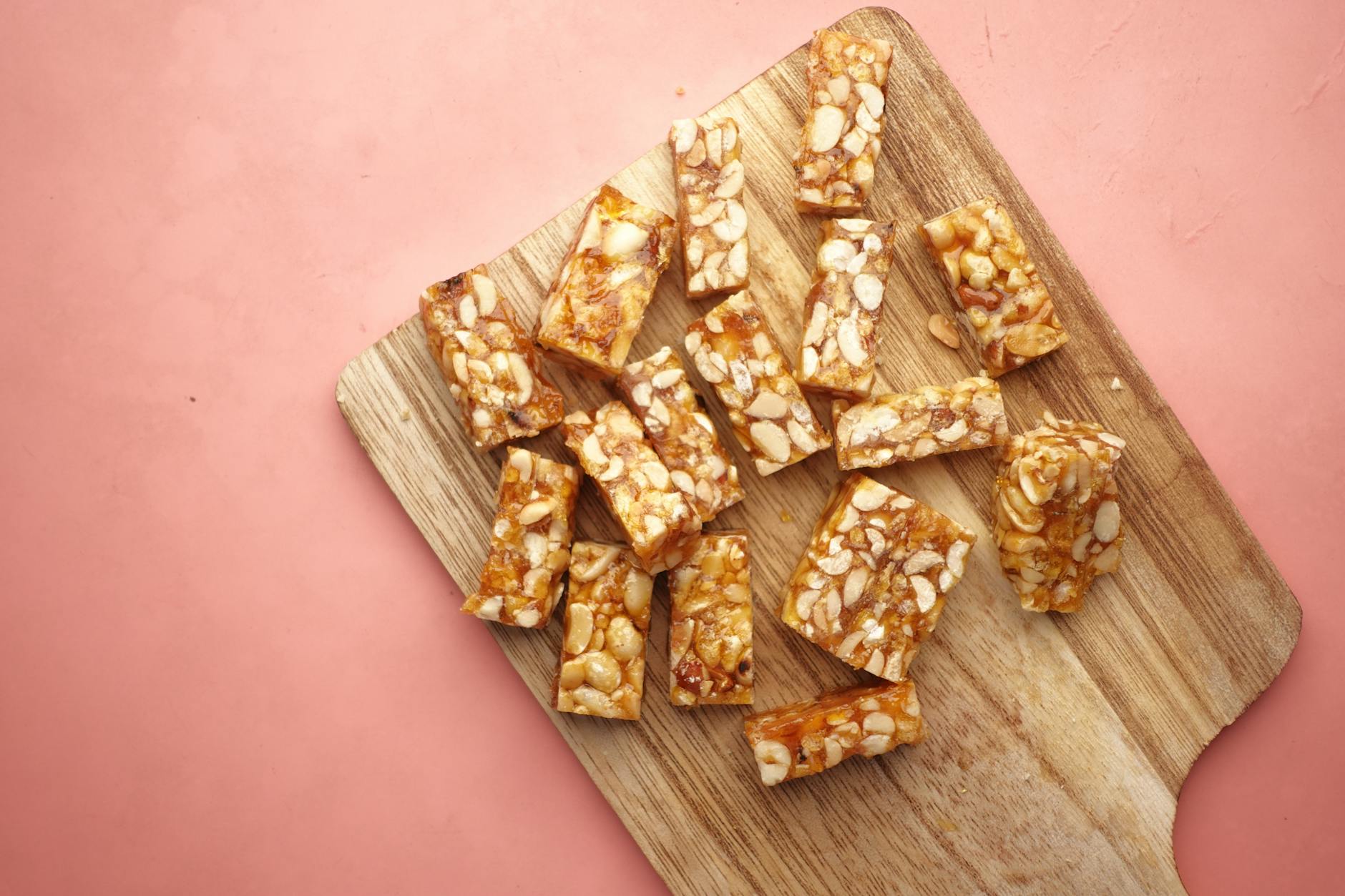
Time: 15 minutes active cooling; temperature: off heat, then room temperature. Remove the saucepan from the heat. Quickly stir in the remaining 1/4 cup butter, vanilla, baking soda, and salt until the butter melts and the mixture becomes slightly foamy. Pour it onto the prepared baking sheet and spread it to about 1/4-inch thickness.
Work carefully because the candy is extremely hot. The baking soda may cause a brief hiss and make the mixture puff slightly. Let the sheet cool at room temperature for at least 30 minutes, or until completely hard and no longer warm in the center. Lift the edges, then break the candy into pieces.
Variations & Substitutions
- Salted peanut brittle: Use 2 teaspoons of salt in the mixture, then sprinkle 1/2 teaspoon flaky sea salt over the hot candy before it sets. This creates a sharper sweet-salty contrast.
- Mixed-nut brittle: Replace 1 cup of the peanuts with 1 cup of raw almonds, cashews, or pecans. Keep at least 2 cups peanuts so the original flavor and structure remain familiar.
- Sesame peanut brittle: Replace 1/2 cup of the peanuts with 1/2 cup raw sesame seeds. Add the seeds at the same time as the peanuts, and watch the color carefully because sesame seeds toast quickly.
- Chocolate-dipped pieces: Cool and break the brittle first. Melt 8 ounces of semisweet chocolate, dip one edge of each piece, and let it set on parchment. Do not add chocolate to the hot candy mixture.
- Butter-free version: Use 3/4 cup refined coconut oil in place of the butter. The flavor will be less dairy-rich, and the finished candy may have a slightly different snap. Avoid unrefined coconut oil if you do not want a coconut taste.
I tried using honey as a one-for-one replacement for the corn syrup, but the flavor became much stronger and the texture was less reliably crisp. For the cleanest traditional result, keep the light corn syrup in the base recipe.
Storage & Shelf Life
Store completely cooled pieces in an airtight container at room temperature for up to 14 days. Separate layers with parchment paper. Keep the container away from steam, humidity, and direct sunlight, since moisture quickly turns the crisp candy sticky.
Refrigeration is not usually necessary, but you can refrigerate the brittle in a sealed container for up to 21 days. Let it return to room temperature while still sealed so condensation forms on the container rather than on the candy.
To freeze the pieces, wrap them individually or separate layers with parchment, then place them in a freezer-safe airtight container for up to 2 months. Thaw the sealed container at room temperature for several hours before opening. This helps reduce surface moisture.
Discard the brittle if it develops mold, a rancid or paint-like smell, unusual discoloration, or a persistently wet texture accompanied by an off flavor. A little stickiness from humidity is a quality problem, not necessarily spoilage, but it will not return to its original crispness easily.
Pro Tips
- Calibrate your thermometer: Place it in boiling water before making candy. Water boils at a lower temperature at higher elevations, so the reading may need adjustment. Follow the thermometer manufacturer’s guidance for your location.
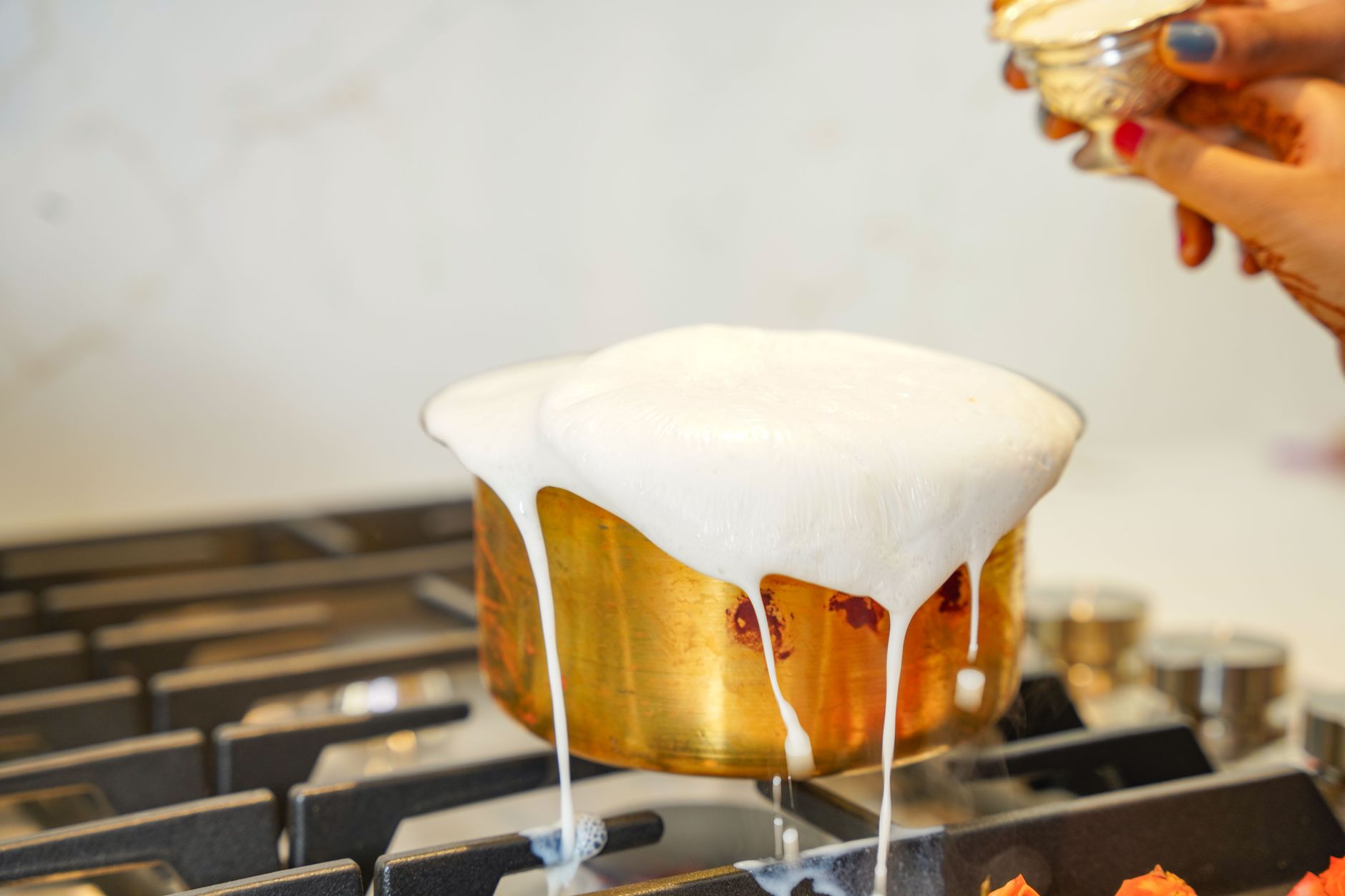
- Use a large pan: The syrup rises when the baking soda is added. A saucepan with plenty of headroom reduces the chance of a dangerous overflow.
- Do not scrape the pan: Pour the candy smoothly onto the baking sheet and leave any stubborn residue behind. Scraping crystallized syrup into the finished batch can make the texture grainy.
- Spread quickly: The mixture thickens within seconds. A lightly buttered heatproof spatula helps push it outward without dragging too much of the candy back toward the center.
- Control the thickness: A thinner layer gives a delicate, airy snap. A thicker layer feels denser and takes longer to cool. Aim for roughly 1/4 inch for balanced crunch.
- Prevent sticking: Butter the pan well, or line it with a silicone baking mat if it is heat-safe for candy making. Parchment can work, but some varieties wrinkle or adhere to very hot sugar.
- Keep water nearby for cleanup: Soak the saucepan and utensils in hot water after use. The hardened sugar will dissolve gradually, avoiding the need to chip it away.
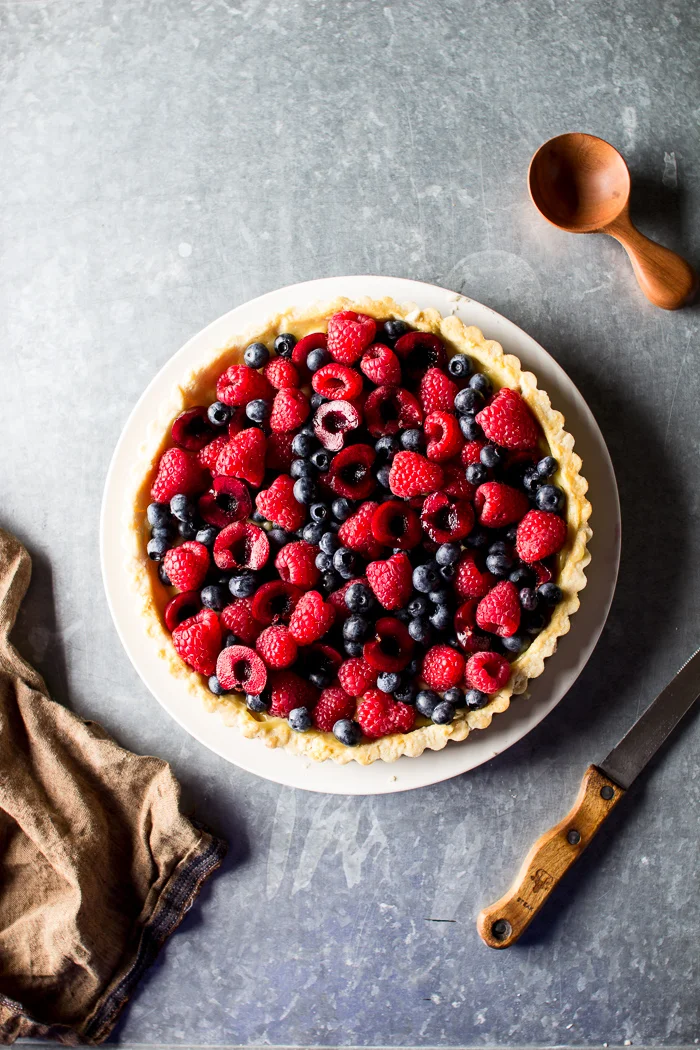
For another dessert with a crisp, buttery element, try this Raspberry crumble tart recipe 2041571. Its fruit filling offers a pleasant contrast to this candy’s deep caramel sweetness.
Questions & Answers
When is the best time to eat Peanut Brittle?
The best time to eat Peanut Brittle is after it has cooled completely and reached room temperature. Freshly cooled pieces have the cleanest snap and the strongest roasted-peanut aroma. Serve small pieces with coffee, tea, or another dessert. Avoid leaving it uncovered for long, especially in a humid kitchen.
Why did my peanut brittle turn soft?
Peanut brittle usually turns soft because it absorbed moisture or did not reach 300°F. Humidity can make properly cooked candy sticky within hours. Store it in a truly airtight container, and check that the thermometer tip was immersed in the syrup without touching the pan bottom.
Can I make this candy without a thermometer?
You can make it without a thermometer, but a thermometer gives more consistent results. The syrup must reach the hard-crack stage, where a drop in cold water forms brittle threads that snap. Color alone is less dependable because the candy can darken before or after the correct temperature.
Why did my brittle become grainy?
Grainy brittle usually results from sugar crystals forming during cooking. Use clean equipment, dissolve the sugar before the syrup boils, and avoid stirring once a steady boil begins. Do not scrape crystallized residue from the saucepan sides into the finished candy.
Can I use roasted peanuts instead of raw peanuts?
You can use roasted peanuts, but raw peanuts produce the most balanced result in this recipe. Roasted nuts may become overly dark or bitter while the syrup reaches 300°F. If using roasted peanuts, add them later, around 260°F, and stir carefully until the candy reaches the final temperature.
How do I make thinner peanut brittle?
Make thinner brittle by pouring the hot mixture onto a large rimmed baking sheet and spreading it immediately. Aim for about 1/8 to 1/4 inch thickness. Do not press aggressively, because excessive spreading can crush the airy bubbles created by the baking soda.
Can I use baking soda instead of baking powder?
Use baking soda, not baking powder, for this recipe. Baking soda reacts with the hot sugar mixture and creates a lighter, more porous texture. Baking powder contains additional ingredients and will not provide the same effect or flavor balance in this candy.
More Recipes You Will Love
If you enjoy desserts with contrasting textures, the Raspberry crumble tart recipe 2041571 pairs juicy berries with a crisp topping and tender crust. It is a lovely choice when you want a plated dessert rather than a handheld sweet.
For something cold and creamy, make the No-churn ice cream with evaporated milk. Crushed brittle can be sprinkled over each scoop just before serving, where it adds caramel crunch.
Conclusion
Peanut Brittle rewards careful temperature control with a crisp, golden texture and a rich roasted flavor. Measure everything before you begin, remove the syrup at 300°F, and spread the candy quickly while it is still fluid. Let the slab cool fully before breaking it, then protect the pieces from humidity in an airtight container. If you make this recipe, leave a rating or share how thick and crunchy your batch turned out.
FAQs
When is the best time to eat Peanut Brittle?
The best time to eat Peanut Brittle is as an occasional dessert or after a meal, since it is energy-dense and best enjoyed in small portions. It works well for holiday gatherings, dessert trays, or edible gifts. Breaking the batch into about 20 pieces makes it easier to keep each serving small.
How should I store homemade peanut brittle?
Store homemade peanut brittle in an airtight container at room temperature, away from humidity. Layer the pieces between sheets of parchment paper so they do not stick together. Kept dry and sealed, it stays crisp for several days to a couple of weeks, and it should not be refrigerated because moisture softens it.
Why is my peanut brittle chewy instead of crisp?
Peanut brittle usually turns chewy when the syrup did not reach the hard-crack stage, which is roughly 300 to 310 degrees F. Humidity or moisture exposure can also soften finished candy. Cook the syrup until the thermometer reads in that range, and store the cooled brittle in a dry, sealed container.
Can I make peanut brittle without a candy thermometer?
Yes, you can make peanut brittle without a candy thermometer by using the cold water test. Drop a small spoonful of hot syrup into a glass of cold water; when it forms hard, brittle threads that snap, the candy has reached the hard-crack stage. A thermometer still gives more consistent results.
Is peanut brittle safe for people with peanut allergies?
No, peanut brittle is not safe for anyone with a peanut allergy because peanuts are its main ingredient. It also contains butter, so it is not dairy-free. People with food allergies or medical conditions such as diabetes should check with a doctor or registered dietitian before eating it.